Your dehumidifier is pulling moisture from the air, but it might also be silently inflating your electric bill. That’s a frustrating combo, you want drier air and lower costs, not both working against you.
The good news? A few smart tweaks can slash your dehumidifier’s energy use without sacrificing comfort. You don’t need a new unit right away.
Sometimes the simplest changes make the biggest difference.
This guide covers the proven strategies that actually move the needle on efficiency. We’ll walk through setting the right humidity level, placing your unit correctly, maintaining it properly, and picking features that save energy over time. By the end, you’ll know exactly how to get the most dry air from every watt.
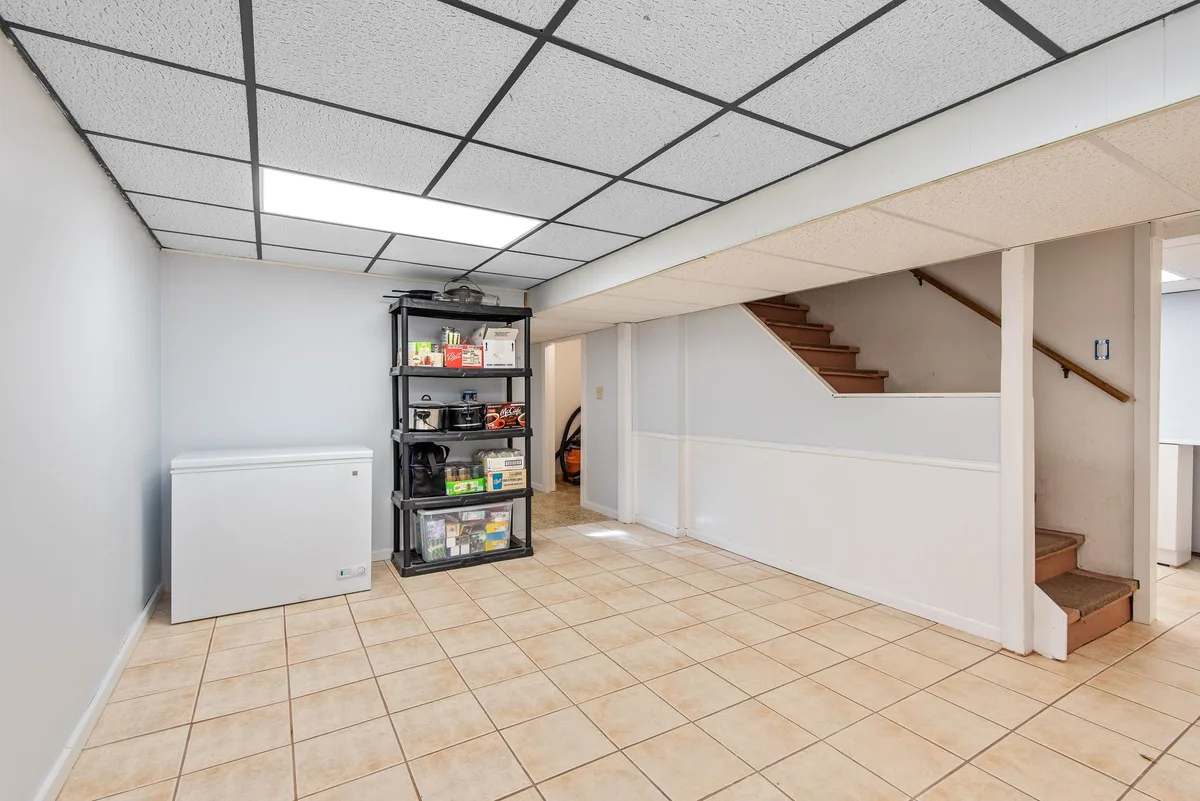
Image source: Pexels / Đỗ Huy Hoàng (Pexels License)
Set the Right Humidity Level
Most people dial their dehumidifier up to 30% or 40% and forget about it. But running it that low wastes electricity. The EPA recommends keeping indoor humidity between 30% and 50% for comfort and health .
That range is your sweet spot.
Aim for 45% to 50%. This keeps the air comfortably dry while letting the compressor cycle off more often. Every time the unit shuts down, it saves power.
If you run it at 30%, the machine works almost constantly just to maintain that artificially low number.
Use a separate hygrometer to verify what your dehumidifier’s built-in meter is actually reporting. Cheap units sometimes read high or low by five percent or more. An independent meter costs about ten dollars and tells the truth.
Don’t chase single digits below 45% unless you have a specific medical reason. Dry skin, irritated sinuses, and static shocks are real problems when humidity drops too far. Nobody wins there.
Choose an Energy Star-Rated Model for Maximum Savings
If you’re buying a new dehumidifier, Energy Star certification matters. These units meet strict efficiency standards set by the government. They use noticeably less electricity than standard models while pulling the same amount of moisture.
An Energy Star dehumidifier can cut your energy use by roughly 15% compared with non-certified models. Over a full season of heavy use, that adds up to real dollars on your bill. The upfront price may be slightly higher, but you’ll recover that difference quickly.
Look for the Energy Star label on the front of the box. It’s a quick visual check that saves you from guessing. Also compare the pint capacity to your space.
A unit that’s too big for the room will short-cycle, turning on and off frequently, which wears components and wastes energy. A unit that’s too small runs nonstop.

Image source: Pexels / https://kaboompics.com/ (Pexels License)
When sizing matters, think about your basement or laundry room dimensions. Multiply length times width times ceiling height for cubic feet. Then match that to the manufacturer’s coverage area.
Most mid-size home units handle 3,000 to 5,000 square feet. If your space is smaller than that, go with a compact model.
Place Your Dehumidifier Where It Works Best
Location makes a bigger difference than most people realize. Put your dehumidifier in the dampest part of the room, but give it breathing room. Walls and furniture block airflow.
The unit needs fresh air coming in from all sides.
Keep at least six inches of clearance on every side. Ten inches is even better. If you shove it into a tight corner, the intake gets starved.
The compressor works harder. Your energy bill climbs.
Avoid placing it near heat sources like water heaters, dryers, or direct sunlight. Heat raises the ambient temperature around the unit. That forces the compressor to run longer to hit the target humidity.
Cool, stable air lets it do its job efficiently.
basement corners are usually the best spots. Cold air sinks, so the floor-level dampness settles there. Positioning the unit close to that damp zone means it pulls moisture faster and cycles off sooner.
Never put it on carpet. Hard floors are better. Moisture collects under the unit on soft surfaces, and the intake grille can吸 in fibers that clog the filter.
Tile, concrete, or vinyl flooring keeps everything clean and dry underneath.
Run It Only When Needed
Dehumidifiers don’t need to run 24/7. In fact, constant operation is one of the fastest ways to burn electricity for no real gain. Match the runtime to the actual humidity problem.
Use the built-in humidistat. Set it to your target, remember, 45% to 50%, and let the unit decide when to kick on. Modern compressors cycle automatically.
Once the room hits that level, the fan stops and the compressor shuts off. That’s efficient by design.
In milder seasons, you might only need the dehumidifier for a few hours a day. Summer months call for longer runs, especially in basements. Pay attention to the gauge.
If humidity stays steady for two days straight, the unit is doing its job without constant effort.
Consider a smart plug or timer if your model lacks an auto-off feature. Set it to run during the warmest, most humid part of the day, usually mid-afternoon, and shut off overnight. Cooler evening air holds less moisture anyway, so the unit has less work to do.
Keep Filters and Coils Clean
A dirty dehumidifier is a slow dehumidifier. When filters clog, airflow drops. The compressor has to push harder to move the same volume of air across the coils.
More effort means more electricity.
Clean the reusable filter every two weeks during heavy use. Each time you pull it out, tap off loose dust, then rinse it under warm water. Let it air dry completely before sliding it back in.
Wet filters breed mold and smell terrible.
The evaporator and condenser coils collect grime too. Dust settles on the fins over time, insulating them and reducing heat transfer. Use a soft brush or a can of compressed air to gently remove buildup.
Do this once a month in peak season.
Don’t skip the condensate bucket. Empty it regularly, and wipe the interior with mild soap and water every few weeks. Stagnant water breeds bacteria and algae, which eventually spread to the pump and internal components.
Seal the Space Around Your Dehumidifier
Your dehumidifier fights a losing battle if moist air keeps pouring into the room from outside. Gaps around windows, doors, and foundation cracks let humid outdoor air seep in. The unit runs longer trying to combat a constant influx.
Check weatherstripping around doors first. Worn or missing strips are obvious leaks. Replace them with foam tape or rubber gaskets, inexpensive and effective.
Look for gaps along baseboards and where walls meet the floor. Caulk or expandable foam sealant closes these holes. You’d be surprised how much humid air escapes through tiny cracks.
If you have a sump pump or floor drain nearby, make sure the cover seals tightly. Standing water in an open drain pan releases moisture straight back into the air your dehumidifier just pulled out.
Sealing the space reduces the workload dramatically. The unit reaches setpoint faster, cycles off more often, and uses less energy overall.
Pick the Right Unit Size for Your Space
Oversized dehumidifiers are a common mistake. A massive 70-pint unit in a small bedroom might pull moisture quickly, but it also cools the air aggressively. The rapid temperature drop can trigger frost on the coils.
The defrost cycle then wastes energy melting ice instead of dehumidifying.
Undersized units run nonstop. They never reach the target humidity, so the compressor stays locked on. That’s also inefficient.
Find the middle ground. Match the pint rating to your square footage and typical moisture level. A standard 50-pint model handles most average basements well.
Small closets or utility rooms often only need a 20 to 30-pint compact unit.
Manufacturers list recommended room sizes on the box and in specs. Use that as a starting point, then adjust based on your actual conditions. Very damp spaces, like flooded basements or rooms with poor ventilation, may need a larger capacity even if the square footage seems modest.
Use a Drain Hose Instead of Emptying the Bucket
Gravity-fed continuous drainage eliminates the temptation to let the bucket overflow. When the tank fills, the unit either shuts off or alarms constantly. Both scenarios interrupt the dehumidification process and waste time.
Connect a standard garden hose to the drain outlet if your model supports it. Route the line to a floor drain, sink, or outside. Gravity does the work.
No pump needed for short drops.
If you need to move water upward, like draining to a second-floor bathroom, look for a unit with a built-in condensate pump. These cost a bit more upfront but save you from manual emptying and keep the unit running uninterrupted.
A continuously drained unit maintains steady operation. It hits target humidity faster, cycles smarter, and avoids the idle downtime that comes from waiting for a full bucket.
Close Doors and Windows
Open windows defeat the purpose of running a dehumidifier. Outdoor humidity varies throughout the day. On humid summer mornings, opening a window floods the room with moist air.
Your unit then spends extra energy pulling that moisture back out.
Keep windows and exterior doors closed while the dehumidifier runs. Treat the room like a sealed environment. Fresh air can wait until the unit brings humidity down to a comfortable level.
Ventilation matters for air quality, but exchange it strategically. Open windows briefly when outdoor humidity is lower, typically late evening or early morning, then close them before the unit resumes its cycle.
If your basement has a window well, consider installing a cover. Rain and groundwater splash inside, raising humidity directly where your unit sits. A simple plastic or metal cover blocks most of that moisture from entering.
Combine with Other Ventilation Strategies
A dehumidifier is one tool in the humidity-control toolbox. Pairing it with other strategies multiplies the savings.
Run exhaust fans in bathrooms and kitchens after showers or cooking. These fans vent moist air directly outside instead of letting it settle into the living space. One hour of fan runtime can remove more moisture than a dehumidifier running for three.
Fix any plumbing leaks immediately. A dripping pipe under a sink releases thousands of gallons of water into the air over a year. That extra load forces your dehumidifier to work overtime.
Insulate cold water pipes in unfinished areas. Condensation forms on cold pipes in warm, humid air, essentially creating a mini dehumidifier effect around the pipe itself. Insulation wraps stop that process at the source.
When Should You Use a Dehumidifier Instead of an Air Conditioner?
This question comes up often, and the answer depends on your goals. Air conditioners cool and dehumidify simultaneously. They remove moisture as a side effect of lowering temperature.
But they’re less efficient at pure dehumidification, especially in moderately warm spaces.
A standalone dehumidifier pulls moisture without significantly changing the air temperature. That’s valuable in basements, crawl spaces, and storage rooms where cooling isn’t the priority. Running an AC just to dry air wastes energy, you’re paying to cool a space that doesn’t need cooling.
If your main concern is dampness, musty smells, or mold risk, a dehumidifier is the right choice. If you’re dealing with both heat and humidity, an air conditioner handles both jobs at once, though less efficiently on the moisture front.
Using both together can actually save money in extreme conditions. Run the AC to bring temperature down, then switch to the dehumidifier to fine-tune moisture levels. The AC does the heavy lifting on heat; the dehumidifier handles humidity without fighting against cooled, already-dry air.

Image source: Pexels / Mary Se (Pexels License)
Features That Boost Efficiency
Modern dehumidifiers come with several efficiency-enhancing features. Here are the ones worth looking for:
Adjustable humidity settings. Allows you to pick the exact level instead of being stuck at factory defaults. Fine-tuning prevents over-drying and unnecessary compressor runtime.
Auto-defrost. Prevents coil icing in cool environments. Without it, the unit shuts down to melt frost, wasting energy on a task that shouldn’t happen in the first place. Auto-defrost keeps the cycle going smoothly.
Turbo or express mode. Pulls moisture fast for a short burst, then returns to eco mode. Useful after flooding or during heavy rain events. Skip this mode for everyday use, it draws extra power.
Wi-Fi and smart scheduling. Lets you turn the unit on and off remotely or set schedules that match your routine. Run it only when someone’s home or when humidity spikes predictably.
Energy-saving or eco mode. Automatically adjusts fan speed and compressor activity based on current conditions. The unit backs off when humidity is already acceptable instead of pushing harder than necessary.
Not every feature justifies the price premium. Stick to the essentials, adjustable humidity, auto-defrost, and eco mode, unless you have a specific need that demands extras.
Frequently Asked Questions
Does running a dehumidifier all night use a lot of electricity?
It depends on the unit and the humidity level. A typical 50-pint Energy Star model uses about 300 to 400 watts per hour. Running it eight hours at full load costs roughly a dollar a night.
But if the target humidity is already reached, the compressor cycles off and usage drops dramatically. Nighttime is actually efficient because temperatures are cooler and the air holds less moisture.
Can a dehumidifier lower my electric bill?
Not directly, it adds to your bill. But a properly sized, efficiently run dehumidifier in a damp space can replace the need to run an air conditioner for dehumidification purposes, which may lower your total cooling costs. Think of it as swapping one energy load for a smaller one.
How many watts does a dehumidifier use?
Small compact units (20 to 30 pints) typically draw 100 to 200 watts. Mid-size units (40 to 50 pints) run around 300 to 500 watts. Large commercial-style units can exceed 700 watts.
Always check the label on the back of the unit for the exact wattage.
Is it cheaper to run a dehumidifier or an air conditioner for humidity control?
A dehumidifier is generally cheaper for moisture removal alone. Air conditioners were designed primarily for cooling, so using them solely to dry air wastes energy on unwanted cooling. If you need both cooling and dehumidifying, the AC does both efficiently.
If you only need dry air, the dehumidifier is the right tool.
Should I leave my dehumidifier on all the time?
Only if humidity stays above your target level. Modern units with built-in humidistats are designed for continuous operation in damp spaces. If your basement stays above 50% humidity year-round, leaving the unit running makes sense.
If it dips below 45% during certain seasons, switch it off and reopen it when humidity rises again.
Making a dehumidifier more energy efficient comes down to a few key habits: setting the right humidity, placing the unit correctly, keeping it clean, and matching its size to your space. Small changes add up. You’ll breathe easier and spend less every month.

Table of Contents