
Image source: Pexels / Lennard Schubert (Pexels License)
Nothing ruins a basement project faster than coming home to find your dehumidifier crusted over in ice. You bought it to pull moisture from the air, but now it’s freezing solid instead. We’ve all been there, standing in front of a frosted machine, wondering what went wrong and whether you’re going to need a repairman’s bill to fix it.
The good news? Most frozen dehumidifiers can be rescued without spending a dime on service calls. In most cases, the culprit is something simple: a clogged filter, improper placement, or settings that don’t match the room conditions.
Sometimes, though, the problem runs deeper, a refrigerant leak or a faulty defrost cycle.
This guide walks you through exactly what causes coils to freeze, how to safely thaw and diagnose your unit, and what steps to take to keep it running smoothly. By the end, you’ll know whether you can handle this yourself or when it’s time to call in the pros.
Why Dehumidifier Coils Freeze Up
Your dehumidifier works on a basic principle: pull warm, moist air over cold evaporator coils, let the moisture condense into water, then exhaust the drier air back into the room. The coils stay cold thanks to the refrigerant cycling through the system. Under normal conditions, any frost that briefly forms on those coils melts away as part of the regular cycle.
When things go wrong, that frost doesn’t melt fast enough. It builds up layer by layer until the coils are completely encased. And once ice takes hold, the whole machine starts struggling.
Airflow gets blocked. The compressor works harder. You end up with even less dehumiding power and more ice, a vicious circle that keeps getting worse until you break the pattern.

Image source: Pexels / RDNE Stock project (Pexels License)
Think of the evaporator coil like the inside of a cold drink can on a humid day. Moisture in the air hits that cold surface and turns to liquid. But if the surface gets too cold, or if too much air isn’t flowing across it, that liquid freezes into a solid layer of ice.
The same thing happens inside your dehumidifier, just on a tighter schedule and often unnoticed until you see the damage.
Understanding this mechanism matters because it tells you where to look. Ice isn’t the problem. Ice is the symptom.
The real issue is always something that threw the temperature or airflow balance out of whack.
Common Causes of Frozen Dehumidifier Coils
Clogged or Dirty Air Filters
This is the number one reason dehumidifiers freeze up, and it’s also the easiest to fix. Air filters trap dust, lint, and debris before it reaches the coils. Over time, they get choked.
A dirty filter restricts airflow across the evaporator coil, and restricted airflow means the coil drops well below the dew point temperature. No moving air to absorb the cold means pure frost buildup on that coil surface.
Most manufacturers recommend cleaning your filter every two weeks during heavy use. If you’ve never touched yours, there’s a good chance it’s already past due.
Running the Dehumidifier in Cold Temperatures
Dehumidifiers are designed to operate within a specific temperature range, usually somewhere between 41°F and 95°F depending on the model. Run one in an unheated garage or crawl space when it’s near freezing outside, and the coils will ice over quickly. The refrigerant inside the system can get too cold relative to the ambient air, especially when humidity levels are low and the thermostat isn’t calling for much runtime anyway.
If your space regularly dips below the manufacturer’s minimum operating temperature, consider a model rated for cold environments or switch to a desiccant dehumidifier instead. Desiccant units use a moisture-absorbing material rather than a refrigerant coil, so they don’t suffer from the same freezing problem.
Poor Ventilation and Room Placement
Where you put your dehumidifier matters more than you might think. Tucking it into a tight corner, behind furniture, or in a cramped closet starves it of the air it needs to circulate. Even placing it on a thick carpet can restrict the bottom intake.
The unit needs clear space on all sides, ideally at least six to twelve inches of clearance around the intake and exhaust vents.
Close doors and windows too, and you’re creating a small, stagnant pocket of air that the dehumidifier chokes on. Make sure the room has some natural air movement, or position the unit so the exhaust fan can push dry air freely into the space.
Setting the Humidity Target Too Low
It sounds counterintuitive, but setting your dehumidifier to pull humidity down to 30% on a cool day is a great way to cause ice buildup. When the humidity target is aggressively low, the compressor runs continuously. The coils stay cold constantly with no off-cycle to let them warm up and shed any developing frost.
Eventually, that frost wins.
Aim for 45% to 50% relative humidity for comfort and health. That’s the sweet spot recommended by health organizations, and it also gives your dehumidifier room to breathe without overworking the coils. Check out the Environmental Protection Agency’s guidance on indoor humidity for more on why this range matters for your home .
Faulty Defrost System
Some dehumidifiers have an automatic defrost cycle designed to periodically warm the coils and melt any frost that’s building up. If that system fails, whether from a bad defrost timer, a stuck relay, or a sensor malfunction, the unit will run nonstop and ice over despite everything else being normal. You’ll notice this if the coils freeze even when the filter is clean, the placement is correct, and the temperature is well within the operating range.
Low Refrigerant or a Refrigerant Leak
If your dehumidifier is several years old and suddenly started freezing without any obvious cause, low refrigerant could be the culprit. A slow leak drops the pressure in the refrigerant circuit, which makes the evaporator coil run colder than it should. The coil then pulls the air temperature down past the freezing point, and ice forms rapidly.
This isn’t something you can fix at home. Refrigerant handling requires specialized tools and certification. But recognizing the signs, rapid ice buildup with no other explanation, reduced dehumidification despite the fan running, maybe a hissing sound near the coils, can save you time and help a technician pinpoint the issue faster.
How to Thaw and Fix a Frozen Dehumidifier
First things first: don’t try to chip the ice off. You’ll likely puncture a coil or damage the fins, and that turns a quick DIY fix into a costly repair. Let it melt naturally.
Here’s the step-by-step process:
Step 1: Turn Off and Unplug the Unit
Flip the power switch off and pull the plug from the wall. Safety first. Working around ice and electricity isn’t smart, and you want to make absolutely sure the compressor can’t kick back on while you’re inspecting things.
Step 2: Let the Ice Melt Completely
This is the patience part. Depending on how thick the ice is, it could take anywhere from thirty minutes to several hours. Place towels around the base to catch runoff, and if your dehumidifier has a removable water tank, pull it out so melted ice doesn’t overflow anywhere awkward.
Some people speed this up by pointing a fan at the unit, room-temperature air moving across the ice helps. Just don’t use a heat gun or hair dryer on high; excessive heat can warp plastic components.
Step 3: Inspect the Coils Once Thawed
When the ice is gone, take a good look at the evaporator coil. If it’s visibly bent, crushed, or damaged, that could be the source of your airflow problems. Straighten any slightly bent fins gently with a fin comb or a butter knife held carefully at a shallow angle.
Don’t press hard, these fins are thin metal and bend easily.
Check the coil for signs of oil residue or discoloration, which could indicate a refrigerant leak. If you spot anything suspicious there, note it for the next step.
Step 4: Clean or Replace the Air Filter
This is where most frozen dehumidifiers get their second life. Remove the filter and wash it with warm water and a bit of mild detergent. Let it dry completely before putting it back, a damp filter just turns into a moldy sponge inside the unit.
If the filter is worn, torn, or beyond cleaning, grab a replacement. They’re cheap, and most hardware stores carry universal sizes that fit multiple dehumidifier brands.
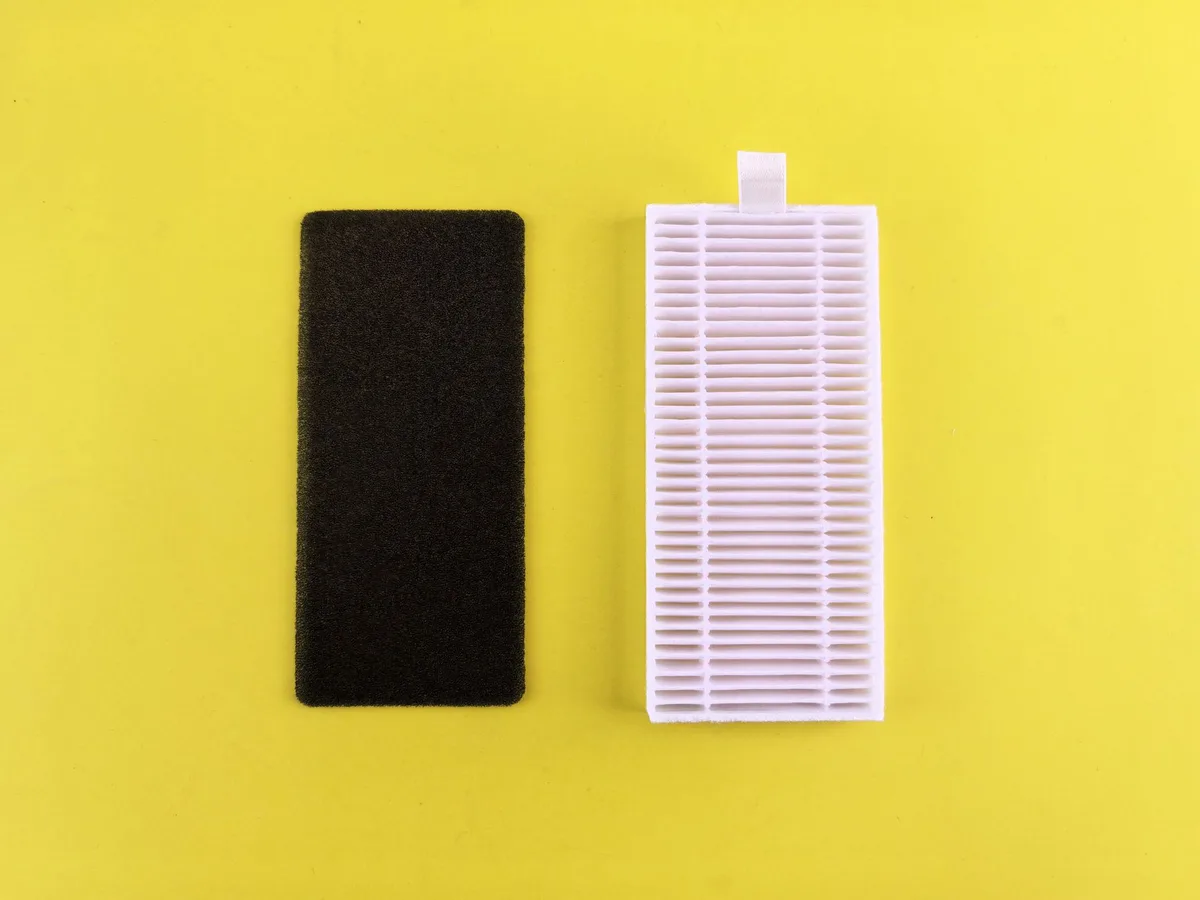
Image source: Pexels / Andrey Matveev (Pexels License)
Step 5: Clear the Vents and Improve Airflow
Make sure nothing is blocking the intake or exhaust grilles. Vacuum out any dust bunnies that may have accumulated behind the front panel. If the unit sits on carpet, lift it onto a hard, flat surface.
Carpet fibers act like a second filter right at the intake, and they soak up moisture too, making everything worse.
Step 6: Adjust the Settings
Check your humidity target. If you had it set to 30%, bump it up to 45% or 50%. That gives the compressor regular break cycles, which lets the coils warm up naturally and prevents frost from accumulating in the first place.
Also verify the fan speed, if your model has multiple settings, a medium or high fan speed moves more air across the coils and reduces the chance of localized freezing.
Step 7: Plug It Back In and Monitor
Once everything is reassembled, plugged in, and set correctly, turn the unit on and watch it for the first hour. You should hear the compressor engaging and feel steady airflow from the exhaust. If ice starts forming again within that first hour despite everything looking right, the problem is deeper than a dirty filter, likely the defrost system or refrigerant, and it’s time to consider professional service.
Preventing Your Dehumidifier From Freezing Again
Fixing a frozen dehumidifier is one thing. Keeping it from freezing again is the real win. Here are the habits that make the difference:
Clean the Filter on Schedule. Two weeks is the general rule, but if you’re in a particularly dusty environment or running the unit constantly, once a week is safer. Set a phone reminder if you have to.
Watch the Room Temperature. Know your space. If it’s a basement that trends cold in winter, move the dehumidifier to a slightly warmer area or invest in a cold-weather-rated model. Don’t ignore the manufacturer’s minimum temperature spec, it’s there for a reason.
Give It Space. Clearance matters. Keep at least six inches on all sides, preferably more. Don’t hide it behind a TV stand or stuff it into a corner where air can’t reach it.
Set Realistic Humidity Goals. 45% to 50% is comfortable, healthy, and gentle on your machine. Going lower doesn’t buy you much and costs you in energy and equipment wear.
Inspect the Drainage Regularly. A clogged drain line forces the unit to work harder and can contribute to freezing if water backs up near the coil area. Check the hose connection and the drainage path at least once a season.
Run the Fan Without the Compressor Occasionally. On days when humidity is already low but you still want air circulation, some dehumidifiers let you run just the fan. This keeps air moving across the coils without adding more cold, which helps prevent the kind of stagnation that leads to ice.
When to Call a Professional
There’s a line between DIY fixes and situations that need someone with proper training. Cross it when you spot these signs:
Ice returns within hours even after you’ve cleaned the filter, improved placement, and adjusted settings correctly. That points to a defrost system failure or refrigerant issue.
You hear unusual sounds, grinding, buzzing, or the compressor cycling on and off rapidly. Those aren’t normal operational noises.
The unit blows weak or warm air instead of the cool, dry stream it should produce. That suggests the refrigerant circuit isn’t functioning properly.
You smell burning or see scorch marks near the electrical components. That’s an immediate shutdown and a call to a qualified technician.
Your unit is still under warranty. Opening the case yourself might void that warranty, and a certified repair person can diagnose and fix the problem without risking your coverage.
If any of these describe your situation, stop poking around and get a pro involved. Refrigerant work, electrical diagnostics, and compressor repairs aren’t casual weekend projects, they require training, tools, and sometimes certification.
FAQs About Frozen Dehumidifiers
Can a dehumidifier freeze if the room is too humid?
Yes, paradoxically. Extremely high humidity can cause the coils to drop rapidly in temperature as they work overtime, especially if airflow is already marginal. The combination of heavy moisture load and insufficient air movement across the coils creates ideal freezing conditions.
Why does my dehumidifier make a ticking noise when it freezes?
That ticking is usually the sound of ice expanding and contracting on the coil surface. As different parts of the metal freeze at slightly different rates, you hear those sharp cracks. It’s not dangerous in itself, but it’s a clear sign that ice is actively building and something needs to change, either the filter needs cleaning, airflow needs improving, or the temperature is too low for the unit to handle.
Is it safe to run a dehumidifier that’s partially frozen?
No. Running a partially iced unit strains the compressor, reduces dehumidification efficiency, and can damage internal components over time. Turn it off, let it thaw fully, address the root cause, and then restart it.
Your dehumidifier will last significantly longer if you respect the ice.
How long does it take for a dehumidifier to thaw on its own?
Most units with moderate ice buildup thaw within two to four hours at room temperature. Heavy frost, the kind that fills the entire coil cavity, can take six hours or more. Moving air with a fan speeds things up considerably.
Never use direct heat like a blow dryer on high, as that can warp plastic and damage the coil.
Will my dehumidifier warranty cover a frozen coil repair?
Warranty coverage varies by manufacturer. Generally, warranties cover defects in materials and workmanship but not damage caused by neglect, like running a unit with a clogged filter for months. If the freeze resulted from lack of maintenance, you might be on your own.
If it’s a defrost system failure under normal use, that’s more likely covered. Check your specific warranty terms or call the manufacturer’s support line before paying for repairs.
The Bottom Line
A frozen dehumidifier is almost always fixable, and more often than not, the fix is straightforward. Start with the filter, clean it, replace it if needed, and give the unit proper airflow and room-temperature conditions. Most ice problems resolve at that stage.
If the ice keeps coming back after you’ve addressed the basics, the issue is likely internal. At that point, a qualified technician can check the defrost cycle, test the refrigerant charge, and inspect the compressor. But in the vast majority of cases, a little cleaning and common sense are all it takes to get your dehumidifier pulling moisture again instead of storing it as ice.

Table of Contents