Image source: Pexels / Get Lost Mike (Pexels License)
Buying the wrong size dehumidifier is one of the most common mistakes homeowners make. You grab the biggest unit you can find at the store, drop it in a damp basement, and wonder why the air still feels heavy weeks later. Or you buy something tiny because the label says “compact,” then watch the tank fill up three times a day and give up entirely.
Neither outcome is great.
The good news? Getting the size right isn’t rocket science. It just takes a few simple measurements and a bit of common sense.
I’ve helped people through this exact process countless times, garages, crawl spaces, living rooms, you name it. The rules are straightforward once you know them. This guide walks you through everything you need to figure out exactly what capacity dehumidifier your space actually needs.
No guesswork. No overspending on a unit that’ll sit in a garage forever. Just clear, practical advice that gets you the right answer.
Why Dehumidifier Size Matters — Getting It Wrong Costs More Than Money
A dehumidifier that’s too small for your space will run nonstop without ever reaching the humidity level you want. That means higher electricity bills, premature wear on the compressor, and, perhaps worst of all, persistent moisture problems. Mold doesn’t care that your machine is working overtime.
It thrives in conditions a undersized unit simply can’t fix.
Oversizing, on the other hand, creates a different set of problems. A massive dehumidifier in a modest room pulls moisture out too quickly. The coils get cold fast, the fan cycles on and off constantly, and you end up with a space that feels unnaturally dry and stuffy.
Some units even short-cycle to the point where they never properly dehumidify, they just refresh the air over and over without doing the real work. Plus, bigger units cost more upfront, consume more power, and take up valuable floor space.
The sweet spot, the correct capacity for your specific environment, keeps your relative humidity between 30 and 50 percent. That’s the range research shows minimizes mold growth, reduces allergy triggers, and protects your home’s structure. Stay in that window and your dehumidifier runs efficiently, your energy bill stays reasonable, and your air actually feels comfortable.
Miss it and you’re basically throwing money at a problem that won’t go away.
How to Calculate the Right Dehumidifier Capacity for Your Space
Capacity in dehumidifier terms is measured in pints per day. That number tells you how much moisture the unit can pull from the air under standard test conditions. Finding your ideal pint rating comes down to three inputs: the square footage of the area, how damp the space already is, and whether there are any special factors pushing humidity higher than usual.
Start by measuring your space. Length times width gives you the square footage. For a single-level home, this is usually straightforward.
If you’re dealing with a two-story house or an open-concept floor plan, measure each zone separately. Different areas often have very different moisture profiles, and sizing them individually pays off.
Next, assess the dampness level. The Environmental Protection Agency notes that indoor humidity should generally stay between 30% and 50% to prevent mold and maintain comfort [EPA Indoor Air Quality Guidelines]. Here’s the quick reference chart most manufacturers use:
| Square Footage | Dry to Normal Conditions | Damp Conditions | Very Wet / Flooded Basement |
|---|---|---|---|
| Up to 500 sq ft | 30 pints | 50 pints | 50–70 pints |
| 500–1,000 sq ft | 50 pints | 70 pints | 70–90 pints |
| 1,000–1,500 sq ft | 70 pints | 90 pints | 90–120 pints |
| 1,500–2,000 sq ft | 90 pints | 120 pints | 120+ pints |

Image source: Pexels / Felicity Tai (Pexels License)
“Damp” conditions mean you’ve noticed condensation on windows, a musty smell, or water stains on walls. “Very wet” typically applies to below-grade spaces like full basements with standing water issues or areas that have experienced flooding. A laundry room that’s never had water problems?
That’s normal. A laundry room next to a foundation crack? That leans toward damp.
Special circumstances push your numbers up. A household with multiple occupants generates more moisture through breathing, cooking, and showering. Homes near bodies of water, lakes, rivers, coastal areas, start with higher ambient humidity.
Ground-level units in slab foundations absorb more ground moisture than second-story apartments. If any of these apply to you, bump your target capacity up one tier from the chart above.
Here’s a quick example. Say you have a 900-square-foot basement that gets damp every spring. The chart points to a 70-pint unit under normal conditions, but since you’re describing it as damp, that jumps to 90 pints.
An 80-pint model would handle it fine in early June but likely struggle by August. Go with the 90-pint version and you’ll sleep better.
Another scenario: a 400-square-foot finished bedroom on the second floor with no visible moisture issues. That’s a 30-pint dehumidifier situation. A 50-pint unit would work too, it’d just cycle more frequently, but it’s overkill and costs more.
Don’t fall into the trap of thinking bigger always equals better.
Key Factors That Influence Dehumidifier Sizing Decisions
Beyond raw square footage and dampness level, several variables shift what capacity you actually need. Ignoring these leads to undersized purchases, which is the most frequent mistake I see.
Ceiling height matters more than people expect. The pint-per-day charts above assume standard 8-foot ceilings. If your space has vaulted ceilings, a two-story foyer, or a cathedral-like basement, the volume of air is significantly larger. Multiply your square footage by the ratio of your ceiling height to 8 feet.
A 10-foot ceiling means you’re moving 25 percent more air. In practice, bumping up one pint category covers this easily.
Airflow and ventilation play a big role. Spaces with poor air circulation, closed closets, rooms with minimal window coverage, areas behind built-in shelving, trap humid air in pockets. The dehumidifier’s sensor might read one level while another corner sits at saturation.
Moving the unit to a central location helps, and adding a small circulating fan can make a meaningful difference. If your space has multiple doors that stay closed, consider sizing up rather than rearranging furniture.
Heat sources nearby accelerate moisture generation. Dryers venting indoors, unflued gas heaters, wood stoves, and even large kitchen ranges all add water vapor to the air. A dehumidifier placed near a dryer exhaust chute or an unvented heater needs extra capacity.
I’ve seen 50-pint units deployed next to clothes dryers end up running continuously with tanks overflowing within hours. That’s not a defect, it’s a physics problem. Move the unit away from the heat source or upgrade the capacity.
Number of occupants and pets is an underrated factor. Each person releases roughly one pint of moisture daily through respiration and sweat. A family of four adds about four pints per day to the indoor air before you even count showers and cooking.
Pets contribute through breathing and occasional accidents. Multi-person households should generally size up compared to a single-occupant home of the same square footage.
Climate zone determines baseline humidity. Living in Florida or Louisiana means your starting point is far more saturated than somewhere like Arizona or Colorado. A dehumidifier in Miami works harder year-round than the same model in Phoenix.
If you’re in a high-humidity climate, leaning toward the higher end of your calculated range, or even slightly above, prevents mid-summer regret.
Time of year and seasonal variation also matter. Summer brings peak humidity. Winter dries things out, especially if you run heating systems.
Some homeowners end up buying a unit sized for July conditions that barely moves air in January. If your dehumidifier will see year-round use, consider a model with a wide operating range or plan to adjust settings seasonally. Many modern units include humidistats you can program to different targets depending on the month.
Pint-by-Pint Breakdown: What Size Dehumidifier Fits Your Room
Most residential dehumidifiers fall into four capacity bands. Knowing what each band handles lets you match your space faster without constantly flipping back to a chart.
Small (20, 30 pints): Ideal for closets, small bedrooms, home offices, and bathrooms under 300 square feet. These compact units slide under a sink or sit on a shelf. They’re quiet, lightweight, and affordable.
Perfect for spot-treating a damp corner rather than conditioning an entire floor. A 30-pint unit in a 250-square-foot bathroom after a hot shower will clear the air within a couple hours.
Medium (50, 70 pints): The workhorse range for most homes. Covers basements up to 1,000 square feet, entire ground floors in smaller houses, and medium-sized rooms with moderate dampness. This is where the majority of residential buyers land, and for good reason.
Units in this category balance capacity, energy use, and price effectively. Look for models with built-in pumps if you need to move water uphill, gravity drains only work when the unit sits higher than your floor drain.
Large (90, 150 pints): Built for full basements, large unfinished spaces, commercial applications, and very wet conditions. These are heavier, louder machines designed for continuous operation. If your basement floods occasionally or your crawl space has active water intrusion, this is your tier.
Professional-grade units in this range often include commercial compressors, corrosion-resistant coils, and heavy-duty condensate pumps rated for long-term duty cycles.
Portable / Specialty (under 20 pints): Designed for targeted applications, RVs, boats, small cabinets, and vehicle interiors. Don’t attempt to use one of these for a whole-room solution. They lack the motor power and reservoir capacity.
Save them for contained spaces where a full-size unit won’t fit or where portability across multiple vehicles or small rooms is the priority.
When you’re shopping, don’t just look at the pint rating on the box. Check the operating temperature range. Many budget units stop working efficiently below 65°F and shut down completely around 41°F.
If your basement drops below that in winter, you need a cold-climate model, often labeled as “desiccant” dehumidifiers. They work differently but handle low temperatures without the frost buildup that plagues compressor-based units.
Installation and Drainage Setup for Different Models
Getting the right capacity is only half the equation. How you install and drain your dehumidifier determines whether it stays efficient or becomes a maintenance headache.
Manual-empty tanks suit smaller units and occasional use. You pull the tank, dump it, and slide it back. Simple.
But if you’re running a 50-pint or larger unit in a consistently damp space, you’ll be emptying it daily, maybe twice a day in peak summer. That’s exhausting and easy to forget. A forgotten full tank shuts the unit down automatically, leaving your space unprotected until you notice and refill the bucket.
Continuous drainage via a hose eliminates that problem entirely. Most mid-range and larger dehumidifiers include a standard ½-inch male fitting on the outlet side. Attach a garden hose or rigid vinyl tubing, route it to a floor drain, utility sink, or outside, and let gravity do the work.
The key word is gravity, the drain outlet sits lower than the tank itself, so water flows freely without any pump assistance.
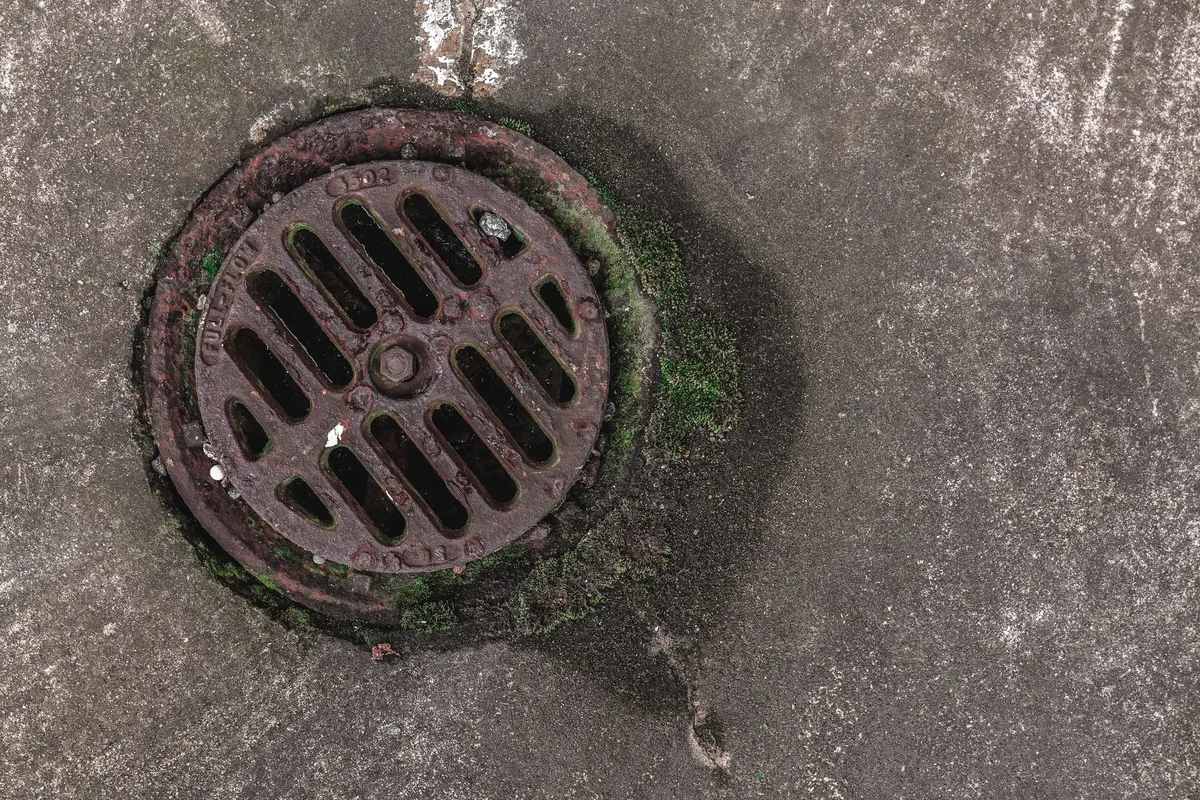
Image source: Pexels / Magda Ehlers (Pexels License)
If your drain is downhill from the unit, a simple hose setup works perfectly. Situate the dehumidifier on a stable surface, connect the hose directly to the outlet port, and secure it with a hose clamp if needed. Ensure the hose runs downward with no loops or dips that could trap water.
Any upward bend creates a siphon break and can cause backflow.
Built-in condensate pumps solve the uphill problem. These units push water vertically and horizontally against gravity, letting you drain into a sink, bathtub, or laundry stack even when the nearest drain sits above the dehumidifier. Pumps typically handle about 15 to 20 feet of vertical lift and 30 to 50 feet of horizontal run.
Check the specifications before purchasing if your installation requires lifting water, not all models include this feature, and retrofitting one later adds cost.
Placement within the room affects performance as much as drainage does. Set the unit away from walls and furniture with at least 12 to 18 inches of clearance on all sides. Air needs to flow in and out freely.
Placing it against a wall or tucked behind a sofa restricts intake and forces the fan to work harder. Central placement on a flat, level surface ensures the sensor reads accurately and the coil doesn’t collect standing water from condensation dripping unevenly.
Avoid placing the dehumidifier near heat sources like radiators, furnaces, or direct sunlight. Heat raises the air temperature around the unit, which makes the compressor cycle differently and can cause false readings on the humidistat. The goal is to place the unit where it samples representative room air, not the hottest or coldest spot in the space.
Smart Features That Make Sizing Easier Long-Term
Once you’ve landed on the right capacity, certain features protect that investment and keep your dehumidifier performing well as seasons change.
A built-in hygrometer with a programmable humidistat lets you set a target percentage and walk away. The unit kicks on when humidity rises above your setting and shuts off when it drops below. Most experts recommend 45 to 50 percent for general comfort and mold prevention.
Setting it to 40 percent or lower may be worth considering in particularly prone areas, though going below 30 percent can dry out wood furniture and musical instruments.
Auto-restart is another essential feature. Power outages happen, sometimes briefly, sometimes for hours. A dehumidifier with auto-restart returns to its previous settings once power returns.
Without it, you come home to a warm, humid space and have to manually reset everything. That’s a minor inconvenience multiplied across every storm season.
Digital controls with real-time humidity readouts help you verify the unit is working as intended. If the display reads 55 percent but you set it to 45 and the reading hasn’t moved in six hours, something is wrong, either the sensor is faulty or the unit is undersized for current conditions. An analog dial alone gives you less diagnostic information, which is fine for simple setups but limiting if you want to troubleshoot later.
Timer functions let you schedule operation during off-peak electricity hours or when you’re home to benefit from the drier air. Some units offer staggered scheduling, running harder at night when humidity naturally rises and conserving during the day. If your utility company charges time-of-use rates, this feature can shave noticeable dollars off your monthly bill.
Filter access matters more than people realize. Most dehumidifiers pull room air through a mesh filter before it reaches the coils. A clogged filter restricts airflow and forces the compressor to run longer.
Check your manual, some filters wash and reuse; others need replacement every few months. Either way, build filter maintenance into your seasonal routine and the unit will last years longer than one you never service.
Final Thoughts on Picking the Right Dehumidifier Size
Choosing the correct dehumidifier size comes down to three steps: measure your space, assess how damp it really is, and account for any special conditions that push moisture above baseline. Cross-reference those numbers against the pint chart, adjust for ceiling height and local climate, and you’ll land on a capacity that keeps your home comfortable without wasting energy on an oversized machine or falling short with an undersized one.
Don’t overcomplicate it. The chart covers most residential situations adequately. When in doubt, size up rather than down, a slightly larger unit cycling intermittently performs better than a borderline unit running at maximum capacity every hour.
That said, resist the urge to grab the biggest model available. Efficiency, noise, and cost all climb with capacity, and a 150-pint beast in a 400-square-foot bedroom achieves nothing except a higher electric bill.
Get the size right, set up drainage properly, maintain the filter, and your dehumidifier will disappear into the background, doing exactly what it should without complaint.

Table of Contents