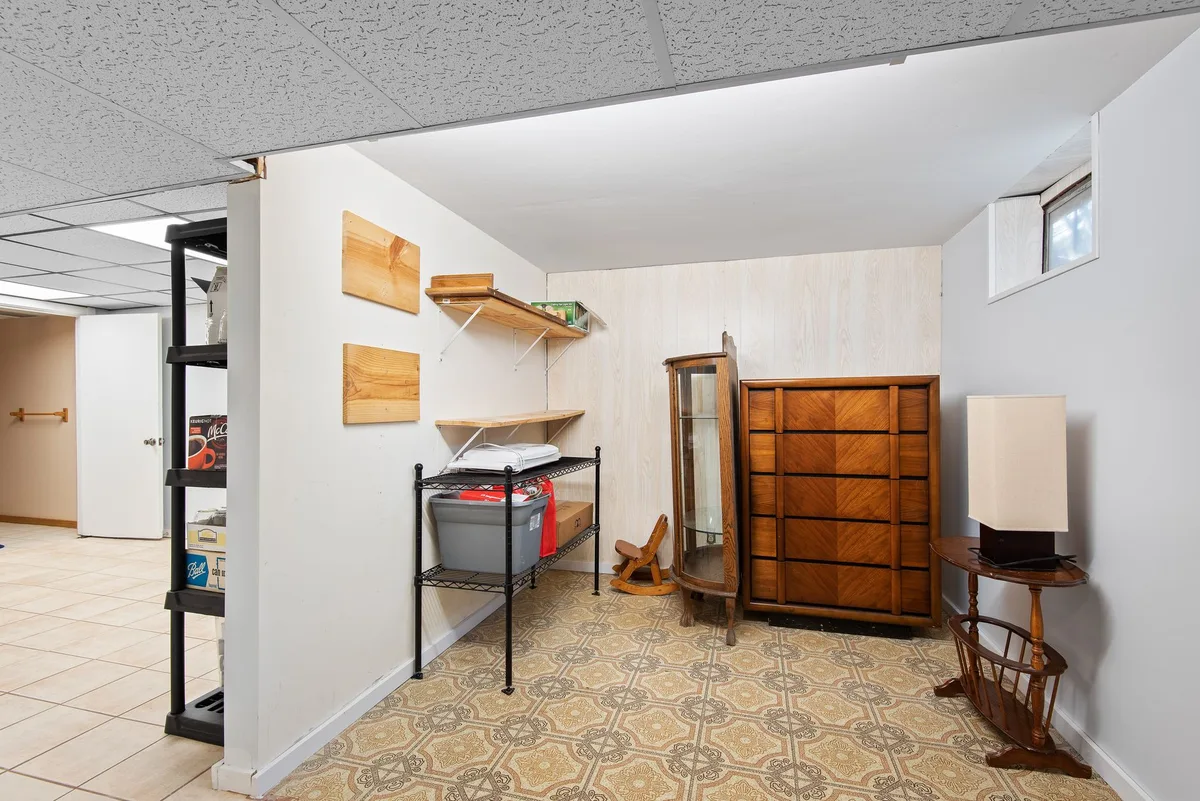
Image source: Pexels / Đỗ Huy Hoàng (Pexels License)
You’ve bought a dehumidifier. Great choice. But now you’re standing in your basement with a big boxy appliance and wondering: where exactly do I put this thing?
Getting the placement right makes the difference between a unit that quietly keeps your space comfortable and one that works overtime, drives up your energy bill, and still fails to curb the dampness. In this guide, we’ll walk through everything you need to know about positioning a dehumidifier effectively, whether it’s a basement, a crawl space, a laundry room, or any other area battling excess moisture.
Proper placement isn’t guesswork. It follows straightforward principles that any homeowner can apply. Let’s get into it.
Why Proper Placement Matters
A dehumidifier doesn’t work equally well from every spot in a room. Think about it, moisture moves through the air. Air circulates.
If you park your unit in a dead corner behind a workbench, the damp air never really reaches the intake. You’re basically asking a fish to drink water from across the room.
Here’s what good positioning actually does for you:
- It maximizes moisture removal. The unit pulls in air, cools it to condense water vapor, and releases drier air back out. That cycle works best when air flows freely around the machine.
- It saves energy. A poorly placed dehumidifier runs longer cycles trying to hit your target humidity. That burns more electricity without delivering better results.
- It extends the lifespan of your unit. When airflow is restricted, the compressor works harder. That puts extra strain on internal components and can lead to earlier failure.
The EPA recommends keeping indoor relative humidity between 30% and 50% to prevent mold growth and protect your home’s structure. Your dehumidifier is the tool that gets you there, but only if you place it correctly.
How to Locate and Install Your Basement Dehumidifier
The basement is the most common (and most challenging) place to run a dehumidifier. These spaces sit below grade, meaning they absorb ground moisture through the foundation walls and slab. They also tend to have low ceilings, exposed pipes, storage clutter, and uneven floors.
All of that affects where you should put your unit.
Choose a Central Location
Start by finding the center of the problem area. Walk around your basement and notice where condensation forms on windows, where the air feels heavi est, where musty odors are strongest. Don’t just pick the geometric center of the room, pick the center of the moisture zone.
If your basement has a particularly damp corner near a utility sink or an exterior wall, position the dehumidifier closer to that area rather than dead center. The goal is to bring dry air directly into the湿test zone.
Keep It Off the Floor When Possible
Concrete floors wick moisture and stay cold. Placing your dehumidifier directly on bare concrete can cause two problems. First, the cold floor can interfere with the unit’s ability to reject heat efficiently.
Second, you’re inviting water damage from potential leaks or overflow.
Use a sturdy platform, a piece of plywood, or a rubber mat to elevate the unit a few inches. This simple step improves airflow underneath and protects against standing water.
Ensure Easy Drainage Access
Most modern dehumidifiers offer two drainage options: a bucket you empty manually or a continuous drain hose you route to a floor drain or outside. If you’re using the bucket method, make sure you can reach it easily. No one wants to wrestle a full water container out from behind a furnace.
If you’re plugging in a drain hose, plan the path before you position the unit. The hose needs a clear downward slope from the dehumidifier to the drain point. Kinks, sharp bends, or uphill sections will block water flow and cause backups.
Secure a Stable, Level Surface
Dehumidifiers vibrate during operation. Place the unit on a flat, level surface so it doesn’t walk across the floor or tip. If you’re dealing with an uneven basement floor, use shims under the unit’s feet until it sits rock-steady.
An unlevel dehumidifier can trigger shutdown sensors or damage the internal pump.
Clearance and Spacing Requirements
This is the step most people skip, and it’s the one that hurts performance the most.
Your dehumidifier needs breathing room. The intake grille pulls air in, and the discharge grille pushes conditioned air back out. Block either one, and the unit chokes.
Here’s the clearance your machine needs:
| Side | Minimum Clearance |
|---|---|
| Back (wall side) | 6–12 inches |
| Sides | 6 inches each |
| Top | 12–18 inches |
| Front (intake area) | 2–3 feet of open space |
These numbers come from manufacturer specifications across major brands. Always check your owner’s manual, but these are safe general guidelines. The taller the unit, the more vertical clearance it typically demands, tower-style dehumidifiers need more headroom than compact box models.

Image source: Pexels / DΛVΞ GΛRCIΛ (Pexels License)
What Happens When You Skip Clearance
Push the dehumidifier flush against a wall and the intake starves. The unit senses restricted airflow and may shut down or run at reduced capacity. Even if it keeps running, you’ll notice higher humidity readings and a shorter lifespan for the compressor.
Stack boxes on top of it and you’re trapping hot, moist air right where the unit needs to expel it. The cycle repeats endlessly, the dehumidifier recirculates its own warm output instead of pulling in fresh damp air from the room.
Keep the perimeter clear. Store your seasonal gear elsewhere. Trust us, the extra five minutes of setup is worth it.
Best Locations for Different Room Types
Not every space has the same humidity profile. Here’s where to position your dehumidifier based on the room type.
Basements
Basements are the number-one territory for dehumidifiers. Position yours near the driest point you can access, usually close to a stairwell or interior wall where air circulates better than in a sealed-off corner. Avoid placing it against an exterior foundation wall unless that wall is the primary moisture source.
In that case, go ahead and position it there, but maintain full clearance on all sides.
If your basement has a sump pump, keep the dehumidifier at least a few feet away. The pump’s discharge line can spray water unexpectedly, and you don’t want to short out your appliance.
Laundry Rooms
Laundry rooms generate humidity from drying wet clothes and running machines. Place the dehumidifier as far from the washer and dryer as practical, you want it drawing in the humid air after it’s dispersed through the room, not right next to the source where it’ll be overwhelmed.
A corner opposite the laundry appliances works well. Make sure the lint trap stays clean too, a clogged dryer vent adds moisture AND fire risk.
Crawl Spaces
Crawl space dehumidifiers need special consideration. These units must be rated for crawl space use, they’re built to handle higher ambient temperatures and occasional flooding. Position the unit on a raised platform above the dirt floor, ideally near the center of the crawl space access point.
Route the drainage hose through the vapor barrier and out to a suitable exit point.
Don’t nestle it between joists or insulation. Give it the same clearance rules as above, and cover the unit with a breathable cloth if dust is a concern, but never seal it in plastic.
Whole-House vs. Portable Units
If you’re considering a whole-house dehumidifier tied into your HVAC system, placement is different. Those units install directly into your ductwork, usually near the air handler. You don’t choose a spot, the contractor does.
For portable units, you have the freedom to move them seasonally. Take advantage of that. Bring the dehumidifier into the most humid room during rainy months and store it away during dry spells.
Common Positioning Mistakes to Avoid
Even experienced homeowners make these placement errors. Learn from them.
Placing It Near Heat Sources
Don’t put your dehumidifier next to a water heater, furnace, or direct sunlight from a window. Heat raises the ambient temperature around the unit, which forces the compressor to work harder to condense moisture. The result is lower efficiency and potentially inaccurate humidity readings.
Hiding It Behind Furniture
We’ve all done it, shoved the unit behind a bookshelf or into a recessed alcove because it looked ugly. Aesthetic concerns are valid, but performance shouldn’t suffer for it. If concealment matters, consider a decorative screen or a tall plant nearby that doesn’t block airflow.
Some homeowners even route the dry air discharge through a simple duct extension to direct it where needed while keeping the unit visually tucked away.
Ignoring the Humidity Sensor Location
Most portable dehumidifiers have built-in hygrometers (humidity sensors) near the intake. If you block the intake with a wall or furniture, the sensor reads stale, stagnant air instead of the actual room humidity. The unit either runs constantly or shuts off prematurely, depending on what the faulty reading tells it.
Keep the intake area clear so the sensor sees real conditions.
Running It in an Unsealed Space
A dehumidifier in a garage with a perpetually open door? Useless. Same goes for a basement window left cracked during summer rain.
Close all openings first. The unit needs to work within an enclosed volume to pull the humidity down and hold it there. Open windows defeat the entire purpose.
Overlooking Sloped or Uneven Floors
Basement floors aren’t always level. If your dehumidifier sits on a slope, the water collection pan won’t function properly. The pump (if equipped) may not prime correctly, or water may pool inside the unit instead of draining out.
Use a level to check, and shim the feet as needed.
How to Maintain Your Basement Dehumidifier Long-Term
Positioning your dehumidifier correctly is only half the equation. Ongoing maintenance ensures it keeps performing at peak efficiency throughout its life. A well-maintained unit lasts years longer and uses less energy than one that’s neglected.

Image source: Pexels / FOX ^.ᆽ.^= ∫ (Pexels License)
Clean or Replace the Filter Regularly
Most dehumidifiers have an reusable air filter that traps dust, lint, and debris. Check it every two weeks during heavy use seasons. Rinse it under warm water, let it dry completely, and slide it back in.
If the filter looks worn or torn, replace it, they’re inexpensive and widely available.
A clogged filter restricts airflow just as badly as poor placement. Your unit will run longer, consume more power, and remove less moisture.
Empty the Bucket Before It Overflows
If you’re using the bucket drainage method, set a reminder. Empty the reservoir when it reaches the满 line, never let it sit overflowing. Some modern units have auto-shutoff sensors that kick in when the bucket is full, but relying on that feature alone means your humidity control pauses until you remember to check.
For a hands-off approach, switch to continuous drain mode with a hose routed to a floor drain. One less thing to worry about.
Inspect the Drain Hose Periodically
Even with a drain hose installed, mineral buildup and algae can clog the line over time. Once a month, disconnect the hose and flush it with a mixture of warm water and a splash of white vinegar. Reattach securely and confirm water flows freely.
Wipe Down the Exterior and Vents
Dust accumulates on the casing and intake grilles. A quick wipe with a damp cloth every few weeks keeps things looking clean and prevents dust from being pulled into the internal coils. Use a soft brush or compressed air to clear any buildup from the coils themselves, unplug the unit first, of course.
Store It Properly in Off-Season
If you live in a climate with dry winters and you won’t be using the dehumidifier for several months, clean it thoroughly, let everything dry completely, and store it in a sealed container or bag. Remove the bucket and store it separately so it doesn’t retain odors. A clean, dry storage environment prevents mold growth inside the unit while it’s idle.
Frequently Asked Questions
How many pints do I need for my basement?
A general rule of thumb: 10, 14 pints per day for a moderately damp basement up to 500 square feet. Heavily damp or larger spaces may need 30, 50 pints or more. The Environmental Protection Agency recommends monitoring indoor humidity with a hygrometer to determine your actual needs rather than guessing.
Should I close the doors to the room where the dehumidifier is placed?
Yes. Closing doors creates an enclosed space that the unit can effectively dehumidify. Opening doors lets humid air from other areas flow in and dilutes the effect.
If your basement is an open-concept layout, consider temporary barriers or a portable room divider.
Can I stack items on top of my dehumidifier?
No. Stacking anything on top blocks the hot air discharge and can warp or damage the casing. Leave that top surface completely clear.
Does the color of the dehumidifier matter for placement?
Not at all. Color has no impact on performance. Focus on airflow, clearance, and proximity to moisture sources instead.
What’s the ideal humidity level for a basement?
Aim for 30, 50% relative humidity. Below 30% can feel uncomfortably dry and may damage wooden furniture or musical instruments. Above 50% invites mold and musty odors.
Set your dehumidifier’s hygrometer target somewhere in the middle, around 45%, and let it do its job.
Wrapping It Up
Positioning a dehumidifier isn’t rocket science, but it does require attention to a few key factors: central placement in the moisture zone, adequate clearance on all sides, a stable and level surface, easy drainage access, and regular maintenance. Get those right and your unit will run efficiently, keep your space dry, and last for years.
Skip the clearance, hide it behind a shelf, or ignore the filter, and you’ll pay for it in higher electric bills, persistent dampness, and early replacement costs. The effort to place it correctly upfront pays dividends every day after.

Table of Contents