
Image source: Pexels / Tomé Louro (Pexels License)
You just invested in a good dehumidifier to fight musty air and keep your basement comfortable. Everything was going smoothly, until you realized there are little hands everywhere. Maybe your toddler started climbing toward that humming machine in the corner.
Or maybe you noticed the power cord dangling just low enough to be irresistible. That sinking feeling hits fast. A dehumidifier isn’t just an appliance.
It’s a water reservoir, an electrical device, and a potential hazard all rolled into one.
Childproofing your dehumidifier doesn’t mean taking it away. It means making smart adjustments so your kids stay safe while the unit does its job. You’ll lock the controls, secure the water tank, manage the cords, and maybe build a simple barrier.
It’s practical stuff. And honestly, it takes far less time than dealing with an emergency.
This guide walks you through everything you need to know. We’ll cover the real risks, the fixes that actually work, and the small habits that make a big difference. By the end, you’ll feel confident that your dehumidifier is safe around curious kids, without sacrificing performance or convenience.
Why Childproofing a Dehumidifier Matters
Kids and appliances don’t mix well unless you set boundaries first. A dehumidifier might seem boring from a distance, but up close it’s fascinating. Lights blink.
Buttons click. The fan hums. Then there’s the water, clear, visible, and often accessible when the tank needs emptying.
That combination draws kids right in.
The risks fall into three buckets: electrical, mechanical, and water-related. Electrical hazards come from exposed cords or tampered plugs. Mechanical risks involve the fan blades or hot surfaces near the exhaust.
Water dangers stem from spills that create slip hazards or expose wiring. Each one is real. Each one is preventable.
Consider this: the Consumer Product Safety Commission tracks thousands of injuries related to household appliances every year. Small children are especially vulnerable because they lack the coordination and judgment to understand danger. They pull.
They climb. They poke. Your job is to anticipate those impulses and remove the opportunity before anything bad happens.
Here’s the good news. You don’t need expensive baby-proofing kits or professional installation. Most fixes cost under twenty dollars and take ten minutes or less.
A few clever adjustments can turn a potential hazard into a kid-safe zone. Let’s get into how.
Locking the Control Panel and Settings
Modern dehumidifiers have control panels that do more than just turn on and off. They adjust humidity targets, set fan speeds, activate timers, and sometimes even lock themselves to prevent accidental changes. If yours has a built-in control lock feature, use it immediately.
It’s usually as simple as holding down two buttons for a few seconds until a lock icon appears. Check your manual, it takes about thirty seconds.
Not all units come with a lock function though. When that’s the case, you have options. Adhesive keypad locks are cheap, effective, and widely available.
These plastic covers snap over the control panel and require a key or combination to access the buttons. Installation is straightforward, most stick with strong adhesive tape. Just clean the surface first and press firmly.
The lock stays put and comes off cleanly when you need to change settings.
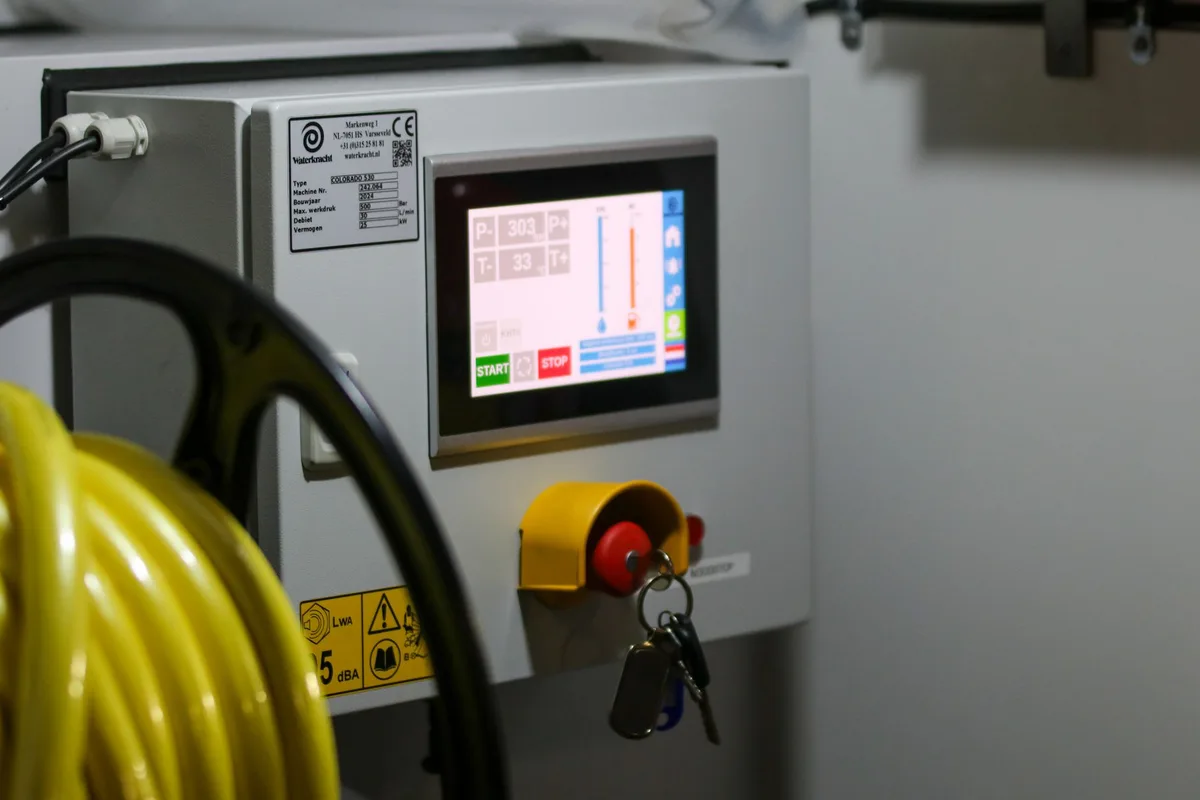
Image source: Pexels / Freek Wolsink (Pexels License)
Some parents prefer magnetic or screw-mounted lock boxes instead. Those offer sturdier protection and won’t peel off over time. A small lock box encloses the entire panel behind a keyed or combination latch.
You only open it when you want to adjust the humidity level or empty the tank. The rest of the time, the buttons stay hidden and out of reach.
Here’s something worth considering: even if your child is young, old siblings or visiting friends might fiddle with the settings. An unlocked panel invites experimentation. Wrong settings can cause the unit to run too long, overflow, or fail to maintain proper humidity levels.
Locking it protects the investment and prevents unnecessary service calls.
A tip worth following, label the lock-off reminder somewhere visible near the unit. Kids (and tired parents) forget things. A small sticky note that says “locked” or “check settings” keeps you honest about when locks were last disengaged.
Securing the Water Collection Tank and Drain Hose
The water tank is the most obvious temptation. Clear plastic means kids can see the rising water level. Easy-to-grip handles invite lifting.
And when that tank gets heavy, well, it also gets tricky to put back correctly. A misaligned tank triggers alerts, shuts down the unit, or worse, leaks across your floor.
The simplest fix is a tank lock. Many dehumidifiers include a latch or clip that secures the drawer once it slides in. Make sure you’re using it every time.
If your model lacks one, aftermarket tank safety clips work well. They wrap around the tank edge and anchor it to the unit’s frame. Removal requires a deliberate squeeze or twist that small fingers can’t manage.

Image source: Pexels / Wanchai Thiantanawat (Pexels License)
If you’ve switched to continuous drain mode, the hose becomes the new concern. Loose hoses detach easily, spraying water everywhere. Use hose clamps or zip ties to secure the connection point.
Route the hose along walls rather than across open floors where kids trip over it. And if the hose runs outside, consider a short section of rigid conduit to protect it from damage and discourage pulling.
Tank alarms matter too. Almost every quality dehumidifier sounds an alert when the full tank needs attention. Keep that alarm enabled at all times.
It’s your early warning system. If your unit supports it, enable the auto-shutoff feature so the compressor stops when the tank reaches capacity. No one wants a flooded basement because someone knocked the water tank sideways.
One habit I strongly recommend: establish a “check routine.” Empty the tank at a consistent time each day, morning coffee, after dinner, whatever works. Consistency builds habits for you and signals to older kids that this area is off-limits during normal play. When they learn the rhythm, they stop approaching the unit unsupervised.
Managing Power Cords and Placement
Cord management separates the amateurs from the parents who actually prevented the accident. A loose power cord is a tripping hazard, an electrocution risk, and a toy all at once. Kids yank.
They chew. They wrap cords around their arms and drag the entire unit across the room with it. Don’t let that happen to you.
Start with placement. Position your dehumidifier against a wall, not in the middle of a walkway. Keep it away from high-traffic areas where running feet might knock into it.
Ideally, tuck it into a corner where airflow is still good but movement around it is limited. If your space allows, place it on a stable, level surface, concrete floors work best. Avoid raised platforms that curious climbers could use as a step stool.
Now tackle the cord itself. Use cord covers, those rubber channels that lay flat on the floor and protect cables from crushing and chewing. They’re inexpensive and come in various lengths.
Route the cord along the baseboard and under the cover so it runs straight to the outlet with no loops or slack.
Outlet covers matter too. If the plug sits low and accessible, use sliding outlet plates instead of the cheap plastic inserts. Sliding plates require a tool or deliberate two-handed action to open, much harder for little fingers.
Some parents also install outlet boxes that fully enclose the plug when not in use, offering an extra layer of protection.
Elevating the unit slightly can also help. A shallow plastic platform raises the dehumidifier a couple inches and creates a gap underneath where cords can route away from direct access. This also improves airflow around the intake vents, which helps the unit run efficiently.
Just make sure the platform is sturdy and non-slip so the heavy machine doesn’t slide around.
Using Physical Barriers and Childproof Covers
Sometimes locks and cord management aren’t enough, and that’s okay. Physical barriers provide a last line of defense, especially for homes with multiple young kids or toddlers who’ve figured out latches and clips. Gate-style barriers work remarkably well for freestanding dehumidifiers.
These freestanding mesh or solid panels attach to the unit itself or sit beside it, creating a small enclosed zone that kids can’t enter.
You can also use adjustable baby gates. Position them to block access to the area around the dehumidifier without restricting your own movement. The key is finding a configuration that feels natural for your layout.
Open-concept basements need wider gate spans, while cramped utility rooms might suit a smaller barrier that hugs the corner.
For a minimalist approach, consider a childproof appliance cover. These fabric or mesh sleeves slip over the top and sides of the dehumidifier, leaving only the front panel visible. They’re breathable, so they don’t interfere with airflow, and they hide the controls completely.
Older kids can’t press buttons through thick fabric. Toddlers can’t grip the handle to pull the tank out. The cover stays on whenever the unit runs and comes off only when you’re actively maintaining it.
A few caveats to keep in mind. Never block the air intake or exhaust vents with any barrier material, that causes overheating and reduces efficiency. Always leave adequate clearance around the unit as specified in your manual.
And make sure any cover you choose is flame-retardant and clearly labeled as safe for use near electrical appliances.
If you’re using decorative furniture or shelving near the dehumidifier, consider anchoring those pieces to the wall too. Kids love to climb on anything stable-looking, and an overturned bookcase landing on an active appliance is a nightmare scenario. Anti-tip straps cost pennies and provide serious peace of mind.
Teaching Kids About Dehumidifier Safety
Physical protections buy you time, but they don’t teach responsibility. As your children grow, they’ll outsmart locks, climb over gates, and figure out covers. The real long-term solution starts with conversation.
Explain simply and directly what the machine does and why it’s not a toy.
Use age-appropriate language. For toddlers, keep it short: “This machine gets hot. We don’t touch it.” Repeat that phrase consistently.
Kids absorb repetition better than complex explanations. For school-age children, go a step further. Show them how the water tank works.
Explain why emptying it matters. Give them a specific job, like pressing the release button when you tell them to, so they feel involved instead of restricted.
Set clear house rules. No climbing near the dehumidifier area. No pulling cords.
No touching the unit while it’s running. Enforce these rules the same way you’d enforce “don’t touch the stove.” Consistency is what turns a suggestion into a habit.
Model safe behavior yourself. Close the tank gently. Plug and unplug with care.
Store tools and accessories out of sight after maintenance. Kids mirror what they observe more than what they’re told. If you treat the dehumidifier with respect, they will too.
Also discuss the “why” behind safety when they’re old enough to understand cause and effect. A loose cord can shock someone. A tipped-over tank can flood valuable belongings.
These aren’t imaginary threats, they’re real consequences that happen when people ignore basic precautions. Giving kids that context builds genuine respect rather than blind obedience.
Frequently Asked Questions
Can I childproof a dehumidifier without buying extra products?
Yes, to a degree. Moving the unit against a wall, routing the cord neatly, keeping the tank locked, and supervising closely covers a lot of ground. But dedicated locks and cord covers cost very little and make a noticeable difference.
Think of them as insurance, cheap compared to the alternative.
What’s the best age to start childproofing around appliances like this?
From the moment your child starts mobile. Crawling babies pull themselves up on anything sturdy. Walking toddlers explore everything within reach.
There’s no downside to setting up protections early. It’s easier to maintain a safe environment than to react after an incident.
Do dehumidifier locks void the warranty?
Almost never. Standard adhesive keypad covers and magnetic lock boxes don’t modify the unit itself. They simply restrict access.
That said, avoid drilling holes or permanently altering the housing. Stick to aftermarket products designed specifically for appliance control panels, and you’ll be fine.
How do I know if my dehumidifier is safe around kids?
Look for units with built-in control locks, auto-shutoff when the tank is full, and cool-touch exteriors. Check the CPSC website for any recalls on your model. Read reviews from other parents.
And trust your instincts, if something feels risky, it probably is.
Final Thoughts
Childproofing a dehumidifier boils down to three principles: limit access, secure hazards, and educate your kids. Lock the controls. Secure the tank and hose.
Manage the cord. Add a barrier if needed. And talk to your children about why these steps exist.
The effort is minimal. The payoff is enormous. Your home stays dry, your kids stay safe, and you stop worrying every time you hear that familiar humming sound from the next room.
That’s a win worth fifteen minutes of work today.

Table of Contents