Let’s talk about peeling. It’s one of those daily kitchen tasks that can be a bit of a chore. You’ve got potatoes, carrots, apples, maybe even some butternut squash. wrestling with a stubborn peel can be frustrating.
That’s where the humble, yet mighty, swivel peeler comes in. It’s a simple tool, really, but it makes a world of difference in the kitchen.
You might have seen one. It’s that peeler with the blade that seems to move and twist on its own. But what exactly is a swivel peeler, and why has it become such a staple in kitchens everywhere?
We’re about to dive deep into this everyday hero.
Understanding the Swivel Peeler: Design and Function
At its heart, a swivel peeler is designed for one thing: efficient and easy peeling. It’s not a static blade; that’s the key difference. The blade is mounted on a pivot, allowing it to swivel or rotate.
This movement is what gives it its name and its superior performance.
The Swiveling Blade: How It Works
Think of the blade on a standard Y-peeler or a straight peeler. It’s fixed. You have to angle your wrist and the peeler to follow the curve of the vegetable.
The swivel peeler‘s blade, however, is designed to glide. As you pull it across the surface of a fruit or vegetable, the blade automatically adjusts its angle. This gives you a continuous, smooth peeling action.
This pivoting action is incredibly clever. It means the peeler naturally follows the contours of whatever you’re peeling. You don’t have to work as hard to get an even strip of peel.
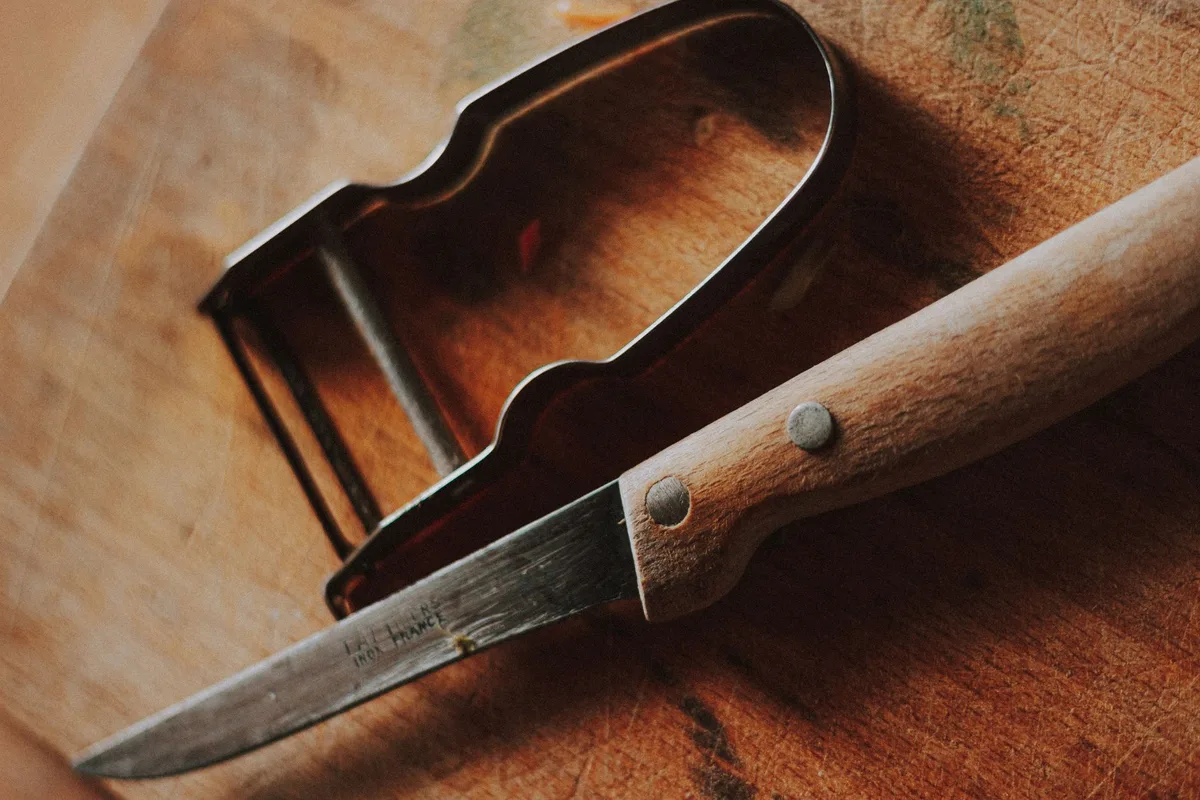
Material Matters: Blade and Handle Construction
The blade itself is usually made from stainless steel. This is a no-brainer for kitchen tools. Stainless steel is durable, corrosion-resistant, and it can hold a sharp edge.
Some premium models might feature ceramic blades, which stay sharper for longer but can be more brittle.
The handle is often made from plastic or a combination of plastic and rubber. The goal is comfort and a good grip, even if your hands are wet. A non-slip grip is a real selling point because nobody wants a peeler slipping out of their hand when they’re dealing with sharp blades and potentially slippery produce.
Comparing Swivel Peelers to Other Peeler Types
It’s worth noting how a swivel peeler stacks up against its kitchen cousins.
- Y-Peelers: These are the ones where the blade is set across a Y-shaped frame. Many people find Y-peelers very comfortable, and their wide blades can be excellent for things like potatoes. The swivel action is still there, of course, but the overall shape differs.
- Straight Peelers (Julienne Peelers): These have a long, straight blade angled slightly. They’re great for precise work, like creating julienne strips of carrots or paring apples. They lack the automatic angle adjustment of a swivel peeler, making them less forgiving on rounded surfaces.
- Rotary Peelers: These are a bit less common. They often have a circular blade that rotates. The swivel peeler is generally considered more versatile for everyday tasks than a rotary peeler.
The swivel peeler has a distinct advantage: its ability to adapt to different shapes. That’s its superpower.
The Benefits of Using a Swivel Peeler
Why should you swap your old peeler for a swivel version? The advantages are clear and, frankly, make cooking more enjoyable.
Effortless Peeling for All Skill Levels
This is the big one. The swivel mechanism dramatically reduces the effort required. You don’t need massive wrist strength or an expert hand to get clean peels.
This makes it ideal for:
- Beginners: Anyone new to cooking can pick one up and get great results.
- Seniors or those with hand issues: The reduced strain is a massive benefit. If you find gripping or twisting difficult, the swivel peeler is a game-changer.
- Anyone who wants to save time: Faster peeling means more time enjoying your meal.
The peeler does a lot of the work for you. You simply guide it, and the blade does the adapting. It’s about making kitchen tasks accessible and less tiring.
Superior Performance on Various Produce
That adaptable blade isn’t just a gimmick; it’s functional genius. A swivel peeler excels with:
- Round vegetables: Potatoes, apples, pears. The blade glides over the curves effortlessly, ensuring you get all the skin without taking huge chunks out of the flesh.
- Irregular shapes: Think of some root vegetables or even parsnips. The swivel peeler can navigate those bumps and dips far better than a fixed-blade peeler.
- Soft fruits: Tomatoes or peaches, where you need a light touch. The controlled action helps prevent bruising.
It’s about getting a clean, consistent peel every time. No more frustrating gouges or missed spots.
Enhanced Safety Features
While any peeler carries some risk, the swivel design can actually enhance safety. Because the blade follows the natural contours of the food, you’re less likely to slip. You don’t need to apply as much force or make aggressive wrist movements.
This means less chance of the blade skittering off and cutting your fingers.
A good, ergonomic handle also contributes to safety. A comfortable, secure grip means better control over the tool.
How to Effectively Use a Swivel Peeler
Using a swivel peeler is straightforward, but a few tips can make the process even smoother.
The Basic Technique: Pull, Don’t Push
The most common way to use a swivel peeler is to pull it towards you.
- Grip the Handle: Hold the peeler firmly but comfortably. Your thumb can rest on the top of the handle for stability.
- Position the Blade: Place the blade flat against the surface of the fruit or vegetable.
- Pull Towards You: Apply light, even pressure and pull the peeler towards you. The swivel action will allow the blade to follow the shape.
- Repeat: Overlap your strokes slightly to ensure you don’t miss any spots. Move around the produce, peeling in strips.
While pulling towards you is standard, some people find a gentle pushing motion works on certain items. Experiment to see what feels most natural. The key is gentle, consistent pressure.
Dealing with Different Types of Produce
- Potatoes: Start at one end and work your way around. The swivel action handles the roundness beautifully.
- Carrots: A quick, direct pull will peel a carrot efficiently.
- Apples and Pears: These are where the swivel peeler truly shines. The blade easily follows the curves, leaving you with a beautifully peeled piece of fruit.
- Citrus Zest: For a delicate strip of zest (avoiding the bitter white pith), you can use a very light touch with the swivel peeler. However, specialized zesters exist for this specific purpose.
- Harder Vegetables: Things like butternut squash or sweet potatoes can be peeled effectively, but you might need to apply a little more pressure. For very thick skins, a sharp knife might still be your first step. Some people find it easier to use a swivel peeler on these items with a firm grip on the vegetable and a gentle but firm pulling motion.
If you’re working with larger items, consider using a sturdy cutting board on a non-slip surface for stability.
Tips for Maximum Efficiency and Safety
- Keep it Sharp: A dull peeler is more dangerous than a sharp one. It requires more force, increasing the risk of slipping. If your peeler starts feeling sluggish, it might be time for a new one or a sharpening if the design allows.
- Wash Produce First: Always wash your fruits and vegetables before peeling. This removes dirt and pesticides, preventing them from contaminating your food.
- Work Over a Sink or Bowl: Peels can create a mess. Peeling directly into a sink or a compost bowl makes cleanup much easier.
- Clean Immediately: Rinse your peeler under running water right after use. Food particles can get stuck in the swivel mechanism, so a quick clean prevents buildup.
Maintenance and Care for Your Swivel Peeler
A good swivel peeler should last you years with proper care. It’s not complicated.
Cleaning Your Swivel Peeler
The most important part of maintenance is cleaning.
- Rinse Thoroughly: After each use, rinse the peeler under hot, running water. This washes away most food debris.
- Use a Brush (If Needed): For stubborn bits stuck in the swivel mechanism or around the blade, use a small cleaning brush or even an old toothbrush. Be careful!
- Dishwasher vs. Hand Washing: Many swivel peelers are dishwasher safe. Check the manufacturer’s instructions. However, I often find that a quick hand wash is faster and more effective at preventing long-term damage to the blade or handle. High heat and harsh detergents in a dishwasher can sometimes dull blades over time.
- Dry Completely: Always dry your peeler thoroughly with a towel before storing it. This prevents rust and water spots, especially on the metal parts.
Storing Your Swivel Peeler
Proper storage protects the blade and keeps your drawer organized.
- Dedicated Drawer Space: Give your peeler its own spot. Avoid tossing it in with sharp knives where it can get damaged or damage other utensils.
- Protective Sheath: Many swivel peelers come with a plastic cover for the blade. Always use this when storing the peeler, particularly if you keep it in a drawer with other items. This protects the blade and also prevents accidental cuts when reaching into the drawer.
- Hanging: Some peelers have a hole in the handle, allowing you to hang them from a hook. This is a great way to keep them easily accessible and off the counter.
When to Replace Your Swivel Peeler
Even the best tools have a lifespan. You’ll know it’s time to replace your swivel peeler when:
- The blade is dull and won’t sharpen: If you’ve tried to sharpen it (if it’s a model that allows for this) and it still struggles to cut through peels, it’s likely time for a new one.
- The swivel mechanism becomes stiff or loose: If the blade no longer moves freely or feels wobbly, it’s lost its efficiency and can be a safety concern.
- The handle is damaged: Cracks or breaks in the handle compromise your grip and can make the peeler unsafe to use.
Don’t underestimate the impact of a good peeler. It transforms a tedious task into a breeze.
Beyond the Basics: Advanced Uses and Considerations
While primarily for fruits and vegetables, the swivel peeler has a few other tricks up its sleeve.
Peeling for Specific Culinary Techniques
- Garnishes: You can use a swivel peeler to create thin ribbons of citrus zest for cocktails or desserts, though a channel knife is often preferred for precise peel removal from lemons or oranges. For broad strips of lemon peel for infusing a dish, a swivel peeler works well.
- Chocolate Curls: With a firm bar of chocolate and a sharp swivel peeler, you can create delicate chocolate curls for decorating cakes and pastries. This takes a bit of practice and a room-temperature chocolate bar.
- Thin Vegetable Ribbons: For salads or as a garnish, you can create thin ribbons of ingredients like zucchini, carrots, or Parmesan cheese using a swivel peeler. This offers a more refined presentation than chopped pieces. It’s a quick alternative to a mandoline for light tasks.
Choosing the Right Swivel Peeler for You
With so many options on the market, what should you look for?
- Ergonomics: How does it feel in your hand? This is subjective. Try to hold it if possible.
- Blade Quality: Sharp, durable stainless steel is standard. Ceramic is an option for longevity but requires more care.
- Grip: A non-slip material on the handle is a huge plus.
- Build Quality: Does it feel solid? Does the swivel action feel smooth and precise?
- Ease of Cleaning: Can you easily get to the nooks and crannies?
A good peeler doesn’t have to be expensive. Many budget-friendly options perform exceptionally well. For instance, a sturdy design that’s easy to clean after vegetable prep is paramount.
Swivel Peelers and Food Safety
While the peeler itself isn’t a direct food safety device, its efficiency contributes to better food prep.
- Thorough Removal: Efficiently removing the peel means removing any potential surface contaminants like pesticides or dirt.
- Reduced Contamination Risk: Because you don’t need to apply excessive force, the risk of slipping and cutting yourself is lower. Cuts can lead to cross-contamination if not handled properly.
For extensive produce preparation, ensuring your cutting surfaces are clean is just as vital.
The Swivel Peeler: An Indispensable Kitchen Companion
So, that’s the lowdown on the swivel peeler. It’s more than just a gadget; it’s a carefully designed tool that makes a common kitchen task significantly easier and more efficient. Its pivoting blade is its secret weapon, adapting to the curves and contours of produce, reducing effort, and enhancing safety.
Whether you’re a seasoned chef or just starting out in the kitchen, a good swivel peeler is an investment that pays off with every potato you peel, every carrot you prep, and every apple you core. It’s a small tool that brings big convenience. Don’t underestimate the power of a well-designed peeler; it might just become your go-to kitchen companion.

Table of Contents