Your spatulas are workhorses in the kitchen. We use them for everything from flipping pancakes and scraping bowls to spreading icing and stirring sauces. But how do you keep them organized, clean, and readily available without them becoming a tangled mess?
Proper spatula storage isn't just about tidiness; it's about extending their lifespan and ensuring they’re always ready for action.
We’ve all seen that dreaded drawer jam, where pulling out one spatula means a cascade of silicone and plastic. Or maybe your favorite heat-resistant spatula is warped from being crammed next to something hot. It doesn't have to be that way!
Let's break down the best ways to store kitchen spatulas, so they stay in top condition and make your cooking life easier. We’ll cover everything from simple drawer solutions to wall-mounted marvels, ensuring your spatulas are always within reach and looking their best.
There are many types of spatulas, too. You’ve got your flexible silicone ones, your sturdy nylon or plastic versions, and your classic metal offset spatulas. Each material might have slightly different needs, but the principles of good storage remain the same: protect them from damage, keep them clean, and make them easy to find.
Why Smart Spatula Storage Matters
You might think, "It's just a spatula, what’s the big deal?" But trust me, the way you store these essential tools impacts their performance and longevity.
Protecting Your Investment
A good spatula isn't cheap, especially if you opt for high-quality silicone or heat-resistant materials. Storing them improperly can lead to permanent damage. Think melted edges, warped handles, or scraped surfaces.
These aren't just aesthetic issues; they can affect how well the spatula performs its job. A warped edge won't scrape a bowl clean, and a melted tip is a definite no-go.
Maintaining Hygiene
Kitchen tools need to be clean. When spatulas are tossed into a drawer haphazardly, they can pick up crumbs, dust, or even residue from other less-than-clean utensils. Proper storage minimizes contact with unsanitary elements, keeping your spatulas ready for food prep.
This is especially crucial for spatulas that come into direct contact with food, like those used for baking or serving.
Enhancing Kitchen Efficiency
How many times have you rummaged through a drawer, desperately seeking that one specific spatula, only to pull out a tangled mess? Or worse, you grab the wrong one for the task at hand? Organized storage means you can grab the right tool for the job quickly and without frustration.
This saves you time and reduces kitchen chaos, especially during busy meal prep or cooking sessions.
Preventing Damage
Heat is a spatula's enemy, especially for the silicone and plastic varieties. Storing them near the stovetop or oven without protection can cause them to melt or warp. Similarly, sharp edges of other utensils can scratch or cut into delicate silicone spatulas, creating nicks and compromising their smooth surface.
Understanding Different Spatula Types and Their Storage Needs
While many storage solutions work for most spatulas, understanding the nuances of common types can help you choose the best method.
Silicone Spatulas
These are incredibly popular because they're flexible, heat-resistant, and gentle on non-stick cookware. However, they can absorb odors if not cleaned properly and can melt if exposed to extreme heat.
- Storage Key: Keep them away from direct heat sources. Avoid storing them with sharp objects that could create nicks. A simple utensil crock or drawer organizer works well.
Nylon and Plastic Spatulas
These are often more affordable and come in various shapes and sizes. While generally durable, some can warp or melt at lower temperatures than high-quality silicone.
- Storage Key: Similar to silicone, avoid direct heat. Ensure they're completely dry before storing to prevent mold or mildew, especially if they have any textured handles.
Metal Spatulas (Offset, Turner, etc.)
These are built for tougher tasks like flipping burgers or spreading frosting. Their rigid nature means they’re less prone to melting but can scratch other cookware or surfaces.
- Storage Key: Keep them separate from delicate items. Their metal edges can dull or scratch plastic or silicone if stored together loosely. An organizer that keeps them from clanging against each other is ideal.
Wooden Spatulas
These classic tools are beautiful and durable but require special care. They can warp, crack, or develop mold if left wet for too long.
- Storage Key: Always ensure they are completely dry before storing. Avoid dishwashers. Storing them upright in a crock allows air to circulate, preventing moisture buildup. We’ve discussed how to care for wooden items like cutting boards, and the principles are similar, proper drying and occasional oiling are key to longevity. For instance, oil for bamboo cutting board can also be good for wooden utensils in general, helping to maintain their condition. And remember, how often should you oil a cutting board can give you a clue about the general maintenance needs of wood.
Top Storage Solutions for Kitchen Spatulas
Now, let's dive into the practical, actionable ways to store your spatulas. We’ll look at a range of options to fit different kitchen styles and needs.
1. The Utensil Crock or Holder
This is perhaps the most classic and straightforward method. A decorative crock or a simple stainless-steel holder placed on your countertop keeps spatulas upright and easily accessible.
- How it works: Simply rinse and dry your spatulas, then place them handle-first into the crock.
- Pros: Very convenient. Keeps frequently used spatulas within arm's reach. Adds a decorative element if you choose a nice crock. Minimal installation required.
- Cons: Can take up counter space. If overstuffed, spatulas can get tangled, making it hard to pull one out without dislodging others. Ensure the crock is tall enough to prevent spatulas from falling out.
- Best for: Cooks who use spatulas frequently and appreciate easy access.
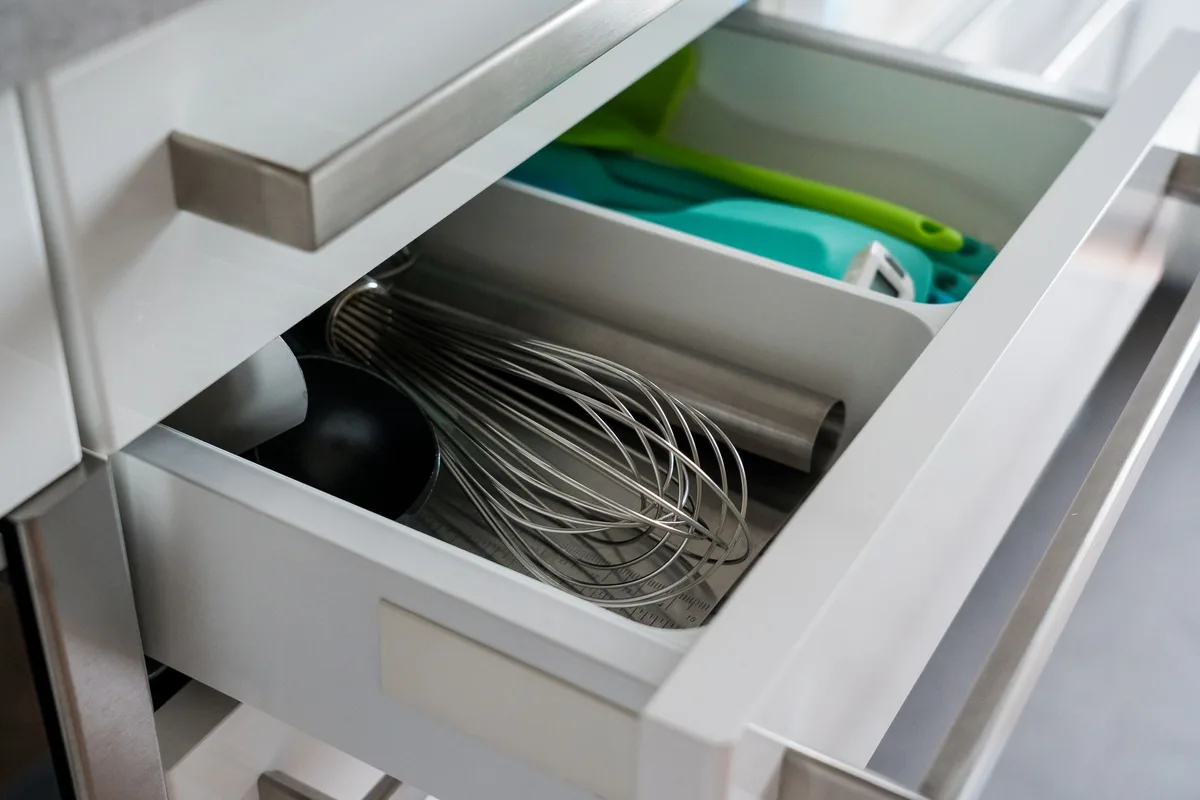
Image source: Pexels / Castorly Stock (Pexels License)
2. Drawer Organizers
If countertop clutter isn't your style, a well-designed drawer organizer is your best friend. These come in various materials and configurations to keep spatulas separated and tidy.
- How it works: Place spatulas in designated compartments within the organizer. You can often arrange them by type or size.
- Pros: Keeps drawers neat and prevents tangling. Protects spatulas from dust and grime. Maximizes drawer space.
- Cons: Requires a dedicated drawer. Might not accommodate very long spatulas.
- Types to consider:
- Adjustable Drawer Dividers: These let you customize compartments to fit your spatulas perfectly.
- Compartmentalized Trays: Trays with pre-made sections are great if they fit your spatula sizes.
- DIY Solutions: Even a simple cardboard box cut to size can work wonders in a pinch!
3. Wall-Mounted Racks and Hooks
For ultimate accessibility and to free up drawer and counter space, consider wall storage.
- How it works: Install a rail with S-hooks, or use individual magnetic strips or pegboard systems. Spatulas can be hung by their handles.
- Pros: Frees up valuable drawer and counter space. Makes spatulas highly visible and easy to grab. Can add a professional kitchen aesthetic.
- Cons: Requires installation (drilling). Spatulas are exposed to kitchen air, so they need to be clean and dry. Might not be suitable for all kitchen decor styles.
- Tip: If using S-hooks, ensure the hooks are large enough to easily slip the spatula handle on and off.
4. Magnetic Strips
A magnetic strip mounted on the wall or inside a cabinet door is a sleek and modern solution.
- How it works: Most spatulas have metal embedded in their handles or are entirely metal. Simply attach them to the magnetic strip.
- Pros: Visually appealing and space-saving. Easy to attach and remove spatulas.
- Cons: Only works for spatulas with magnetic properties. Requires a dedicated wall or cabinet space.
- Alternative: If your spatulas aren't magnetic, you can sometimes add small metal washers or discs to the handles (ensure they're food-safe and securely attached) to make them compatible.
5. Vertical Storage Solutions (e.g., Tension Rods in Cabinets)
Sometimes, the best storage is simply creating vertical dividers within existing cabinets or drawers.
- How it works: In a deep drawer or cabinet, you can use tension rods to create compartments where spatulas can stand upright. A tension rod can separate them, or you could even use short hanging baskets or organizers.
- Pros: Utilizes often-wasted vertical space. Highly customizable. Keeps spatulas from lying on top of each other.
- Cons: Might require a bit of DIY setup. Spatulas are not as immediately visible as in a crock.
6. The "Bundled" Method (for travel or limited space)
If you're packing spatulas for a picnic, camping, or have extremely limited space, bundling can work.
- How it works: Wrap spatulas together using a rubber band, a reusable silicone tie, or even a strip of fabric. For added protection, place them in a dedicated bag.
- Pros: Compact and portable. Prevents tangling when stored together.
- Cons: Not ideal for everyday kitchen use as it can make individual spatulas harder to access. Ensure they are completely clean and dry before bundling.
Tips for Optimal Spatula Storage
Beyond choosing a method, a few extra habits will ensure your spatulas stay in tip-top shape.
Keep Them Clean and Dry
This is non-negotiable. Always wash and thoroughly dry your spatulas before storing them. Moisture is the enemy, leading to mildew, mold, and potential damage to wooden handles.
For silicone, ensure no food residue remains, as this can attract pests or become sticky.
If you're keen on keeping your kitchen tools pristine, you might also be interested in how you maintain other kitchen items. For instance, keeping cutting boards clean and sanitized is vital. Learning how to sanitize a cutting board without bleach is a great skill, just like knowing how to properly store your spatulas.
Avoid Extreme Heat
This is particularly important for silicone and plastic spatulas. Never store them directly next to or on top of hot appliances like the stove or oven vent. Even residual heat can cause them to warp or melt over time.
Separate Sharp Utensils
If you’re storing spatulas in a drawer alongside knives or other sharp tools, make sure they’re in separate compartments. The sharp edges can easily nick and damage silicone or plastic, reducing their effectiveness and lifespan. Many drawer organizers have specific sections for different utensil types, which is perfect for this.
Group Like with Like
Store your silicone spatulas together, your metal ones together, etc. This makes it easier to grab the right tool for the job and prevents incompatible materials from damaging each other. For example, storing metal spatulas with delicate non-stick spatulas could lead to scratches.
This is a bit like choosing the right tools for specific tasks, you wouldn't use a blender for protein shakes if you needed to chop vegetables; a food processor for chopping vegetables is the better choice.
Consider Hanging for Airflow
For wooden spatulas or those with porous handles, hanging them allows for better air circulation, which is crucial for drying and preventing mold. This also applies to silicone spatulas if you live in a humid environment.
Regular Inspection
Take a moment during cleaning or organizing to inspect your spatulas. Look for any signs of wear, melting, cracking, or excessive staining. If a spatula is significantly damaged, it might be time to replace it for safety and hygiene reasons.
Creative and Niche Spatula Storage Ideas
Spatulas aren't just for baking cakes; they're used in so many culinary adventures! Thinking about how you use them can inspire unique storage.
For the Avid Baker
Bakers often have a variety of spatulas for different tasks, scraping bowls, folding batter, spreading icing.
- Solution: A tiered drawer organizer or rotating countertop carousel for spatulas can keep them separated by function. Assign specific spatulas for dough work and others for frosting. This is akin to having specific knives for bread versus prepping vegetables, much like how you'd choose the best cutting board for vegetables versus meat.
For the Smoothie Enthusiast
If you're constantly making smoothies, you might use spatulas to scrape down the sides of your blender jar.
- Solution: Keep a dedicated, slim spatula right next to your blender. A magnetic strip on the side of your blender's cupboard or a small holder attached to the appliance itself could work. This ensures that when you open up your blender for thick smoothies, the scraping tool is immediately at hand. A personal blender for protein shakes also benefits from having its companion scraper nearby.
For the Small Kitchen Dwielder
Space is at a premium. Every inch counts.
- Solution: Vertical storage is key. Think pegboards with hooks, hanging spice racks repurposed for utensils, or magnetic knife strips with utensil hooks. Even the inside of cabinet doors can host shallow organizers. If you're trying to maximize space, consider multi-functional tools. For instance, a good food processor for the money can handle many tasks, but specialized tools still have their place.
For the Heat-Resistant Specialist
Some spatulas are designed for high heat, perfect for stirring caramel or flipping delicate fish in a hot pan.
- Solution: While these are more durable, storing them with extreme care is still wise. A utensil crock near the stove is fine, but ensure they aren't touching other materials that could scratch them. Avoid packing them tightly in drawers where their edges might get compressed.
For the Gadget Lover
If you have an array of funnels, whisks, and peelers, your spatulas can join the party.
- Solution: A pegboard system allows you to hang almost anything. You can customize it to hold all your commonly used utensils, keeping them visible and organized. This creates a dynamic and adaptable storage setup.
Cleaning and Maintaining Your Spatulas for Longevity
Proper storage is only part of the equation. Regular cleaning and maintenance ensure your spatulas are always ready to perform.
Dishwasher vs. Hand Washing
- Silicone and Plastic: Most high-quality silicone and plastic spatulas are dishwasher safe. However, repeated exposure to high heat and harsh detergents can sometimes dull their finish or degrade the material over time. For best results, consider hand washing them, especially if they're your favorites. If you do use the dishwasher, place them on the top rack away from heating elements.
- Metal: Metal spatulas are generally dishwasher safe, but hand washing can prevent water spots and maintain their shine.
- Wooden: Never put wooden spatulas in the dishwasher. The excessive water and heat will cause them to warp, crack, or become permanently damaged. Always hand wash wooden spatulas with mild soap and water, then dry them immediately and thoroughly.
Dealing with Stains and Odors
- Silicone: Silicone can sometimes absorb strong odors (think garlic or curry). To de-odorize, try soaking them in a solution of baking soda and water, or rubbing them with lemon juice. For stains, try a paste of baking soda and water, or a gentle scrub with a non-abrasive sponge.
- Wooden: For stains on wooden spatulas, a paste of baking soda and water can often lift them. For stubborn odors, you might need to lightly sand the affected area with fine-grit sandpaper and then re-oil. This resurfacing process is similar to what you’d do for a scratched cutting board. You can find guidance on how to finish a cutting board food safe that can give you ideas about proper surface treatment for wood.
Oiling Wooden Spatulas
Just like wooden cutting boards, wooden spatulas benefit from periodic oiling to prevent them from drying out and cracking. Use a food-safe mineral oil or a specialized cutting board oil. Apply a thin layer, let it soak in for a few hours or overnight, then wipe off any excess.
This keeps the wood supple and extends its life.
Conclusion: A Place for Every Spatula
Storing your kitchen spatulas properly isn't a gourmet technique, but it’s a fundamental step towards a more organized, efficient, and enjoyable cooking experience. Whether you prefer a sleek countertop crock, a meticulously organized drawer, or a functional wall-mounted system, there's a solution that fits your kitchen and your habits.
By understanding the materials of your spatulas and employing simple organizational strategies, you can protect your tools, maintain hygiene, and always have the right spatula at your fingertips. So, take a peek into your drawers and closets today. Give your spatulas the organized home they deserve.
Your future self, during a busy cooking spree, will thank you.

Table of Contents