You’ve got a beautiful new cutting board, or maybe you’ve just finished shaping a piece of wood into a kitchen workhorse. Now comes the crucial step: finishing. This isn’t just about aesthetics; it’s about creating a food-safe barrier that protects your board from moisture, stains, and bacteria, ensuring it lasts for years and stays hygienic.
Getting this right makes all the difference.
Choosing the wrong finish can render your cutting board unsafe for food preparation. It can leach chemicals, become sticky, or wear away quickly. That’s why understanding how to properly finish a cutting board, ensuring it’s food-safe, is paramount.
We’ll dive into the best methods and materials to keep your cutting board in top shape and your kitchen healthy.
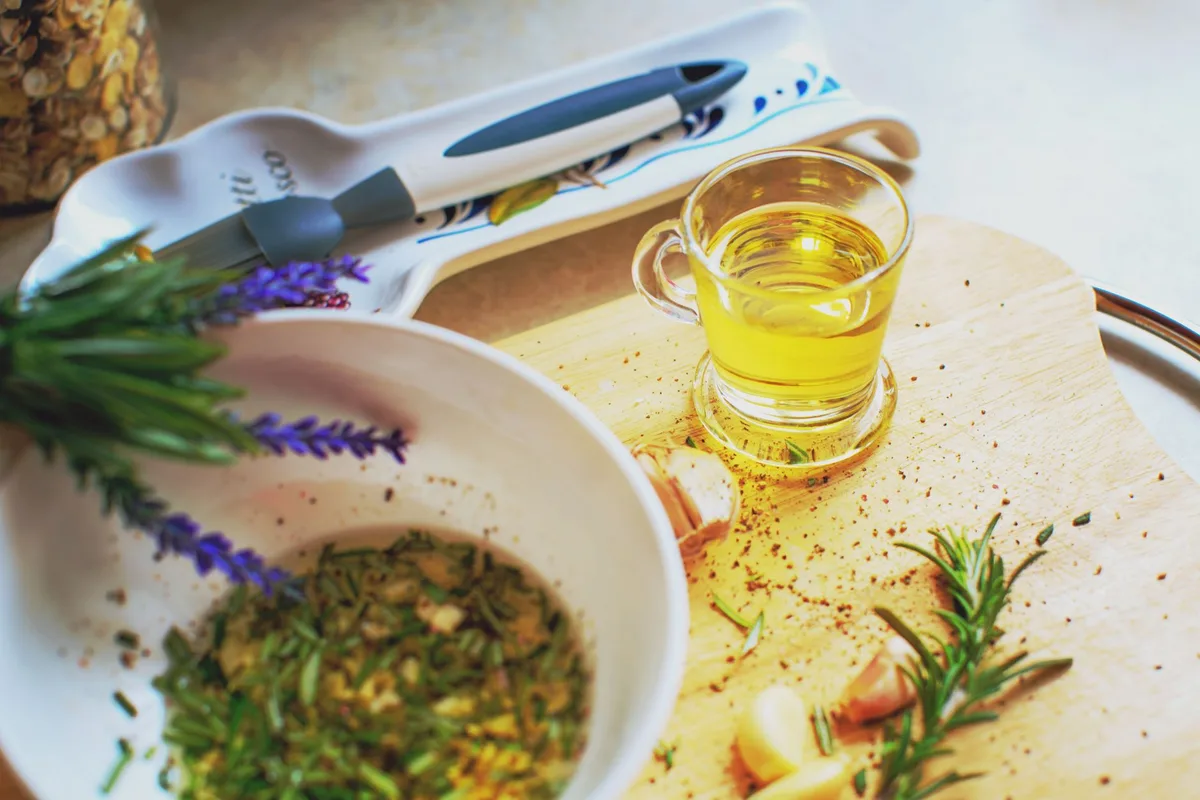
Image source: Pexels / Vikki (Pexels License)
Why Food-Safe Finishing Matters
Think of your cutting board as a porous surface. Without proper treatment, it absorbs liquids from food, juices from meats, oils from cheeses, and colors from vegetables. This absorption can lead to a few problems:
- Staining: Dark liquids soak in, leaving unsightly marks.
- Odor Absorption: It can trap smells from garlic or onions.
- Bacterial Growth: Moisture and food particles create an ideal breeding ground for bacteria.
- Wood Degradation: Constant exposure to water and food can cause the wood to warp, crack, or even rot over time.
A food-safe finish acts as a protective shield. It seals the wood’s pores, making it resistant to stains and odors. More importantly, it creates a smooth, non-porous surface that’s easy to clean and difficult for bacteria to penetrate.
This keeps your food safe and your board beautiful.
Defining “Food Safe” for Cutting Boards
When we talk about food-safe finishes, we mean materials that are non-toxic and chemically stable when they come into contact with food. This means they won’t leach harmful substances into your meals, even when exposed to moisture, heat, or cutting action.
Naturally derived oils and waxes are the go-to for this. They are derived from plants or animals and are generally recognized as safe for consumption in their intended applications. Synthetic finishes, like many varnishes or lacquers, are typically not food-safe unless they are specifically formulated and certified for direct food contact.
Always check the product label.
The Best Food-Safe Finish Options
When it comes to finishing a cutting board, simplicity and natural ingredients are usually best. Here are the top contenders:
1. Mineral Oil
Mineral oil is the classic choice for a reason. It’s inexpensive, readily available, and completely food-safe. It’s a food-grade petroleum byproduct that won’t go rancid like many natural oils.
- Pros:
- Readily available and affordable.
- Completely food-safe and non-toxic.
- Doesn’t go rancid.
- Easy to apply and reapply.
- Imparts a nice sheen and brings out the wood’s grain.
- Cons:
- Doesn’t harden, so it needs frequent reapplication, especially at first.
- Offers less protection against deep cuts or major spills than a hardened finish.
How to Use Mineral Oil:
- Ensure Board is Clean and Dry: Make sure your cutting board is thoroughly clean and completely dry. Any residual moisture will prevent the oil from penetrating.
- Apply Generously: Pour a liberal amount of food-grade mineral oil directly onto the surface of the cutting board. You want it to look like you’re trying to drown the wood.
- Rub It In: Use a clean cloth, paper towel, or even your hands (if your oil is pure and clean) to rub the oil into the wood. Work it into the end grain and edges too.
- Let It Soak: Allow the oil to soak into the wood for at least 30 minutes, or preferably overnight. The wood will absorb as much as it can.
- Wipe Off Excess: After soaking, wipe away any excess oil that hasn’t been absorbed with a clean, dry cloth.
- Repeat: For a new board or one that’s very dry, you’ll likely need to apply multiple coats. Keep applying oil, letting it soak, and wiping off excess until the wood stops absorbing it readily. This could take 2-3 applications or more.
2. Beeswax and Mineral Oil Blend (aka “Board Butter” or “Conditioner”)
This is a step up from plain mineral oil. Combining food-grade mineral oil with beeswax creates a thicker, more protective finish that lasts longer between applications. The beeswax provides a water-resistant barrier.
- Pros:
- Offers better water resistance than mineral oil alone.
- Longer-lasting protection.
- Still completely food-safe and non-toxic.
- Leaves a pleasant, smooth feel.
- Easy to make at home.
- Cons:
- Requires a bit more effort to make than just using oil.
- May require slightly more elbow grease to buff in.
How to Make and Use a Beeswax/Mineral Oil Blend:
You can buy pre-made board conditioners, or easily make your own. A common ratio is 1 part beeswax to 4 or 5 parts mineral oil by weight or volume (the exact ratio can be adjusted for desired consistency).
To Make:
- Melt Beeswax: Gently melt beeswax pellets or shavings in a double boiler or a heatproof bowl set over a pot of simmering water. Never melt directly over heat, as it can scorch.
- Add Mineral Oil: Once the beeswax is fully melted, stir in the food-grade mineral oil.
- Mix Thoroughly: Stir until the wax and oil are completely combined into a smooth, uniform mixture.
- Pour and Cool: Carefully pour the mixture into a clean, heatproof container (like a small jar or tin). Allow it to cool completely. It will thicken to a paste-like consistency.
To Apply:
- Clean and Dry: Ensure your cutting board is clean and completely dry.
- Apply Product: Scoop a small amount of the board butter onto the board.
- Rub In: Using a clean cloth or paper towel, rub the mixture into the wood in a circular motion. Pay attention to the edges and end grain.
- Let It Sit: Allow the conditioner to penetrate for at least 15-30 minutes.
- Buff: Buff off any excess with a clean, dry cloth. The board should have a nice sheen and feel smooth.
3. Tung Oil (Pure)
Pure tung oil (also known as Chinawood oil) is a traditional wood finish derived from the nuts of the tung tree. When cured, it polymerizes to form a hard, durable, and waterproof film. It is crucial to use 100% pure tung oil, not a “tung oil finish” which often contains varnishes, solvents, and drying agents that may not be food-safe.
- Pros:
- Forms a hard, durable, and waterproof finish.
- Enhances the wood’s appearance beautifully.
- Can offer excellent protection against stains and moisture.
- Cons:
- Can be more expensive.
- Drying time can be longer (days to weeks, depending on conditions).
- Must ensure it’s 100% pure tung oil; adulterated versions are not food-safe.
- Requires careful application and curing.
How to Use Pure Tung Oil:
- Preparation is Key: Ensure the board is clean, dry, and sanded to your desired grit.
- First Coat (Thin): Apply a very thin coat of pure tung oil using a lint-free cloth. Wipe off excess immediately.
- Drying Time: Let the first coat dry completely. This can take 24-48 hours or more, depending on humidity and temperature.
- Subsequent Coats: Apply subsequent thin coats, allowing each to dry fully. You may need 3-5 coats for good protection.
- Curing: After the final coat dries, the oil needs to cure. This is a polymerization process that can take several weeks. During this time, the finish hardens and becomes fully waterproof and food-safe. Avoid heavy use until fully cured.
4. Walnut Oil
Similar to mineral oil, walnut oil is a natural drying oil that can be used for finishing cutting boards. It offers a lovely, rich color and good protection.
- Pros:
- Natural and food-safe.
- Dries to a harder finish than mineral oil.
- Provides good moisture resistance.
- Adds a beautiful sheen.
- Cons:
- Can be more expensive than mineral oil.
- Some people have nut allergies, so it’s not ideal for every household if there’s a risk of cross-contamination into other foods.
- Can take longer to dry and cure than mineral oil alone.
How to Use Walnut Oil:
The application process is very similar to pure tung oil. Apply thin coats, allowing ample drying time between applications, and let it cure fully before extensive use. Always ensure you are using pure, food-grade walnut oil.
The Finishing Process: Step-by-Step
Let’s break down the actual process of getting your cutting board ready with a food-safe finish.
Step 1: Prepare Your Board
This is arguably the most critical step for a high-quality finish.
- Sanding: Start with coarser grit sandpaper (e.g., 80 or 100 grit) to smooth any rough spots or machine marks. Gradually move to finer grits (150, 220, and even 320 or 400 grit). The smoother the wood, the better the finish will adhere and look.
- “Raising the Grain” (Optional but Recommended for Wood): After the final sanding (usually around 220 grit), lightly dampen the wood with a clean cloth or spray bottle filled with water. Let it dry completely. This will cause the wood fibers to swell and stand up, making the surface feel a bit rough again. Sand it smooth one last time with your finest grit sandpaper. This step prevents your first coat of finish from making the board feel fuzzy.
- Cleaning: Thoroughly remove all dust from sanding. A vacuum cleaner with a brush attachment is great, followed by a tack cloth or a microfiber cloth slightly dampened with water. Ensure the board is bone dry before applying any finish.
Step 2: Apply Your Chosen Finish
Now for the fun part, applying the protective coating.
- Mineral Oil Application: As described earlier, apply generously, let it soak, and wipe off excess. Repeat until saturated.
- Beeswax/Mineral Oil Blend: Apply the paste liberally with a cloth, work it in, let it sit, and buff.
- Tung Oil / Walnut Oil Application: Apply thin coats with a cloth, wipe off excess immediately, and allow for thorough drying between coats.
Important Note: When working with oils like tung or walnut, ensure adequate ventilation, as some natural oils contain VOCs (Volatile Organic Compounds). Also, be mindful of oil-soaked rags; they can be a fire hazard. Lay them flat to dry completely outdoors or soak them in water before disposal.
Step 3: Allow for Curing
This is where patience pays off.
- Mineral Oil & Wax Blends: These don’t truly “cure” in the sense of hardening. They simply sit on and slightly penetrate the wood. Once the excess is wiped off and you’re happy with the sheen, your board is ready for use. However, for best results and to maximize the initial protection, let it sit for a few hours to allow the oil to further soak in.
- Tung Oil & Walnut Oil: These oils polymerize, meaning they harden over time. This process can take anywhere from a few days to several weeks. You’ll know the oil has cured when the surface no longer feels oily or tacky and has a hard, smooth finish. Do not use the board for heavy-duty chopping or serving until fully cured, as the finish will be easily damaged before then.
Step 4: Buffing and Final Touches
Once the finish has set or cured, a final buffing with a clean, dry microfiber cloth can bring out an extra level of shine and smoothness. This step polishes the surface and removes any lingering tackiness.
Regular Maintenance for Longevity
Finishing your cutting board is not a one-time event. Regular maintenance is key to keeping it safe, hygienic, and looking its best.
Cleaning Your Cutting Board
- After Each Use: Wash your board with hot, soapy water. Use a stiff brush if needed to remove food particles.
- Rinse Thoroughly: Rinse with clean water.
- Dry Promptly: Always dry your cutting board immediately with a clean towel. Never let it air dry standing on its edge for extended periods, as this can lead to warping. Store it flat.
Re-oiling and Re-waxing
- Frequency: How often you need to reapply oil or wax depends on usage and what finish you used.
- Mineral Oil: You might notice the board starting to look dry and dull after a few weeks or months. Reapply oil whenever it looks like it needs it.
- Beeswax/Mineral Oil Blend: This will last longer. Reapply when the board starts to look dull or water doesn’t bead up on the surface as well.
- Tung/Walnut Oil: Once properly cured, these finishes offer longer protection. Reapply a maintenance coat of oil (or conditioner) when you notice the surface becoming dull or losing its water repellency, typically every few months to a year depending on usage.
Deep Cleaning and Sanitizing
- Vinegar: For occasional sanitizing, wipe the board down with a 50/50 solution of white vinegar and water. Let it sit for a few minutes, then rinse and dry.
- Lemon and Salt: For stubborn stains or odors (like from onions or garlic), sprinkle coarse salt on the board and rub it with a half-cut lemon. The salt acts as a mild abrasive, and the lemon juice helps to clean and deodorize. Rinse and dry.
What to Avoid for a Food-Safe Finish
When finishing your cutting board, certain materials and practices are definite no-gos.
- Shortening or Vegetable Oils (e.g., Olive Oil, Canola Oil): These are culinary oils, not finishes. They will go rancid over time, leaving your board with an unpleasant smell and potentially greasy residue. They don’t harden and offer very little protection.
- “Tung Oil Finishes” or Varnishes: Unless explicitly labeled food-safe for direct food contact, these products contain solvents and resins that are toxic. They are great for furniture or decorative items, but not for something that will be in constant contact with your food. If you’re unsure, stick to pure, natural oils and waxes.
- Polyurethane, Lacquer, or Varnish: These are generally not food-safe for cutting boards. They create a plastic-like film that can chip or flake off, potentially contaminating your food. They are also not designed to withstand the wear and tear of knife blades.
- Allowing Water to Sit: Never soak your cutting board in water, and don’t leave it sitting in a sink full of water. This is a surefire way to cause warping and cracking, no matter how well it’s finished.
- Dishwashers: Absolutely never put your wooden cutting board in the dishwasher. The high heat and prolonged exposure to water will decimate the wood and the finish.
By sticking to food-grade mineral oil, pure tung oil, walnut oil, or a quality beeswax blend, and maintaining your board properly, you’ll ensure it remains a safe, functional, and beautiful part of your kitchen for years to come. Your cutting board is a vital tool, and treating it right with a food-safe finish is an investment in both its longevity and your family’s health.

Table of Contents