When you're in the kitchen, reaching for the right tool makes all the difference. Two common kitchen gadgets often get a bit mixed up: the spatula and the turner. They look similar, and they both handle food, but they’re designed for different jobs.
Knowing their specific uses will up your cooking game. Let's break down the spatula versus the turner.
Spatula vs. Turner: What's the Real Difference?
At first glance, spatulas and turners might seem interchangeable. They both have a flat part with a handle. But their design details tell a different story.
The key differences lie in the shape of the head, the material, and how flexible they are. These distinctions dictate their best uses, from scraping bowls clean to flipping delicate fish.
What Exactly is a Spatula?
A spatula is a broad term. It generally refers to a kitchen utensil with a broad, flat, flexible blade used for mixing, spreading, and lifting. Think of one with a rubber or silicone head.
These are your go-to for scraping down the sides of a bowl when you're baking. They're fantastic for folding ingredients together gently without deflating a batter.
The Many Faces of the Spatula
Spatulas come in a surprising variety.
- Rubber/Silicone Spatulas: These are the most common. They have a soft, flexible head that conforms to the shape of bowls and pans. They're heat-resistant, making them safe for non-stick surfaces and cooking. You'll use these for everything from scrambling eggs to getting every last bit of frosting from a jar. I find them indispensable when I'm working with batters and doughs.
- Offset Spatulas: These have a long, thin, flexible blade that’s angled upward from the handle. This offset design is brilliant for spreading frosting evenly on cakes or smoothing butter. It keeps your knuckles clear of the item you're decorating.
- Straight/Painter's Spatulas: Usually made of metal, these have a straight, stiff blade. They’re less common in everyday cooking but are useful for specific tasks like lifting large, flat items or for applications where a very stiff, flat surface is needed, almost like a mini trowel.
The defining characteristic of most spatulas is their flexibility and their ability to hug curves. They excel at gathering, mixing, and spreading.
What Exactly is a Turner?
A turner, also often called a spatula (which is where the confusion starts!), is typically a kitchen utensil with a broad, flat, stiff blade attached to a handle. Its primary function is to lift and flip food in a pan or on a grill. The head is usually thinner and more rigid than a typical mixing spatula.
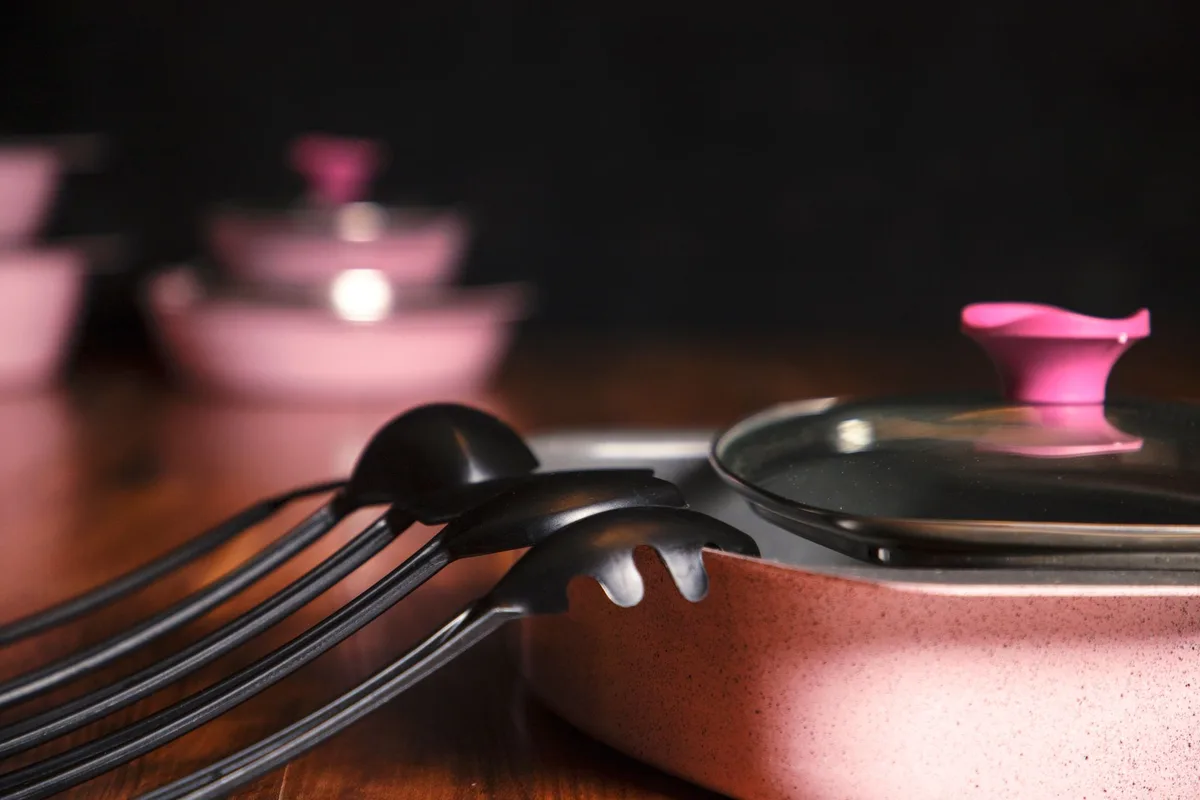
The Design and Duty of a Turner
Turners are built for action. Their heads are often slotted or solid, depending on the intended use.
- Slotted Turners: These have slots or holes in the blade. The slots allow excess oil or liquid to drain away when you lift food. This is super helpful for things like fried foods or seared meats. It prevents you from carrying a pool of grease to your plate.
- Solid Turners: These have a solid, unbroken blade. They’re great for handling foods that might break apart if they went through slots, like fish fillets or delicate pancakes. They provide a sturdy base for support.
- Material Matters: Turner heads can be made from nylon, silicone, metal, or even wood. Nylon and silicone are good for non-stick pans as they won’t scratch. Metal is sturdy and great for high-heat searing or grilling, but you need to be careful with coated pans.
Turners are designed for effortless lifting and flipping. Their rigidity is key to getting under food without bending or buckling.
Key Differences Summarized
Let's put the spatula and turner side-by-side to highlight their core differences:
| Feature | Spatula (General) | Turner |
|---|---|---|
| Head Shape | Broad, flat, often flexible, can be curved. | Broad, flat, usually stiff, designed for lifting. |
| Flexibility | High flexibility, conforms to surfaces. | Low flexibility, rigid for support. |
| Primary Use | Mixing, folding, spreading, scraping. | Lifting, flipping, turning food. |
| Common Types | Rubber/Silicone, Offset, Straight. | Slotted, Solid. |
| Best For | Batter, frosting, sauces, scraping bowls. | Burgers, eggs, pancakes, fish, steaks. |
| Pan Safety | Most are safe for non-stick (rubber/silicone). | Material dependent; nylon/silicone are safer. |
When to Use Which Tool: Practical Examples
Having the right tool for the job makes cooking smoother and the results better. Here’s where each shines:
Using Your Spatula Wisely
- Baking: When you’re creaming butter and sugar, or folding flour into a batter, a flexible rubber or silicone spatula is your best friend. It gets into the corners of the bowl, ensuring everything is incorporated without overmixing. For spreading frosting on a cake, an offset spatula provides control and an even finish. I always keep one on hand for getting the last bit of jam out of the jar.
- Sauces and Custards: Stirring sauces or custards on the stovetop? A heat-resistant silicone spatula is perfect. It won't scratch your pans, and its flexibility helps you scrape the bottom and sides to prevent scorching.
- Scrambled Eggs: While a turner can work, a soft silicone spatula is often gentler for scrambling eggs. It breaks up the curds nicely and creates a creamy texture. It’s also great for scraping up any bits that might stick.
Putting Your Turner to Work
- Flipping Pancakes: A good turner, especially a solid one, slides easily under a pancake, giving it the support it needs to flip without breaking.
- Searing Meats: When you’re searing steaks or burgers, a sturdy metal turner is essential. It can handle the heat and has the strength to lift those heavier items cleanly. If the protein has started to form a nice crust, you want a tool that won't let it fall apart.
- Frying Eggs: For fried eggs, a thinner, more flexible turner can be ideal. It can slide under the egg without piercing the yolk. Slotted turners are also great here if you want to drain off extra oil quickly.
- Grilling: On the grill, a long-handled turner is your best bet. It keeps your hands away from the heat and is strong enough to maneuver burgers, fish, or vegetables.
Beyond the Basics: Material Matters
The material of your spatula or turner significantly impacts its performance and how it interacts with your cookware.
Metal Utensils
Metal spatulas and turners are durable and great for high-heat cooking. However, they can scratch non-stick surfaces. Stainless steel is a popular choice for its strength and resistance to rust.
If you use cast iron or stainless steel pans, metal is a fantastic option. I find a thin metal turner excellent for getting under a seared piece of salmon. For those who value longevity and are meticulous about their cookware, a high-quality metal set is a worthwhile investment.
Silicone Utensils
Silicone tools are incredibly versatile. They're heat-resistant, flexible, and gentle on all types of cookware, including non-stick. Silicone spatulas are perfect for scraping bowls and pans, while silicone turners can handle most everyday cooking tasks.
They come in a wide array of colors, too. When I’m making a delicate sauce that needs constant stirring, a silicone spatula is my go-to. It’s also important to ensure you’re using food-grade silicone for safety.
Nylon Utensils
Nylon is another common material for spatulas and turners, especially turners. It’s heat-resistant to a certain degree (check the manufacturer's rating) and is also safe for non-stick cookware. Nylon is often a more budget-friendly option.
While good for many tasks, it might not be as durable or heat-tolerant as metal or high-quality silicone for extreme conditions like searing at very high temperatures.
Wood Utensils
Wooden spatulas and turners, or those with wooden handles, offer a classic aesthetic and are gentle on cookware. However, wood is porous and can absorb odors and bacteria if not properly cleaned and maintained. They aren't always heat-resistant for direct contact with very hot pans.
Wooden spoons are more common for stirring, but some wooden spatulas exist for specific gentle mixing tasks. Proper care, like oiling a wooden cutting board, is crucial for their longevity. The right oil, like mineral oil, seals the wood.
If you’re concerned about food safety and sanitation, wood may require more diligence than other materials. For instance, ensuring your cutting boards are properly maintained, like learning how often should you oil a cutting board, also applies to wooden utensils to prevent drying and cracking.
The Importance of a Good Cutting Board
While we're talking about kitchen tools, it's worth mentioning the foundation of many food preparations: the cutting board. The tool you use to prepare your ingredients matters just as much as the tools you use to cook them. A quality cutting board provides a stable surface and protects your knives.
When choosing a cutting board, consider its material and intended use. Some boards are better for vegetables, while others are designed for meat to prevent cross-contamination. For instance, a board designed for preparing vegetables, like ones made from bamboo or composite materials that are easy to sanitize, is essential.
Similarly, for raw meat, choosing a board recommended for its sanitation properties is critical. I always opt for separate boards when preparing different types of food. Looking into the best cutting board for vegetables and the best cutting board for cutting meat can give you a good starting point.
Knowing how to maintain them, such as how to sanitize a cutting board without bleach, ensures food safety. And if you're finishing a new board or refreshing an old one, understanding how to finish a cutting board food safe is key.
Spatula vs. Turner: The Verdict
So, to wrap it up, the difference between a spatula and a turner boils down to their primary function and design.
A spatula is generally more about mixing, spreading, and scraping, with flexibility being its key trait. Think of it as your versatile helper for batters, sauces, and getting things clean.
A turner is built for the active job of lifting and flipping food in a pan or on a grill, with rigidity and a sleek profile being its strengths. It’s your dependable tool for perfectly flipping everything from eggs to burgers.
Most kitchens benefit from having both. A good set of spatulas (including a flexible silicone one and maybe an offset spreader) and a couple of turners (a slotted and a solid one, perhaps in different materials) will cover nearly every cooking and baking need. Understanding these distinctions will help you choose the right utensil for the task, making your time in the kitchen more efficient and enjoyable.
Happy cooking!

Table of Contents