Store flour in mylar with oxygen absorbers; store sugar airtight without absorbers. Keep both cool, dark, and dry.
If you want real, tested, and easy steps on how to store flour and sugar long term, you’re in the right place. I’ve packed, rotated, and used home-stored flour and sugar for years. In this guide, I explain how to store flour and sugar long term with methods that work in real kitchens. You’ll learn proven tools, mistakes to avoid, and safe ways to build an affordable pantry that lasts.
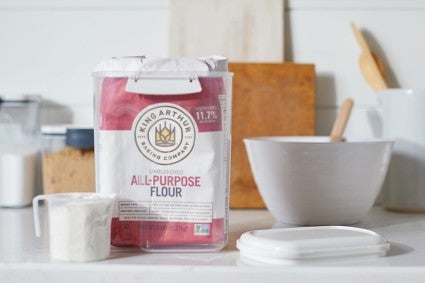
Core principles for long-term dry storage
Storing dry goods is simple once you know the enemies. Oxygen, heat, humidity, light, and pests are your main risks. Reduce those, and your food lasts.
Good storage follows this rule: airtight, lightproof, cool, and clean. Use strong barriers. Keep the space steady. Label every container with content and date. This is the backbone of how to store flour and sugar long term.
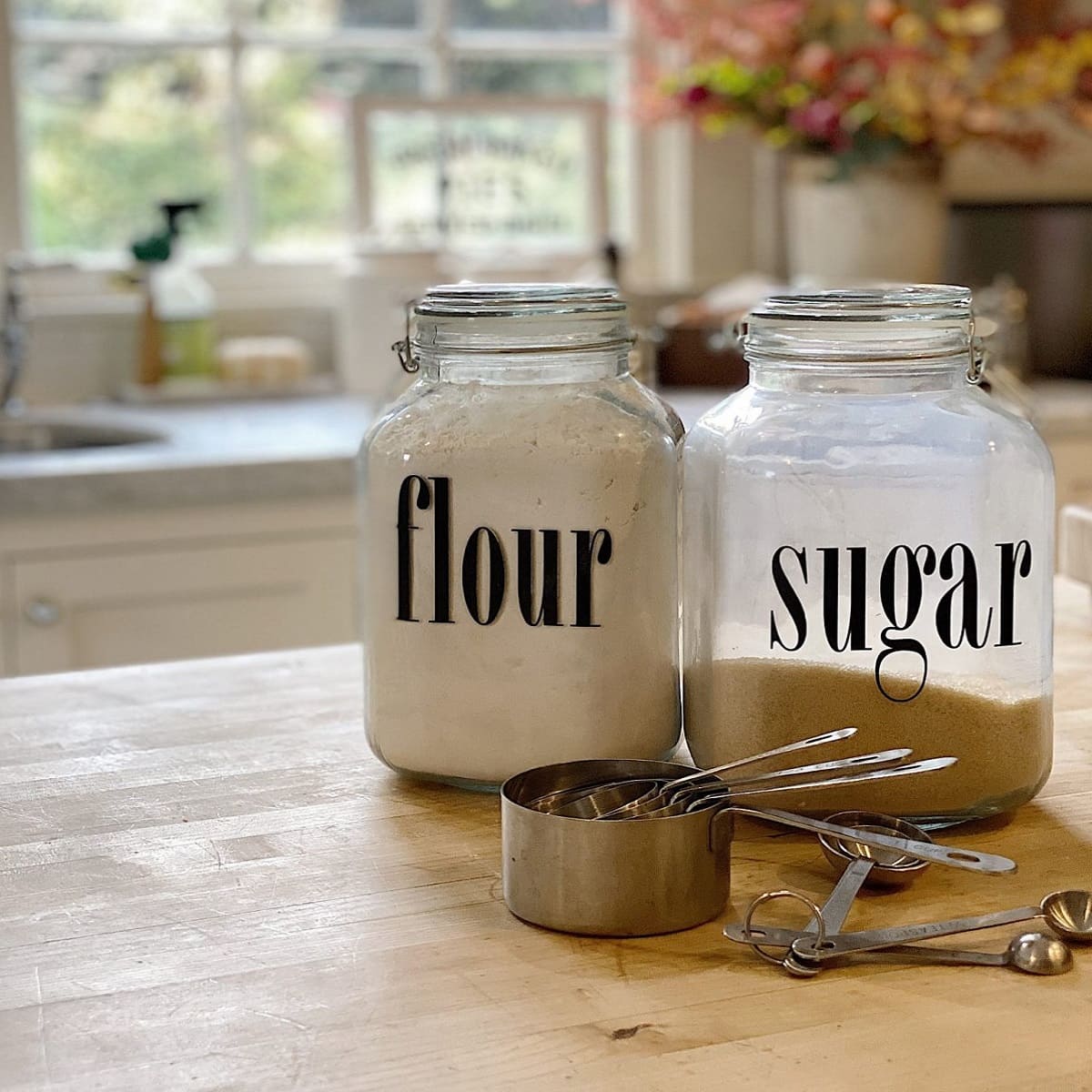
:max_bytes(150000):strip_icc()/How-to-store-baking-ingredients-FT-BLOG0424-989162f97cf848c9a3d9340d616a34e1.jpg)
Know your ingredients before you pack
Different products age in different ways. That changes how to store flour and sugar long term.
- All-purpose and bread flour have low oil. They last the longest at room temp.
- Whole wheat flour has more natural oils. It goes rancid faster. Cold storage helps.
- Self-rising flour has baking powder and salt. The leavening weakens over time.
- White granulated sugar is stable if dry. Moisture causes clumps.
- Brown sugar has molasses. It dries out and hardens. It is not ideal for very long storage.
- Powdered sugar is stable if dry. Aromas can be absorbed by sugar, so seal it well.

The enemies of shelf life: oxygen, moisture, heat, light, pests
If you master these, you master how to store flour and sugar long term.
- Oxygen speeds rancidity in flour. It lets bugs live. Remove it for flour storage.
- Moisture drives mold and clumping. Keep humidity low. Avoid condensation.
- Heat speeds chemical changes. Cool is better. Aim for 50–70°F.
- Light warms and degrades. Block it with opaque containers.
- Pests chew thin bags. Use hard containers with tight lids.

Best containers and packing methods
You can use a few reliable systems. Choose what fits your budget and space.
- Mylar bags with buckets. Mylar is a strong barrier. A food-grade bucket protects the bag and keeps mice out.
- Opaque, airtight bins. Choose thick walls and tight lids. Gamma lids work well on buckets you open often.
- Glass jars with two-piece lids. Great for smaller sizes. Good seal. See contents fast.
- Vacuum sealing for short to medium term. Good for portioning. Not mouse-proof alone.
- Oxygen absorbers for flour only. Use the right size. Do not use with sugar. It turns into a brick.
- Desiccant packs only when needed. They control moisture, not oxygen. Be careful not to overdry brown sugar.
Suggested absorber sizes for flour:
- 1-quart jar or small mylar: 100–150 cc
- 1-gallon mylar: 300–500 cc
- 5-gallon mylar: 2000–2500 cc total
Always check the maker’s chart for accuracy. Temperature, headspace, and bag thickness matter.
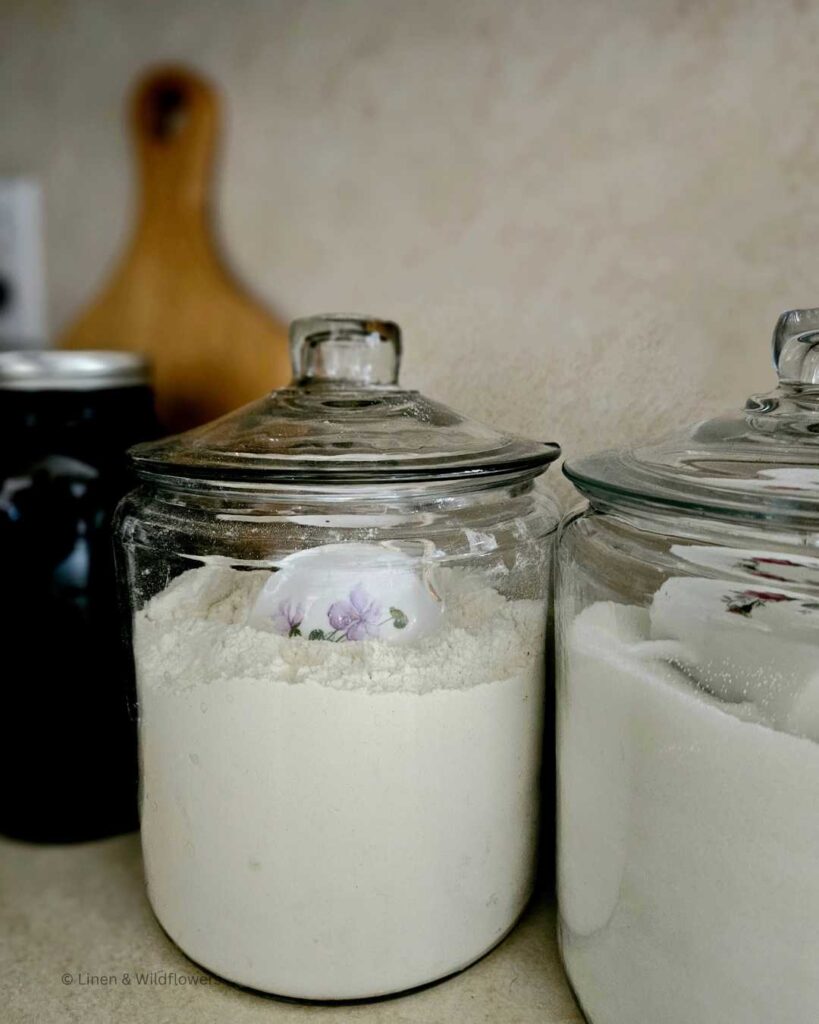
Step-by-step: how to store flour long term
This is the process I use at home. It is simple and repeatable.
- Prep and pre-freeze (optional but helpful)
- Freeze sealed flour for 48–72 hours. This helps kill eggs.
- Thaw in the bag to room temp before opening. This avoids condensation.
- Gather tools
- Mylar bags, 5–7 mil thick.
- Food-grade buckets with tight lids.
- Oxygen absorbers sized for your bag.
- Marker, labels, and a heat sealer or iron.
- Pack
- Fill mylar to leave a few inches at the top.
- Add the oxygen absorber on top of the flour.
- Push out air. Seal with iron or sealer. Make a clean, full-length seal.
- Place the sealed bag in a bucket and close the lid.
- Label
- Write content, weight, and month-year. Note the absorber size used.
- Store
- Place in a cool, dark, dry room. Off the floor. Away from walls.
- Check
- After 24 hours, bags should feel firm as oxygen gets absorbed.
- If not, the seal may leak or the absorber was spent.
How long will it last?
- White flour: 5–10+ years when sealed with absorbers and kept cool.
- Whole wheat flour: 2–5 years sealed cool. For best flavor, freeze or rotate faster.
- Self-rising flour: shorter life due to leavening loss. Rotate within 1–2 years.
This is the safest way I know for how to store flour and sugar long term. It balances cost, safety, and results.

Step-by-step: how to store sugar long term
Sugar is different. It needs dry and airtight. It does not need oxygen removal.
- Choose the right container
- Use original bag inside a sealed bucket. Or pour into mylar or jars.
- Do not use oxygen absorbers. They make sugar hard as a rock.
- Pack
- If using mylar, fill and press out air. Seal tightly. Place in a bucket.
- If using jars, fill and add a silicone gasket lid.
- Label
- Write sugar type and date. Add any notes.
- Store
- Keep sugar cool and dry. Keep away from smells. Sugar absorbs odors.
What about brown sugar?
- Best within 6–18 months at room temp.
- For longer, freeze in airtight bags. Thaw sealed. Knead to soften.
What about powdered sugar?
- Very stable if dry and sealed. Keep it odor-free and airtight.
Done right, sugar can last a very long time. Many keep it for decades if dry and clean. This is the most overlooked tip in how to store flour and sugar long term.
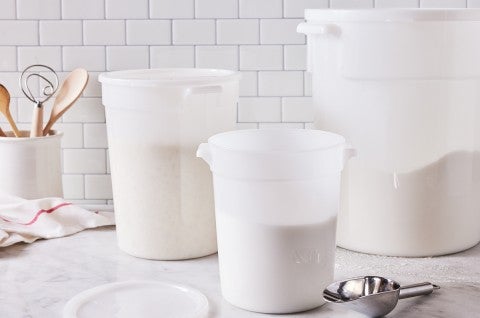
Storage environment: temperature, humidity, and placement
Your room matters as much as your container. Aim for cool and steady.
- Temperature: 50–70°F is ideal. Avoid garages that swing hot and cold.
- Humidity: below 60% relative humidity is safer. Use a small dehumidifier if needed.
- Placement: keep off concrete floors. Use racks. Leave space for airflow.
- Light: use a dark closet or opaque bins. Light adds heat and speed.
I learned this the hard way. My first stash sat by a sunny wall. The bins felt warm. My whole wheat flour tasted flat in months. Once I moved it to a cool closet, the flavor held.
Rotation, labeling, and simple tracking
A good system saves money and time. It also keeps food fresh.
- Label everything. Name, date, and weight. Use large, clear text.
- First in, first out. New bags go to the back. Use the oldest first.
- Keep a simple shelf list. Note quantities and dates.
- Plan your use. Bake a loaf each week. Refill canisters from long-term stores.
This rhythm is key for how to store flour and sugar long term. It keeps stock fresh and stress low.
Troubleshooting and food safety checks
Do quick checks every few months. It takes minutes and prevents loss.
- Off smells in flour. Rancid flour smells like paint or old nuts. Discard.
- Live insects or webbing. Toss the bag. Clean the area. Review seals.
- Moisture signs. Clumps that smear or mold. Discard and dry the room.
- Sugar bricks. For white sugar, break up with a food processor or mallet. For brown sugar, add a damp paper towel overnight in a sealed bag. Remove it the next day.
What not to do:
- Do not “oven can” dry goods. It risks moisture and botulism myths. It is not a safe method.
- Do not use oxygen absorbers with any sugar. That includes white, brown, and powdered.
- Do not store right on concrete or near chemicals. Sugar absorbs odors fast.
Real-life packing examples and costs
Here is how I pack a year of basics for a small family.
- White flour: 50 pounds in five 1-gallon mylar bags. Each with a 300–500 cc absorber. Bags go into one 5-gallon bucket.
- Whole wheat flour: 20 pounds split into four 1-gallon mylar bags. Each with 300–500 cc. I also freeze one extra bag for daily baking.
- Sugar: 50 pounds split into mylar bags. No absorbers. Bags go into one bucket with a tight lid.
Why I like this:
- Portions are easy to open.
- If one bag fails, the rest are safe.
- Buckets stack and protect from pests.
This method is simple, cheap, and proven. It is my base setup for how to store flour and sugar long term.
Frequently Asked Questions of how to store flour and sugar long term
Can I vacuum seal flour and skip oxygen absorbers?
Yes, for short to medium term. But vacuum sealing alone does not stop oxidation or pests like a proper mylar plus absorber setup.
Should I freeze flour or sugar for long-term storage?
Freeze flour before packing to kill eggs, then let it reach room temp while sealed. Sugar does not need freezing and can pick up moisture when thawing.
How do I stop bugs in flour without chemicals?
Use clean containers and oxygen absorbers in sealed mylar. Keep storage cool and dry, and consider a pre-freeze step.
What is the best place to store these staples?
Choose a cool, dark, dry closet or pantry. Avoid garages, attics, and hot laundry rooms.
How often should I rotate?
Use the oldest first and restock yearly. Bake from your storage to keep the cycle moving.
Is brown sugar suitable for long-term storage?
Not at room temp. Freeze for longer storage or plan to rotate it within a year.
Will oxygen absorbers ruin sugar?
Yes. They make sugar rock hard. Keep sugar airtight and dry without absorbers.
How long does white flour last in mylar with absorbers?
Stored cool and sealed well, many get 5–10+ years. Results vary with temperature and seal quality.
Conclusion
You now have a clear plan for how to store flour and sugar long term. Keep out oxygen for flour, keep sugar dry and airtight, and control heat and light. Use strong containers, label well, and rotate on purpose. Small steps today mean fresh food when you need it.
Start with one bucket this week. Pack it right, label it, and put it in a cool spot. Want more guides like this? Subscribe, share your results, or drop a question in the comments.

Table of Contents