Wrap cheese, use breathable containers, balance moisture, and refrigerate to keep flavor.
If you’ve ever unwrapped a soggy wedge or a rock‑hard rind, you know storage matters. In this guide, I’ll show you how to store cheese in containers the right way, so you keep texture, aroma, and taste. I’ve tested methods in busy home fridges and pro kitchens, and I’ll share the steps I trust, plus simple fixes for common mistakes. By the end, you’ll know exactly how to store cheese in containers with confidence.
:max_bytes(150000):strip_icc()/ToolsforStoringCheese_GK-85ed762b58a840ef95ad396687b99a48.jpg)
The science behind freshness and why containers matter
Cheese is alive. It breathes, releases gas, and needs the right moisture. A good container controls air and humidity so cheese stays supple and safe.
If the seal is too tight, rinds can suffocate and smell sharp or ammonia‑like. If it’s too loose, the paste dries and cracks. Knowing how to store cheese in containers means finding that sweet spot. That is how you protect flavor, stop cross‑smells, and slow mold.
In my kitchen tests, a wrapped wedge inside a ventilated box stayed perfect a full week longer than wrap alone. Humidity near 75% and fridge temps of 34–38°F kept the texture just right.

Choosing the right container for each cheese
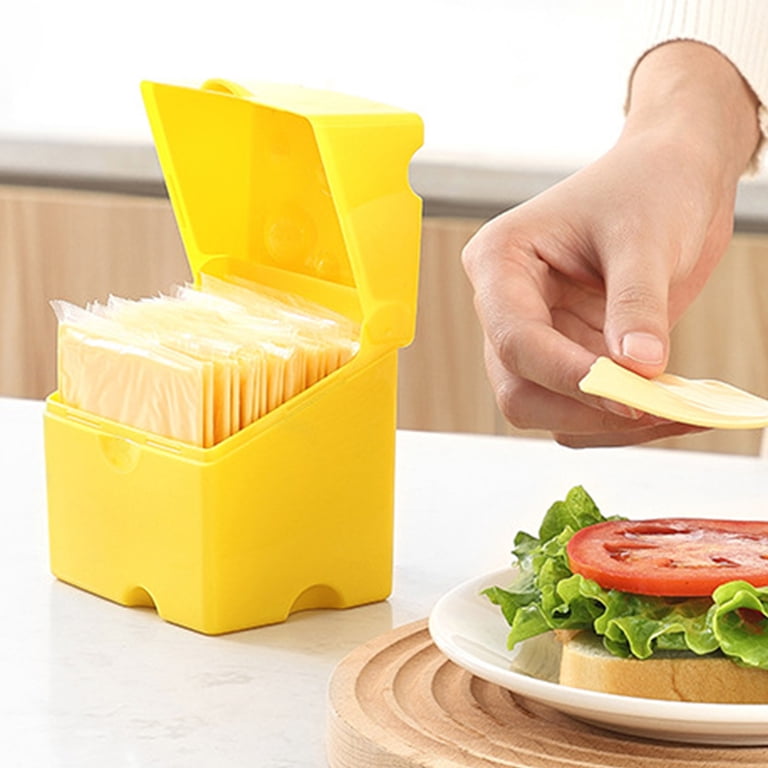
Not every box is equal. Your choice affects moisture, breathability, and odor control. When you learn how to store cheese in containers, start with the material and the seal.
Best picks I use and recommend:
- Glass or high‑quality plastic with a light seal Great for hard and semi‑hard cheeses when paired with paper or parchment.
- Dedicated cheese box with adjustable vents Lets cheese breathe while holding humidity.
- Food‑safe silicone with a soft lid Flexible and easy to clean, ideal for cut pieces.
- Perforated or ventilated micro‑perforated box Good for bloomy and washed rinds.
What to avoid or use with care:
- Bare plastic wrap Direct contact traps moisture and can cause slime. Use as an outer layer only.
- Aluminum foil Can react with salt and moisture. Use parchment between foil and cheese.
- Strong airtight deli tubs Fine for fresh cheeses in brine, but risky for aged rinds.
Pro tip: Size matters. The container should be just a bit larger than the piece. Extra space dries cheese. This is a key part of how to store cheese in containers well.

Step‑by‑step: how to store cheese in containers the right way
Use this simple flow for almost any cheese. I use it at home and when prepping boards for clients.
Wrap first
- Hard and semi‑hard Wrap in cheese paper or parchment. Then add a loose outer layer of plastic or foil.
- Soft and bloomy Use cheese paper or parchment only, seam side down.
- Fresh in brine Keep in its liquid in a lidded container.
Choose the container
- Pick one that fits with minimal extra space.
- For rinded cheeses, prefer containers with tiny vents or a lid you can crack slightly.
Control moisture
- Add a dry paper towel beneath the cheese for hard styles.
- For soft or washed rinds, skip the towel to avoid wicking moisture away.
Label and date
- Note the cheese name and the date you wrapped it. This helps you rotate and use on time.
Place in the right fridge zone
- Use the produce drawer or a middle shelf, away from the back wall.
- Keep temp at 34–38°F. Avoid the door due to warm bursts.
These steps show how to store cheese in containers with less waste and better taste.

How to store cheese in containers by type
Each style has its quirks. Here’s how I handle the most common types at home and in tastings.
Hard cheeses (Parmesan, Pecorino, aged Gouda)
- Wrap in parchment or cheese paper, then a loose outer layer of plastic or foil.
- Place in a snug container with a dry paper towel under the wedge.
- Replace the towel if damp. Hard cheeses prefer a drier micro‑climate.
Semi‑hard (Cheddar, Gruyère, Comté)
- Same wrap method as hard cheeses.
- Use a container with a soft seal. Open the lid for 10 minutes every few days to refresh air.
Bloomy rinds (Brie, Camembert)
- Wrap in cheese paper or parchment only. Avoid tight plastic.
- Store in a ventilated box. If the rind smells sharp or ammonia‑like, crack the lid for airflow.
Washed rinds (Taleggio, Limburger, Reblochon‑style)
- Wrap in parchment. Use a container with small vents to manage aroma.
- If the surface gets sticky, open for a few minutes every other day.
Blue cheeses (Gorgonzola, Roquefort, Stilton)
- Wrap in foil lined with parchment, or double parchment. Blue handles less airflow.
- Keep in a container to stop aroma spread. Monitor for excess moisture.
Fresh cheeses (Mozzarella, Feta, Ricotta)
- Mozzarella in whey or light brine, fully submerged, sealed.
- Feta in 8–10% brine, sealed. Replace brine weekly.
- Ricotta stays in its tub, inside a container for spill control. Use within 5–7 days.
Mastering these tweaks is the heart of how to store cheese in containers without losing character.

Fridge setup, humidity, and airflow
The right spot makes a big difference. Cheese hates swings in temperature.
- Use the produce drawer It’s cooler and more humid. Great for most cheeses.
- Avoid the door Warm bursts speed spoilage.
- Keep 34–38°F for safety and texture. Soft cheeses risk spoilage above 40°F.
- Aim for moderate humidity around 70–85%. Too wet breeds slime; too dry causes cracking.
I keep a small dedicated cheese box on a middle shelf for daily use cheeses. This routine nails how to store cheese in containers and reduces odor transfer.

Common mistakes and how to fix them
I’ve made these mistakes too. Here is what to watch for and how to recover.
Problem: Slimy rind or sharp ammonia smell
Fix: Open the container for 30 minutes in the fridge. Rewrap in fresh parchment. Use a vented box next time.Problem: Dry, cracked paste
Fix: Switch to cheese paper or add a looser outer wrap. Use a snug container to hold humidity.Problem: Mold that is not part of the cheese
Fix: Cut 1 inch around the spot for hard cheeses. For soft cheeses, when in doubt, discard.Problem: Mixed odors in the fridge
Fix: Keep blues, washed rinds, and garlic‑heavy foods separate. Double‑wrap and use dedicated containers.
Solving these is part of knowing how to store cheese in containers in real kitchens.

Cleaning, sanitizing, and food safety
Clean containers protect flavor and health. I follow a simple process.
- Wash with hot soapy water. Rinse well.
- Sanitize with a mild food‑safe solution. Let it air‑dry fully.
- Replace worn or scratched plastic. Rough surfaces trap bacteria.
- Always rewrap cheese after cutting. Use clean knives and boards.
Food safety guidelines support these steps for dairy foods. Safe habits make how to store cheese in containers both tasty and smart.
Freezing cheese: when and how to use containers
Freezing is not ideal for all cheese, but it can help cut waste.
Good candidates:
- Hard and semi‑hard Cheddar, Gouda, and Parmesan grate well after freezing.
- Blue cheese for cooking keeps flavor, though texture softens.
Not great:
- Fresh mozzarella, ricotta, brie Texture turns grainy or watery.
How to freeze with containers:
- Portion the cheese. Grate or cube for easy use later.
- Wrap tightly in parchment, then plastic. Place in an airtight container.
- Freeze for up to 2–3 months. Thaw in the fridge in the same container.
This is a practical way for how to store cheese in containers when you must freeze.
:max_bytes(150000):strip_icc()/Simply-Recipes-Cream-Cheese-Counter-LEAD-01-bcf8dcd981c24d5f91f2bd2189b646a6.jpg)
Serving, rewrapping, and leftovers
Bringing cheese to the table changes moisture. Plan for the trip back to the fridge.
- Temper cheese for 30–60 minutes before serving.
- After serving, dab off condensation with a paper towel.
- Rewrap with fresh parchment. Return to a clean, dry container.
- For weekly snacking, make small bundles. You open less and keep the rest fresh.
This end‑to‑end care is the final piece of how to store cheese in containers like a pro.
Frequently Asked Questions of how to store cheese in containers
How long does cheese last in a container?
Hard cheeses can last 3–6 weeks when well wrapped and boxed. Soft cheeses are best within 7–10 days once opened.
Should cheese be airtight in a container?
Not fully. Most cheeses need low airflow, not a hard seal, to avoid trapped moisture and harsh smells.
Can I store different cheeses together?
Keep strong styles like blue or washed rinds separate. Milder cheeses can absorb odors and change in taste.
Do I need special cheese paper?
Cheese paper helps balance moisture and airflow. Parchment plus a loose outer layer is a solid budget swap.
Where should I place the container in the fridge?
Use the produce drawer or a middle shelf away from the door. These zones hold steady cold and humidity.
Is it safe to eat surface mold on hard cheese?
Usually yes if it’s not part of the style. Cut 1 inch around and under the spot; rewrap in fresh paper.
Can I use vacuum sealing?
Use with care for hard cheeses only and for short terms. Rinded or soft cheeses may suffer texture and flavor loss.
Conclusion
You now have a clear plan for keeping cheese fresh, safe, and delicious. Wrap well, pick the right box, balance airflow, and park it in the best fridge zone. Small habits make a big difference.
Start today with one wedge. Rewrap it, pick a snug container, and label the date. You’ll taste the reward in every slice. Want more kitchen wins like this? Subscribe for fresh guides, or drop a question in the comments so we can troubleshoot together.

Table of Contents