Use metal or thick HDPE containers with tight lids and sealed gaps.
If you need to know how to make containers mouse-proof, you are in the right place. I’ve tested setups in garages, barns, and pantries for years. In this guide, I’ll show how to make containers mouse-proof with simple steps, proven materials, and smart placement that lasts.
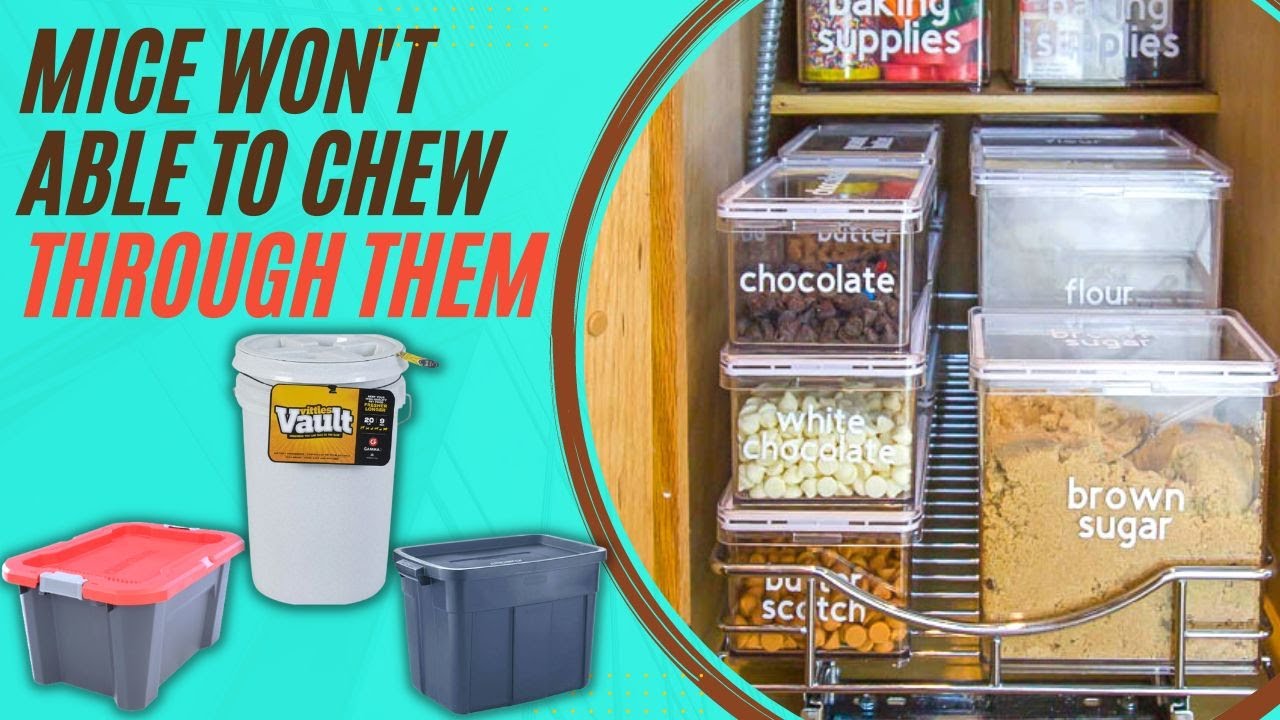
Understand how mice get in and what they can chew
Mice are small, flexible, and persistent. Many adults can squeeze through a gap about 1/4 inch wide. They follow scent trails to food and nest spots.
They gnaw to reach food and to keep teeth short. Thin plastic, rubber, wood, and foam are easy targets. If there is a lip, seam, or soft corner, they will test it.
Knowing how to make containers mouse-proof starts with this rule: remove smells, remove gaps, and remove soft edges. If you miss one of these, they find a way in.

Choose the right container materials
When planning how to make containers mouse-proof, choose materials they cannot chew. Metal is best. Thick plastic can work if it is seamless and reinforced.
Good picks:
- Galvanized steel bins with a tight, locking lid
- Food-grade HDPE containers with thick walls and screw-top gaskets
- Glass jars with metal lids for small items
- Heavy-duty metal ammo cans with intact rubber seals
Skip thin totes, soft plastic buckets, and cracked lids. Mice will find the weak spot fast. If in doubt, upgrade to metal.
Lids, seals, and closures that block gnawing
A big part of how to make containers mouse-proof is the closure. Lids fail more than walls. Look for lids that compress a gasket all the way around.
Best features:
- Screw-top lids with O-rings or gaskets
- Clamp-on or lever-lock rings that pull the seal tight
- Metal lids with a locking latch
- Lid lips that are flush, not proud and chewable
Test the lid in low light with a flashlight inside the container. If you see light at the edge, mice see a door.

Seal every gap and reinforce weak spots
The core of how to make containers mouse-proof is removing gaps. Even a pencil-width gap is an invite. Use a layered seal where plastic meets plastic or metal.
Try this:
- Wrap lid seams with duct tape, then cover with aluminum foil tape
- Stuff any pinholes with steel wool, then seal with silicone
- Add a thin metal collar on soft corners with metal tape
- Use 1/4 inch hardware cloth as a shield under bins on shelves
I often add a silicone bead along wobbly lid seams. It cuts drafts and kills odors that guide mice.
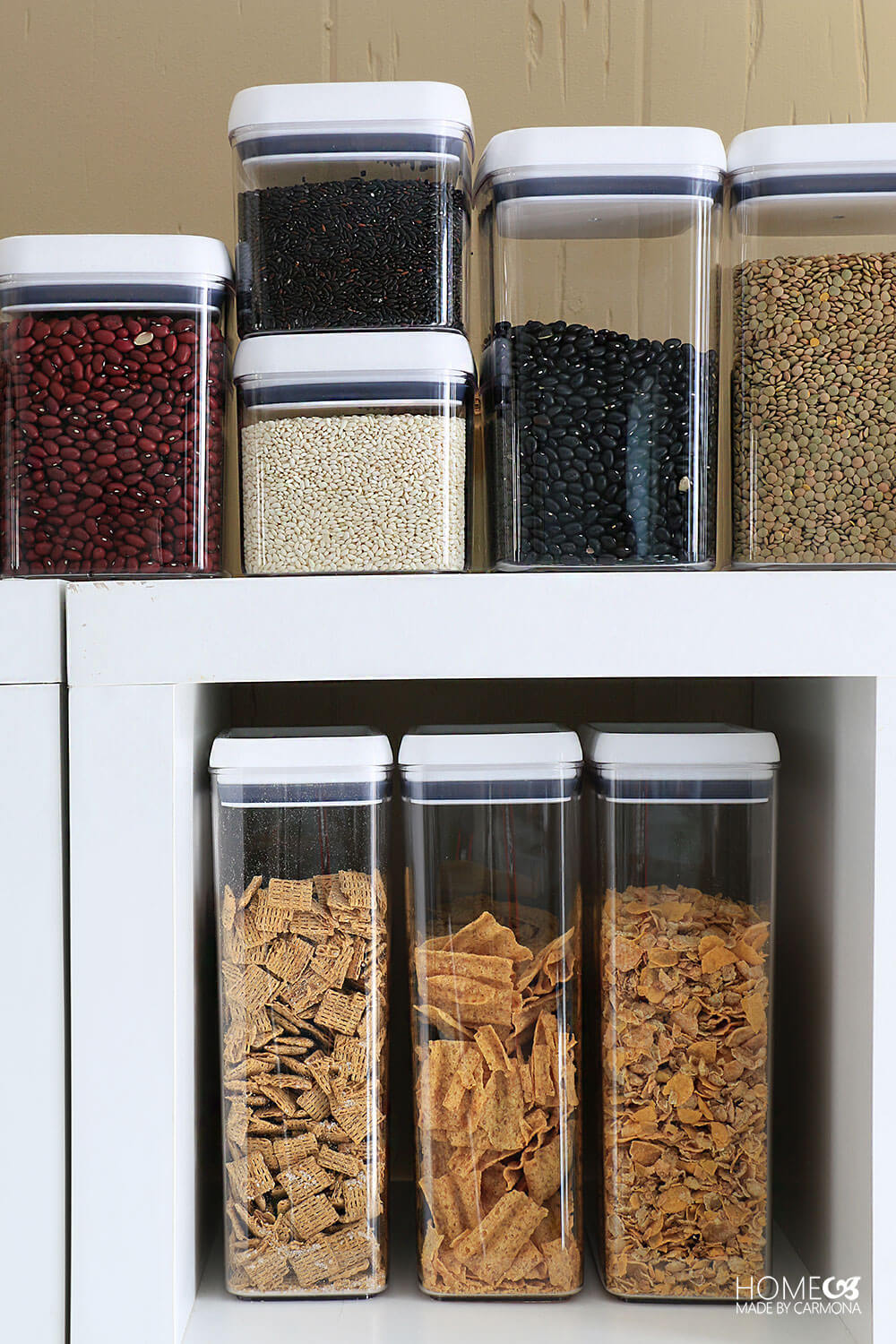
Place and store containers the smart way
If your goal is how to make containers mouse-proof, location matters. Mice travel along walls and love clutter. Keep containers clean, high, and away from nesting sites.
Follow these ideas:
- Elevate bins at least 12 inches off the floor
- Keep 2–3 inches of air space from walls on all sides
- Store food above non-food items to limit scent exposure
- Use sealed secondary bags inside the main container
I learned this the hard way with birdseed in a low plastic tote. The mice hit it in a week. The same seed in a steel bin on a wire shelf stayed safe all winter.
Repellents, traps, and monitors that help your setup
People asking how to make containers mouse-proof often try scents first. Scent repellents fade fast. Use them only as a helper, not the whole plan.
What works with containers:
- Snap traps or enclosed traps along walls near storage
- Bait stations outside the home, never by food
- Motion or acoustic monitors if you need early alerts
- Desiccant packs in bins to reduce scent and moisture
Avoid strong food smells in storage rooms. Wipe down bins with soapy water. Do not store edible goods in opened retail bags.

Step-by-step: how to make containers mouse-proof
Follow these steps for how to make containers mouse-proof. Keep it simple and repeatable.
- Select your container
- Pick galvanized steel or a thick HDPE bin with a gasketed lid.
- Ensure zero cracks, warps, or missing parts.
- Prep the contents
- Place food or seed in a sealed inner bag or mylar liner.
- Push out air and wipe the outside to remove crumbs and oils.
- Reinforce the closure
- Add a thin silicone bead on the lid rim if the seal is loose.
- Close and clamp. Then run foil tape around the seam.
- Block weak spots
- Press steel wool into any handle holes or vent points.
- Cover with metal tape or a metal patch.
- Improve placement
- Set the container on a wire rack or pallet.
- Leave space from walls. Keep the area clean and dry.
- Add deterrents
- Set two traps along the nearest wall as a perimeter line.
- Use a bait station outdoors, away from kids and pets.
- Test and label
- Dark-room light test: put a flashlight inside; close the lid; look for leaks.
- Label the date. Plan your monthly check.
Maintenance and testing that keep mice out
Part of how to make containers mouse-proof is routine checks. Seals wear and tape peels. Make a simple calendar plan.
Do this:
- Weekly in high-risk seasons: quick visual scan and wipe-down
- Monthly: open, inspect the seal, replace tape, reset traps nearby
- Quarterly: deep clean the room and rotate stock
If you see rub marks, droppings, or fresh gnawing, escalate. Add traps, upgrade lids, and remove any spilled food at once.
Common mistakes to avoid
Common errors when learning how to make containers mouse-proof cost time and food. Skip these pitfalls.
- Using thin totes for grain, pet food, or birdseed
- Ignoring a warped lid or a missing gasket
- Storing containers on the floor or right against walls
- Relying on peppermint or dryer sheets alone
- Keeping torn retail bags inside a bin without a liner
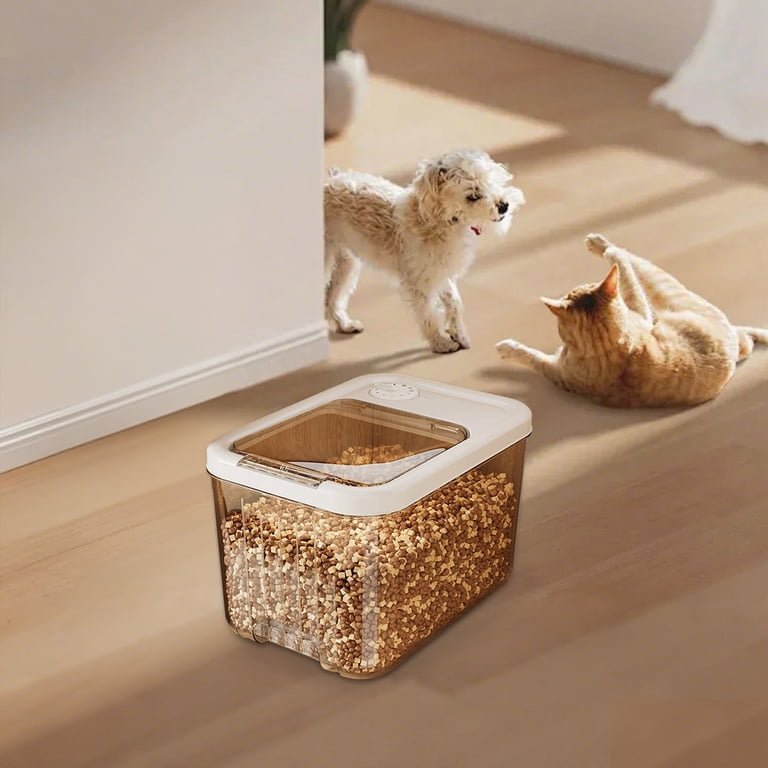
I once trusted a big plastic tote with a snap lid for dog food. It looked strong. A mouse chewed the corner in two nights. The fix was a metal bin with a clamp lid. No issues after that.
Cost and smart shopping checklist
Smart buys for how to make containers mouse-proof do not need to be fancy. Focus on build, not brand.
Quick checklist:
- Galvanized steel can with locking lid
- HDPE container with screw-top and O-ring
- 1/4 inch hardware cloth and metal/foil tape
- Silicone sealant and fine steel wool
- Wire rack or pallet for elevation
- Enclosed traps and an outdoor bait station
You can mix and match. Metal outside, mylar inside, traps nearby. That stack stops most mouse attempts cold.
Frequently Asked Questions of how to make containers mouse-proof
What is the best material for mouse-proof containers?
Metal is the most reliable choice because mice cannot chew it. Thick HDPE with a gasketed lid can also work if reinforced and well sealed.
Can mice chew through plastic storage bins?
Yes, many mice can chew through thin plastic and soft corners. Use thick HDPE with a screw-top seal or switch to metal.
Do peppermint oil or dryer sheets keep mice away?
They may help for a short time but fade fast. Use them only with tight containers, traps, and good sanitation.
How often should I check my containers?
Do a quick weekly look in high-risk seasons and a full monthly check. Replace tape, test seals, and reset traps as needed.
Will a vacuum-sealed bag be enough?
It reduces scent but is not chew-proof. Place the vacuum-sealed bag inside a hard, sealed container.
Are galvanized steel trash cans safe for pet food?
Yes, if the lid locks and you use a food-safe inner liner. Keep the can off the floor and away from walls.
What size mesh keeps mice out?
Use 1/4 inch hardware cloth or smaller. Secure it well so there are no gaps at edges.
Conclusion
You now know how to make containers mouse-proof with smart materials, tight lids, and simple seals. Add clean placement and routine checks, and you shut the door on mice for good. Start with one bin today and build from there.
Put these steps to work this week. Protect your food, gear, and peace of mind. If this helped, share it, subscribe for more home fixes, or leave a question—I’m here to help.

Table of Contents