The dreaded spitting steam from your coffee maker can be an alarming, messy, and even slightly frightening experience. You’re just trying to brew a delightful cup of coffee, and suddenly your kitchen counter is a geyser. But don’t worry, this is a common issue that can usually be resolved with a bit of know-how.
This article will guide you through exactly how to stop a coffee maker from spitting steam, covering everything from simple maintenance to identifying potential malfunctions.
You might have noticed that some coffee makers are more prone to this than others. It often stems from a blockage somewhere in the water path or an issue with the heating element. Understanding the mechanics behind your coffee maker, even at a basic level, can empower you to keep it running smoothly and prevent those unexpected steam eruptions.
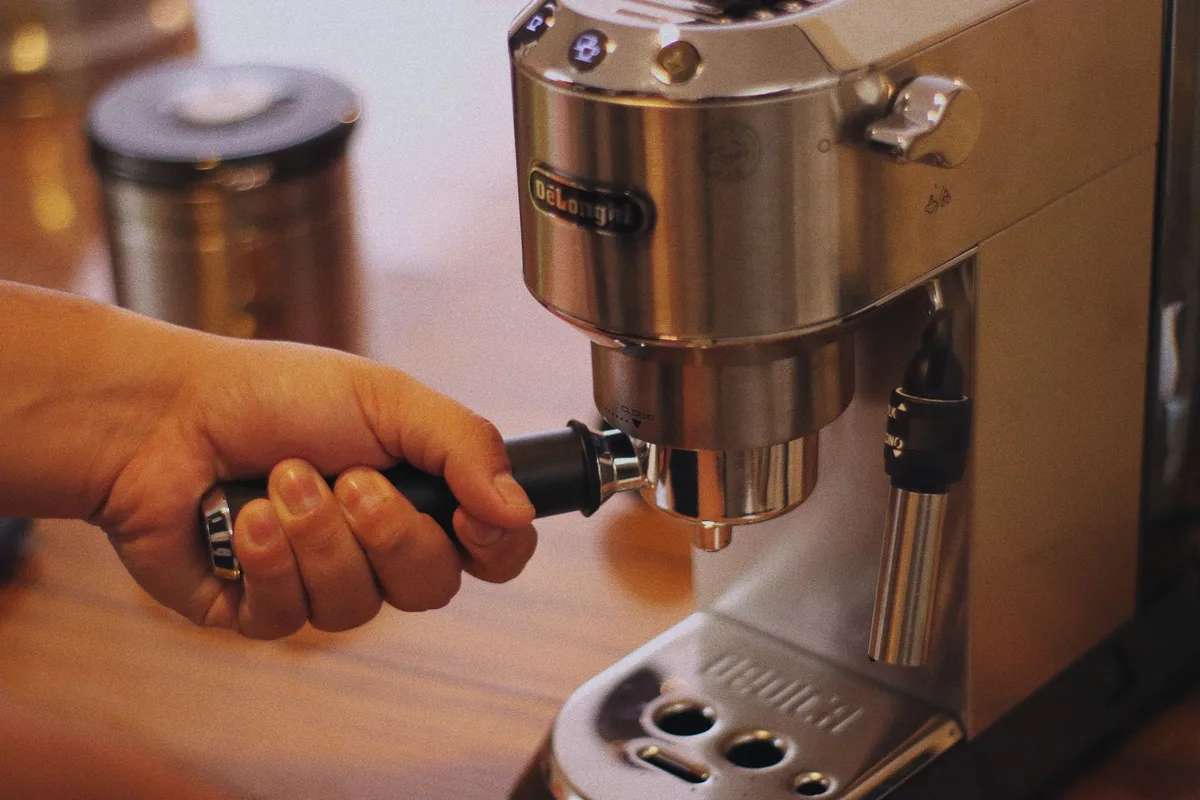
Why is My Coffee Maker Spitting Steam?
The primary reason a coffee maker spits steam, often violently, is because the water is heating up too rapidly or is being forced through a restricted path. This rapid heating can cause a sudden build-up of pressure within the machine. When that pressure has nowhere to go, it finds the easiest escape route, which is usually right out of your brew basket or steam wand.
It’s like a miniature volcano erupting in your kitchen!
Several factors can contribute to this pressure build-up. These include mineral deposits from your water, a clogged portafilter (in espresso machines), or even a faulty component. Identifying the root cause is crucial for effectively stopping the spitting steam and ensuring your coffee maker works as it should.
Understanding Your Coffee Maker’s Water System
To effectively troubleshoot how to stop a coffee maker from spitting steam, it’s helpful to have a basic understanding of how it works. Coffee makers, whether they’re drip machines, espresso makers, or even pod systems, all rely on heating water and then directing it through coffee grounds.
- Water Reservoir: This is where you fill the water for your brew.
- Heating Element: A coiled resistor that heats the water to the optimal brewing temperature (typically between 195-205°F or 90-96°C for drip coffee, and higher for espresso).
- Pump (Espresso Machines): This forces hot water through the coffee grounds under pressure.
- Brew Basket/Portafilter: Holds the coffee grounds.
- Showerhead/Dispenser: Distributes the hot water over the coffee grounds.
- Steam Wand (Espresso Machines): Used to froth milk, this also uses steam generated by the heating element.
When any part of this system becomes clogged or malfunctions, especially the pathways between the heating element and the dispensing point, steam can build up and escape.
Mineral Buildup: The Usual Suspect
Hard water, common in many regions, is packed with minerals like calcium and magnesium. These minerals don’t dissolve entirely when water is heated; instead, they precipitate out and form scale. Over time, this scale builds up inside your coffee maker’s internal components, including the heating element, pipes, and the showerhead.
This buildup restricts the flow of water. When water is trying to pass through these narrowed channels, it heats up intensely, creating more steam than usual. This excess steam, combined with the restricted flow, is a recipe for spitting.
It’s a bit like trying to push water through a garden hose that’s been partially kinked, the pressure builds up.
This is particularly common in espresso machines where the water is heated to higher temperatures and often under pressure. You might hear the machine struggling or making unusual noises before the spitting starts. For drip coffee makers, you’ll typically see the spitting occur from the brew basket, sometimes forcing grounds and water out.
Preventing Steam Spitting Through Regular Cleaning
The most effective way to stop a coffee maker from spitting steam, and to prevent it from happening in the first place, is through consistent cleaning and descaling. This addresses the mineral buildup that’s the most frequent culprit.
Descaling Your Coffee Maker
Descaling is the process of removing mineral deposits. How often you need to descale depends heavily on the hardness of your water and how often you use your coffee maker. Most manufacturers recommend descaling every 1-3 months.
For Drip Coffee Makers:
Most drip coffee makers can be descaled using either a commercial descaling solution or a homemade solution of white vinegar and water.
Vinegar Method:
- Empty the water reservoir and remove any coffee grounds from the filter basket.
- Fill the reservoir halfway with white vinegar and halfway with water.
- Place an empty paper filter in the brew basket.
- Run a full brew cycle.
- Discard the vinegar-water solution from the carafe.
- Rinse the reservoir and brew basket thoroughly.
- Fill the reservoir with fresh, clean water and run at least two full brew cycles to ensure all vinegar residue is gone. You don’t want your coffee tasting like a salad dressing!
Commercial Descalers:
Follow the specific instructions on the descaling product packaging. These are often formulated to be more effective and faster-acting than vinegar. They come in liquid or powder form.
You’ll typically mix the descaler with water in the reservoir, run a cycle, and then rinse thoroughly afterwards with clean water.
For Espresso Machines:
Espresso machines can be a bit more complex, and it’s crucial to refer to your machine’s manual for specific descaling instructions. Some machines have dedicated descaling cycles.
- General Espresso Machine Descaling:
- Consult your machine’s manual. Many higher-end machines will have a dedicated descaling mode.
- Use a descaling solution recommended by the manufacturer or a specific espresso machine descaler. Avoid using plain vinegar in some machines, as it can damage certain components.
- Fill the water reservoir with the descaling solution mixed with water according to the product’s instructions.
- Initiate the descaling cycle or run several brew cycles, pausing between each to allow the solution to work in the internal heating elements and pipes. For machines with a steam wand, you may need to run some descaling solution through it as well.
- Empty the water reservoir and rinse it thoroughly.
- Run multiple cycles with fresh water to flush out all traces of the descaling solution. This step is critical for flavor and machine health.
A good descaling solution can be quite effective, and I’ve found that using one specifically designed for coffee machines prevents any lingering tastes.
Cleaning Removable Parts
Beyond descaling the internal components, regular cleaning of the parts you can access is vital.
- Brew Basket and Carafe: Wash these with warm, soapy water after each use. Mineral deposits can accumulate here too, and even coffee oils can go rancid, affecting taste.
- Portafilter and Group Head (Espresso Machines): After every shot, knock out the used coffee puck and rinse the portafilter. Periodically, you’ll need to “backflush” the group head. This involves using a blind filter (a portafilter basket without holes) and running water and sometimes a cleaning solution through it to dislodge coffee oils and residues from the shower screen and internal pathways.
- Steam Wand: Always wipe down your steam wand immediately after frothing milk. If milk residue dries on it, it can clog the steam openings, hindering performance and potentially causing pressure issues. Purge the wand by running steam through it for a few seconds to clear any internal milk.
If you’re looking for ways to keep your kitchen appliances spotless, understanding cleaning routines for other items can offer insights. For instance, the techniques for how to clean air fryer basket with dishwasher tablet might seem unrelated, but the principle of dissolving residue is similar.
Clogged Water Lines or Showerhead
If descaling doesn’t solve the problem, the issue might be a more stubborn clog in the water lines or the showerhead. These clogs can be caused by scale, but also by coffee grounds that have made their way into the wrong places, or even by dried-out coffee residue.
For Drip Coffee Makers:
The showerhead is the part that disperses water over the grounds. If the holes in it are blocked, water can back up, leading to sputtering and spitting.
- Cleaning the Showerhead: After descaling, you might still find blockages. You can try using a small needle or a toothpick to gently poke into the holes of the showerhead to dislodge any stubborn debris. Be careful not to damage the showerhead itself. For machines with removable showerheads, consult your manual; you might be able to take it off for a more thorough cleaning.
For Espresso Machines:
Clogs in the group head or portafilter can be particularly problematic for espresso machines.
- Portafilter Clogs: Ensure the basket of your portafilter is clean and free of old coffee grounds. Sometimes, grounds can get lodged around the edges or in the spout.
- Group Head Clogs: The shower screen, a metal plate where water exits the group head, is prone to clogging. Backflushing with a cleaning solution is the best way to clear this. If the clog is severe, you might need to unscrew the shower screen (again, consult your manual) and clean it individually. This can be a fiddly process, and if you’re not comfortable, it might be time for professional help.
Issues with the Heating Element or Thermoblock
In some cases, the spitting steam isn’t due to a simple blockage, but rather an issue with the heating element itself.
- Overheating: If the thermostat or heating element is malfunctioning, it might heat the water too much, creating excessive steam. This can lead to violent spitting. This is less common in modern machines with good temperature control but can happen with older or faulty units.
- Faulty Thermoblock (Espresso Machines): Espresso machines often use a thermoblock, a compact heating system. If this component has a crack or a seal failure, it could lead to steam escaping where it shouldn’t.
If you suspect your heating element or thermoblock is the problem, it’s usually a sign that a professional repair is needed. These are not typically DIY fixes for the average user.
Pressure Valve Problems
Both drip coffee makers and espresso machines have pressure relief valves or safety valves. These are designed to release excess pressure to prevent the machine from exploding or malfunctioning. If this valve is faulty, stuck, or clogged, it might not operate correctly.
This could lead to dangerous pressure buildup, manifesting as spitting steam.
- Signs: A faulty pressure valve might prevent the machine from reaching the correct brewing temperature, or it might allow steam to escape when it shouldn’t. In some cases, you might hear a hissing sound from an unusual part of the machine.
Again, this is a component that’s best left to a qualified technician to inspect and repair.
User Error and Brewing Technique
Sometimes, the spitting isn’t a mechanical fault at all, but a result of how the coffee or water is being prepared.
For Espresso Machines:
- Tamping Too Hard or Unevenly: If you tamp your espresso grounds too hard, you create a very dense puck the water struggles to penetrate. When the water finally forces its way through, it can come out erratically, sometimes with a spurt of steam. Uneven tamping can also lead to “channeling,” where water finds weak spots and blasts through, sometimes carrying steam.
- Grind Size Too Fine: Using a grind that is too fine for your espresso machine can create excessive resistance. This is similar to tamping too hard, the water can’t flow freely, pressure builds, and you get spitting and channeling.
- Overfilling the Portafilter: If you put too much coffee in the portafilter, it presses against the group head, constricting water flow and leading to sputtering.
- Using Stale Coffee: Old coffee beans can sometimes create more crema and fine particles, which can contribute to clogs. Always use freshly roasted beans for the best results and fewer issues.
For those interested in perfecting their coffee, resources on different brewing methods are invaluable. For example, understanding how to use a food processor for grinding can be a step towards controlling coffee bean texture, though you’ll want a dedicated burr grinder for espresso. Similar to how you might want the best grater for chocolate for a specific task, the right grinder is key for coffee.
For Drip Coffee Makers:
- Using Too Fine a Grind: While less critical than with espresso, using a grind that’s too fine for a standard drip machine can cause grounds to clog the filter and lead to water backing up and spitting out.
- Overfilling the Filter Basket: Just like with espresso, overfilling can lead to overflow and messy brewing, potentially forcing water out of the sides.
When to Call a Professional
While many coffee maker issues can be resolved with a good cleaning or descaling, there are times when it’s best to seek professional help.
- Persistent Spitting: If you’ve descaled and cleaned thoroughly, and the coffee maker continues to spit steam, there might be an internal component failure.
- Leaks: Any significant water leaks from the machine, especially from the base or around the heating unit, are a safety concern and require professional attention.
- No Water Dispensing: If the machine whirs but no water comes out, it could indicate a serious blockage or pump failure.
- Electrical Smells or Sounds: If you hear unusual grinding noises, crackling, or smell burning, turn off the machine immediately and do not use it. This could be a sign of electrical or heating element failure.
- Damage: If any part of the machine appears physically damaged, it’s safer to have it inspected before use.
Don’t hesitate to consult your machine’s warranty or contact the manufacturer. For complex espresso machines, there are often specialized repair services.
Safety First: Dealing with Hot Coffee and Steam
It’s important to remember that coffee makers deal with very hot water and steam. Always exercise caution.
- Allow Cooling: If you’ve just finished brewing or descaling, allow the machine to cool down before attempting any cleaning or inspection of internal parts.
- Keep Hands Clear: Never place your hands directly in the path of potential steam or hot water.
- Unplug: Always unplug the coffee maker from the power outlet before attempting any internal cleaning or maintenance beyond what’s described in your manual for regular use.
- Supervise Children and Pets: Keep them away from the coffee maker during operation and while it’s cooling down. The steam can cause burns.
Quick Troubleshooting Checklist: How to Stop a Coffee Maker from Spitting Steam
If your coffee maker is spitting steam, here’s a quick rundown of what to check:
- Is it clogged? Perform a thorough descaling cycle.
- Are removable parts clean? Clean the brew basket, carafe, portafilter, and steam wand.
- Is there a blockage in the showerhead or group head? Gently clean or backflush.
- Are you using the correct grind size and technique (especially for espresso)? Adjust your grind and tamping.
- Is the water exceptionally hard? Consider using filtered or distilled water.
- Is the machine old or showing signs of wear? It might be time for a professional check-up or replacement.
By following these steps and performing regular maintenance, you can significantly reduce the chances of your coffee maker spitting steam, ensuring your mornings start with the comforting aroma of freshly brewed coffee, not surprise steam eruptions. Maintaining kitchen appliances is key, much like keeping other devices in good working order. For instance, if you’re looking into ways to keep your espresso machine clean, you might also be interested in how to clean up other kitchen messes, such as how to clean burnt oven surfaces, as a clean kitchen is a happy kitchen.
Frequently Asked Questions About Coffee Maker Steam Spitting
Q1: My coffee maker is brand new and already spitting steam. What’s wrong?
A1: While less common, a new machine could have a manufacturing defect. It’s best to check the user manual for any specific break-in procedures or initial setup steps. If the problem persists, contact the manufacturer.
Sometimes, initial heating cycles can cause a bit of temporary hissing as components expand, but violent spitting isn’t typical for a new unit.
Q2: Can I use something other than white vinegar or a commercial descaler?
A2: Some people suggest using citric acid or even certain types of soda. However, for a safe and effective descaling that won’t damage your machine, it’s highly recommended to stick with white vinegar (for most drip machines) or a descaling solution specifically formulated for coffee makers, especially for espresso machines. Always check your machine’s manual before using any cleaning agent.
Q3: How often should I descale my coffee maker?
A3: This depends on your water hardness and usage. Generally, for average home use with moderately hard water, descaling every 1-3 months is a good practice. If you have very hard water, you might need to descale more frequently.
Many modern coffee makers have indicator lights to remind you when descaling is needed.
Q4: Is it dangerous if my coffee maker spits steam?
A4: While startling, a bit of spitting might just be an indication of a minor clog. However, if it’s happening very forcefully, frequently, or with unusual sounds, it could indicate a more serious issue that could damage the machine or pose a safety risk due to excess pressure. Always unplug the machine and allow it to cool if you’re concerned.
Q5: My espresso machine spits steam from the steam wand, even when I’m not using it. Is this normal?
A5: A small amount of steam escaping briefly after use or during a heating cycle from the steam wand can be normal as the machine regulates temperature. However, continuous or forceful steaming when the wand isn’t engaged, or spitting from the brew group while frothing, suggests a problem with the machine’s internal valves or pressure system.
Q6: I’m using filtered water. Why is my coffee maker still spitting steam?
A6: Filtered water can reduce mineral deposits, but it doesn’t eliminate all potential causes. Coffee oils, fine grounds, or other residues can still build up and cause clogs. Regular cleaning of removable parts and periodic descaling (even with filtered water, as some dissolved solids remain) are still essential.
Q7: What’s the difference between steam and water spitting?
A7: Steam spitting usually occurs when water is superheated and rapidly expands into steam, often explosively. Water spitting, or sputtering, can happen when there’s a partial blockage, and water is forced through in an irregular, gurgling fashion. Both point to an issue with water flow or temperature regulation.
By addressing these common questions, it becomes clear that most issues relating to coffee maker steam spitting are preventable with diligence. It’s a small price to pay for consistently great coffee.

Table of Contents