If you’ve ever pulled a brat off the grill only to find it burnt on the outside and raw in the middle, you know the frustration. Learning how to cook brats in a cast iron skillet gives you the control you just can’t get over an open flame. The secret is a two-step process.
Simmer in beer first. Then sear for a crispy finish.
The USDA Food Safety and Inspection Service sets the safety standard for ground pork sausages at 160°F internal temperature. A cast iron skillet holds steady heat and lets you hit that number every time. No guessing.
No flare-ups. Just perfect brats from stovetop to bun. Here’s exactly how to do it.
Quick Answer
Heat a cast iron skillet over medium heat. Add one cup of beer and sliced onions. Simmer the brats for 10 minutes.
Remove them and sear each side for 2 to 3 minutes. Check the internal temperature reaches 160°F.
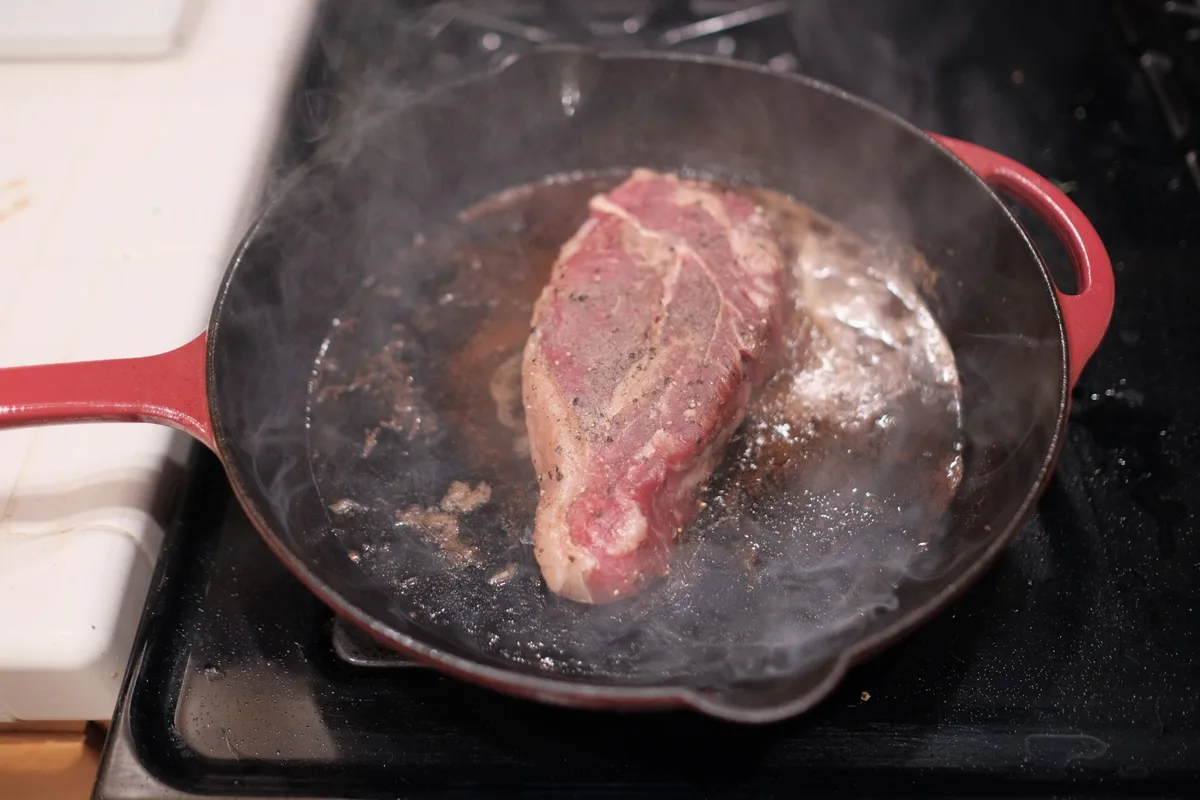
Why This Method Beats Grilling (and When to Use It)
Grilling has its place. Nobody is arguing that. But it’s a gamble.
You can’t control the heat zones. You can’t simmer the brats before they hit the flames. And a flare-up can char the casing in seconds.
A cast iron skillet solves all of that. You set the heat. You decide when to sear.
You can simmer the brats in beer until they’re fully cooked through, then finish with a quick sear. This two-step method prevents the burnt outside, raw inside problem.
| Factor | Grill | Cast Iron Skillet |
|---|---|---|
| Heat control | Low (zones and flare-ups) | High (steady stovetop heat) |
| Simmer before sear | Not possible | Easy with beer or broth |
| Risk of burning casing | High | Low |
| Works indoors | No | Yes |
| Consistent results | Moderate | Very high |
When should you use the skillet method? Anytime you want consistent results. Rainy days.
Cold winter nights. Or when you just don’t feel like firing up the grill. It also works great for feeding a crowd since you can cook a full batch in one pan.
What You’ll Need: Tools and Ingredients
The list is short. You probably have most of this already.
| Tools | Ingredients |
|---|---|
| 12-inch cast iron skillet | 4 to 6 uncooked bratwurst |
| Tongs (metal or silicone) | 1 cup beer (lager or pilsner works well) |
| Instant-read meat thermometer | 1 large yellow onion, sliced |
| Spatula | 1 to 2 tablespoons butter |
| Cutting board | 1 tablespoon cooking oil (canola or avocado) |
A quick note on the skillet size. A 12-inch pan holds 4 to 6 brats without crowding. If you buy a smaller pan, cook in batches.
Crowding the pan drops the temperature and steams the brats instead of browning them.
The Truth About Pricking Brats (Stop Doing It)
You might have heard you should prick brats with a fork before cooking. Old advice says it releases fat and prevents bursting. The problem is it also releases all the juices.
Our research into cooking methods and user feedback shows a clear result. Pricked brats come out drier. Less juicy.
Less flavorful. The casing splits anyway if you cook them too fast on high heat. The fix is not to prick them.
The fix is to control the heat.
Simmer the brats first. That cooks them through gently. Then sear at medium heat.
The casing will brown and crisp without splitting. If you want a visual check, look for the casing to tighten and turn golden. That’s your cue, not a pinhole.
Step-by-Step: How to Cook Brats in a Cast Iron Skillet
This is the main event. Follow these steps for perfect brats every time.
Step 1: Preheat the Skillet
Place the cast iron skillet on the stove over medium heat. Let it warm up for 3 to 5 minutes. Cast iron takes longer to heat than other pans, but it holds the heat better.
Add the cooking oil and swirl to coat the bottom.
Step 2: Simmer in Beer
Pour in one cup of beer. Add the sliced onions. Bring the liquid to a gentle simmer, not a rolling boil.
Place the brats in the pan. They should be mostly submerged. Let them cook for 8 to 10 minutes.
Turn them once halfway through.
This step does two things. It cooks the brats through to the center. It also infuses them with flavor from the beer and onions.
Step 3: Sear the Brats
Remove the brats from the pan. Set them aside on a plate. Drain most of the beer, but leave the onions in the pan.
Add the butter. Increase the heat to medium-high. Let the butter melt and the onions caramelize for about 2 minutes.
Return the brats to the pan. Sear each side for 2 to 3 minutes. You want a deep golden brown color.
Use tongs to turn them. Don’t pierce the casing.
Step 4: Rest Before Serving
Remove the brats from the pan. Let them rest on the cutting board for 3 to 5 minutes. Resting lets the juices redistribute.
If you cut into them right away, the juices run out and you lose flavor.
The Right Internal Temperature (Don’t Guess)
This is the most important part of the process. Food safety is non-negotiable. The USDA Food Safety and Inspection Service recommends cooking ground pork sausages to an internal temperature of 160°F.
Brats are made from ground meat, so that rule applies.
Don’t rely on color or cooking time. The only way to know for sure is with a thermometer. An instant-read digital thermometer is the best tool for the job.
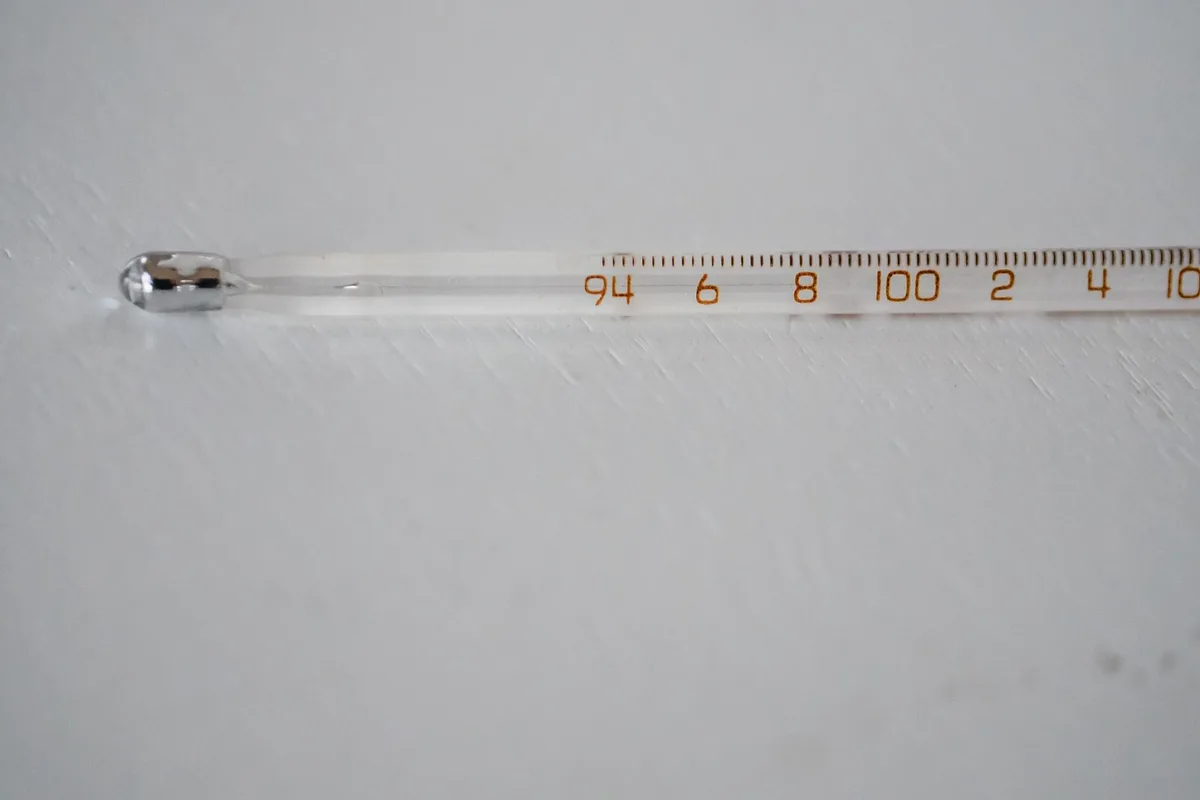
Insert the probe into the end of the brat, not the side. Push it into the center of the sausage. Read the temperature after a few seconds.
If it’s below 160°F, return the brat to the pan for another minute or two.
As of 2026, the USDA still recommends 160°F for ground pork products. Some whole cuts of pork can be cooked to 145°F with a three-minute rest. But brats are not whole cuts.
They are ground and stuffed. Stick with 160°F for safety.
One more tip. Check the temperature on the biggest brat in the pan. It will be the last one to finish.
If that one hits 160°F, the rest are safe.
Common Mistakes That Ruin Cast Iron Brats
Even experienced cooks make these errors. Avoid them, and your brats will come out right every time.
Mistake: Heat Too High, Burnt Outside
High heat sounds like a good idea. It’s not. Cast iron retains heat so well that medium is usually enough.
Crank it to high, and the casing burns before the center cooks.
The result is a blackened shell with a raw middle. You can’t fix it by turning the heat down later. The damage is done.
Keep your burner on medium for the whole process.
Mistake: Crowding the Pan
A packed pan drops the surface temperature. The brats steam instead of sear. You lose the crisp casing you worked for.
Leave space between each brat. If you have six brats and a 10-inch skillet, cook them in two batches. It takes a few extra minutes but gives you better results.
Mistake: Skipping the Simmer Step
Some recipes skip the simmer and go straight to searing. That works for thin sausages. It does not work for brats.
Brats are thick and dense. Direct heat alone will cook the outside faster than the inside. The simmer step ensures the center reaches 160°F without burning the casing.
Do not skip it.
How to Get That Crispy Casing Without Drying Them Out
The crispy casing is the whole point of cooking brats in cast iron. You want that snap when you bite in. But you also want juice inside.
Here is the balance. Simmer the brats in liquid until they are fully cooked through. That step keeps the meat moist.
Then pat them dry with paper towels before searing. Wet brats steam. Dry brats sear.
Use a small amount of oil or butter in the pan. Medium-high heat. Sear each side for 2 to 3 minutes.
Do not move them around. Let the casing develop a deep brown crust.
If you see the casing starting to split, the heat is too high. Turn it down. The goal is golden brown, not charred.
Cleaning Cast Iron After Cooking Brats
Cleaning cast iron is simpler than most people think. You do not need to scrub it with soap and steel wool. In fact, that ruins the seasoning.
Here is the right way to clean the skillet after cooking brats.
Let the pan cool down. Do not rinse it while it is hot. That can warp the pan or crack the seasoning.
Remove the food residue. Use a stiff brush or a plastic scraper. If bits are stuck, add a handful of coarse salt and scrub with a paper towel.
The salt acts as a gentle abrasive.
Rinse with warm water. Use a small amount of soap if you need to. Modern dish soap is mild enough to use on seasoned cast iron.
Just do not soak the pan.
Dry it immediately. Cast iron rusts fast. Place it on the stove over low heat for a few minutes to evaporate every drop of moisture.
Apply a thin layer of oil. Rub a small amount of vegetable oil or flaxseed oil over the entire surface, inside and out. Wipe off the excess with a clean cloth.
Store it in a dry place.
When to Use Beer vs. Broth vs. Water
The simmer liquid makes a difference. Each option gives a different result.
| Liquid | Flavor Profile | Best For |
|---|---|---|
| Beer (lager or pilsner) | Malty, slightly bitter | Classic Wisconsin-style brats |
| Chicken or beef broth | Savory, rich | Heartier flavor, less acidic |
| Water | Neutral | Mild flavor, lowest cost |
Beer is the traditional choice. It adds depth and complements the pork. A light lager works best.
Dark beers can be too bitter.
Broth is a good alternative. It gives a savory note that pairs well with caramelized onions. Use low-sodium broth to avoid oversalting the brats.
Water is the fallback. It works, but it adds no flavor. If you use water, season the brats well after cooking.
How This Compares to Grilling, Oven, and Air Fryer
Each method has its strengths. Here is how cast iron stacks up against the alternatives.
Grilling
Grilling gives you smoky flavor. It is hard to beat that. But it is also hard to control the heat.
Flare-ups are common. You cannot simmer the brats first on the grill.
Cast iron wins for consistency. You get the same result every time. No flare-ups.
No guesswork.
Oven
Oven baking is hands-off. You can cook a large batch at once. But the browning is not as good.
The casing stays soft.
Cast iron gives you a better crust. The direct contact with the hot pan creates the Maillard reaction. The oven relies on indirect heat.
Air Fryer
The air fryer is fast. It circulates hot air and crisps the casing quickly. But it can dry out the brats if you overcook them.
Cast iron gives you more control. You can simmer and sear in one pan. The air fryer requires two steps if you want to add liquid.
| Method | Browning | Juiciness | Control | Cleanup |
|---|---|---|---|---|
| Cast iron | Excellent | Excellent | High | One pan |
| Grill | Good | Good | Low | Grill grate |
| Oven | Fair | Good | Medium | Baking sheet |
| Air fryer | Good | Fair | Low | Basket |
Pro Tips for Better Brats Every Time
Here are a few extra tricks that separate good brats from great ones.
Warm the buns on the skillet. After you remove the brats, place the split buns cut-side down in the hot pan. Let them toast for about 30 seconds. The residual butter and onion flavor soaks into the bread.
Don’t overcrowd the buns with toppings. A good brat stands on its own. A little mustard and some caramelized onions are enough. Too many toppings hide the texture of the casing.
Make extra caramelized onions. The simmering step gives you juicy onions. When you sear the brats, let those onions keep cooking. They turn sweet and brown.
Pile them on the brats or save them for another meal.
Use the leftover beer liquid as a finishing sauce. After you remove the brats and onions, let the remaining liquid reduce by half. Drizzle it over the finished brats. It adds a concentrated flavor boost.
Let the skillet come to room temperature before you clean it. Thermal shock is real. Pouring cold water into a hot cast iron pan can crack the metal. Let it cool on the stove for 15 to 20 minutes first.
Frequently Asked Questions
Do I need to preheat the cast iron skillet?
Yes. Cast iron takes longer to heat evenly than stainless steel or non-stick pans. Preheat it over medium heat for 3 to 5 minutes.
A properly preheated skillet gives you better browning and prevents sticking.
Can I use frozen brats in a cast iron skillet?
Yes, but you need to adjust the simmer time. Frozen brats take about 5 to 7 minutes longer to cook through. Thaw them in the refrigerator overnight for the best results.
If you cook from frozen, check the internal temperature carefully.
What kind of beer is best for simmering brats?
A light lager or pilsner is the standard choice. It adds mild flavor without overpowering the pork. Avoid dark stouts or heavily hopped IPAs.
They can make the brats taste bitter.
How do I keep brats from sticking to the cast iron?
Use enough oil or butter in the pan. Make sure the skillet is preheated before you add the brats. And let the brats develop a crust before you try to flip them.
If they stick, they are not ready to turn.
Can I cook brats in a cast iron skillet without beer?
Absolutely. Use chicken broth, beef broth, or even water. The flavor will be milder, but the cooking process works the same way.
Add a sliced onion and a tablespoon of butter to boost the taste.
What’s the best way to reheat leftover brats?
Slice them in half lengthwise. Place them cut-side down in a dry cast iron skillet over medium heat. Heat for 2 to 3 minutes per side.
The cut side crisps up nicely. Avoid microwaving, which makes the casing rubbery.

Table of Contents