Getting the grind size just right for a pressurized basket is often the secret sauce to unlocking truly delicious espresso at home. You might have noticed that sometimes your shots pull too fast, tasting watery and sour, or perhaps they take ages to drip, resulting in a bitter, burnt flavor. This is almost always down to your coffee grind.
Adjusting grind size for a pressurized basket is a fundamental skill for any home barista, and it’s more straightforward than you might think.
This article will walk you through precisely how to dial in your grind settings, transforming your home espresso experience from frustrating to fantastic. We’re talking about understanding the role of the pressurized basket, how it affects extraction, and the specific adjustments you need to make for that sought-after sweet spot. Forget guesswork; we’re diving deep into the mechanics of espresso and grind size.
Understanding Pressurized Baskets
Before we start tinkering with the grinder, let’s get a handle on what a pressurized basket is and why it behaves differently from a traditional, unpressurized portafilter basket. You’ll often find these in entry-level or super-automatic espresso machines, designed to make it easier for users to achieve a decent shot without needing a high-end grinder or perfect tamping technique.
A pressurized basket has features that help create a more uniform and faster extraction. Typically, it has a single, small hole on the underside, covered by a sort of diaphragm or valve. This setup is designed to build back pressure within the basket during the brewing process.
It forces the water through the coffee grounds at a higher pressure, even if your machine’s pump isn’t capable of high PSI, and it helps to emulsify the coffee oils, creating a thicker crema.
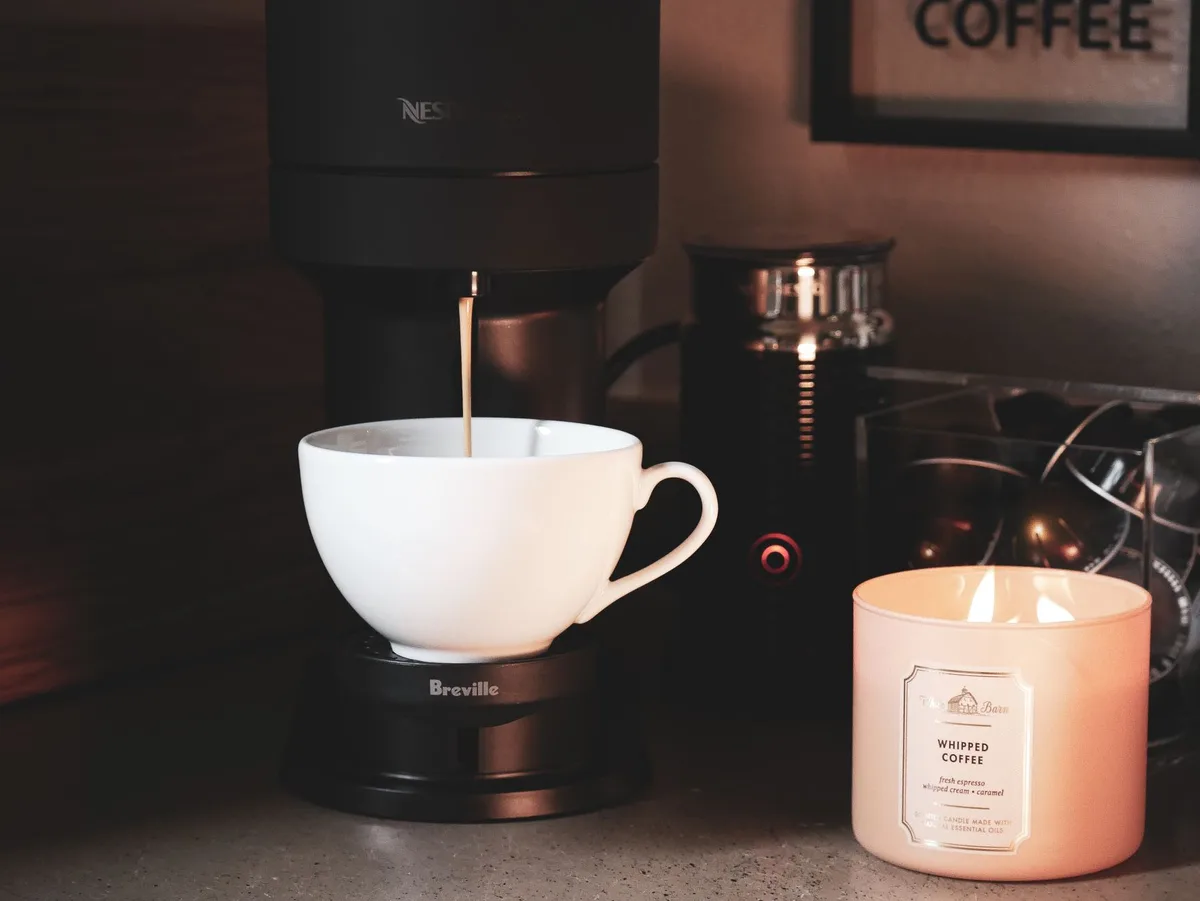
Image source: Pexels / Monstera Nichole (Pexels License)
Because of this built-in pressure-assistance, pressurized baskets are generally more forgiving of grind size inconsistencies than their unpressurized counterparts. However, this doesn’t mean you can just dump any old grounds in there. To truly master your espresso, understanding how to adjust grind size for a pressurized basket is paramount.
The Impact of Grind Size on Espresso Extraction
Grind size is arguably the most critical variable in espresso preparation. It dictates how easily water can flow through the coffee bed and, consequently, how much of the soluble coffee compounds are extracted. When we talk about extraction, we’re referring to the process of dissolving flavors, aromas, and oils from the ground coffee into the hot water.
Too coarse a grind means water rushes through the coffee bed too quickly. This results in under-extraction, where not enough desirable compounds are dissolved. The espresso will taste thin, sour, and lack body.
It’s like trying to make tea with a few large leaves; the flavor just doesn’t fully develop.
Conversely, too fine a grind creates too much resistance for the water. Water struggles to pass through, leading to over-extraction. In this scenario, the water spends too long in contact with the coffee, dissolving bitter compounds and making the espresso taste harsh, burnt, and astringent.
Think of trying to push water through a tightly packed sponge, it’s slow and messy.
The goal is to find that perfect balance where water flows through the coffee bed at an optimal rate, extracting the ideal balance of sweet, acidic, and bitter notes. This sweet spot is often referred to as achieving balanced extraction. Adjusting grind size for a pressurized basket is the primary tool to achieve this balance.
Why Pressurized Baskets Behave Differently
Here’s where things get interesting. Because a pressurized basket artificially builds pressure, it can mask some of the finer nuances of grind size you’d see with an unpressurized basket. A grind that might be too coarse for a traditional basket could still produce a passable shot in a pressurized one, simply because the basket itself is forcing more water through.
Likewise, a grind that’s a bit too fine might not choke the machine entirely as it might in an unpressurized setup.
This doesn’t mean grind size isn’t important for a pressurized basket. It just means the window of acceptable grind sizes is wider, and the impact of specific adjustments might feel less dramatic at first. However, for truly exceptional espresso, you still need to fine-tune.
Over-extraction can still happen, leading to bitterness, and under-extraction will still result in a weak, sour beverage.
The goal with a pressurized basket remains the same: to achieve an even and complete extraction. You’re looking for a shot that pulls within a reasonable timeframe (typically 25-30 seconds from the first drip), has a rich, amber crema, and tastes balanced, not too sour, not too bitter. Adjusting grind size for a pressurized basket is your key to hitting these targets.
Dialing In Your Grind Size: The Practical Steps
So, how do we actually go about adjusting grind size for a pressurized basket? It’s a process of observation and small, incremental changes.
1. Start with a Baseline Grind:
If you have an adjustable grinder, begin with a medium-fine setting. For pressurized baskets, you’ll generally want to err on the finer side compared to what you might use for a drip coffee maker. Think about the texture of granulated sugar, perhaps a touch finer.
Many espresso grinders have settings labeled 1 through 10, or even finer subdivisions. A good starting point might be around a 3 or 4 on a typical espresso grinder, assuming it goes down to 1.
2. Prepare Your Espresso:
Dose your portafilter with your usual amount of fresh coffee beans. Lock it into your espresso machine.
3. Pull Your Shot and Observe:
Start the brewing process. Pay close attention to the flow of the espresso.
- Ideal Flow: The espresso should begin to drip after a few seconds (typically 5-8 seconds of pre-infusion or at the start of the pump). It should flow steadily, resembling warm honey, and thicken as the shot progresses.
- Too Fast (Under-extracted): If the espresso starts flowing almost immediately and looks very thin, watery, or pale, your grind is likely too coarse.
- Too Slow (Over-extracted): If the espresso barely drips, or takes a very long time (more than 10 seconds) to start flowing, and then streams out very darkly, your grind is likely too fine.
4. Taste and Evaluate:
This is the most crucial step. What does the espresso taste like?
- Sour/Watery: Under-extracted. Grind finer.
- Bitter/Burnt: Over-extracted. Grind coarser.
- Balanced: You’re in the right ballpark!
5. Make Small Adjustments:
Based on your observation and taste, adjust your grinder. If the shot was too fast and sour, move your grinder setting one or two notches finer. If it was too slow and bitter, move it one or two notches coarser.
6. Repeat:
Dose, tamp (gently, as pressurized baskets are forgiving), lock, brew, and taste again. Continue making small adjustments until you achieve a shot that pulls in the desired timeframe and tastes balanced and delicious.
I’ve found that patience is key here. Don’t make huge jumps in your grind setting. Think of it as tuning a musical instrument; small, precise adjustments yield the best results.
You’re looking for a flavor profile that’s sweet, with a pleasant acidity and minimal bitterness.
Troubleshooting Common Issues
Even with a pressurized basket, you might run into some snags. Here’s how to tackle them:
- Espresso Streams Out Too Quickly and Tastes Sour: This is the classic sign of a grind that’s too coarse. Your pressurized basket is trying its best, but the grounds aren’t dense enough to slow down the water sufficiently for optimal extraction. Adjust your grinder to a finer setting. If you’re already on the finest setting and it’s still too fast, you might need to increase your dose slightly or ensure your tamper is creating a more even bed of coffee.
- Espresso Drips Very Slowly, Tastes Bitter or Burnt: This indicates a grind that’s too fine. You’ve created too much resistance, and the water is over-extracting the coffee grounds. Coarsen your grinder setting. If you’ve gone as coarse as you can and it’s still too slow, you might consider slightly reducing your coffee dose or ensuring you aren’t tamping excessively hard if you have residual habits from unpressurized baskets.
- Inconsistent Shots: If one shot is good and the next is bad, even with the same settings, check for inconsistencies in your dosing, distribution, or tamping. Even with a pressurized basket, a poorly distributed puck of coffee can lead to channeling, where water finds easy paths through the grounds, resulting in uneven extraction. Ensure your coffee grounds are evenly spread before tamping.
- Crema is Thin or Non-existent: While pressurized baskets are designed to produce crema, a lack of good crema can still point to extraction issues. If it’s consistently thin and sour, it’s likely under-extraction (grind finer). If it’s thin but bitter, it could be over-extraction (grind coarser). Sometimes, the coffee itself plays a role; older beans or beans that aren’t roasted for espresso might struggle to produce a rich crema.
The Role of the Coffee Bean
It’s important to remember that your coffee beans themselves are a significant factor. Freshly roasted beans, typically roasted within the last 1-4 weeks, will generally produce better espresso with richer crema than older beans. The roast level also plays a role.
Lighter roasts tend to have more acidity and can be trickier to dial in, often requiring a finer grind. Darker roasts are more soluble and can extract more easily, but they also have a greater tendency to become bitter if over-extracted, so they might benefit from a slightly coarser grind.
When you’re adjusting grind size for a pressurized basket, you’re working within the parameters of your specific coffee. A change in beans means you’ll likely need to re-dial in your grind settings. This is also true if you change your dose of coffee.
Grinder Choice and Its Importance
While this article focuses on adjusting grind size for a pressurized basket, the type of grinder you use is absolutely critical. A good espresso grinder is essential. Ideally, you want a grinder that offers a wide range of fine adjustments.
Burr grinders are superior to blade grinders for espresso. Burr grinders crush beans into consistent-sized particles, whereas blade grinders chop them unevenly, creating a mix of fine dust and large chunks. This inconsistency leads to uneven extraction.
For espresso, especially with the more forgiving pressurized basket, an electric burr grinder designed for espresso is ideal. Hand grinders can also work if they offer precise, fine adjustments.
If your grinder doesn’t have fine enough settings, you might find yourself struggling to achieve that perfect balance. You might be stuck between a grind that’s too coarse and under-extracts, and one that’s too fine and over-extracts, with no happy medium available.
Pressurized vs. Unpressurized Baskets: When to Upgrade?
Pressurized baskets are a fantastic entry point, simplifying espresso making. They forgive many sins, allowing beginners to get a taste of espresso without needing extensive equipment or knowledge. However, if you’re serious about elevating your espresso game, you’ll eventually want to consider using unpressurized (or “single-wall”) baskets.
Unpressurized baskets have no internal pressure-building mechanisms. They have multiple holes on the bottom, allowing water to flow through based purely on the coffee bed’s resistance and the machine’s pump pressure. This means they are far more sensitive to grind size, dose, and tamping technique.
When you use an unpressurized basket, the same adjustments you made for a pressurized basket will likely yield very different results. A grind that was perfect for a pressurized basket might result in a choked machine (no water flow) or a very weak, fast shot with an unpressurized one. If you’re consistently achieving good results with your pressurized basket and are curious about what’s possible, investing in a quality unpressurized basket and learning to dial in for that can unlock a new level of espresso flavor and complexity.
The adjustments you make for an unpressurized basket usually involve finer grinds and more meticulous attention to detail in your puck preparation.
Advanced Tips for Pressurized Basket Optimization
While the basics of adjusting grind size for a pressurized basket are covered, here are a few more advanced tips to consider:
- Distribution Tools: Even with these forgiving baskets, an espresso distribution tool (sometimes called a WDT tool, or a leveling tool) can help ensure a more even bed of coffee. This is less about preventing channeling (as the pressurized basket mitigates this) and more about consistent density throughout the puck, leading to a more uniform extraction.
- Water Temperature: While less impactful than grind size with a pressurized basket, water temperature still matters. Too hot can scorch the coffee, leading to bitterness. Too cool can result in under-extraction. Most machines have a set temperature, but if yours offers any control, aim for around 195-205°F (90-96°C).
- Tamping Pressure: With pressurized baskets, tamping technique is less critical. You don’t need to apply immense force. A gentle, consistent press is usually sufficient to create a level surface for the water. Over-tamping can sometimes lead to slower extractions, similar to a too-fine grind.
- Water Quality: Using filtered water is essential for both the taste of your espresso and the longevity of your machine. Hard water can lead to scale buildup, while water with too many dissolved minerals can affect flavor.
- Dose Consistency: Ensuring you use the same amount of coffee (dose) each time is crucial for consistent results. A consistent dose, combined with the correct grind size, is the foundation of good espresso. If you’re not using a scale, try to fill the basket to the same level consistently. A kitchen scale is a highly recommended tool for anyone serious about their coffee, including for basic tasks like weighing beans. For dosing advice, you might find guidance in articles discussing the right oil level, not for oil, but for the principle of precise measurement.
When to Consider Other Equipment
If you find yourself chasing a flavor profile that you just can’t achieve with your pressurized basket, even after meticulous grind adjustments, it might be time to consider upgrading your equipment.
- A Better Grinder: As mentioned, the grinder is king. If your current grinder can’t produce the fine, consistent grind needed for even marginal improvements, a dedicated espresso grinder is often the most impactful upgrade.
- Unpressurized Baskets: Replacing your pressurized basket with an unpressurized one (especially a precision-engineered one) will open up a new world of control and flavor potential. This is a relatively inexpensive upgrade that can yield significant results. You’ll find that the nuances of grind size become much more pronounced, and you’ll be spending more time dialing in your shot. This is where understanding filter maintenance from a different context might offer a parallel in importance of keeping components clean and functioning optimally for the best output.
- Espresso Machine Upgrade: Ultimately, the machine plays a role. Entry-level machines with pressurized baskets are designed for convenience. If you’re looking for ultimate control over temperature stability, pressure profiling, and shot volume, a more advanced machine will be necessary.
The Takeaway on Pressurized Baskets and Grind Size
Mastering how to adjust grind size for a pressurized basket is about understanding the relationship between your coffee, your grinder, and the brewing process. While these baskets offer a forgiving entry into home espresso, they are not a magic bullet. By making small, incremental adjustments to your grind setting and paying attention to the resulting shot time, flow, and, most importantly, taste, you can consistently produce delicious espresso.
Remember, consistency is key. Once you find that sweet spot for your specific coffee and machine, stick with it. Note down your grinder setting, your dose, and your shot time.
This information will be invaluable when you eventually decide to explore the world of unpressurized baskets or try new beans. Adjusting grind size for a pressurized basket is the fundamental step toward unlocking flavorful, balanced espresso right in your own kitchen. Don’t underestimate the power of a perfectly dialed-in grind!

Table of Contents