You’re holding a used coffee pod, and you want to get more out of it. Maybe you’re trying to reduce waste, save a few bucks, or just experiment with your coffee routine. Whatever your reason, you’ve landed in the right place.
This guide is all about how to reuse coffee pods without buying a special lid, focusing on practical, accessible methods you can start today. Forget those pricey, one-trick accessories; we’re diving into resourceful ways to give your existing pods a second life.
Many coffee drinkers have transitioned to single-serve machines for their convenience. They brew a perfect cup in under a minute, but the environmental cost and ongoing expense of disposable pods can really add up. While commercially available reusable pods and lids exist, they often involve upfront costs and may not integrate seamlessly with all systems.
What if you could achieve similar results using common household items or simple modifications? That’s precisely what we aim to explore here. We’re going to break down the process of how to reuse coffee pods without buying a special lid, making it as straightforward as brewing your morning coffee.
Imagine this: you’ve just enjoyed a delicious cup of coffee brewed from your favorite pod. Instead of tossing it straight into the bin, you can quickly give it a new purpose. This isn’t about complex science or expensive gadgets.
It’s about simple hacks and creative thinking that allow you to enjoy more coffee or other uses for these handy little containers. We’ll cover everything from preparing your used pod for its next life to exploring different brewing methods and potential secondary uses beyond just coffee.
If you’ve ever felt a pang of guilt tossing those plastic pods or wondered if there’s a better way, this article is for you. We’re going to show you exactly how to reuse coffee pods without buying a special lid, empowering you to make more sustainable choices and enjoy your coffee experience to the fullest. Let’s get started on this journey of resourceful brewing.
Understanding Your Coffee Pods
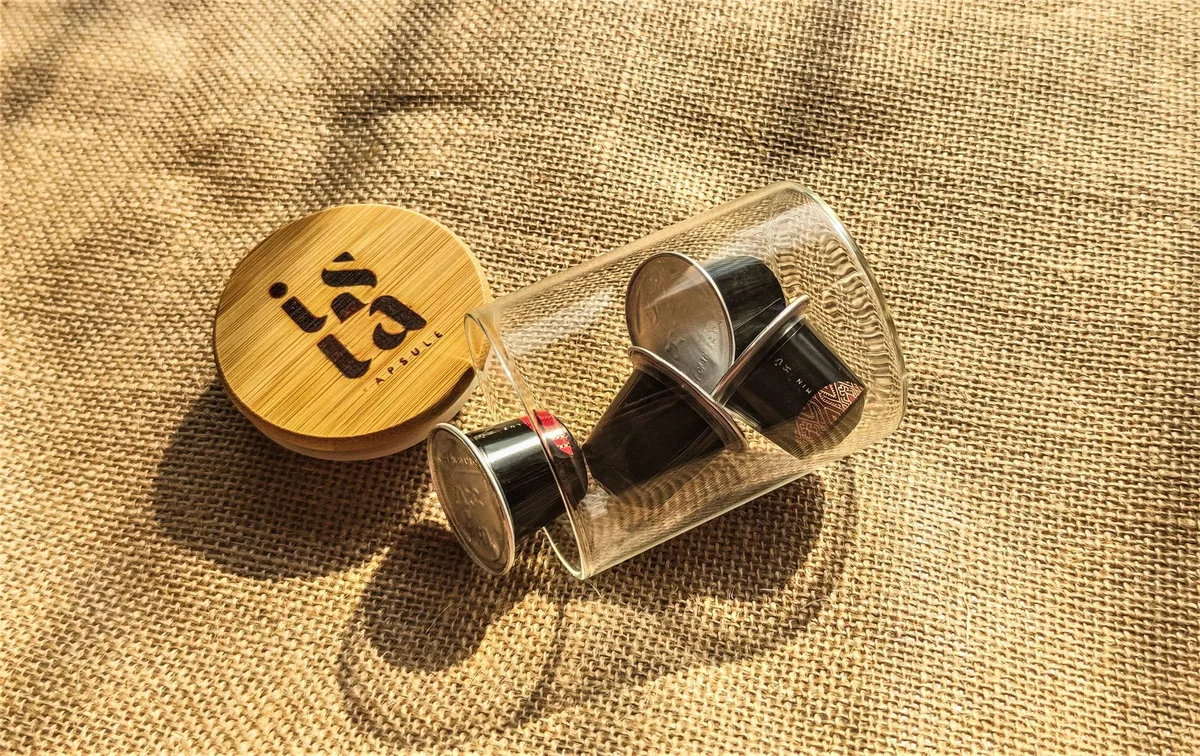
Before we get into the nitty-gritty of reuse, it’s essential to understand what you’re working with. Most single-serve coffee pods, particularly those designed for popular machines like Keurig or Nespresso, are made from a combination of plastic and aluminum foil. They contain finely ground coffee, sealed to preserve freshness.
The lid is typically a foil seal that’s pierced by the machine to allow water to flow through the coffee grounds.
The critical component for our purpose is that foil lid. It’s what keeps the coffee fresh and, when you’re trying to reuse a pod, it’s what you’ll need to replicate or bypass. Understanding the construction helps us figure out innovative ways to reseal or adapt the pod for subsequent use.
It’s also worth noting that while the most common pods are plastic and foil, some newer or specialty pods might use different materials, which could affect reusability. Always check the material if you’re unsure, though most common ones are quite consistent.
Preparing Your Used Pod for Reuse
The very first step in any effective reuse strategy is proper preparation. This means thoroughly cleaning out the pod to prevent any residual coffee grounds from affecting the taste of your next brew or any other substance you might decide to put in it. It’s also about ensuring your pod is ready to accept a new seal or modification.
Step 1: Empty and Rinse
Once you’ve brewed your coffee, carefully remove the pod from your machine. Be cautious, as the pod might still be hot. The most important thing here is to get all the used coffee grounds out.
You can do this by tapping the pod firmly upside down over your compost bin or trash. For a more thorough cleaning, some people like to rinse the pod under running water. Just a quick rinse to dislodge any stubborn grounds should suffice.
Step 2: Deeper Cleaning (Optional but Recommended)
For optimal results, especially if you plan on brewing coffee again, a deeper clean is a good idea. After the initial rinse, you can use a small brush or even an old toothbrush to gently scrub any remaining coffee residue. You can also soak the pods in warm, soapy water for a short period.
Make sure to rinse them thoroughly afterward to remove any soap residue. Some people even suggest a light scrub with baking soda to neutralize odors and ensure a clean slate. I’ve found that a quick soak in warm water followed by a good rinse is usually enough to get them perfectly clean for their next use.
Step 3: Drying
After cleaning, let the pods air dry completely. You can lay them out on a clean kitchen towel or a drying rack. Ensure they are thoroughly dry before you move on to the resealing or refilling stage.
Moisture can lead to mold growth or affect the quality of your next brew. Patience here pays off, guaranteeing a cleaner, better-prepared pod for your creative reuse.
The “No Special Lid” Approach: DIY Sealing Methods
This is where the real innovation comes in. Since we’re avoiding special lids, we’re looking for everyday materials and techniques to create a seal. The goal is to prevent coffee grounds from escaping during the brewing process and to keep the water flowing through the grounds as intended.
Method 1: Aluminum Foil and a Hot Iron (or Hair Straightener)
This is one of the most effective and widely used methods for achieving a good seal without buying specialized equipment.
What You’ll Need:
- Clean, dry coffee pods
- Aluminum foil (regular kitchen foil works well)
- A hot iron or hair straightener
- A flat, heat-resistant surface (like a wooden cutting board or an old book)
- Your coffee grounds (ground to the right consistency for your machine)
The Process:
- Fill the Pod: Spoon your desired amount of coffee grounds into the cleaned and dried pod. Don’t overfill; leave a little space at the top, similar to how the original pod was filled.
- Create the Foil Lid: Cut a piece of aluminum foil large enough to cover the top of the pod with some overlap around the edges. Place the foil over the opening of the pod.
- The Seal: Now, for the magic. Place the pod on your heat-resistant surface. Using your hot iron (set to a medium-hot setting, without steam) or hair straightener, carefully press down on the edges of the foil where it meets the plastic rim of the pod. You want to melt the foil just enough to create a strong, airtight seal. Go around the entire circumference of the pod, ensuring a good adhesion. It’s a bit like ironing clothes; a consistent, firm pressure is key.
- Check the Seal: Once cooled slightly, gently tug at the foil to ensure it’s securely attached. You want it to be strong enough to withstand the brewing pressure. If there are any gaps, repeat the ironing process.
I’ve found that a few seconds of consistent pressure is usually enough. Too much heat or pressure, and you risk melting the plastic pod itself, which you definitely want to avoid. It takes a little practice, but once you get the hang of it, you can create a robust seal that reliably holds up.
Method 2: Parchment Paper and a Hot Iron
Similar to the aluminum foil method, parchment paper can also be used. It’s a bit more forgiving for some users.
What You’ll Need:
- Clean, dry coffee pods
- Parchment paper (baking paper)
- A hot iron (medium-hot, no steam)
- A flat, heat-resistant surface
- Your coffee grounds
The Process:
- Fill the Pod: As before, fill your clean pod with coffee grounds.
- Cut the Parchment: Cut circles or squares of parchment paper that are large enough to cover the opening of the pod with an overlap.
- The Seal: Place the parchment paper over the pod opening. Put the pod on your heat-resistant surface and use the hot iron to press down on the edges of the parchment, sealing it to the plastic rim of the pod. Work your way around, ensuring a good bond.
While parchment paper is food-safe and quite resilient, securing a consistently airtight seal can sometimes be a little trickier than with aluminum foil. However, many users find it works very well and is a great alternative if foil isn’t ideal for you.
Method 3: Tape and Patience (Less Ideal for Brewing Coffee)
This method is less about brewing coffee and more about repurposing the pod for other craft or storage uses where a perfect seal isn’t critical for pressure. However, some experimenters have had limited success with strong, waterproof tape like duct tape or packing tape.
What You’ll Need:
- Clean, dry coffee pods
- Strong, waterproof tape
- Your filling material
The Process:
- Fill the Pod: Fill the pod with whatever you intend to put inside.
- Tape Over: Carefully tape over the opening, ensuring you create a secure barrier. Overlap the tape generously onto the sides of the pod.
This method is generally NOT recommended for brewing coffee as the seal is unlikely to withstand the water pressure and heat of the machine, leading to leaks and a messy brew. It’s better suited for dry storage or craft projects.
Beyond Coffee: Alternative Uses for Reused Pods
The beauty of how to reuse coffee pods without buying a special lid extends beyond just brewing more coffee. These small, durable containers can be repurposed for a surprising array of uses around the house and in creative projects.
Craft and Organization Projects
These pods are fantastic for small-scale organization.
- Craft Supplies: Use them to store beads, glitter, small buttons, sequins, or any tiny craft items. The rigid structure of the pod keeps things contained.
- Seed Starters: If you’re a gardener, the pods can be repurposed as mini seed starters. Punch a few small drainage holes in the bottom, fill with potting soil, and plant your seeds. Once they sprout, you can transplant the seedlings directly into the ground, pod and all (if made of biodegradable material), or carefully remove them.
- Pill Organizers: For short trips or daily organization, a few pods can hold your pills for a day or two. Label them clearly for safety.
- Small Item Storage: Keep nuts, bolts, screws, or even spare USB drives neatly organized in a drawer.
Creative Arts and DIY
- Mosaics and Art: The colorful plastic parts of some pods can be dismantled and used as mosaic pieces for art projects. They can add unique texture and color to sculptures or decorative items.
- Mini Planters: Similar to seed starters, they can be used as tiny decorative planters for succulents or small air plants.
- Educational Tools: For teaching kids about recycling or simple crafts, these pods offer a readily available material to work with.
When repurposing, always ensure the pod is thoroughly cleaned and dried. For anything involving food or gardening, err on the side of extreme cleanliness.
Considerations for Brewing Coffee in Reused Pods
If your primary goal is to reuse coffee pods without buying a special lid for brewing more coffee, there are a few key considerations to keep in mind:
Grind Size Matters
The grind size of your coffee is paramount. Pod machines are designed for a very specific, fine grind. If your coffee is too coarse, water will pass through too quickly, resulting in a weak, watery brew.
If it’s too fine, it can clog the pod, leading to an over-extracted, bitter taste or even a machine malfunction. If you grind your own beans, aim for a grind similar to what you’d get for espresso, but perhaps slightly coarser if you find your brews too strong or bitter. Many users find that pre-ground espresso blends work well.
Coffee Type and Quantity
Experiment with different coffee roasts and origins to find what you like best. You’ll likely find that different coffees perform differently in a pod. The amount of coffee you use is also crucial.
Start with the amount that typically fills a commercial pod and adjust from there. Too little coffee will result in a weak cup, while too much can cause overflow or poor extraction.
Brewing Machine Compatibility
While these methods are designed to mimic the function of original pods, always be mindful of your specific brewing machine. Some machines are more sensitive than others. Keep an eye (and ear) out for any unusual noises or brewing patterns.
If something seems off, stop the machine immediately and check your pod. It’s a good idea to check out resources or forums specific to your coffee machine model for insights from other users who’ve tried reusing pods.
Taste Differences
Be prepared for potential taste differences. Reusing pods, especially with DIY sealing methods, might not yield exactly the same taste as a factory-sealed pod. This is often due to slight variations in the seal, coffee compression, and water flow.
However, many users find the results perfectly acceptable, especially when using high-quality coffee grounds. The satisfaction of doing it yourself often enhances the experience!
Addressing Potential Issues and Troubleshooting
Even with the best intentions, you might run into a few hiccups when trying to reuse coffee pods without buying a special lid. Here’s how to tackle common problems:
Leaking Pods
- Cause: Inadequate seal, torn foil/parchment, or overfilling the pod.
- Solution: Re-attempt the sealing process, ensuring firm and even pressure. If using foil, make sure it’s sealed all the way around. If you’ve overfilled, remove some grounds. Check your pod for any cracks or damage.
Weak Coffee
- Cause: Coffee grounds too coarse, not enough coffee, or ineffective seal allowing water to bypass grounds.
- Solution: Try a finer grind. Ensure you’re filling the pod adequately. Re-check your seal for any potential bypass channels.
Bitter or Over-Extracted Coffee
- Cause: Coffee grounds too fine, too much coffee, or the brewing process is too slow.
- Solution: Try a slightly coarser grind. Reduce the amount of coffee. If the seal is too tight and water flow is restricted, it can lead to over-extraction.
Machine Issues (Error Lights, Unusual Sounds)
- Cause: Blockages, torn pods, or a poorly constructed lid that’s come loose.
- Solution: Stop the machine immediately. Inspect the pod and your machine’s brewing chamber for any debris or damage. Ensure the pod is properly seated and not obstructing the mechanism. Using a correctly prepared pod is key to preventing these issues. If the problem persists, it might be best to revert to commercial pods for a while to diagnose if the issue is with the machine or your reused pods.
I’ve found that patience and a willingness to experiment are your best tools. What works perfectly for one person might need a slight tweak for another, depending on their machine, coffee, and sealing technique.
Comparing DIY Reuse to Commercial Reusable Pods
When considering how to reuse coffee pods without buying a special lid, it’s natural to wonder how this DIY approach stacks up against commercially available reusable pods.
Cost-Effectiveness
The most significant advantage of the DIY method is cost. You’re essentially using materials you already have, aluminum foil, parchment paper, coffee grounds, and a common household appliance (iron). This is dramatically cheaper than purchasing dedicated reusable pods, which can range from a few dollars to upwards of $20 or more for a set.
While specialized lids are marketed, their cost can also add up, and they are an additional purchase. The DIY path is the undisputed champion in terms of upfront savings.
Environmental Impact
Both DIY reuse and commercial reusable pods aim to reduce waste by eliminating single-use plastic. However, the DIY method often utilizes existing disposable pods, giving them a second life before recycling. This can be seen as a more immediate and accessible form of waste reduction.
Commercial reusable pods, while a fantastic long-term solution, require manufacturing, which has its own environmental footprint. The choice between them often comes down to personal preference and immediate accessibility.
Convenience and Ease of Use
Commercial reusable pods are designed for ease of use, often mimicking the exact function of disposable pods. You simply fill, seal (if necessary, depending on the type), and brew. Some simpler DIY methods, like the foil and iron technique, require a bit more effort and practice to perfect.
Cleaning a commercial reusable pod might also be designed to be simpler. However, once you master the DIY sealing process, it can become quite quick and rewarding.
Taste and Performance
The taste and performance can vary for both. High-quality commercial reusable pods often provide a consistent brew. With the DIY method, ensuring a perfect seal and the right grind is key to achieving comparable results.
It might take a few tries to get it just right, and the taste may not be identical to a factory-sealed pod, but many users are perfectly happy with the outcome.
Ultimately, the best approach depends on your priorities: if cost savings and immediate waste reduction are paramount, mastering how to reuse coffee pods without buying a special lid is an excellent route. If ultimate convenience and consistent performance are top goals, investing in commercial reusable pods might be more suitabl
Safety Considerations for Reusing Coffee Pods
When you’re exploring how to reuse coffee pods without buying a special lid, safety should always be a top priority. While generally low-risk, a few points are worth addressing.
Material Safety
Ensure any materials you use for sealing (like food-grade parchment paper or standard aluminum foil) are safe for contact with hot liquids and food. Most common household kitchen foils and baking papers are designed for this purpose. Avoid using non-food-grade plastics or tapes that might leach chemicals when heated.
Heat Hazard
When using an iron or hair straightener, exercise caution. These appliances are hot and can cause burns. Ensure you’re working on a stable, heat-resistant surface.
Keep children and pets away from the area. Allow the sealed pods to cool sufficiently before handling them too much.
Machine Safety
Always inspect your reusable pod before inserting it into the machine. Any tears, loose parts, or improper seals could potentially cause damage or malfunctions to your coffee maker. If you notice any strange noises or the machine seems to be struggling, stop the brewing cycle immediately.
It’s always best to stop and inspect rather than risk damaging your appliance.
Food Hygiene
If you’re repurposing pods for anything other than coffee brewing, or if you are brewing a different kind of beverage or food item within them, ensure thorough cleaning is paramount. For gardening applications, using pods that haven’t been exposed to harsh chemicals is advisable.
The Future of Coffee Pods and Sustainability
The conversation around how to reuse coffee pods without buying a special lid is part of a much larger movement towards sustainability in the coffee industry. Brands are increasingly aware of the waste generated by single-use pods, and various solutions are emerging.
Beyond DIY methods and commercial reusable pods, there’s a growing trend towards biodegradable and compostable pods. While these offer a convenient disposal option, it’s important to verify the composting facilities available in your area, as not all “compostable” materials break down in standard home compost bins.
Recycling programs for coffee pods are also becoming more common. Some manufacturers and third-party services offer specialized recycling for their pods. Investigating what recycling options are available locally is always a good step.
Ultimately, the most sustainable approach often combines several strategies: choosing ethically sourced coffee, minimizing waste through reuse and composting where possible, and supporting brands that are making genuine efforts toward eco-friendly practices. Learning how to reuse coffee pods without buying a special lid is a fantastic entry point into this more mindful consumption.
Final Thoughts on Reusing Coffee Pods
You’ve learned that how to reuse coffee pods without buying a special lid isn’t just a quirky hack; it’s a viable and rewarding way to reduce waste and save money. By understanding your pods, preparing them properly, and employing simple DIY sealing techniques like the aluminum foil and iron method, you can easily give your used pods a second life. Whether you choose to brew more coffee or repurpose them for other household needs, the power to make a difference is in your hands, and it starts with a simple, resourceful approach.
Don’t let the thought of specialized lids deter you from being more sustainable. The methods we’ve discussed are accessible, cost-effective, and surprisingly efficient. You’ve got the knowledge to start experimenting today.
Embrace the satisfaction of a resourceful lifestyle and enjoy your creatively reused coffee pods. This is a practical step towards a more sustainable morning routine.

Table of Contents