Yes, sleeping with a humidifier can help, but only at the right humidity.
If you’ve ever woken with a scratchy throat, stuffy nose, or tight skin, you’ve likely wondered, should you sleep with a humidifier? I’ve tested many models in real bedrooms and coached families through dry winters and allergy seasons. In this guide, I’ll break down the science, the risks, the benefits, and the simple steps that make humidifiers work for you at night—without the mess or mold.
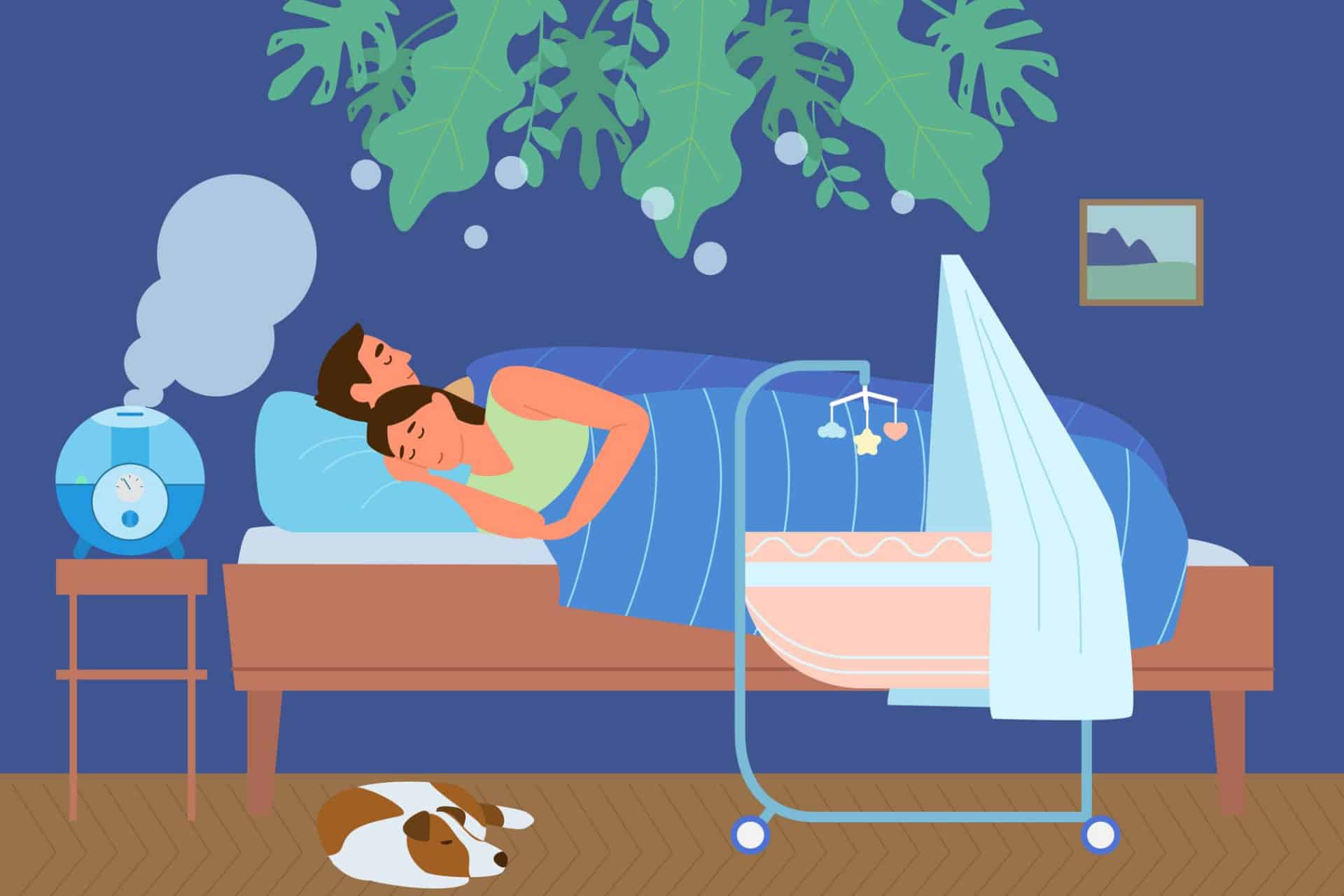
What sleeping with a humidifier really does
Dry air pulls moisture from your nose, throat, and skin. This can make you cough, snore, or feel clogged. A bedroom humidifier adds water vapor back into the air. When balanced, it supports your body’s natural defenses and helps you sleep deeper and wake up less irritated.
Healthy indoor humidity lands around 30% to 50%. In winter or in arid homes, levels can drop under 20%. If you ask, should you sleep with a humidifier, the real key is to keep that range stable and safe.
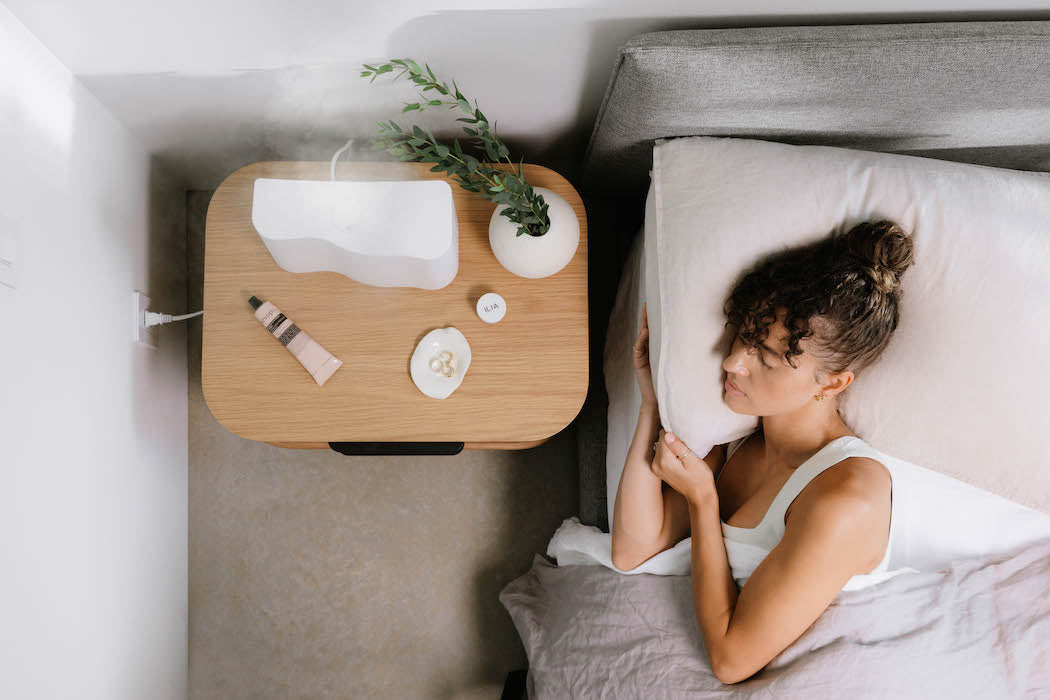
Benefits of sleeping with a humidifier
Using a humidifier at night can help in simple, everyday ways. These gains are strongest when your air is dry and your device is clean.
- Eases dry nose and throat. Moist air keeps mucus thin, so you breathe easier.
- May reduce snoring for some people. Humidity can calm airway dryness and help soft tissues vibrate less.
- Soothes coughs from colds. Moist air can ease irritation and help you clear mucus.
- Calms dry skin and lips. Your skin loses less water when humidity is stable.
- Helps allergy comfort. Proper moisture supports your nasal lining, which filters allergens better.
- Supports sleep quality. People often report fewer wake-ups and less morning scratchiness.
Clinical reviews suggest humidity can ease upper airway symptoms, especially in winter. If you wonder, should you sleep with a humidifier, these are the results most people notice first.
Risks and when you should not sleep with a humidifier
Humidity helps, but too much creates new problems. Over-humid air can push dust mite growth and mold. That can worsen allergies or asthma. Ultrasonic units may also release “white dust” if you use hard tap water.
Be cautious if you have mold issues, severe dust mite allergy, or a poorly ventilated room. Warm-mist units can cause burns if tipped, so keep them away from kids and pets. If you often ask yourself, should you sleep with a humidifier, first check that your room can stay between 30% and 50% humidity and that you can clean the unit well.

Ideal bedroom humidity and how to measure it
Aim for 30% to 50% relative humidity at night. Below 30% feels dry and irritating. Above 50% raises risks for dust mites and mold.
Use a small digital hygrometer on your nightstand. Check levels when you go to bed and when you wake up. If you keep asking, should you sleep with a humidifier, listen to the hygrometer more than your guess. It gives you clear, simple numbers.

Choosing the right humidifier for sleep
Each type has pros and trade-offs. Pick what fits your room, health, and routine.
- Ultrasonic cool mist. Very quiet and energy efficient. Use distilled water to avoid white dust.
- Evaporative (wick) cool mist. Self-regulating and no white dust. Slight fan noise and needs filter changes.
- Warm mist (steam). Kills many microbes in the tank and feels soothing. Higher energy use and burn risk.
- Hybrid or smart units. Built-in humidistats, timers, and auto modes. Great for hands-off use.
Helpful features for sleep include auto humidity control, a dark mode, a timer, and top-fill design. If your main goal is comfort and safety, and you ask should you sleep with a humidifier, choose a quiet cool-mist model with a humidistat.
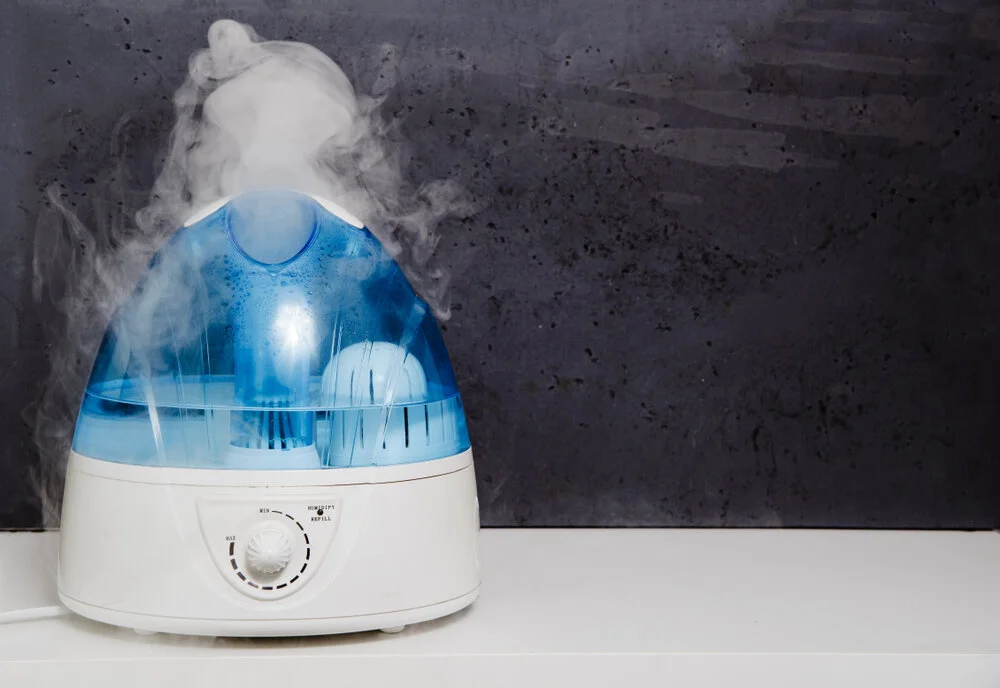
Setup and best practices for overnight use
Follow these steps for safe, steady results.
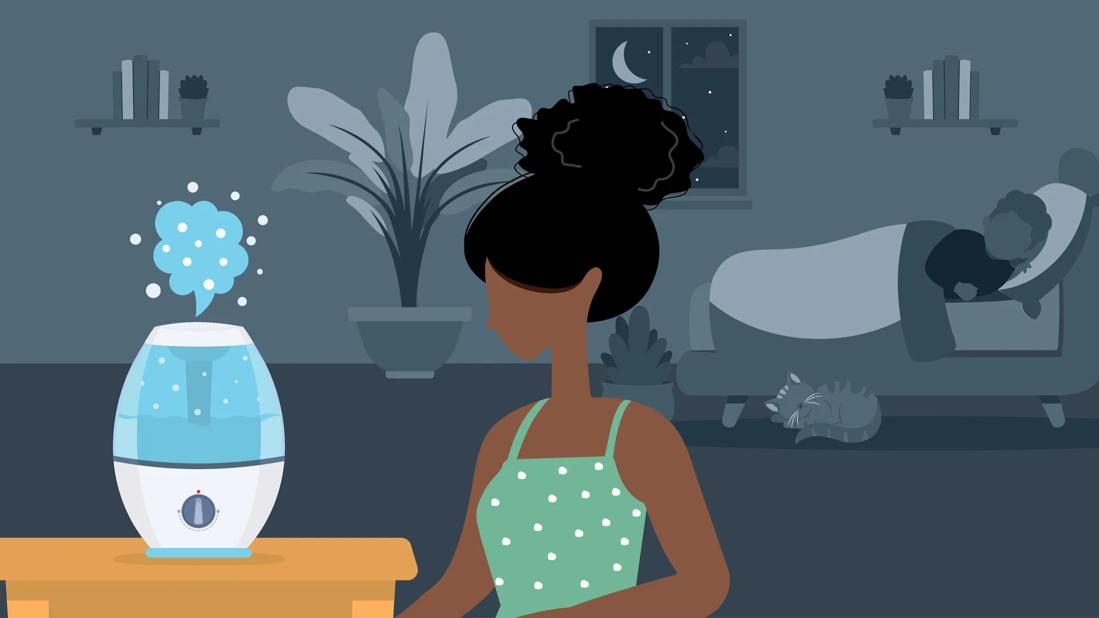
- Place it 3 to 6 feet from your head. Keep it on a stable, raised surface.
- Use distilled or demineralized water. This cuts white dust and microbe growth.
- Set target humidity to 40% to 45%. This is a sweet spot for most bedrooms.
- Keep vents clear. Do not blow mist onto walls, curtains, or windows.
- Run it 30 minutes before bed. Pre-humidify the room for faster comfort.
- Empty and dry the tank each morning. Bacteria need standing water to grow.
- For warm-mist models, keep cords tidy and out of reach. Safety first.
If you are weighing, should you sleep with a humidifier, these steps make the answer safer and more effective.
Cleaning and maintenance schedule
A clean humidifier is a helpful humidifier. A dirty one is not.
- Daily. Empty the tank, rinse, and air-dry. Refill with fresh distilled water.
- Twice weekly. Soak tank and base with a white vinegar solution for 20 minutes. Rinse well.
- Weekly. Disinfect using 3% hydrogen peroxide for 10 minutes, then rinse and air-dry.
- Monthly. Replace wicks or filters as directed. Inspect seals and gaskets.
- Always. Follow the manual for your model. Do not mix vinegar and bleach.
Research shows that poor cleaning can spread microbes. If you ask, should you sleep with a humidifier, commit to this routine so you gain benefits without the biofilm.
Real-world use cases and personal insights
In dry winter homes, I have seen humidifiers cut morning throat burn within a few nights. One family with baseboard heat kept 40% humidity and noticed less snoring and fewer nosebleeds. In my own room, an evaporative unit reduced static shocks and made my skin less tight.
For heavy allergies, results are mixed. Some clients feel better, but others feel worse if humidity creeps over 50%. If your question is should you sleep with a humidifier, try it with a hygrometer and track how you feel for two weeks.
Should you sleep with a humidifier if you have specific conditions?
Allergies and asthma
Balanced humidity can soothe airways, but too much can fuel allergens. Start at 40% and watch symptoms. If wheeze or congestion increases, reduce or pause use.
Sleep apnea or CPAP
Many CPAP devices include heated humidifiers for comfort. If your CPAP air feels dry, bedroom humidity near 40% can help. Check with your sleep specialist before making big changes.
Eczema or dry skin
Your skin barrier holds moisture better at stable humidity. Aim for 40% to 45% and use a gentle moisturizer at night. Clean the device often to avoid flare triggers.
Infants and children
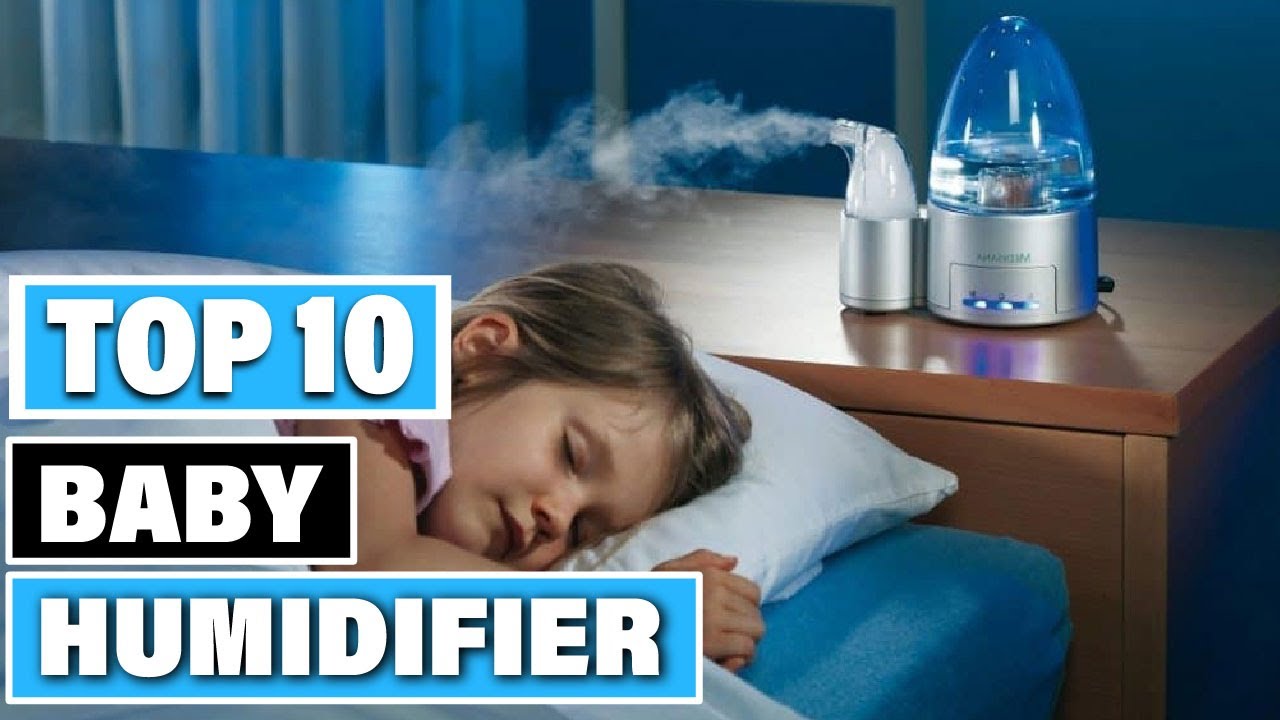
Cool-mist only for safety. Keep the unit out of reach and maintain 30% to 45% humidity. Watch for condensation on windows and adjust if needed.
Snoring
Dry air can worsen snoring in some people. A modest bump in humidity can calm tissues and reduce noise. Pair it with side-sleeping for better results.
Common myths and facts
- Myth: More humidity is always better. Fact: Over 50% can raise mold and dust mites.
- Myth: Warm-mist is best for colds. Fact: Warm and cool mist hydrate the same; pick by safety and comfort.
- Myth: Tap water is fine for all units. Fact: It can cause white dust in ultrasonic models.
- Myth: Cleaning once a month is enough. Fact: Daily emptying and regular cleaning are key.
- Myth: Humidifiers cure illness. Fact: They ease symptoms but do not treat the cause.
If you wonder, should you sleep with a humidifier, the truth sits in the middle: balanced and clean wins.
How to tell it’s working and quick troubleshooting
Good signs include easier breathing at night, fewer dry coughs, and less morning dryness. A hygrometer reading near 40% to 45% is also a win. Windows should stay clear, not foggy.
If you see condensation, lower the setting or move the unit. If there is a musty smell, deep-clean or replace wicks. If white dust appears, switch to distilled water or use an evaporative model. Questions like should you sleep with a humidifier often fade once these small tweaks lock in comfort.
Cost, energy, and environmental tips
Evaporative units use low power and have filter costs. Ultrasonic units use little power and may need distilled water. Warm-mist units draw more power but may need less water prep.
To save, use auto mode and a hygrometer. Run it only at night. Recycle filters when possible, and clean well to extend their life. If budget matters and you ask should you sleep with a humidifier, an evaporative model with auto control is a smart pick.
Frequently Asked Questions of should you sleep with a humidifier
Is it safe to sleep with a humidifier on all night?
Yes, if you keep humidity between 30% and 50% and clean the unit. Use cool mist in homes with children and pets for safety.
Will a humidifier help with snoring?
It can help if dry air is a trigger. Many people notice softer snoring when humidity is near 40%.
Can a humidifier make allergies worse?
Yes, if humidity is too high or the unit is dirty. Keep it clean and stay under 50% to avoid mold and dust mites.
Do I need distilled water?
It is best for ultrasonic units to prevent white dust. Evaporative models are more forgiving, but distilled water still helps.
How far should a humidifier be from the bed?
Keep it 3 to 6 feet from your head. Aim the mist into open space, not at pillows or walls.
Conclusion
So, should you sleep with a humidifier? Yes, if you keep humidity in the safe range and clean the device. The payoff is real: calmer airways, smoother skin, and steadier sleep.
Start simple tonight. Add a hygrometer, set 40% to 45%, and use distilled water. Track how you feel for two weeks and adjust. If this helped, share your results, subscribe for more home health tips, or leave a question—I’m here to help.

Table of Contents