A humidifier does not cool a room; it often makes air feel warmer.
Still curious why it feels different as you run one? This guide breaks down does a humidifier cool the room with clear science and real tips. I’ve tested dozens at home and in client spaces. You will learn what changes, what does not, and how to tune humidity for comfort without surprises.

The quick science: humidity, heat, and comfort
Humidity is the amount of water vapor in the air. When you add moisture, the dry-bulb temperature usually stays the same. The air can feel different because your skin cools by sweat evaporation. High humidity slows that process, so you feel warmer.
A humidifier does add a little energy to the room. Warm-mist models add heat you can measure. Ultrasonic and evaporative models add less heat, but they still draw power, and that turns into heat. If you ask does a humidifier cool the room, the physics says no in normal use.
Key ideas in plain terms:
- Dry air pulls moisture from your skin. You feel cooler but often dry and itchy.
- More humidity slows evaporation from skin. You feel warmer at the same thermostat setting.
- The right balance, often 40 to 50% relative humidity, feels best for most homes.
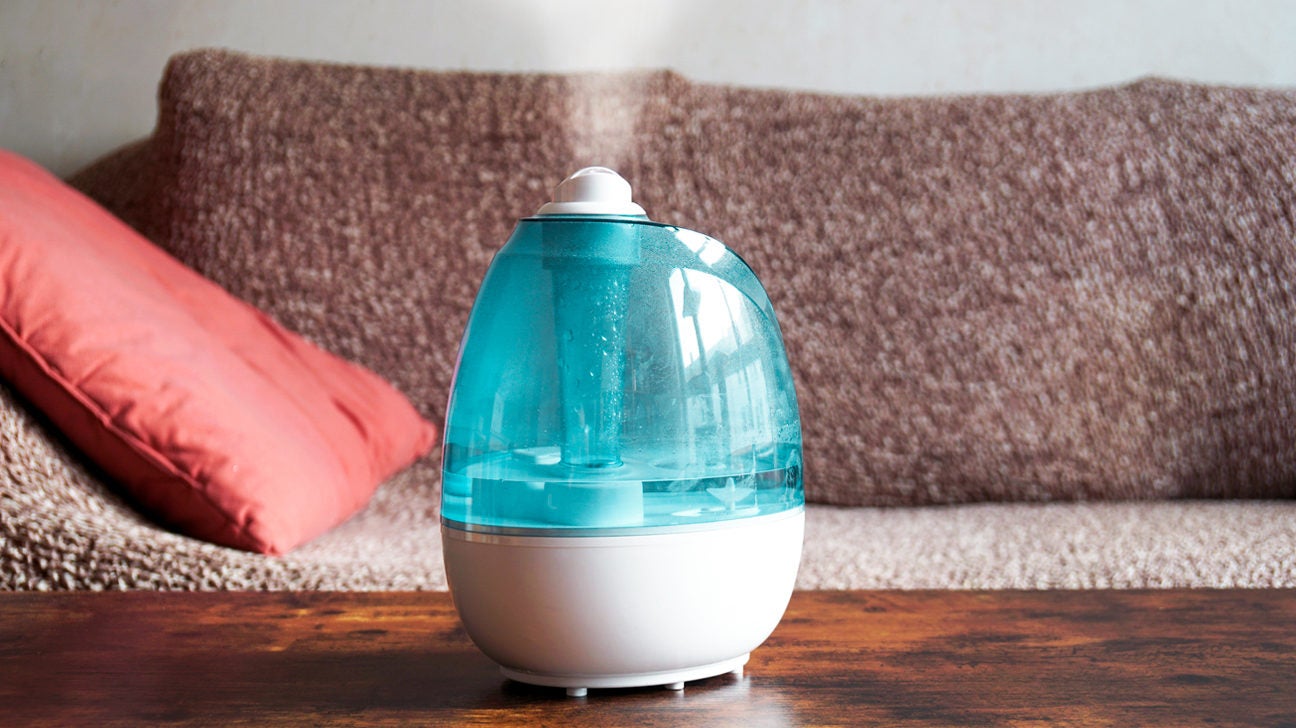
What actually changes: air temperature vs. how you feel
Most humidifiers do not drop the room’s temperature. Under some conditions, the air stream near an evaporative unit can be a touch cooler. But in a closed room, you are not getting real cooling. You are changing the moisture level.
Your body notices humidity more than small temperature shifts. That is why 75°F at 30% RH feels crisp, and 75°F at 60% RH can feel muggy. So when you ask does a humidifier cool the room, the honest answer is that it changes comfort more than it changes temperature.
Practical example:
- Winter, very dry air: Add humidity and you may feel warmer. You can often set the thermostat 1 to 2°F lower and stay comfy.
- Summer, already humid air: Add humidity and it feels warmer and stuffier. Avoid it unless a doctor suggests it for health reasons.
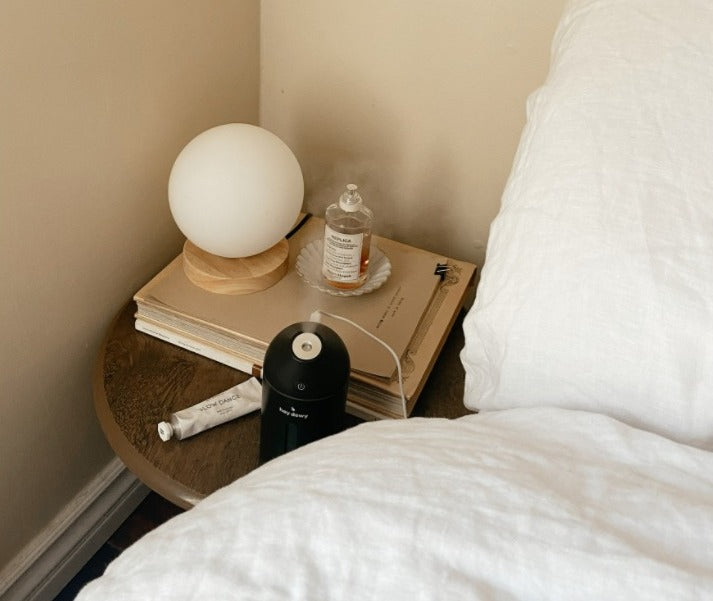
When a humidifier can seem to cool (and why it’s misleading)
You might feel a cool puff if you stand in the mist. This is short-term and local. Water droplets can absorb heat as they evaporate, so that small spot may feel cool.
But zoom out to the whole room. The device still adds electrical heat. There is no active heat removal. If you ask does a humidifier cool the room, the effect is tiny, brief, and often reversed by the added humidity that makes you feel warmer.
Tips to avoid that clammy feel:
- Keep RH around 40 to 50% in living spaces.
- Use a hygrometer and check often.
- If you see window fog or damp walls, turn it down right away.
:max_bytes(150000):strip_icc()/GettyImages-1288969894-2000-ae74e9b633be40a9ad5fe6eb3737350d.jpg)
Types of humidifiers and their temperature effects
Not all models behave the same. Here is the simple rundown.
- Ultrasonic cool-mist: Quiet, low power. Does not cool the room. Can make it feel warmer at higher RH. May leave white dust if you use hard water.
- Evaporative (wick and fan): Moves air across a wet filter. Air in the flow can feel slightly cooler but the room does not cool in practice. Often good for larger rooms.
- Warm-mist (steam): Heats water and releases warm vapor. This can raise the local air temperature a bit. Best for small rooms in winter.
- Whole-home systems: Tied to HVAC. They set RH across the house. They do not cool the room either; they just control moisture more evenly.
So, does a humidifier cool the room? For every type above, the clear answer is still no for the space as a whole.
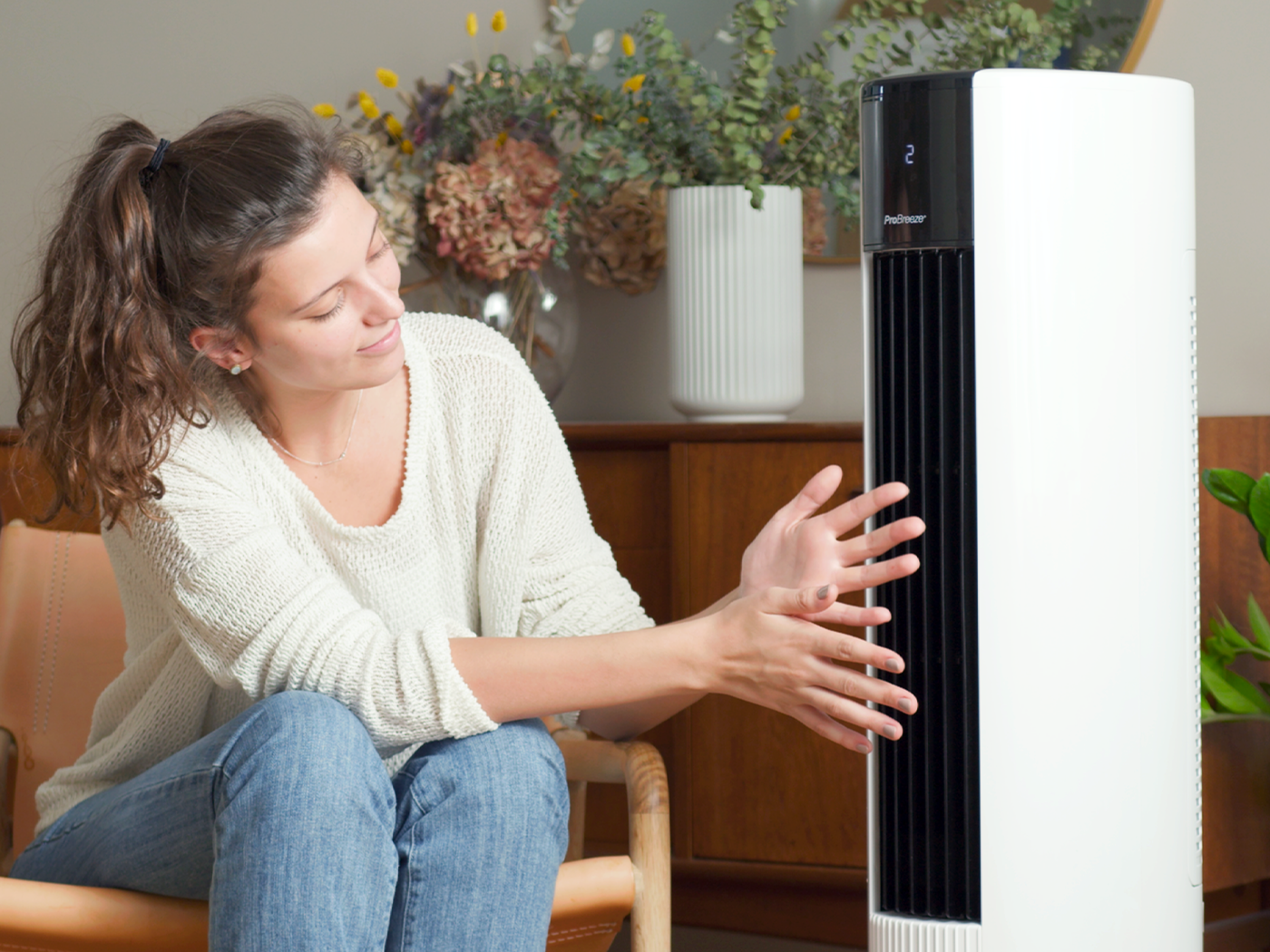
Ideal humidity targets for comfort and health
The sweet spot for most homes is 40 to 50% RH. This range helps with skin, throat, wood furniture, and static shock. It often feels warmer and calmer without being muggy.
In cold climates, stay closer to 35 to 40% to avoid window condensation. In warm climates, watch that you do not push RH above 55 to 60%, or mold risk goes up fast. This is the real answer behind does a humidifier cool the room: hitting the right RH makes comfort better, not cooler.
Quick targets:
- Winter: 35 to 45% RH
- Spring/Fall: 40 to 50% RH
- Summer with AC: 45 to 55% RH

Real-world lessons from testing at home and on the job
In my own home, winters used to feel sharp and dry at 25% RH. I ran an evaporative unit to 40 to 45% RH. The room did not cool. It felt warmer at the same 70°F set point. We lowered the thermostat to 68°F and felt the same comfort.
In a client loft, we tried an ultrasonic in late summer. The space was already at 55% RH. Pushing to 60% made the room feel heavy. The answer to does a humidifier cool the room was clear there. It does not. We moved to better AC and a dehumidifier, and comfort jumped.
What worked best:
- Always use a hygrometer. Guessing is not enough.
- Set a simple schedule. Run less at night if windows fog.
- Use distilled water with ultrasonic models to avoid white dust.

Humidifier vs. AC, dehumidifier, and evaporative cooler
People mix these up, so let’s make it simple.
- Air conditioner: Removes heat and moisture. This cools the room and lowers RH.
- Dehumidifier: Removes moisture and adds a bit of heat to the room as it runs.
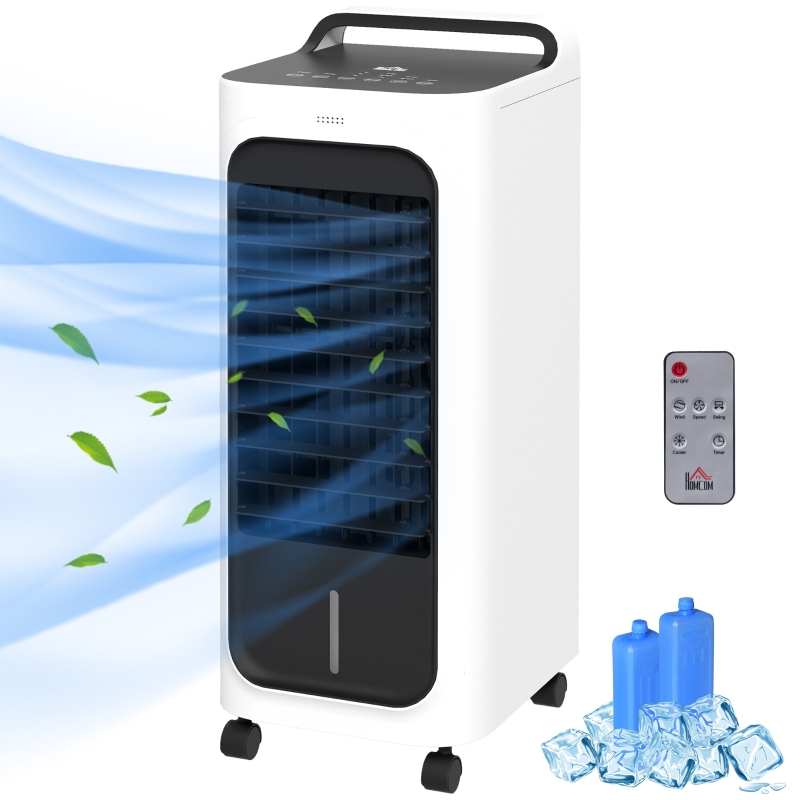
- Evaporative cooler (swamp cooler): Adds moisture to air to cool it, but only in very dry climates. It is not a standard humidifier.
- Humidifier: Adds moisture. It does not remove heat. If you ask does a humidifier cool the room, the comparison shows why the answer is no.
Use cases:
- Dry winter? A humidifier helps your comfort and your wood floors.
- Hot and humid summer? Skip the humidifier. Use AC or a dehumidifier.
How to use a humidifier without overheating your space
You can enjoy the benefits and avoid that muggy feel with a few habits.
Setup tips:
- Place it in the center third of the room, not in a corner.
- Keep it off the floor if you can. A small table is ideal.
- Aim mist away from walls and windows to prevent damp spots.
Control tips:
- Track RH with a meter. Adjust daily if the weather shifts.
- Use a timer or built-in humidistat if available.
- Stop if you see condensation, musty smells, or visible damp dust.
Care tips:
- Clean the tank weekly with mild soap. Rinse well.
- Descale as needed. Minerals can build up fast.
- Use distilled water in ultrasonic units to avoid white dust.
These steps do not make a humidifier cool the room. They do make your air safer and more comfortable.
Frequently Asked Questions of does a humidifier cool the room
Does a humidifier cool the room at all?
Not in a meaningful way. It can change how the air feels, but it does not remove heat.
Why does air feel warmer when humidity goes up?
Higher humidity slows sweat evaporation on your skin. With less evaporation, your body sheds less heat and you feel warmer.
Can standing near a cool-mist stream make me feel cooler?
Yes, for a moment near the nozzle. That effect is local and small, and the overall room still does not cool.
Will using a humidifier help me save on heating in winter?
Yes, often by 1 to 2°F on the thermostat. Air at 40 to 45% RH can feel warmer at a lower set point.
Is an evaporative cooler the same as a humidifier?
No. An evaporative cooler is designed to cool by evaporation in dry air. A standard humidifier adds moisture for comfort and does not cool a room.
What humidity level should I aim for?
Aim for 40 to 50% RH most of the time. Adjust down in very cold weather to avoid window fog.
Does a warm-mist humidifier heat a room?
Slightly, yes. It boils water and adds warm vapor, which can raise the local temperature a bit.
Conclusion
If you are asking does a humidifier cool the room, the clear answer is no. It changes moisture, not heat, and higher humidity often feels warmer. The real win is comfort and health when you aim for 40 to 50% RH and avoid overdoing it.
Try a small test. Set a target RH, watch it with a meter, and note how you feel at the same thermostat setting. If this helped, subscribe for more home comfort guides, or drop your questions in the comments.

Table of Contents