Use safe glass, silicone, or labeled plastics; avoid heating plastic; store smart.
If you want healthy meal prep that lasts, start with safer gear. I’ve tested many BPA-free containers for meal prep in real kitchens and busy weeks. This guide shares clear steps, science-backed tips, and real-life tricks. You will learn how to pick, pack, store, and reheat with BPA-free containers for meal prep that fit your life.
Why BPA matters for meal prep
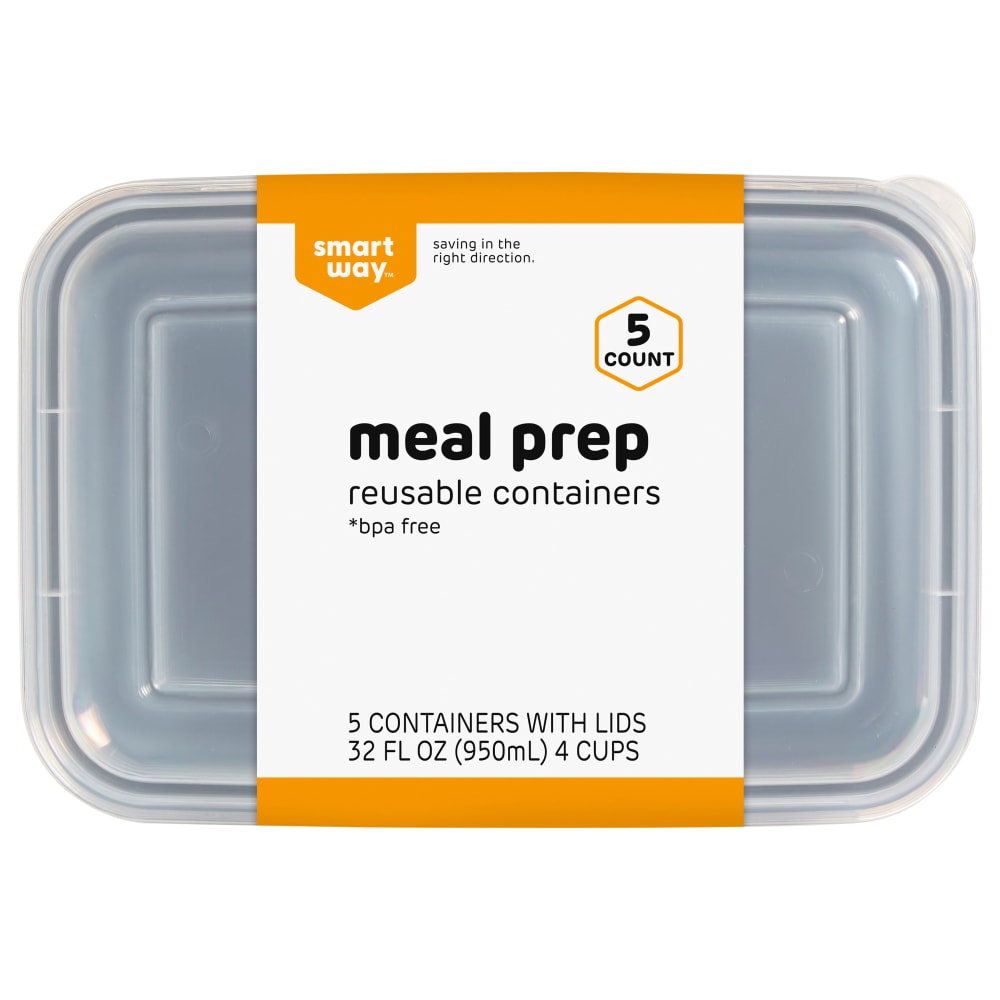
BPA stands for bisphenol A. It is a chemical used to harden some plastics and resins. It can move into food, especially with heat, acid, or long storage. BPA exposure links to hormone issues in lab studies. That is why many people now choose BPA-free containers for meal prep.
BPA-free means the product does not use BPA. It does not mean all risk is zero. Some makers use swaps like BPS or BPF. The science on those is still growing. A simple rule helps a lot. Limit heat with plastic. Choose glass or silicone for hot food. Use BPA-free containers for meal prep for cold storage and dry snacks.
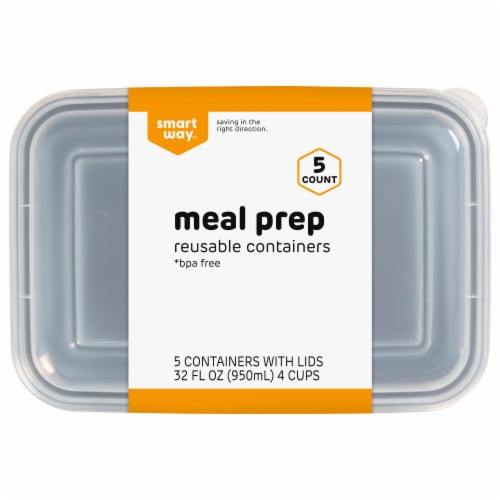
Check the recycling code. PP is #5 and is often BPA-free. PET is #1 and is not for heat. PC is #7 and may have BPA unless marked BPA-free. Also check labels for microwave-safe and dishwasher-safe icons.
In my kitchen tests, cool food before sealing. This lowers steam and stains. It also cuts the chance of leaching. Use BPA-free containers for meal prep with tight lids only after food is cool.

Types of BPA-free containers for meal prep
Different foods need different tools. Here are the top BPA-free containers for meal prep and when to use them.
Tempered glass containers
- Best for: reheats, oven use, layered bowls.
- Pros: no leaching risk, easy to clean, no stains.
- Cons: heavier, can break with drops or thermal shock.
Polypropylene plastic (#5)
- Best for: cold meals, snacks, pantry staples.
- Pros: light, budget-friendly, stack well.
- Cons: can warp with heat, can scratch and hold odors.
Tritan copolyester
- Best for: salads, fruit, clear view meal kits.
- Pros: clear like glass, tough, BPA-free by design.
- Cons: not for high heat; check microwave rating.
Platinum-cured silicone bags and containers
- Best for: freezer, sous vide, wet items.
- Pros: flexible, leak-resistant, space-saving.
- Cons: can pick up smells; needs deep clean now and then.
Stainless steel
- Best for: dry goods, on-the-go lunches, kids.
- Pros: durable, light for its size, no stains.
- Cons: not microwave-safe; can dent; not see-through.
A mixed kit works best. Use glass for hot items. Use silicone for freezer. Use PP or Tritan for fresh, cold meals. This blend makes BPA-free containers for meal prep simple and safe.
How to choose the right BPA-free containers for meal prep
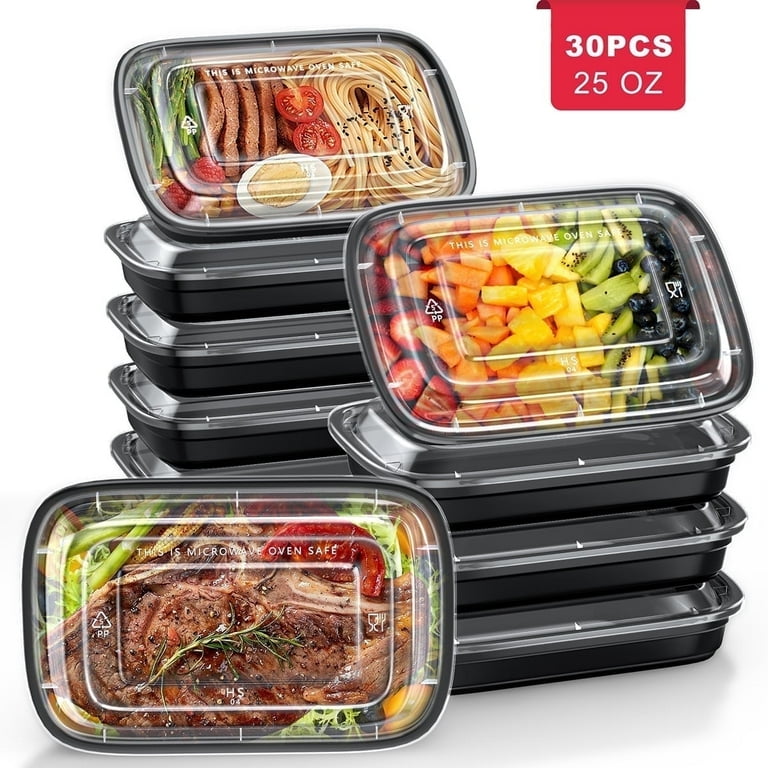
Pick what fits your plan and your space. Use these quick checks.
- Size and portions: choose 1-cup to 4-cup sizes for sides and mains. Use bento styles for balanced plates.
- Lids and seals: look for snap locks and a gasket. A vent tab helps with steam.
- Heat use: if you reheat a lot, choose glass with vented lids. Avoid heating plastic when you can.
- Freezer-friendly: pick thick glass or silicone. Leave headspace for soups and sauces.
- Stacking and storage: choose a set that nests. Your shelf will thank you.
- Clear labels: BPA-free and microwave-safe marks help you trust the gear.
I test lids by shaking a water-filled container over the sink. If it leaks, it does not join my BPA-free containers for meal prep lineup. Your meals are too good to lose to a soggy bag.

Step-by-step: meal prep using BPA-free containers
Use this simple flow for a smooth weekend prep.
- Plan meals: write three mains, two sides, one snack. Aim for color and protein.
- Shop smart: buy in bulk and pre-cut veg if time is tight.
- Cook in batches: roast trays, simmer grains, and grill protein at once.
- Cool fast: spread food on a sheet to drop heat within 30 minutes.
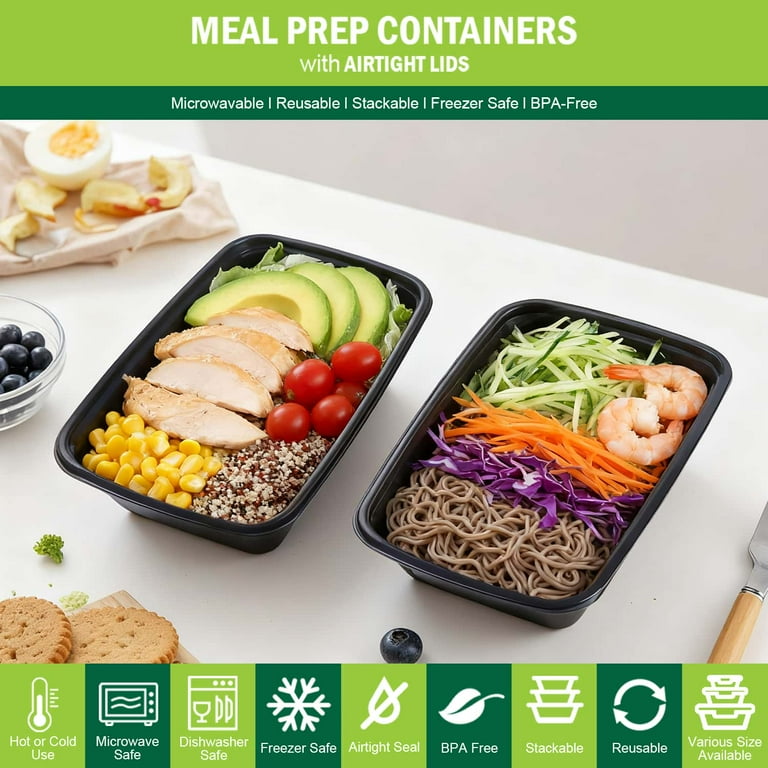
- Pack by heat use: hot meals into glass, cold salads into Tritan or PP, soups into silicone.
- Portion and layer: heavy items on the bottom, sauces in small cups, greens on top.
- Label and date: add name, macros if you track, and a use-by.
- Store by schedule: front row for early week meals, back row for later.
My go-to setup uses BPA-free containers for meal prep like this: glass for chili, silicone for smoothie packs, Tritan for chopped fruit, and PP for nuts. This mix keeps food fresh and makes mornings calm.
Safe heating, cooling, and storage practices
Heat speeds wear on plastic. Play it safe.
- Cooling: let food reach room temp within two hours. Then refrigerate.
- Microwaving: use glass when you can. If you must use plastic, be sure it is microwave-safe, vent the lid, and avoid high-fat or tomato sauces.
- Oven: only use oven-safe glass and remove plastic lids.
- Freezer: leave space for expansion. Press out air in silicone bags. Freeze flat for easy stacking.
- Fridge zones: keep cooked meals on the top shelf. Keep raw meat far below.
Avoid shock. Do not move a hot glass dish into a cold fridge. I rest hot glass on a dry towel first. This small step saves containers and food. It also extends the life of BPA-free containers for meal prep.

Cleaning and maintenance tips
Clean gear lasts longer and stays safe.
- Dishwasher: top rack for plastic, any rack for glass. Skip high heat dry for plastic.
- Hand wash: use warm water and a soft sponge. Avoid harsh scrub pads on plastic.
- Stain and odor fixes: soak with baking soda and warm water. For tough smells, add a splash of vinegar.
- Inspect often: replace cracked, cloudy, or warped lids. Scratches can hold grease and smells.
- Gasket care: remove, wash, and dry seals. This stops mold and keeps the seal tight.
Good care makes BPA-free containers for meal prep last for years. I track lids and bases as pairs, so nothing goes missing.
Labeling and organization system
A clean system saves time each week.
- Color code: blue lids for proteins, green for veg, red for sauces.
- Labels: use painter’s tape with date and meal name. It peels clean.
- FIFO method: first in, first out. New meals go to the back.
- Shelf map: top shelf for ready-to-eat, middle for grab-and-go, bottom for bulk.
This setup keeps BPA-free containers for meal prep easy to find. It also cuts waste and guesswork.

Sustainability and cost tips
You can save money and cut waste at the same time.
- Start small: buy a base set, then add sizes you use most.
- Replace parts: swap lids and gaskets instead of whole sets.
- Choose durable: tempered glass and silicone last longer under stress.
- Reuse smart: keep a few older PP tubs for dry pantry storage.
- Buy once: pick brands with clear safety marks and long warranties.
I built my kit over a year. Now my BPA-free containers for meal prep cover every meal without clutter.
Common mistakes to avoid
- Filling while hot: this traps steam and can warp lids.
- Microwaving any plastic: always check the symbol. When unsure, use glass.
- Overpacking: food needs space for air and even cooling.
- Mixing sauces early: keep dressings and crunchy items separate.
- Skipping labels: this leads to waste and mystery meals.
Steer clear of these, and your BPA-free containers for meal prep will serve you well.
Frequently Asked Questions
Are BPA-free containers safe to microwave?
They can be, if labeled microwave-safe. Still, glass is the safer bet for heat, and plastic should be vented and used at low power.
How do I know if a container is BPA-free?
Look for a clear BPA-free mark on the packaging or base. Check the resin code: #5 PP is often BPA-free, while #7 may not be unless stated.
Can I put hot food directly into BPA-free plastic?
Let it cool first for 15 to 30 minutes. Heat and steam can raise leaching and may warp lids.
Do silicone bags work in the freezer?
Yes, silicone bags are great for freezer use. Press out air, lay them flat to freeze, then stand them up to save space.
What containers are best for soup and stews?
Use tempered glass or thick silicone. Leave headspace to avoid spills and cracking as liquids expand.
How long can meal prepped food last in the fridge?
Most cooked meals last three to four days when stored cold. Freeze portions you will not eat by day three.
Are BPA-free containers for meal prep stain-proof?
Glass resists stains. Plastic can stain with tomato or curry, so use glass for those or add a parchment layer.
Do I need to replace scratched containers?
Yes, replace scratched plastic. Scratches trap grease and make cleaning hard, which can affect food quality.
Conclusion
Safe prep starts with smart gear and simple habits. Build a small, flexible kit of BPA-free containers for meal prep, favor glass for heat, and label everything. Keep food cool before sealing, reheat wisely, and clean with care.
Start this week. Pick three meals, gather a few BPA-free containers for meal prep, and follow the step-by-step plan. If this guide helped, share it, subscribe for more tips, or leave a question so I can help you dial in your setup.

Table of Contents