Running a dishwasher with well water requires specific filtration steps to prevent appliance damage. You cannot simply connect the machine and expect standard results. Mineral content varies wildly between private wells and municipal supplies.
High iron levels above 0.3 ppm stain racks permanently according to EPA secondary standards. We recommend testing your supply before installing any new appliance. Proper treatment protects your investment and ensures clean dishes every time.
How to Run a Dishwasher With Well Water
You need softened water below 3 grains per gallon for best results. Install a whole-house softener or a dedicated point-of-use filter. Connect the dishwasher inlet to the treated water line directly.
Adjust your detergent dosage down by half when using soft water. Rinse aid prevents spotting on glassware during the drying cycle. Retest your water annually to maintain system efficiency.
This approach prevents limescale buildup inside the pump and heating element. Manufacturer warranties often require specific water quality thresholds for coverage. Ignoring these specs voids protection against premature failure.
Our research shows most failures stem from untreated hard water minerals. You save money long-term by treating the source instead of repairing damage. Proper setup extends appliance life beyond the ten-year average.
Problem – Why Conventional Dishwashers Fail on Well Water
Standard machines assume municipal water quality during their design phase. Private wells often contain excess iron and manganese that clog valves. Sediment buildup restricts flow and reduces washing pressure significantly.
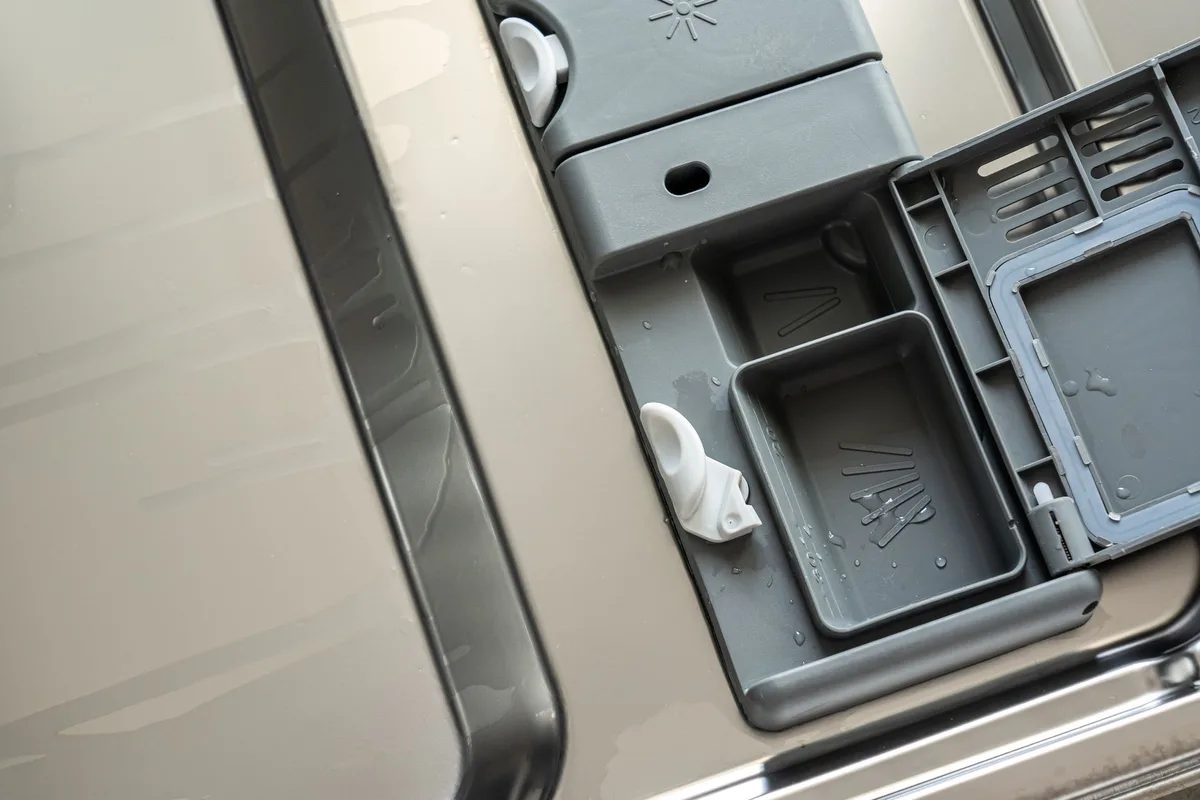
Rust stains appear orange on plastic racks and white dishes alike. Cloudy glassware indicates silica or hardness deposits baking onto surfaces. Heating elements corrode faster when exposed to acidic well water.
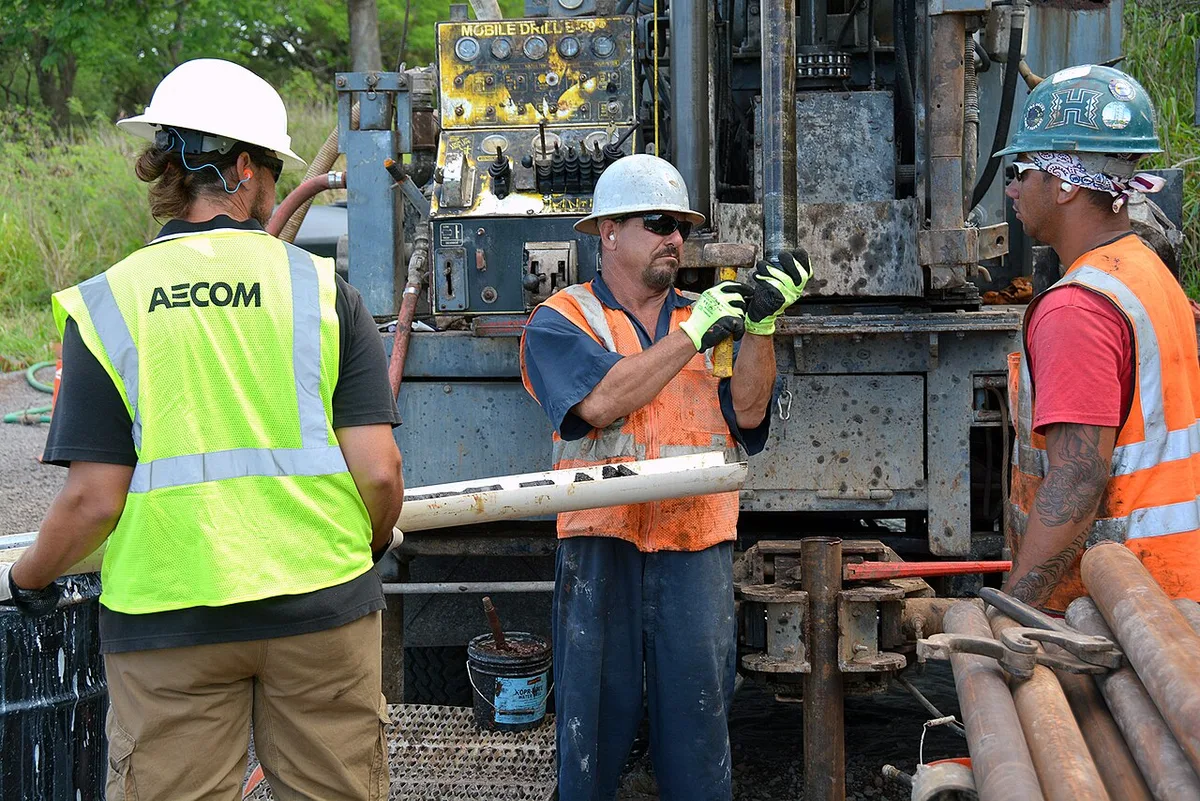
Inlet screens trap debris but clog quickly without pre-filtration. Detergent fails to dissolve properly in high mineral concentrations. You notice soap scum residue remaining after the cycle ends.
Warranty claims get denied when water quality exceeds manufacturer limits. Many brands specify maximum hardness levels in their technical documentation. Ignoring these rules costs you more than a filtration system.
Core Explanation – How Water Quality Impacts Dishwasher Performance
Water chemistry dictates how well detergent activates during the wash cycle. Hard minerals bind with soap molecules and reduce cleaning power. You end up using more detergent for worse results.
High total dissolved solids leave spots as water evaporates off dishes. pH levels outside the 6.5 to 8.5 range cause corrosion. Acidic water eats through metal components faster than neutral supplies.
Sulfur creates a rotten egg smell that transfers to clean glassware. Iron oxidizes during the heated dry cycle and leaves rust marks. These stains become permanent without immediate filtration intervention.
Per NSF testing standards, softeners remove calcium and magnesium effectively. You need oxidizing filters for iron removal before the softener stage. Layering treatment methods ensures comprehensive protection for appliances.
Features & Components – The Toolbox for a Well‑Water Kitchen
You need specific equipment to treat well water for dishwashing safely. A water softener uses ion exchange resinto swap calcium and magnesium with sodium. This process lowers hardness below 3 grains per gallon.
You should pick a unit sized for your household usage. Larger families need higher grain capacity tanks.
Water Softener Types and Capacities
Capacity is measured in grains. Most residential systems range from 24,000 to 64,000 grains. You calculate needs by multiplying daily water usage by hardness levels.
Oversizing prevents frequent regeneration cycles that waste salt.
Iron Filtration Media
Iron fouls standard resin quickly. You need specialized media like BIRM or manganese greensand. These oxidize dissolved metals into solid particles.
A sediment filter then traps the rust before water reaches your appliances.
Dedicated Dishwasher Lines vs. Bypass Options
Route your dishwasher inlet directly from the softened water line. Some homeowners bypass the softener for kitchen taps to save salt. Never let the appliance draw from raw well water.
Bypass configurations require careful plumbing to prevent cross-connections.
NSF/ANSI Certifications You Should Spot
Look for NSF Standard 44 ratings on residential softeners. This verifies health effects and structural integrity. Standard 62 covers drinking water treatment units.
Certified equipment ensures your treatment meets safety benchmarks.
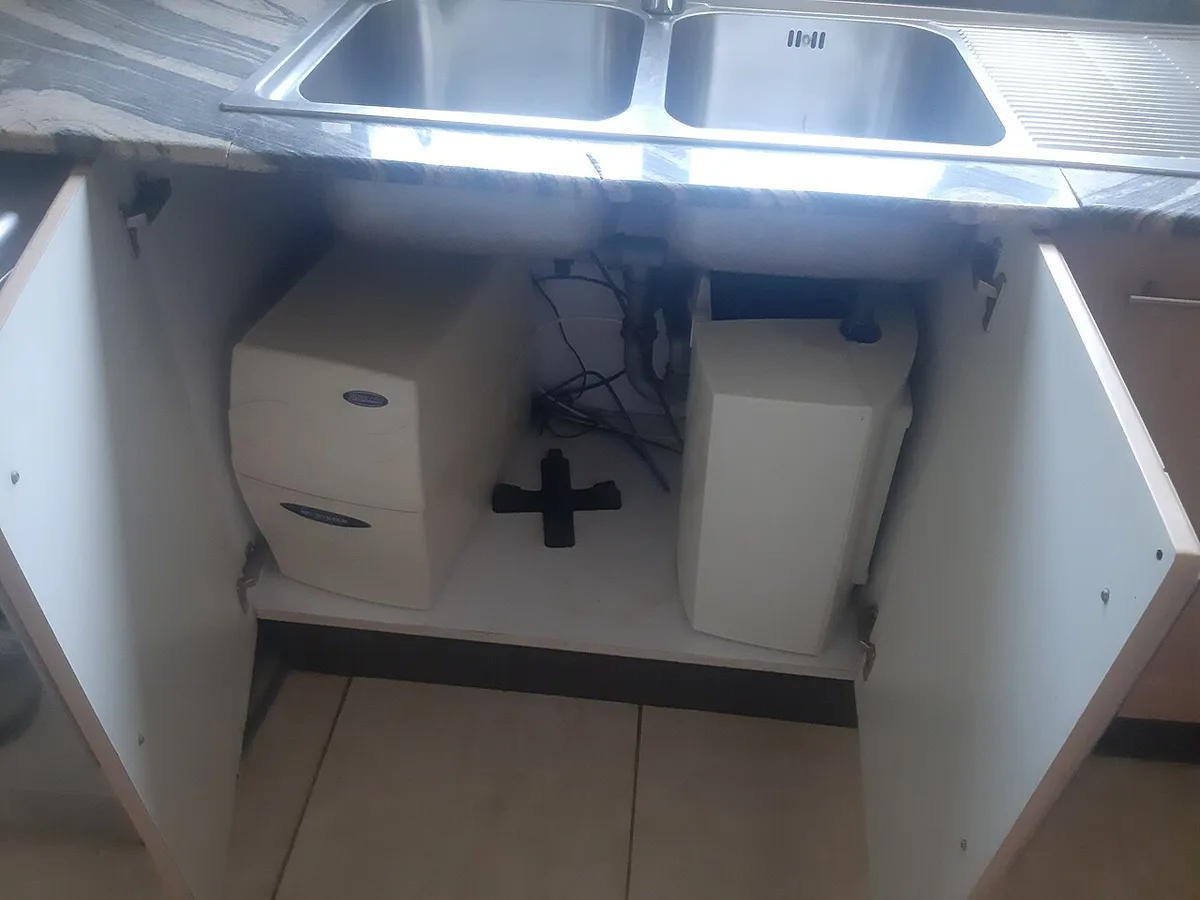
Proper setup requires more than just buying a machine. You need to match treatment to your specific water chemistry. The right combination protects your plumbing and appliances long-term.
Step‑by‑Step Process – From Test to Touch‑Down
Start by understanding your water before buying anything. Skipping analysis leads to costly equipment mismatches. Follow these steps to ensure reliable performance.
1. Sample Your Well Water and Analyze
Collect samples in sterile bottles from a cold water tap. Run all fixtures for five minutes before collecting. Send samples to a certified lab for full panel testing.
Results show exact iron, hardness, and pH levels.
2. Size the Softener and Filter Systems
Use lab data to select your equipment. High iron requires a dedicated oxidation tank first. Calculate softener capacity based on peak daily demand.
Order a unit 20 percent larger than calculated needs for longevity.
3. Install the Dedicated Dishwasher Line
Run a separate copper or PEX line to the kitchen. Connect it directly to the softener output manifold. Avoid long horizontal runs that trap sediment.
Ensure the inlet valve has a built-in screen for debris.
4. Configure the Regeneration and Maintenance Schedule
Program the control valve for demand-initiated regeneration. This triggers cycles only when resin capacity drops. Check salt levels weekly to prevent bridging.
Backwash sediment filters every three months.
5. Adjust Detergent and Rinse Aid
Soft water requires less cleaning power. Reduce your detergent dose by half immediately. Increase rinse aid settings to prevent glass spotting.
Monitor wash results and tweak doses monthly.
Common Mistakes & How to Avoid Them
Most well water issues stem from incorrect setup or neglect. Addressing these errors early saves money and frustration.
Skipping Water Tests
Guessing your mineral levels causes poor equipment selection. You might buy a softener that cannot handle heavy iron. Always pay for professional lab analysis first.
The $50 investment prevents thousands in repairs.
Using the Wrong Salt for Softening
Cheap red salt leaves impurities in the brine tank. These additives foul the resin and reduce efficiency. Buy 99.5 percent pure evaporated salt or pellet salt.
Pure options keep your system running cleanly.
Ignoring Sediment Build‑Up
Sand and silt bypass filters over time. These particles jam inlet screens and spray arm jets. Flush lines annually and clean inlet screens quarterly.
Regular maintenance maintains optimal water pressure.
Over‑Softening and Residue Issues
Excessively soft water makes detergent foam excessively. You will notice suds on the kitchen floor. Lower the detergent dose until foaming stops.
Adjust rinse aid to balance the wash cycle.
Cost & Specs – What to Expect on Your Wallet and Floor Plan
Investment costs vary based on water quality and system complexity. Understanding these figures helps you budget accurately.
Softener Grain Capacity and Replacement Costs
Basic systems start around $600 and install for $1,000. High-capacity models with iron removal cost up to $2,500. Salt expenses run $100 to $200 annually depending on usage.
Budget for resin replacement every seven years.
Filter Media Lifespan and Replacement Frequency
Oxidizing media lasts five to eight years before losing effectiveness. Sediment cartridges need changing every six months. Track installation dates to schedule replacements proactively.
Neglect leads to rapid performance drops.
Installation Labor vs. DIY Potential
Professional installation ensures proper venting and drainage. Plumbers charge $150 to $250 per hour for complex reroutes. DIY saves money but risks code violations.
Verify local regulations before attempting self-installation.
Expert Tips – Pro Secrets for Long‑Term Success
Small adjustments yield massive performance gains over time. Treat your water system like a living asset.
Matching Water Quality to Specific Dishwasher Models
Premium brands like Miele handle lower temperatures well. They rely less on chemical cleaning power. Standard models need hotter water to break down minerals.
Check manual specifications for ideal inlet temperatures.
Managing High Sulfur Levels
Hydrogen sulfide smells terrible and taints dishes. Chemical media filters remove sulfur effectively. Add a catalytic carbon filter downstream if odors persist.
Regular sanitization prevents bacterial growth in wet media.
Optimizing Rinse Aid for Soft Water
Soft water accelerates dryingbut can leave spots if rinsing is incomplete. You should increase the rinse aid dispenser setting to the maximum level. The extra surfactant helps water sheet off glassware completely.
This prevents mineral spots from baking onto the surface.
What to Do When the Softener Fails Mid‑Cycle
Power outages or salt depletion can ruin a wash load. Check your salt levels immediately if dishes come out dirty. Run a quick rinse cycle to clear undissolved detergent.
Never restart a full cycle without flushing the system first.
Resin exhaustion happens if you skip maintenance. Your water softener needs a manual regeneration to restore capacity. Follow the manufacturer reset procedure to restart the tank.
This saves you from ordering a replacement unit prematurely.
Frequently Asked Questions
How often should I test my well water for dishwashing?
Test your supply at least once a year. Seasonal changes affect mineral concentrations and pH levels. Retesting after heavy rains or droughts catches sudden shifts.
Fresh data keeps your filtration equipment sized correctly for current conditions.
Can I use a point-of-use filter instead of a whole-house system?
Yes, you can install a small softener under the sink. These units treat water only for the dishwasher connection. They save salt and reduce plumbing complexity.
Whole-house systems are better if you also bathe in hard water.
What detergent works best with softened well water?
Enzymatic gels and powders perform best in soft water. Pods often contain too much detergent for treated supplies. Reduce the dose to one-quarter of the standard recommendation.
Less suds mean better rinsing and spot-free glass.
Will my dishwasher warranty void if I use well water?
Warranties remain valid if water quality meets specs. Manufacturers require hardness below 7 grains per gallon. Iron and sediment must stay under specific limits.
Document your water test results to prove compliance during claims.
How do I remove existing rust stains from dishwasher racks?
Soak the racks in a vinegar and water solution overnight. The acid breaks down the iron oxide deposits. Scrub gently with a non-abrasive sponge afterward.
Re-run a cleaning cycle to flush remaining particles from the tub.
Is it safe to drink softened water from the kitchen tap?
Softened water is safe for cooking and drinking for most people. It contains added sodium which replaces calcium and magnesium. Those on strict low-sodium diets should install a bypass valve.
Keep the kitchen faucet on raw water for health reasons.
Final Recommendation – Decision Guide for Your Well‑Water Kitchen
Running a dishwasher with well water demands a structured approach. You cannot rely on municipal-style maintenance routines. The core strategy hinges on testing your supply first.
Knowing your iron and hardness levels dictates the right equipment.
Start with a comprehensive lab analysis before buying anything. The data guides your selection of softeners and iron filters. Sizing the system for your household prevents premature failure.
Installation requires dedicated lines to ensure pure water reaches the machine.
Maintenance separates successful owners from those with costly repairs. Check salt levels weekly and backwash filters quarterly. Adjust detergent and rinse aid settings to match your soft water.
These small tweaks deliver spotless dishes every time.
Invest in NSF certified equipment to meet warranty requirements. Quality components last longer and protect your plumbing network. You will save money by preventing scale buildup and rust damage.
Your appliance runs smoother and lasts well beyond ten years.
Commit to annual water testing to catch quality changes. Seasonal shifts alter your mineral profile without warning. Adapting your system settings keeps performance consistent year-round.
Proper water treatment turns a risky setup into a reliable kitchen workhorse.

Table of Contents