To remove hard water stains from a dishwasher, you need to understand the source of the problem and the right approach to solve it. Hard water mineral film forms on dishes due to the high concentration of calcium and magnesium ions in the water. As of 2026, many households face this issue, especially in areas with hard water supply.
The first step is to identify your stain severity and water hardness.
The process of removing hard water stains involves several steps, including preparing the right cleaning solution, applying it to the affected areas, and rinsing thoroughly. It’s essential to follow a systematic approach to ensure effective removal of the stains. In this article, we will guide you through the process, highlighting the key considerations and best practices.
How to Remove Hard Water Stains From a Dishwasher
To remove hard water stains from a dishwasher, start by identifying the severity of the stains and the hardness of your water supply. You can use a water hardness test strip to determine the level of calcium and magnesium ions in your water. According to the USGS, water hardness is classified into four categories: soft (0-60 mg/L), moderately hard (60-120 mg/L), hard (120-180 mg/L), and very hard (above 180 mg/L).
How Hard Water Mineral Film Forms on Dishes
Hard water mineral film forms on dishes when the water evaporates, leaving behind a white, chalky residue. This residue is primarily composed of calcium carbonate, which is the result of the reaction between calcium ions and carbonate ions in the water. The formation of this film can be accelerated by high temperatures, drying cycles, and the presence of other minerals in the water.
Per NSF/ANSI 184 standards, residential dishwashers are designed to handle a certain level of water hardness, but excessive mineral buildup can still occur.
Identifying Your Stain Severity and Water Hardness
Identifying your stain severity and water hardness is crucial in determining the best approach to remove hard water stains from your dishwasher. You can use a water hardness test strip, like the one shown here, to measure the level of calcium and magnesium ions in your water.

Picking the Right Cleaner for Your Dishwasher Tub
When it comes to picking the right cleaner for your dishwasher tub, you have several options, including citric acid, white vinegar, and commercial descalers. Citric acid is a popular choice because it is effective in removing mineral deposits and is generally safe for most dishwasher components.
Citric Acid vs. White Vinegar
Citric acid and white vinegar are both commonly used to remove hard water stains from dishwashers. However, they have different properties and uses. Citric acid is a stronger acid and is more effective in removing heavy mineral buildup, while white vinegar is gentler and better suited for maintenance cleaning.
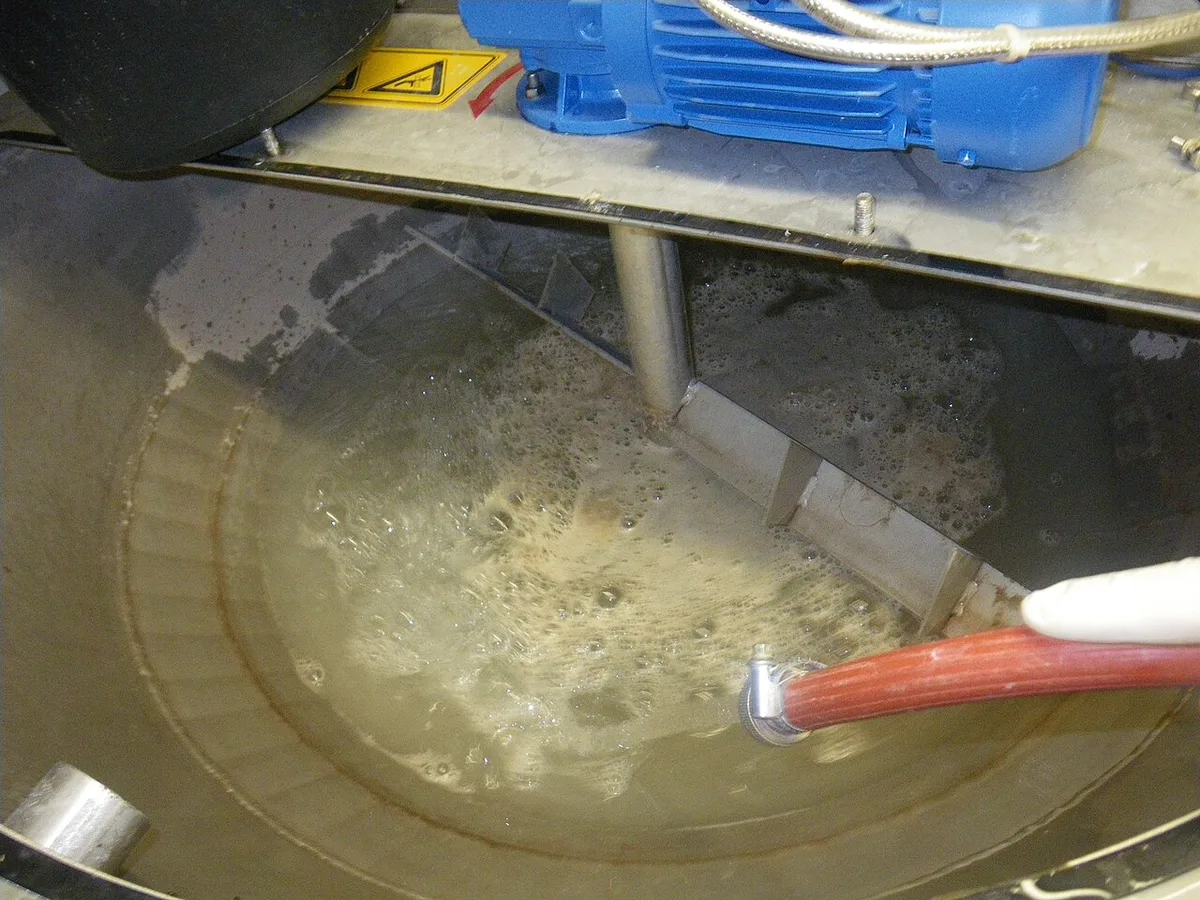
Step-by-Step Descaling Workflow
The step-by-step descaling workflow involves several key steps, including preparing the cleaning solution, applying it to the dishwasher tub, and rinsing thoroughly. Here’s a general outline of the process:
- Prepare the cleaning solution by mixing the recommended amount of citric acid or white vinegar with water.
- Apply the solution to the dishwasher tub, making sure to cover all affected areas.
- Let the solution sit for the recommended amount of time, usually 1-2 hours.
- Rinse the dishwasher tub thoroughly with hot water to remove any remaining mineral deposits.
- Repeat the process if necessary to achieve the desired level of cleanliness.
It’s essential to follow the manufacturer’s instructions for the specific cleaning product you’re using and to take necessary safety precautions to avoid any damage to the dishwasher or harm to yourself.
Tuning Detergents and Rinse Aid for Prevention
Setting the right detergent and rinse‑aid levels keeps hard‑water stains from forming in the first place. Most dishwashers allow you to adjust the rinse‑aid dispenser. When your water hardness exceeds 120 mg/L, increase the rinse‑aid dose by one notch.
This simple tweak cuts the amount of water that dries on each plate, reducing mineral film.
Detergent choice matters too. Look for a formula that includes a calcium‑chelating builder, such as sodium citrate or tetrasodium EDTA. These builders bind calcium ions and keep them in solution.
Per NSF/ANSI 184, a detergent with a minimum of 5% citrate content performs better on hard water than standard alkaline powders. If you use pods, choose brands that list citrate or monochloropropane sulfonate, they’re engineered for mineral‑rich water.
Drying cycles can be tuned as well. Turn on the “high‑heat” or “sanitize” cycle only when the dishwasher needs extra drying or sanitization. The high‑heat setting forces the interior to dry faster, which can concentrate minerals if the water is hard.
Instead, use a “normal” or “eco” cycle unless you have a very tough wash load. Manufacturers often note that the “eco” cycle runs cooler, leaving less water residue on racks.
If your washer has a built‑in water‑softener or salt compartment, charge it with the recommended dishwasher salt. Salt lowers the free‑calcium concentration in the water, making the build‑up slower. Operate the softer setting on a regular cycle if your local water utility offers a high‑hardness score.
This tech is common in German‑brand dishwashers but optional on many U.S. models.
Set a monthly reminder to rinse the detergent drawer. Even a tiny film left on the drawer’s inside edge can seed hard‑water stains on the subsequent load. A short rinse with a damp cloth and a spray of vinegar at the back of the drawer keeps your machine fresh.
Don’t forget to check the door gasket; a wet, soft gasket can snag water and leave streaks.
Finally, keep your detergent drawer and door gasket free of old dishwasher salt crystals. If you notice hard‑white flakes in the gutter, clean them out with a brush and rinse well. That’s the affordable service that saves you costly repairs.
Common Cleaning Mistakes That Make Stains Worse
If you have tried the descaling steps before, you might have inadvertently set the problem deeper into the machine. One frequent slip is using too much vinegar at once. A steep drop of vinegar can corrode the rubber‑gasket and stir up a new stubborn film.
Instead, dilute one cup of vinegar with two gallons of water before pouring it into the tub. The solution should feel like a mild soda.
Mistaking brick‑hard stains for etching leads to frustrations. Etching is permanent, and no chemical will lift it. After applying vinegar or citric acid, observe whether the white film dissolves.
If it does not, you’ve likely got a mild film. If it stays, you’ve got etching or a chemical burn. In that case, stop using acids and consult a professional.
Another error is rinsing the dishwasher with cold water after a descaling cycle. Cold water re‑deposits minerals faster. Right after the rinse cycle, run a hot‑water door‑seal cycle if your model has one.
This heat helps to evaporate residual water, further reducing mineral deposits.
Using a damp sponge to wipe down the tub after a descaling cycle can remember the stain. A wet surface will hold onto the mineral film longer. Let the machine air dry fully for at least 30 minutes before closing the door.
When you shut it too early, a new film forms overnight.
A final point: over‑cleaning the dishwasher filter is a paradox. Many owners remove the filter and scrub it vigorously with bleach. The bleach dissolves the filter’s fine mesh and shortens its life.
Instead, rinse the filter with hot water and a mild dish soap. Give it a quick brush if needed. Your filter will stay clear and perform longer.
Safety and Appliance Care Guidelines
When handling acids, wear gloves and goggles. Even diluted citric acid can irritate skin if exposed for long periods. Make sure your kitchen is well‑ventilated; a strong vinegar odor can build up quickly.
Before starting a descaling cycle, confirm that no food items or utensils are left inside.
Do not run a descaling cycle while the dishwasher is loaded. The acid solution needs to settle on surfaces directly to work effectively. Store cold water in the tub temporarily if you want the shortest wet‑spend time.
If your dishwasher has a lockout mode, most 2013‑model and newer appliances, the machine will refuse to start a cleaning cycle under load. Bypass this safety feature only if the manufacturer’s instructions say it’s safe. Most appliances have a “restart” option after a cycle finishes.
Avoid repeated cycles in the same hour; they can over‑heat the motor and reduce lifespan.
When you finish your descaling, run an empty cycle with hot water and a splash of rinse aid. This step flushes residual acid from the drum. Do not let the machine sit out with the door open for more than a few hours; stale damp surfaces become breeding grounds for mold and mineral streaks.
For models with a built‑in salt reservoir, check the salt level after each cleaning. A low salt level can increase hardness and negate the benefits of descaling. Follow the dishwasher’s manual for the specific grams of salt per refill.
Frequently Asked Questions
How long does a descaling cycle take?
A typical descaling cycle runs between 45 and 90 minutes, depending on your model’s energy‑saving settings.
Can I use baking soda instead of citric acid?
Baking soda reacts with acids but does not dissolve calcium carbonate. It can help neutralize mild odors, but for heavy staining it is ineffective.
Is it safe to use bleach in a dishwasher?
Bleach can discolor stainless‑steel tubs and damage rubber gaskets. Avoid it unless the manufacturer states it is approved.
Will a dishwasher with a built‑in softener eliminate hard‑water stains?
It reduces mineral concentration but does not eliminate the need for periodic cleaning, especially if the water is very hard.
How often should I clean my dishwasher?
A monthly rinsing of the gasket and filter plus quarterly descaling is recommended in hard‑water areas.
This guide covers every step you need to run a clean, stain‑free dishwasher while keeping it safe and efficient. Follow the workflow, adjust your detergent and rinsecycle settings, and know when to schedule a full descaling, you’ll keep your washers clean without sacrificing performance or lifespan.

Table of Contents