You’ve got a craving for a recipe that calls for powdered sugar, but you’ve just realized your canister is empty. Don’t panic! Making your own powdered sugar is surprisingly simple, even if you only have a low-wattage blender.
That’s right, you don’t need a hulking food processor or a high-powered blender to achieve that fine, fluffy sweetness. This guide will show you exactly how to make powdered sugar in a low-wattage blender, ensuring your baking and decorating dreams aren’t derailed by an empty pantry.
The Magic Behind Powdered Sugar
Before we dive into the “how,” let’s briefly touch on the “what.” Powdered sugar, also known as confectioners’ sugar or icing sugar, is essentially granulated sugar that’s been finely ground. It also typically contains a small amount of cornstarch (around 3%) to prevent clumping, which is a helpful bonus we can replicate at home. The fine texture is what gives frostings their smooth finish and allows it to dissolve easily in liquids.
You might have noticed that store-bought powdered sugar is incredibly fine. Reaching that same level of fineness is the goal, and it’s achievable with patience and the right technique, even with a less powerful appliance.
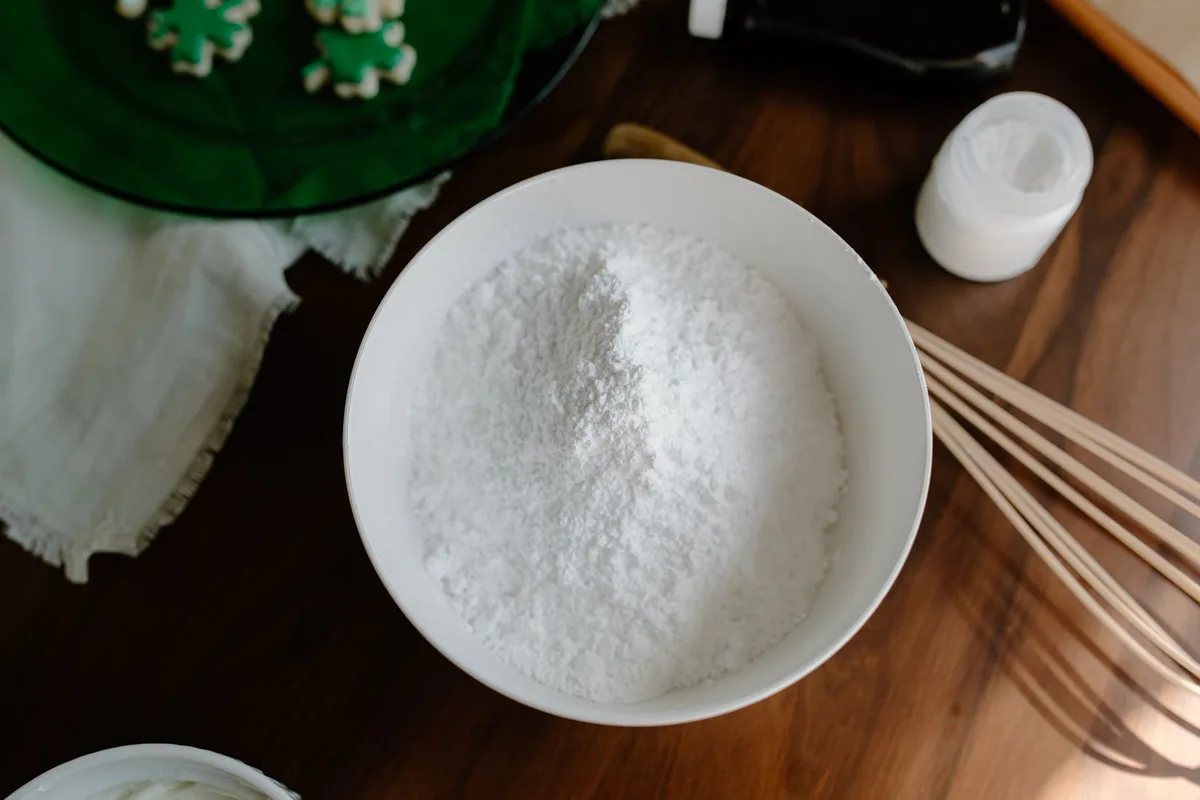
What You’ll Need to Make Powdered Sugar at Home
Gathering your ingredients and tools beforehand is always a good idea to ensure a smooth process. When it comes to making powdered sugar in a low-wattage blender, simplicity is key.
Here’s what you’ll need:
- Granulated Sugar: This is your base. Regular white granulated sugar works perfectly. I’ve found that standard brands are just as effective as premium ones for this purpose.
- Cornstarch (Optional but Recommended): About 1 tablespoon per cup of granulated sugar. This is crucial for preventing your homemade powdered sugar from clumping once it’s made and stored. It mimics the commercial product.
- A Low-Wattage Blender: This is the star of the show. It doesn’t need to be a professional-grade machine. A personal blender, a small kitchen blender, or even some robust immersion blender attachments can do the trick. The key is to work in small batches.
- Measuring Cups and Spoons: For accuracy.
- An Airtight Container: For storing your finished powdered sugar. A mason jar or a resealable plastic container works well.
Step-by-Step: Turning Granulated Sugar into Powdered Sugar
Now for the exciting part! Following these steps will help you how to make powdered sugar in a low-wattage blender with excellent results.
Step 1: Measure Your Sugar
Start by measuring out the amount of granulated sugar you need. A good starting point is one cup. If you need more, you can repeat the process, but it’s vital to work in manageable batches for a low-wattage blender.
Overfilling will strain the motor and lead to uneven results.
Step 2: Add Cornstarch (If Using)
If you’re using cornstarch to prevent clumping, add about 1 tablespoon for every cup of granulated sugar. So, for one cup of sugar, add one tablespoon of cornstarch.
Step 3: Blend in Batches
This is the most critical step when using a low-wattage blender. Don’t overload it. Place your measured sugar (and cornstarch, if using) into the blender jar.
Secure the lid firmly.
Step 4: PULSE!
This is where the technique really matters for a low-wattage model. You won’t get away with just hitting “blend” and walking away. Start by pulsing the sugar.
Do this for about 15-20 seconds at a time. You’ll notice the sugar starting to break down.
Step 5: Strategically Blend and Shake
After the initial pulsing, let the blender rest for a moment. Give the blender jar a good shake. This helps to redistribute the sugar and ensures all the granules get a chance to be ground down.
Then, continue pulsing. I’ve found that a cycle of pulsing for 20-30 seconds, followed by a shake, is very effective.
Step 6: Assess and Continue
After a few cycles of pulsing and shaking, you’ll start to see the sugar becoming finer. It won’t be perfectly powdered immediately, that’s normal. Keep repeating the pulse-shake-pulse process.
You’re looking for a fine, powdery consistency that resembles confectioners’ sugar. This might take a few minutes depending on the power of your blender. Be patient!
The key is to avoid overheating the motor. If it feels warm, give it a longer break.
Step 7: Check for Fineness
Once you think you’re close, stop the blender. You can either take a small pinch between your fingers or try to press a little between two spoons. If it feels gritty, it needs more blending.
If it feels smooth and powdery, you’re likely done. You can also sift it through a fine-mesh sieve to catch any larger granules, though with careful blending, this step might be optional.
Step 8: Store Your Homemade Powdered Sugar
Transfer your freshly made powdered sugar into an airtight container. It should hold up well at room temperature. If you didn’t add cornstarch, it might clump a bit more over time, so storing it in a cool, dry place is even more important.
Why Low-Wattage Blenders Require Patience
Using a low-wattage blender to make powdered sugar isn’t about brute force; it’s about finesse and understanding your equipment’s limitations. A more powerful blender can pulverize sugar in seconds because its motor can generate much higher speeds and torque. These smaller, less powerful blenders need a little help from you.
That’s why the pulsing and shaking method is essential. It breaks down the sugar gradually, allowing the motor to cool down and ensuring an even grind without overloading the system. If you’re thinking about upgrading kitchen appliances, understanding motor wattage is helpful for tasks like these.
Tips for Success When Making Powdered Sugar
I’ve made powdered sugar countless times with my trusty little blender, and I’ve picked up a few tricks along the way to make the process even smoother.
- Don’t Rush: Seriously, the biggest mistake people make is trying to speed up the process. Let the blender (and yourself!) take a breather.
- Listen to Your Blender: If you hear the motor straining or it starts to smell warmer than usual, stop immediately. Give it a good 5-10 minutes to cool down completely. It’s better to take a longer break than to burn out your appliance.
- Start Small: If you’re nervous, try making just half a cup of powdered sugar the first time. That way, you can get a feel for how your specific blender handles it.
- Clean as You Go: Wipe down the blender jar and lid immediately after transferring your powdered sugar. Dried sugar can be tough to remove. For stubborn bits, a little warm, soapy water is usually enough, but always check your blender’s manual for specific cleaning instructions. If you’ve ever had to tackle burnt residues in appliances, you know how much easier it is to clean things when they’re fresh.
- Consider Whole Sugar: Some recipes might call for additional moisture or specific textures where whole sugar is better. For most baking applications, turning granulated sugar into powdered sugar is a perfect substitute.
The Role of Cornstarch: A Deeper Look
While you can make powdered sugar without cornstarch, I strongly recommend adding it whenever possible. Pure ground sugar will eventually clump together, especially in humid conditions. The cornstarch acts as an anti-caking agent, absorbing moisture and keeping the sugar granules separated.
This is why commercial powdered sugar contains it. If your recipe absolutely forbids cornstarch, be aware that your homemade powdered sugar will have a shorter shelf life and you’ll need to store it very carefully in a truly airtight container in a dry place.
Troubleshooting Common Issues
Even with the best intentions, sometimes things don’t go perfectly. Here are a few common problems you might encounter and how to fix them.
- Gritty Powdered Sugar: This is the most common issue and usually means you need to blend for longer. Repeat the pulse-shake-blend cycle. Ensure you’re not overfilling the blender.
- Motor Overheating: As mentioned, if your blender feels too hot, stop immediately. Let it cool down completely before resuming. This is a sign you’re pushing it too hard or working too long without breaks.
- Uneven Texture: This can happen if you don’t shake the blender jar well. The shaking helps to ensure all the sugar particles get processed.
- Clumping During Storage: This points to a lack of cornstarch or inadequate storage. Make sure your container is truly airtight and stored in a dry environment. If it clumps a bit, you can often break it up with a fork or re-sieve it.
Beyond Basic Powdered Sugar: Variations and Uses
Once you’ve mastered how to make powdered sugar in a low-wattage blender, you’ll find it opens up a world of sweet possibilities.
- Dusting: The most basic use! A light dusting of powdered sugar over pancakes, waffles, or fruit adds a touch of sweetness and visual appeal.
- Icing & Frosting: This is where powdered sugar truly shines. Mixed with butter, milk, and flavoring, it creates classic buttercream frostings.
- Glazes: A simple glaze made from powdered sugar and liquid (like lemon juice, milk, or water) is perfect for donuts, cakes, and pastries.
- Confections: Fudge, royal icing for decorating cookies, and many candies rely on powdered sugar for their smooth texture.
- Fondant: Homemade fondant often starts with a base of powdered sugar.
How Much Powdered Sugar Can a Low-Wattage Blender Make?
The amount you can effectively make in one go is limited by your blender’s capacity and motor strength. For most small personal blenders, I wouldn’t recommend processing more than 1 to 1.5 cups of granulated sugar at a time. If you need a larger quantity, simply repeat the process until you have enough.
It’s much better to make several small batches than one large, ineffective one.
Storage and Shelf Life
When making powdered sugar in a low-wattage blender, proper storage is key to maintaining its texture.
- Airtight Container: Use a sealable jar, container, or a heavy-duty zip-top bag.
- Cool, Dry Place: Store at room temperature away from humidity.
- With Cornstarch: If you’ve added cornstarch, it should last for several months, potentially up to a year, without significant clumping.
- Without Cornstarch: If you’ve skipped the cornstarch, aim to use it within a few weeks, as it’s more prone to clumping and hardening.
Safety First: Blender Usage
Always remember to prioritize safety when operating any kitchen appliance, including your blender.
- Read Your Manual: Familiarize yourself with your blender’s specific operating instructions and limitations.
- Secure Lid: Ensure the lid is firmly attached before starting the blender.
- Unplug When Not in Use: Especially when adding or removing ingredients, or cleaning.
- Never Force It: If the blender is struggling, stop. Don’t try to force it through a tough grind.
- Keep Fingers Away: Never insert your fingers or utensils into the blender jar while it’s in operation or plugged in.
Comparing Homemade to Store-Bought
You might be wondering if homemade powdered sugar is truly comparable to store-bought. For most home baking needs, the answer is a resounding yes! While commercial powdered sugar might be processed with industrial-grade equipment for maximum fineness, the difference is often negligible in the final dish, especially in frostings and glazes.
The convenience of being able to whip up a batch on demand is a huge advantage. Plus, you know exactly what’s in it, just sugar and perhaps a little cornstarch.
When to Use a More Powerful Appliance
If you find yourself constantly making large batches of powdered sugar or other finely ground ingredients, investing in a high-powered blender or a food processor specifically designed for grinding could be worthwhile. Appliances like some of the best food processors for nuts, for instance, are built to handle tougher jobs and can produce very fine powders quickly and efficiently. However, for the occasional user or someone with limited kitchen space, a low-wattage blender remains a perfectly viable option.
Integrating Powdered Sugar into Your Baking Routine
Having the ability to make your own powdered sugar means you’re never far from creating delicious treats. Think about those last-minute dessert needs. A simple cake, some cookies, or even just a fruit platter can be elevated with a dusting of powdered sugar you made yourself.
I often find myself needing just a tablespoon or two for a recipe, and the ability to create that small amount in moments is incredibly useful. It’s a small kitchen hack that makes a big difference.
Conclusion: Sweet Success is Within Reach
So there you have it, a comprehensive guide on how to make powdered sugar in a low-wattage blender. It’s a simple, economical, and incredibly satisfying kitchen skill to have. With a little patience and the right technique, you can transform basic granulated sugar into the fine, fluffy confectioners’ sugar needed for all your baking projects.
Don’t let an empty pantry stop your culinary creativity. Grab your blender, a bag of sugar, and get ready to sweeten your next creation!

Table of Contents