You’ve woken up, shuffled to the kitchen, and hit the brew button on your coffee maker, only to be met with a painfully slow drip, drip, drip. That once-joyful morning ritual can quickly turn into a frustrating wait. If your coffee maker is brewing too slowly, there are several common culprits, and thankfully, most are fixable without needing a technician.
This article dives deep into diagnosing and resolving the sluggishness plaguing your caffeine delivery system.
Understanding Why Your Coffee Maker Brews Slowly
Before we grab our tools, it’s helpful to understand the basic brewing process. Water is heated in a reservoir, then it travels through a tube to the grounds in the filter basket, extracting coffee compounds as it flows through. Finally, it drips into your carafe.
When any part of this chain is interrupted or slowed down, your brew time gets longer.
The most frequent reason a coffee maker brews too slowly is scale buildup. Over time, minerals from your tap water, particularly calcium and magnesium, deposit themselves inside the heating element and water tubes. This residue restricts water flow, much like plaque in arteries.
Other reasons can include a clogged filter basket, issues with the carafe lid, or even a poor grind size for your particular brewer.
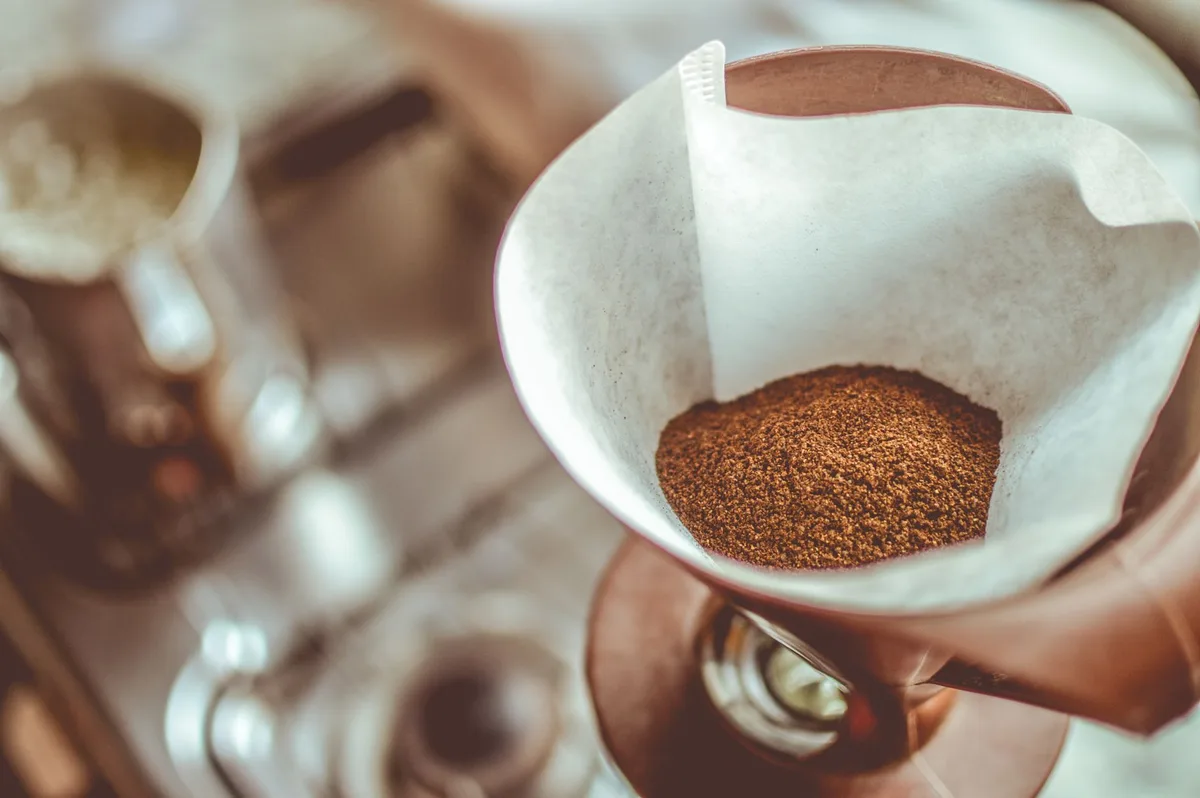
Image source: Pexels / Caio (Pexels License)
Cleaning is King: Descaling Your Coffee Maker
Descaling is the number one solution for a slow-brewing coffee maker. This process removes those stubborn mineral deposits. You have a couple of great options for doing this effectively.
Using Vinegar for Descaling
White vinegar is a readily available and highly effective descaler. Its acidity breaks down mineral deposits. To start, you’ll need about two cups of white vinegar and two cups of water.
Some manufacturers recommend a 1:1 ratio, while others suggest a stronger solution for tougher buildup. When in doubt, start with 1:1 and repeat if necessary.
First, remove any coffee grounds or filters from your machine. Mix your vinegar and water solution and pour it into the water reservoir. Place an empty carafe on the warming plate.
Run a full brew cycle with the vinegar solution. Once the cycle is complete, discard the vinegar-water mixture.
Now comes the crucial part: rinsing. You’ll need to run at least two or three full brew cycles using plain, fresh water. This step is vital to ensure no lingering vinegar taste taints your coffee.
Some people swear by running a cycle with a little baking soda dissolved in water after the vinegar rinses to neutralize any residual acidity, but a thorough water rinse is typically sufficient. I’ve found that running an extra water cycle beyond what you think you need is always a good idea to be absolutely sure.
Using Commercial Descaling Solutions
If vinegar isn’t your preferred method, or if you have a particularly stubborn buildup, commercial descaling solutions are an excellent alternative. These are specifically formulated to break down mineral deposits without leaving behind an odor or taste, provided you follow the instructions carefully.
You can find coffee maker descalers at most grocery stores or online retailers. Always read the product label and your coffee maker’s manual to ensure compatibility and follow the recommended dilution ratios and instructions precisely. Typically, you’ll mix the descaling solution with water according to the package directions, pour it into the reservoir, and run a brew cycle.
Just like with vinegar, multiple plain water rinses are essential afterward.
Remember to check your coffee maker’s manual for specific descaling instructions or recommendations from the manufacturer. Some brands, like Breville, often suggest specific descaling procedures to maintain their machines’ optimal performance.
Checking the Filter Basket and Shower Head
Sometimes, the issue isn’t deep within the machine but right at the surface. A clogged filter basket can impede the flow of brewed coffee into the carafe.
Filter Basket Obstructions
Ensure you’re using the correct type and size of coffee filter for your machine. If you use a permanent filter, make sure it’s thoroughly cleaned after each use. Even with paper filters, stray coffee grounds can sometimes escape and clog the basket or the small holes where the water drips through.
After brewing, remove the filter basket and rinse it under hot water. Use a soft brush or sponge to gently scrub away any lingering grounds or oils. If you notice any hardened residue, soaking it briefly in warm water and a little mild dish soap can help.
The Shower Head Blockage
The “shower head” is the part of the coffee maker where the hot water is dispersed over the coffee grounds. Over time, these little holes can become clogged with mineral deposits or coffee oils, leading to uneven saturation of the grounds and a slower brew.
To clean the shower head, you can often use a toothpick or a small, stiff brush to gently dislodge any debris. For a more thorough clean, many coffee maker manuals suggest running a vinegar or descaling solution cycle with the shower head area exposed or easily accessible. Some carafe lids also have a mechanism that depresses a valve to allow coffee to flow; if this is stuck, it can slow down the brew.
Inspecting the Carafe and Lid
The carafe itself, and specifically its lid, can sometimes be the unexpected bottleneck.
The Carafe Lid Valve
Most automatic drip coffee makers have a lid designed with a valve that opens when the carafe is properly seated on the warming plate. This valve allows the brewed coffee to flow out. If this valve is stuck or blocked by dried coffee residue, it will significantly slow down or even completely stop the brewing process.
You can usually clean this valve by carefully removing the carafe lid and soaking it in warm, soapy water. Use a soft brush or a toothpick to gently clean around the valve mechanism. Ensure it moves freely before reattaching it to the carafe.
Sometimes, simply giving the lid a good wash can resolve this issue.
Carafe Placement
It might sound simple, but ensure your carafe is positioned correctly on the warming plate. If it’s slightly off-kilter, it might not engage the lid valve properly, leading to a slow or stalled brew. Give it a gentle nudge to ensure it’s seated squarely.
The Impact of Coffee Grind Size and Water Temperature
While descaling and cleaning are the most common fixes for a slow brew, the way you prepare your coffee can also play a role.
Grind Size Matters
For most standard drip coffee makers, a medium grind is ideal. If your coffee grounds are too fine (like espresso grind), they can act like a dam, preventing water from flowing through the filter basket efficiently. This can lead to over-extraction of bitter flavors and a dangerously slow brew.
Conversely, if the grind is too coarse, the water will pass through too quickly, resulting in weak coffee.
If you grind your own beans, experiment with a slightly coarser grind if you suspect fineness is an issue. If you buy pre-ground coffee, check the packaging to ensure it’s labeled for drip coffee makers. If you’re using a burr grinder, you might want to read up on the best burr settings for drip coffee makers.
Water Temperature
While less common as a primary cause for slow brewing in standard drip machines (as the heating element is usually consistent), incorrect water temperature can impact extraction speed. Most machines aim for a brewing temperature between 195°F and 205°F (90°C to 96°C). If your machine isn’t heating water effectively, it might not be forcing it through the grounds at the right pace.
This is less likely to cause a slow brew and more likely to cause weak coffee, but in some instances, a malfunctioning heating element could contribute to both.
Troubleshooting Specific Coffee Maker Types
While the principles of descaling and cleaning apply broadly, some coffee maker types have unique considerations.
These are the most common, and the steps outlined above (descaling, cleaning the shower head and filter basket, checking carafe lid) are most relevant here. Always refer to your specific model’s manual, as some coffee maker manuals offer detailed diagrams and troubleshooting tips.
Single-Serve Coffee Makers (like Keurig or Nespresso)
These machines have more complex internal mechanisms, including pumps and piercing needles.
- Needle Clogging: The primary culprit for slow brewing in single-serve machines is often a clogged needle that pierces the coffee pod. Mineral deposits can build up here. Most manufacturers have specific procedures for cleaning these needles, often involving a descaling cycle with a special tool or even a paperclip to gently clear the obstruction. Refer to your machine’s manual for exact instructions.
- Pump Issues: If the pump that forces water through the machine is failing or clogged, it can also lead to slow brewing. Descaling is the first step to address this. If the problem persists, it might indicate a more significant pump malfunction requiring professional repair or replacement.
- Pod Seating: Ensure the pod is seated correctly. If it’s not properly aligned, it can impede water flow.
Percolators (Stovetop and Electric)
Percolators work differently, cycling boiling water up a tube and over the grounds.
- Tube Blockage: The central tube can become clogged with coffee grounds or mineral buildup, preventing the percolating action. Cleaning this tube thoroughly is key.
- Spreader Plate: The spreader plate at the top of the tube can also get clogged. Ensure all holes are clear.
If you’re using an electric percolator, ensure the electrical components are clean and free of corrosion. As with any appliance that uses heat, water purity is critical to longevity and performance.
When to Call a Professional (or Consider Replacement)
Most slow-brewing coffee maker issues are DIY fixes. However, there are times when it might be time to consult a professional or think about a new machine.
- Persistent Slow Brewing After Thorough Cleaning: If you’ve descaled diligently, cleaned all accessible parts, and the brewing speed hasn’t improved, there might be a deeper internal issue.
- Electrical Problems: If you notice strange noises, sparking, or a lack of heating, it’s a safety concern, and you should unplug the machine immediately. This likely requires professional repair or replacement.
- Visible Damage: Cracks in the plastic, damaged cords, or other physical defects indicate the machine might not be safe to use or repair.
- Age of the Machine: Coffee makers, especially drip models, have a lifespan. If yours is many years old and constantly giving you trouble, the cost of repair might outweigh the investment in a new, more energy-efficient model.
Before you invest in a new coffee maker, consider what features are most important to you. For example, if you prioritize speed and convenience for single servings, a pod-based machine might be ideal, but remember to factor in the ongoing cost of pods. If you’re a coffee enthusiast who enjoys exploring different beans, a high-quality burr grinder and a good drip machine could be a better long-term investment.
For those who love brewing large batches, a thermal carafe model can keep coffee hot for hours without scorching.
Maintaining Optimal Brewing Speed: Prevention is Key
Once you’ve got your coffee maker brewing at its intended speed, you want to keep it that way. Regular maintenance is the secret.
- Regular Descaling: Aim to descale your coffee maker every 1-3 months, depending on your water hardness and how often you use it. If you have very hard water, you might need to descale more frequently.
- Daily Rinsing: Rinse the filter basket, carafe, and lid after each use. This prevents coffee oils from building up and becoming rancid, which can affect taste and potentially clog components over time.
- Use Filtered Water: Using filtered water significantly reduces the mineral content that causes scale buildup. This is one of the simplest yet most effective ways to extend the life of your coffee maker and maintain brewing speed. Many manufacturers, including those known for high-end espresso machines, strongly recommend filtered water.
- Inspect and Clean: Periodically check the shower head and any other easily accessible parts for signs of blockages or debris.
By implementing these preventative measures, you can significantly reduce the chances of your coffee maker slowing down again and ensure you consistently enjoy a quick and delicious cup of coffee every morning. Following these steps should get your coffee maker back up to speed, brewing a perfect cup without the agonizing wait.

Table of Contents