That lingering bitter taste in your morning brew? It’s probably not your beans. If you’re a devoted fan of reusable mesh coffee filters, you’ve undoubtedly experienced that moment of realization: your filter needs a proper deep clean.
Ignoring this crucial step can lead to stale, oily residues that directly impact the flavor of your coffee. This guide is your ultimate resource for how to deep clean a reusable mesh coffee filter, ensuring every cup you brew is as fresh and delicious as the first. We’ll cover everything from routine maintenance to tackling stubborn build-up, so you can savor that perfect cup every single time.
Why Deep Cleaning Your Mesh Coffee Filter Matters
It’s easy to underestimate the importance of a truly clean coffee filter. After all, you rinse it out after each use, right? That’s a good start, but coffee oils and fine grounds can embed themselves in the mesh over time.
These microscopic particles aren’t fully removed by a quick rinse. They can build up, creating an environment where bacteria can thrive and, more importantly, where stale coffee oils can re-infuse into your fresh brew. I’ve found that this build-up is often the culprit behind coffee that tastes sour, bitter, or just plain “off.”
Over time, these oils oxidize, contributing to rancid flavors that no amount of expensive bean or precise brewing technique can overcome. Think of it like a seasoned pan, while some seasoning is good, excessive, old, rancid oil will ruin your food. The same applies to your coffee filter.
A deep clean isn’t just about aesthetics; it’s fundamentally about taste and hygiene. It ensures that the pure flavor of your coffee beans can shine through, unadulterated by yesterday’s residue. This thorough cleaning process also extends the life of your filter, saving you money in the long run.
Understanding What Clogs a Mesh Coffee Filter
Before we dive into the cleaning methods, let’s understand what’s actually happening inside that mesh. The primary culprits are:
- Coffee Oils: Coffee beans are naturally oily. As hot water passes through the grounds and the filter, these oils are released. While some oils contribute to the texture and aroma of coffee, excessive amounts can lead to a greasy residue.
- Fine Coffee Grounds: Even with the best grinders, there will always be some very fine particles, often referred to as “fines.” These can easily get trapped in the tiny pores of the mesh.
- Mineral Deposits: If you use hard water, minerals can also accumulate in the filter over time, similar to how limescale builds up in kettles or coffee makers.
These elements combine to create a sticky, difficult-to-remove film that a simple water rinse just can’t tackle. That’s where a dedicated deep cleaning routine comes into play.
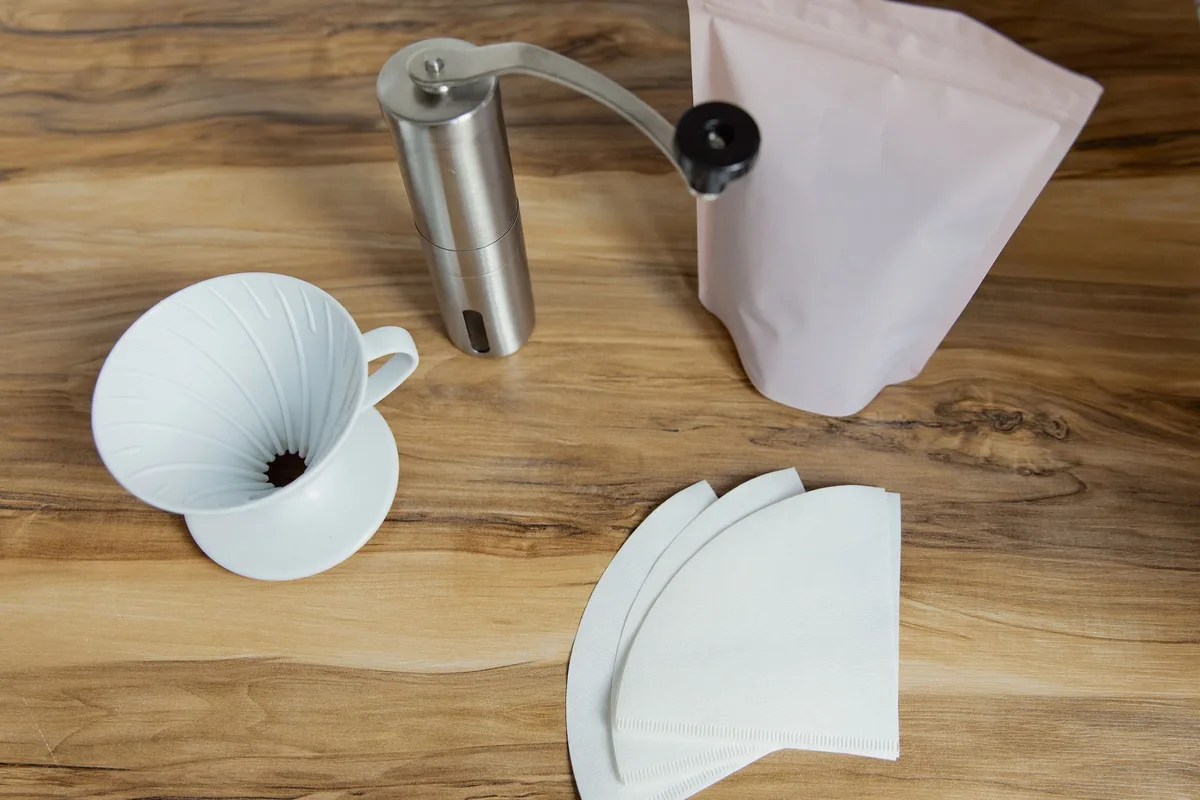
Image source: Pexels / Darina Belonogova (Pexels License)
Step-by-Step Guide: How to Deep Clean a Reusable Mesh Coffee Filter
This guide breaks down the process into manageable steps, whether you’re dealing with light build-up or a filter that hasn’t seen a deep clean in ages. My go-to method involves a gentle soaking followed by a thorough scrub.
1. Initial Rinse and Inspection
Start by rinsing your mesh coffee filter under warm running water. This will remove any loose grounds or obvious debris. Turn it over and look closely at the mesh.
Can you see a cloudy film or dark spots clinging to the metal? This visual inspection will help you gauge the severity of the build-up and inform how aggressive your deep clean needs to be. If it looks relatively clean after the rinse, a less intensive method might suffice.
However, even if it appears clean, I’ve found that a periodic deep clean is always beneficial for optimal coffee taste.
2. The Gentle Soak: Vinegar or Baking Soda
This is where the real cleaning magic begins. You have two excellent, food-safe options for soaking your coffee filter: white vinegar or baking soda. Both are effective at breaking down coffee oils and mineral deposits.
Option A: White Vinegar Soak
White vinegar is a fantastic natural cleaning agent. Its acidity helps to dissolve coffee oils and mineral build-up.
- What you’ll need: White vinegar, warm water, a bowl or container large enough to fully submerge the filter.
- How to do it:
- Mix a solution of equal parts white vinegar and warm water in

Table of Contents