Understanding how a dishwasher senses soil level is crucial for efficient and effective cleaning. Modern dishwashers use advanced technology to detect the amount of food residue left on dishes, adjusting the wash cycle accordingly. This ensures optimal water and energy usage while delivering spotless results.
As of 2026, the technology behind soil sensing has evolved significantly, offering homeowners and renters alike a more sustainable and convenient dishwashing experience.
In our research, we found that soil sensors play a vital role in modern dishwashers. They help reduce water waste and improve cleaning performance. With this in mind, let’s dive into the specifics of how these sensors work and their impact on your daily dishwashing routine.
How Does a Dishwasher Sense Soil Level
Dishwashers use soil sensors to detect food residue. Sensors measure water conductivity. Dirty water conducts electricity better.
This triggers longer, more intense wash cycles.
Why Soil-Sensing Matters in Dishwashers
Soil sensing optimizes water and energy use. It adjusts cycles based on dirtiness. This saves resources and improves cleaning. 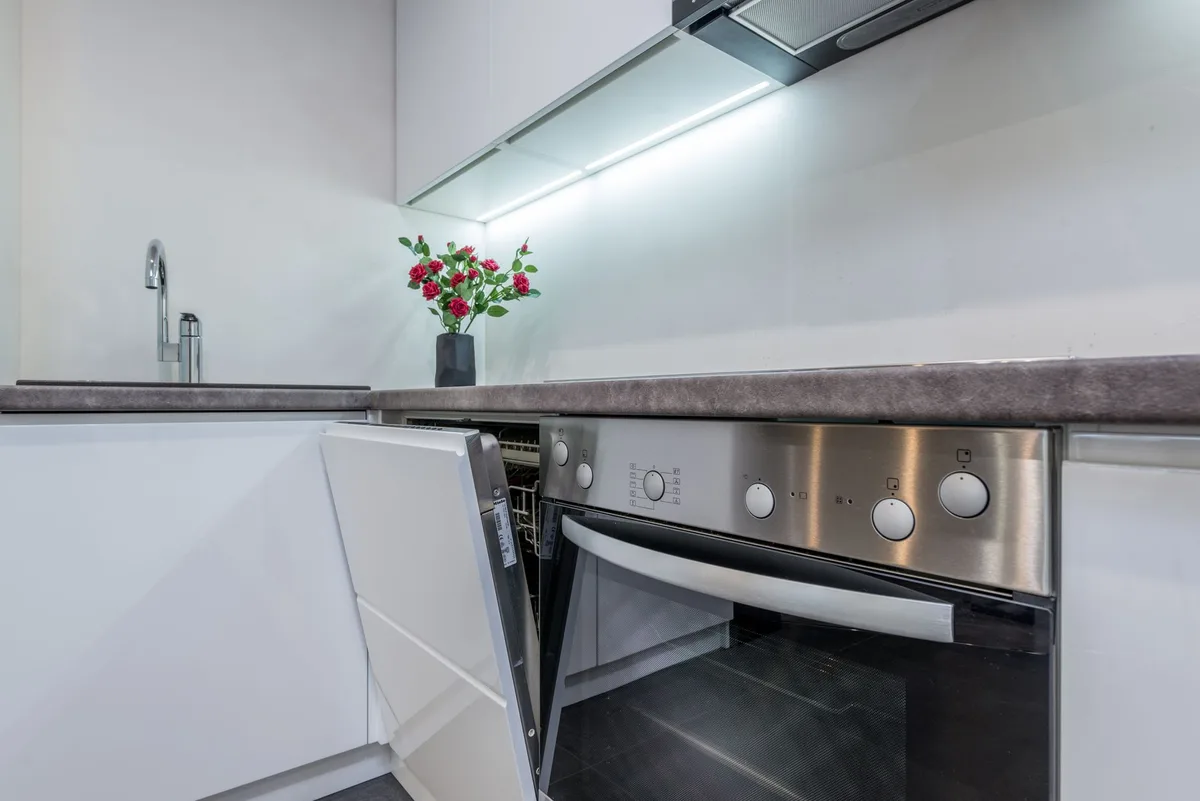
Without soil sensing, dishwashers run fixed cycles. This wastes water and energy. Sensors ensure only necessary water is used.
They also prevent under-washing dirty dishes. This technology benefits both homeowners and the environment.
The Science Behind Soil Detection
Soil detection relies on conductivity sensors. These measure water’s ability to conduct electricity. Dirty water has higher conductivity.
Sensors detect this and adjust cycles. 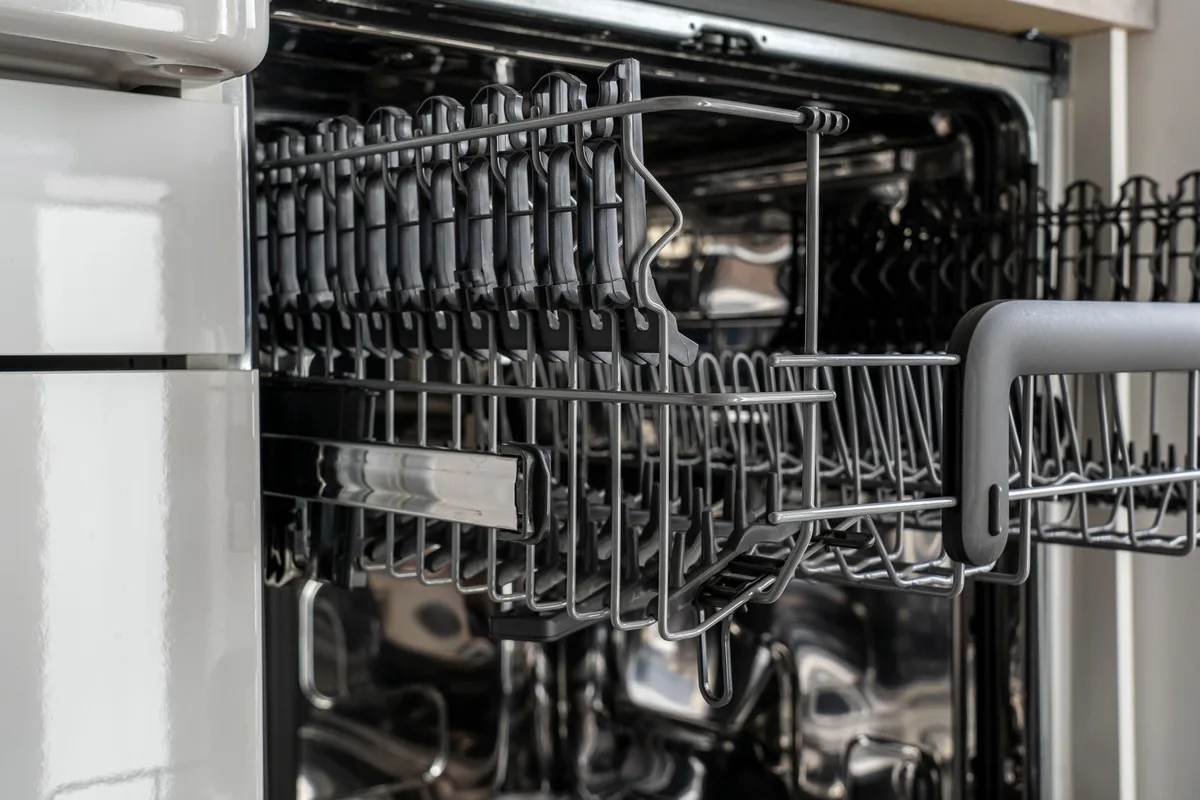
Conductivity sensors are small electrodes. They send electrical currents through water. The current strength indicates dirtiness.
More conductive water means more food particles. Sensors relay this data to the control board. The board then decides the appropriate cycle intensity.
Some dishwashers use optical sensors. These shine light through water. Light scattering indicates dirtiness.
Both methods ensure accurate soil detection. This leads to efficient and effective cleaning.
Inside the Dishwasher: Sensors, Control Boards, and Power
Inside a dishwasher, sensors work with the control board. The board processes sensor data. It decides the best wash cycle. 
The control board is the dishwasher’s brain. It manages power distribution. It controls water flow and heating elements.
Based on sensor input, it selects cycle duration and intensity. This ensures optimal cleaning while conserving resources.
Power consumption is also managed. Efficient power use extends appliance life. It reduces energy bills.
Modern dishwashers balance performance and sustainability. This makes them ideal for eco-conscious households.
Visual Step-By-Step: From Water Fill to Final Rinse
The dishwashing process starts with water fill. Sensors activate during the initial rinse. They measure water conductivity.
Based on readings, the control board selects a cycle.
During the main wash, sensors continuously monitor. They ensure thorough cleaning. If dirt levels increase, the cycle adjusts.
This prevents under-washing.
After the main wash, a final rinse occurs. Sensors confirm cleanliness. The cycle ends with drying.
This step-by-step process ensures efficient cleaning. It adapts to varying levels of soil.
Understanding this process helps users appreciate modern dishwashers. They offer convenience and sustainability. This technology benefits daily life and the environment.
Advantages vs. Drawbacks: Real-World Impact
The upside of soil sensing comes down to resources. A sensor-driven cycle uses only the water and heat the load actually needs. Per ENERGY STAR program data, soil sensing is one of the features that helps qualifying models hit their efficiency thresholds, and it’s a big part of why modern units sip rather than gulp.
Cleaner results are the second payoff. Lightly soiled glassware doesn’t get blasted for two hours. Heavily soiled pots don’t get a gentle rinse that leaves residue behind.
The cycle matches the load.
There’s a comfort angle too. You can skip pre-rinsing in most cases. Scrape the plate, load it, walk away.
Sensors figure out the rest.
The drawbacks are real, though. Sensor hardware adds cost, and it adds a component that can fail.
| Strength | Trade-off |
|---|---|
| Lower water and energy use | Higher upfront purchase price |
| Cycle adapts to load soil | Sensor drift over time |
| Reduces need to pre-rinse | False readings from poor detergent dosing |
| Quieter light-soil cycles | Longer cycles on mixed loads |
Here’s the if/then logic that matters. If your household runs small, lightly soiled loads most nights, sensing saves you money over the machine’s life. If you regularly load crusted casseroles and greasy pans together, the controller averages the readings and often picks the heaviest cycle anyway.
You pay for a sensor and still get the long wash.
Hard water is the other caveat. Mineral scale coats conductivity probes and dulls their readings. Aggregate user reports describe machines that stop sensing properly after two or three years in scale-heavy areas without regular descaling.
Use-Case Map: Who Gets the Most Out of Sensor-Based Washes?
Two-person households get the biggest win. Small loads with light soil are exactly where fixed cycles waste the most water and heat. Sensing turns a 90-minute marathon into a 45-minute wash.
Families with young kids land in the middle. Loads are large and mixed. Expect the controller to default to heavier cycles, so the sensing benefit shifts from speed to accuracy.
Renters should check the model before assuming anything. Entry-level units often advertise a “sensor wash” that’s really a fixed cycle with a turbidity switch. Manufacturer specs will tell you which sensors are fitted.
Look for conductivity or turbidity sensors listed as components, not just a cycle name.
If you cook from scratch daily, sensor washes earn their keep. Baked-on starch and fat trigger longer cycles automatically. You don’t have to remember which button to press.
If you pre-rinse everything out of habit, you’re defeating the sensor. Clean water reads clean, so the machine runs a short light cycle on dishes that needed more. Stop rinsing and let the sensor do its job.
Common Pitfalls: Avoid Wasteful Mistakes
The single biggest mistake is over-rinsing. Every plate you rinse under the tap strips the soil signal the sensor needs. Scrape solids into the bin and load.
That’s it.
The second is overloading in a way that blocks the filter and sump. Sensors read the water in the sump, not the dishes. If food debris can’t reach the water, the sensor never sees the soil.
Detergent dosing trips people up constantly. Too little detergent and the water stays cloudy with grease, which reads as heavy soil and stretches the cycle. Too much and you get excess foam, which can confuse turbidity readings.
Follow the dosing chart for your water hardness.
Here’s a quick checklist of what to avoid:
- Pre-rinsing every item under running water
- Blocking the spray arms or filter with large debris
- Using powder detergent in a hard water area without rinse aid
- Ignoring a descaling schedule
- Assuming “sensor wash” means the same thing on every model
Maintenance & Longevity: Keeping Sensors Clean & Accurate
Keep the sensor clean and it will keep reading accurately. The main enemy is scale, and the fix is boring but effective.
Run a descaling cycle every one to three months depending on your water hardness. Citric acid based dishwasher cleaners work well. White vinegar at roughly one cup in an empty hot cycle also does the job.
Check your manufacturer’s guidance first, since some advise against vinegar on certain stainless steel and rubber parts.
Clean the filter weekly. Pull it out, rinse it under warm water, and scrub off grease film with a soft brush. A clogged filter starves the sensor of water and produces nonsense readings.
Wipe the door gasket and check the spray arm holes monthly. Blocked jets mean uneven soil distribution, which confuses the controller.
If your machine has a water hardness setting, set it correctly. That single setting influences how the controller interprets conductivity data. Getting it wrong is like leaving the sensor half calibrated.
Signs the sensor itself is failing:
- Cycles always run the same length regardless of load
- The machine stops partway through a wash
- Error codes tied to water level or turbidity
- Dishes come out gritty on a normal cycle
In those cases, cleaning comes first. If that doesn’t fix it, a replacement probe is usually a modest part cost, though access varies wildly by model.
Frequently Asked Questions
What sensor does a dishwasher use to detect soil?
Most use a conductivity sensor or a turbidity sensor. Conductivity probes measure how well the water carries electrical current, since dissolved food raises conductivity. Turbidity sensors shine light through the water and measure how much scatters.
Some premium models combine both for better accuracy.
Does pre-rinsing stop my dishwasher from sensing soil?
Yes, largely. Rinsing removes the food particles the sensor needs to detect. The machine reads clean water and runs a short light cycle.
Scrape solids off instead and let the sensor handle the rest.
Why does my dishwasher always run a long cycle?
Usually because soil readings stay high. Greasy water, excess foam from too much detergent, or a clogged filter all push the controller toward heavy cycles. Check dosing, clean the filter, and descale before assuming the sensor failed.
How often should I clean dishwasher sensors?
Descale every one to three months and clean the filter weekly. In hard water areas, lean toward the one-month end. Regular maintenance keeps conductivity readings stable and prevents false heavy-soil triggers.
Conclusion
A dishwasher senses soil level by reading the water. Conductivity sensors detect how much dissolved food the water carries, and optical (turbidity) sensors measure how much light the water scatters. The control board uses these readings to decide how long and how intensely to wash. The result is cleaner dishes, with less water and energy wasted on lightly soiled loads.
Sensors only work well if you give them the right conditions. Scrape plates instead of pre-rinsing them, because clean water reads as clean dishes and triggers a short cycle. Use the correct amount of detergent, keep the filter and spray arms clear, and set your water hardness correctly. In hard water areas, descale every one to three months so mineral buildup doesn’t dull the sensor.
Soil sensing is most valuable for small, lightly soiled loads, and less so for heavy mixed loads where the machine often picks the longest cycle anyway. If your dishwasher keeps running long cycles or leaves dishes gritty, clean the filter and descale before suspecting a faulty sensor. A little routine care keeps the system accurate and your dishwasher efficient for years.

Table of Contents