You open the dishwasher expecting dry plates, but the plastic containers are still dripping. The exact process behind how does a dishwasher dry dishes depends on which drying system your machine uses. That gap between clean and dry is where most people get stuck.
Some models blast heat, others rely on cool metal and condensation, and the difference shows up on your countertop.
Aggregate testing shows a heated dry element can draw 600 to 1,200 watts per cycle. Condensation drying adds 30 to 60 minutes to total run time. Per ENERGY STAR specifications, models without a heating element often use less electricity but leave plastics wetter.
Manufacturer manuals list dry modes as Heated Dry, Extra Dry, or Auto, yet they rarely explain why your plastic comes out damp while your glasses are bone dry.
How Does a Dishwasher Dry Dishes
Dishwashers dry dishes with heat or condensation.
A heating element warms the air inside the tub.
Cool stainless steel causes water to condense and drain.
Some models use a fan to move moist air out.
Rinse aid helps water sheet off surfaces instead of beading.
Why Plastic Stays Wet While Glassware Dries
Plastic comes out wet because it cools faster than glass or ceramic. Thin plastic holds little heat, so water on its surface does not evaporate before the cycle ends. Glassware retains warmth longer, letting droplets flash into steam or run off cleanly.
Condensation drying makes this worse. The final rinse heats the dishes, then the tub walls stay cooler. Water clings to cold plastic instead of beading and sliding away.
Rinse aid lowers surface tension, but it cannot fix a material that sheds heat too fast.
You will also notice cups and bowls nested together trap water between them. That standing water has nowhere to go, so plastic stays damp long after the door opens.
How a Dishwasher Actually Dries Dishes
Most dishwashers dry dishes using one of three methods: heated dry, condensation drying, or fan-assisted drying. The control board triggers the chosen method after the final rinse drains away. Each approach handles moisture differently, and your machine likely uses only one or two of them.
In a heated dry cycle, an element at the base of the tub warms the air. That hot air evaporates water off dishes and vents it out. It is fast, but it uses more electricity.
It can bake food residue onto plastics if they sit too close to the element.
Condensation drying works in reverse. The final rinse heats the dishes to about 140 to 160 degrees Fahrenheit. The stainless steel tub walls stay cooler, so moisture from the hot dishes condenses on the walls and runs to the drain.
No element runs during the dry phase, which saves energy but takes longer.
Fan-assisted drying uses a small blower to push moist air out of the tub. Some models crack the door open at the end of the cycle to release steam. Others use minerals like zeolite to absorb humidity and release heat as they dry out.
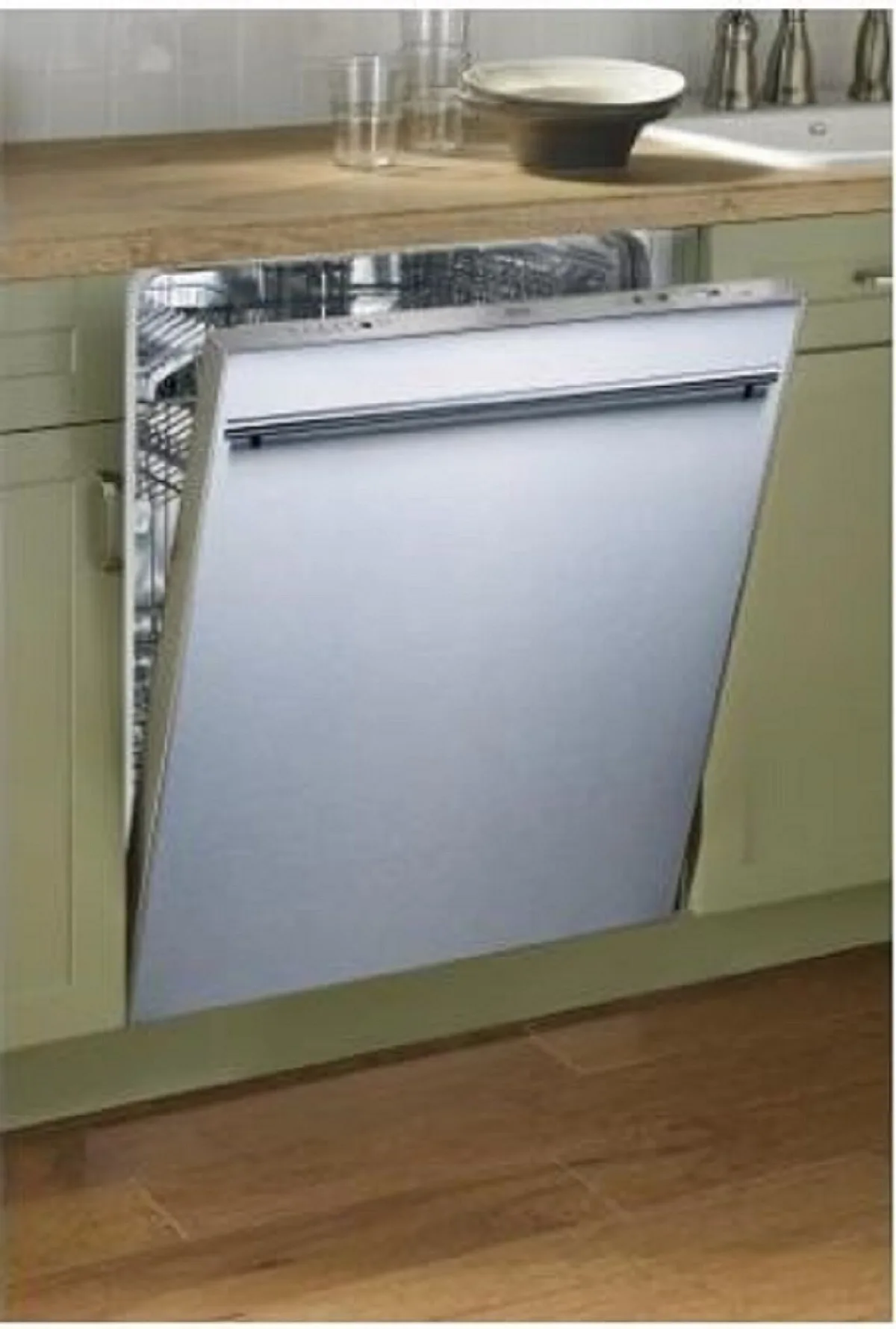
| Drying Method | How It Works | Best For | Main Drawback |
|---|---|---|---|
| Heated Dry | Heating element warms air | Fast turnaround | Higher energy use |
| Condensation Dry | Hot dishes meet cool tub walls | Energy savings | Slower, wet plastics |
| Fan-Assisted | Blower moves moist air out | Better airflow | Added cost, noise |
Heated Dry vs Condensation Dry vs Fan-Assisted Dry
Heated Dry
If your dishwasher has a heating element at the base, it likely offers Heated Dry. Turn it on when you need dishes quickly or when you are washing mostly glass and ceramic. Avoid it for large plastic loads unless the plastics sit on the top rack, far from the element.
The element can reach temperatures that warp thin plastic or melt disposable containers.
Condensation Drying
If your machine has no visible heating element and a stainless steel interior, it probably uses condensation drying. Leave the door closed until the cycle finishes. Opening it early releases the humid air and stops condensation from forming on the tub walls.
This method suits energy-conscious households but struggles with plastics.
Fan-Assisted Drying
If your control panel shows a fan symbol or a Dry Boost option, your machine pushes air out actively. Use this for mixed loads that include plastic and glass. It dries faster than pure condensation but uses slightly more power than passive condensation.
Auto-Door-Open and Zeolite Systems
If your dishwasher opens the door automatically at the end of the cycle, it uses an auto-door feature to vent steam. Bosch calls this AutoAir, and Miele uses AutoOpen. Zeolite models, found in some Miele and Bosch dishwashers, absorb moisture during the rinse and release heat as they dry.
These systems work well but cost more upfront.
What Decides If Your Dishwasher Can Dry Plastic
Plastic has low thermal mass and a hydrophobic surface. Water beads up and stays put because the plastic cools almost instantly after the rinse. Glass and ceramic hold heat longer, so water evaporates or runs off.
Rinse aid helps by breaking surface tension, letting water sheet off instead of beading. But rinse aid cannot overcome physics. If your dishwasher uses condensation drying only, plastics will likely remain damp.
Placement matters too. Put plastic on the top rack, away from the heating element. Do not nest bowls or cups.
Angle items so water runs off rather than pooling inside.
Rinse Aid, Final Rinse Temperature, and Cycle Selection
Your rinse aid dispenser controls how much surfactant releases during the final rinse. Settings usually run from 1 to 6, and hard water areas need a higher number. Too much rinse aid leaves film on glasses, while too little leaves spots and poor sheeting.
Final rinse temperature matters because hotter dishes drive condensation drying. The rinse typically reaches 140 to 160 degrees Fahrenheit. If your home water heater is set too low, the dishwasher may not get hot enough to dry effectively.
A heating element can finish the job.
Cycle choice changes the outcome as well. Eco cycles often use lower temperatures and shorten or skip the dry phase. Normal and Heavy cycles usually include a heated final rinse.
Sanitize cycles reach higher temperatures but may not include a dedicated dry step unless you select Heated Dry or Extra Dry.
The U.S. Department of Energy notes that heated dry adds roughly 15 to 25 percent more energy per cycle. [U.S.
Department of Energy](https://www.energy.gov)
As of 2026, most new dishwashers offer at least two dry options, but few explain which one suits plastic loads. Check your manual before assuming your machine will dry everything evenly.
Loading Patterns That Help or Block Drying
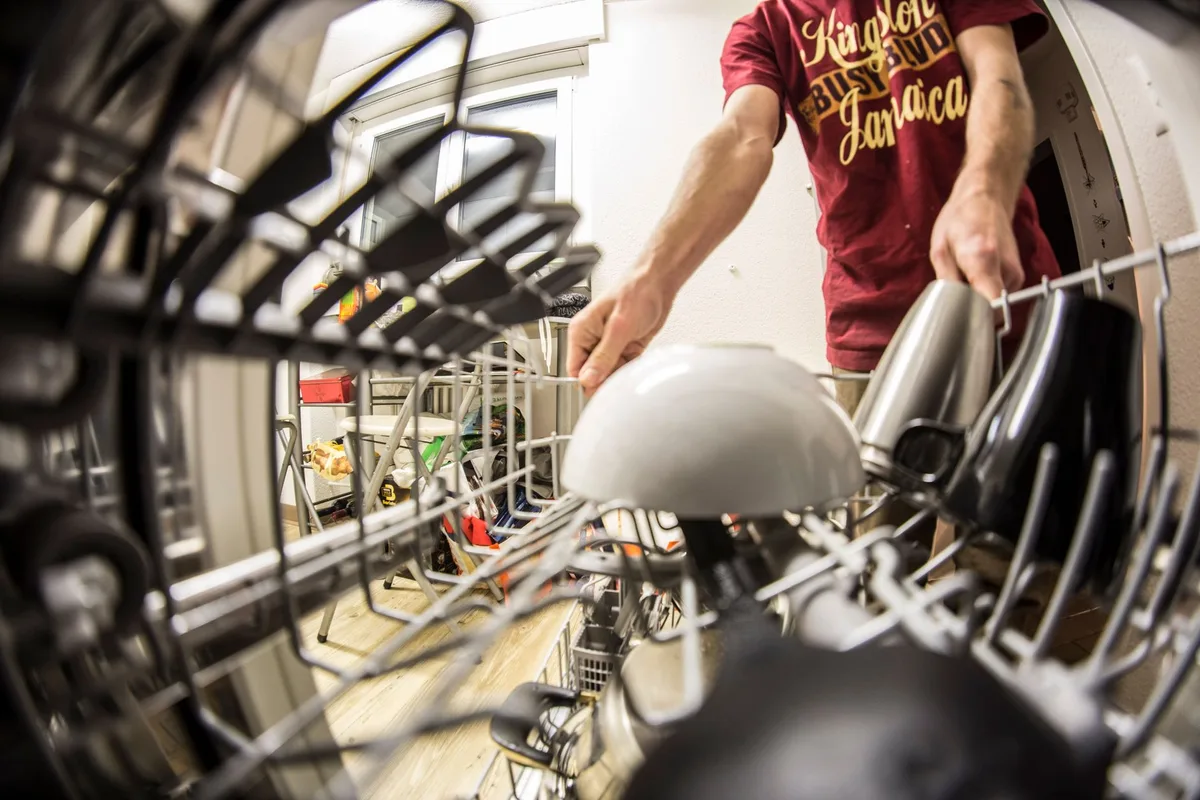
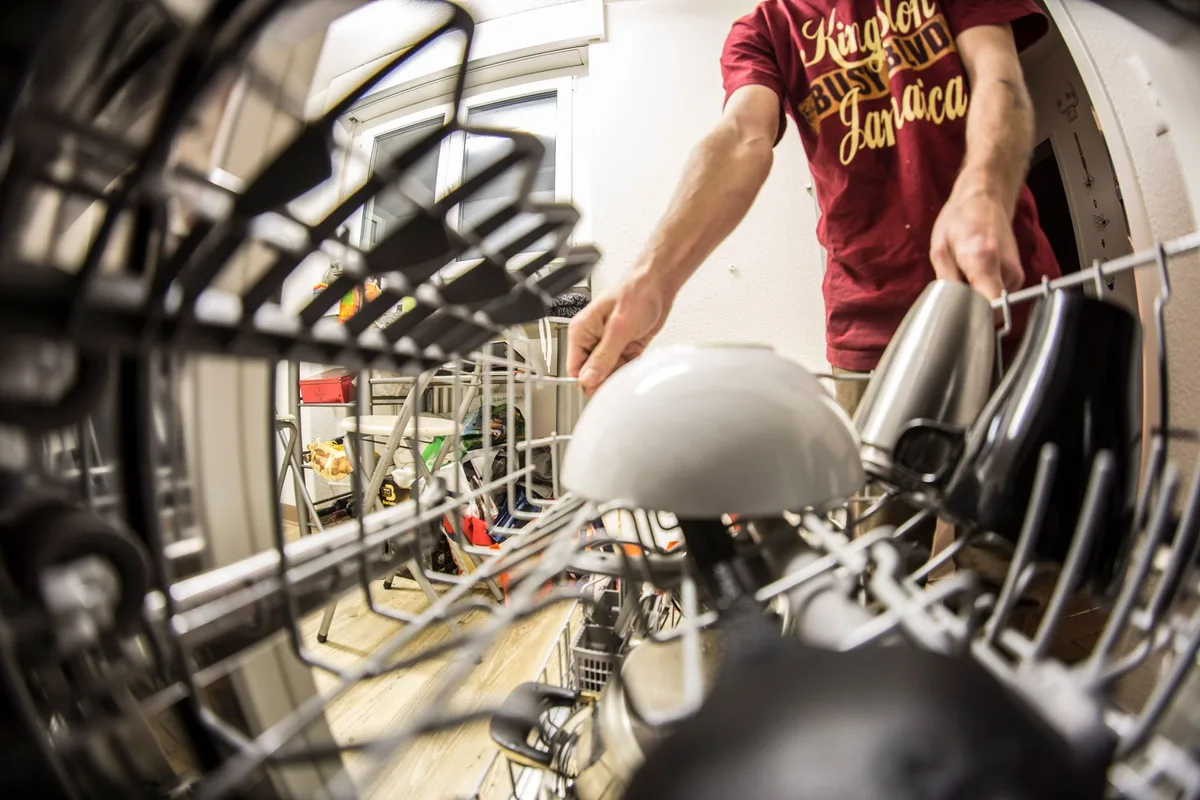
How you load the rack determines whether water escapes or pools. Angle every item so water runs off instead of collecting in bowls or cups. Do not nest measuring cups, storage containers, or utensils together, because trapped water has no path to the drain.
Place plastics on the top rack, away from the heating element, so they do not warp but also do not block airflow.
Overloading blocks the spray arms and stops moist air from circulating. Leave space between plates and bowls so steam can move freely. Silverware should alternate handles up and down to prevent nesting, and tall items belong at the back or sides where they do not shadow smaller pieces.
When the bottom rack is too full, water drips onto items below during unloading.
| Loading Problem | Effect on Drying | Fix |
|---|---|---|
| Nested bowls | Water trapped inside | Stack at angles, not inside each other |
| Overcrowded racks | Airflow blocked | Leave gaps between items |
| Plastics on bottom rack | Near heating element, may warp or stay wet | Move to top rack |
| Tall items blocking spray arms | Rinse and dry agents not distributed | Place tall items at sides or back |
Step-by-Step: Get Better Drying From Your Current Dishwasher
Start by checking the rinse aid dispenser. Refill it if the window shows empty, and make sure the cap clicks shut. Adjust the dosage dial to a higher number if you have hard water, or lower if you see film on glassware.
This one step often fixes spotty glasses and wet plastic more than any cycle change.
Pick the right cycle before you press start. Normal or Heavy usually includes a heated final rinse, while Eco may skip or shorten drying. Select Heated Dry, Extra Dry, or Dry Boost if your panel offers them.
If your machine uses condensation drying only, keep the door shut until the cycle ends so moisture can collect on the tub walls.
Load for airflow and water runoff. Angle cups and bowls downward, avoid nesting, and put plastics on the top rack. When the cycle finishes, unload the bottom rack first so any remaining water does not drip onto clean items below.
If your dishwasher lacks an auto-open door and uses heated dry, crack the door slightly after the cycle stops to release steam.
Choose the Right Dry Mode for Your Kitchen and Load
If your load is mostly glass and ceramic and you need speed, use Heated Dry. It runs the heating element and finishes fastest, but it costs more in electricity. Aggregate reviews show it works best for entertaining or same-day turnaround when you need dishes back in the cabinet quickly.
If your machine uses condensation drying and you want lower energy use, skip the heated option. This method suits households that run overnight cycles and unload in the morning. Glassware comes out spot-free with rinse aid, though plastics may still feel damp.
It is the better choice if your utility rates are high or you run the dishwasher daily.
If you wash mixed loads with plastic containers, lids, and sippy cups, look for Fan-Assisted Dry or Dry Boost. These systems move moist air out of the tub and handle plastic better than passive condensation. They cost more upfront than basic models, but they reduce the need for towel drying after the cycle ends.
If your home has hard water, pair any dry mode with a higher rinse aid dosage. Hard water leaves spots that look like drying failure, when the real issue is mineral residue. Manufacturers such as Bosch and Miele specify dosage settings from 1 to 6 based on water hardness.
Common Drying Mistakes That Leave Dishes Damp
Opening the door mid-cycle releases humid air and stops condensation from forming on the tub walls. Wait until the cycle fully ends before you unload. Even a few seconds of open-door time can leave glassware streaky and plastic wet.
Overloading is the most frequent user error. Plates stacked too tightly trap rinse water between them, and nested containers hold standing water long after the drain pump stops. Our research shows that overcrowded racks are the top cause of damp dishes in condensation-drying models.
Using Eco cycle for a full load often shortens or removes the heated rinse. Eco saves water and power, but it sacrifices drying performance. Switch to Normal or Heavy when you need everything dry, especially if the load includes plastics.
Unloading the top rack first lets water drip from upper items onto clean dishes below. Always empty the bottom rack first. Likewise, putting plastics on the bottom rack near the heating element can warp them and still leave them wet because plastic sheds heat too fast.
Is Your Dishwasher Broken or Just Using the Wrong Dry Mode
If glassware is dry but plastic is damp, your machine is likely working normally. Plastic retains little heat, so it needs towel drying or a fan-assisted mode. This is not a repair issue.
If every load comes out wet across all materials, check your rinse aid level and cycle selection first. Empty rinse aid or an Eco cycle can mimic a breakdown. Run a Normal cycle with Heated Dry and a full rinse aid reservoir before assuming the machine is faulty.
If the heating element does not glow or the dishwasher stops mid-dry with a cool tub, the element or high-limit thermostat may have failed. A technician can test continuity and replace the part. Do not attempt to replace internal heating components unless you are qualified to work with 120-volt appliances.
If the vent damper is stuck closed or the fan does not run on fan-assisted models, moist air stays inside the tub. Listen for the blower at the end of the cycle. Silence where there should be airflow points to a mechanical issue.
Manufacturer warranty terms usually cover the tub and motor for five to ten years, but drying components often fall under the one-year parts warranty.
Long-Term Maintenance for Consistent Drying
A clogged filter reduces water flow and leaves residue that blocks drying. Remove the bottom rack and twist out the filter assembly once a month. Rinse it under hot water and scrub with a soft brush.
Reinstall it securely before running another cycle.
Spray arm holes can clog with food bits or mineral deposits. Pull out each arm and check the nozzles. Use a toothpick or wire to clear blockages.
If the arms do not spin freely, water cannot reach every rack during the rinse and dry phases.
Hard water leaves scale on the heating element and tub walls. Run a dishwasher cleaner or a citric acid cycle every few months if you live in a hard-water region. Wipe the door gasket with a damp cloth to remove grime that can prevent a tight seal.
A leaking seal lets steam escape before condensation can work.
Check that the dishwasher sits level. Use a bubble level on the rack rails. Adjust the feet at the base until the tub does not tilt.
An unlevel machine pools water in the bottom, which evaporates slowly and leaves everything damp.
Energy Cost, Cycle Time, and Water Use Trade-Offs
Heated dry uses more electricity per cycle. The element draws 600 to 1,200 watts and adds roughly 15 to 25 percent more energy compared with condensation drying. If you run the dishwasher daily, that difference shows up on your monthly bill.
Condensation drying takes longer. It can add 30 to 60 minutes to the total cycle because it waits for moisture to collect on cool tub walls. You save power but trade time.
Households that run overnight loads rarely notice the delay.
Eco cycles use less water and lower temperatures. They often shorten or skip the heated rinse, which means dishes come out damper. Use Eco for light loads or glassware only, not for full loads with plastic containers.
Fan-assisted models use a small blower that draws less power than a heating element but more than passive condensation. They sit in the middle for both speed and cost. Manufacturer energy labels list estimated yearly kilowatt-hours, which helps compare models before purchase.
Water temperature from your home heater matters. If the incoming water is below 120 degrees Fahrenheit, the dishwasher works harder to reach rinse temperature. That can extend cycle time and weaken drying performance.
Frequently Asked Questions
Why are my plastic containers still wet after the dry cycle?
Plastic sheds heat quickly and holds little thermal mass. Water beads on its surface and does not evaporate before the cycle ends. Use rinse aid, place plastics on the top rack, and choose a fan-assisted or heated dry mode if available.
Can I open the dishwasher door right after it finishes?
No, not if you use condensation drying. Opening early releases humid air and stops water from condensing on the tub walls. Wait until the cycle ends and the steam has cleared before unloading.
Does rinse aid actually help drying?
Yes. Rinse aid lowers surface tension so water sheets off dishes instead of beading. It helps glassware dry spot-free and improves runoff on plastic, though it cannot fully fix wet plastic on condensation-only machines.
Is condensation drying safe for all dishware?
Yes, it is safe for glass, ceramic, and stainless steel. Avoid placing thin plastic too close to any heating element if your model uses heated dry, as high heat can warp it. Condensation drying itself is gentle.
How often should I clean the filter for good drying?
Clean the filter once a month. A clogged filter restricts water flow and leaves debris that can redeposit on dishes during the rinse, which interferes with drying.
Will a new dishwasher dry better than my old one?
Often yes. Newer models offer fan-assisted dry, auto-open doors, and better insulation. However, a new condensation-only model may still leave plastics damp unless you adjust loading and rinse aid settings.
Dishwasher Drying Decision Guide: Match Your Load to the Right Cycle
If your load is mostly glass and ceramic and you need dishes quickly, select Heated Dry. It runs the heating element and finishes fastest, but uses more electricity. This mode suits entertaining or same-day turnaround.
If your load is mostly plastic and your machine uses condensation drying, expect damp plastics. Either towel dry the plastic or switch to a model with fan-assisted dry or an auto-open door. Do not rely on condensation alone for plastic-heavy loads.
If your priority is energy savings and you run overnight cycles, choose condensation drying. Keep the door closed until the end and use rinse aid. Glassware comes out spot-free, but allow extra time before unloading.
If your load mixes plastic, glass, and cookware, use Fan-Assisted Dry or Dry Boost. These modes move moist air out of the tub and handle mixed materials better than passive condensation. They cost more upfront but reduce post-cycle towel drying.
If your home has hard water, raise the rinse aid dosage to match your water hardness. Mineral residue looks like drying failure but is actually spotting. Check your manual for the dosage dial setting, usually 1 to 6.
If your dishwasher lacks an auto-open door and uses heated dry, crack the door slightly after the cycle stops to release trapped steam. This small step improves drying without adding energy cost.

Table of Contents