Use mild soap, warm water, and microfiber; avoid abrasives and harsh chemicals on brushed nickel.
If you want a clear, expert-backed guide on how to clean brushed nickel faucets, you’re in the right place. I work with finishes every day and have cleaned hundreds of fixtures in homes and rentals. In this guide, I’ll show you how to clean brushed nickel faucets the safe way, prevent water spots, disinfect without damage, and keep that soft satin glow for years.
Why brushed nickel needs special care
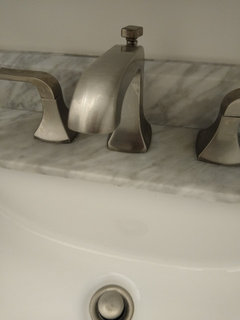
Brushed nickel has a soft, matte sheen. The brushed lines hide small marks, but the finish can stain. Hard water leaves spots. Harsh cleaners can cloud or strip the finish.
The key to how to clean brushed nickel faucets is gentle care. That means low pH soaps, soft cloths, and short contact time for any cleaner. Most manufacturer guides warn against bleach, ammonia, and abrasive pads. Trust them. One bad clean can ruin the look.
Personal note: I once tested a “magic” sponge on a client’s tap. It dulled a patch in seconds. We had to replace the handle. Be kinder than that to your faucet.

Tools and cleaning supplies you need
Gather what you need before you start. This will help you clean fast and safe.
- Mild dish soap or hand soap
- Warm water
- Two or three microfiber cloths
- A soft toothbrush or soft detailing brush
- Cotton swabs for tight spots
- White vinegar (to dilute with water)
- 70% isopropyl alcohol (optional, for quick disinfection)
- Mineral oil or baby oil (for a light protective buff)
- Painter’s tape and plastic bag (for targeted mineral removal on the aerator)
These are the basic tools for how to clean brushed nickel faucets without stress. Keep them in a small caddy under the sink so you use them often.

Step-by-step: how to clean brushed nickel faucets daily and weekly
Follow these steps for a routine clean that protects the finish.
Daily quick clean
- Wet a microfiber cloth with warm water. Wring it out well.
- Wipe the faucet from base to spout. Follow the brush lines.
- Dry with a fresh cloth to stop water spots.
Weekly deeper clean
- Mix a few drops of mild soap in a bowl of warm water.
- Dip your cloth. Wipe the faucet, handles, and base.
- Use a soft toothbrush around the handle gaps and the base.
- Rinse with a damp cloth.
- Dry and buff with a clean microfiber.
This routine is the heart of how to clean brushed nickel faucets. It is simple, fast, and very safe.
Remove hard water spots and mineral buildup
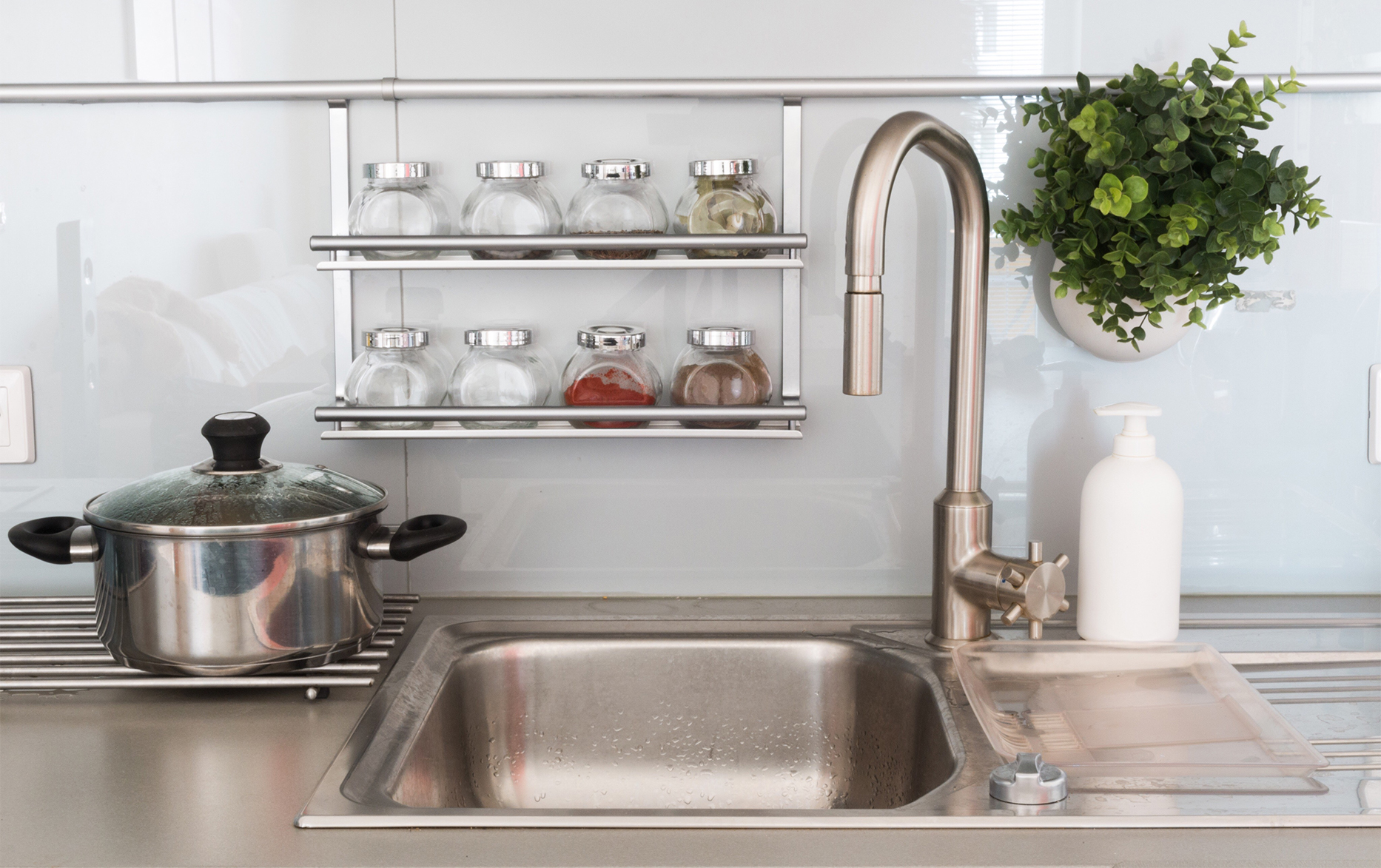
Water spots happen even when you clean often. Here is a gentle way to remove them.
- Start mild. Press a warm, damp microfiber on the spot for 30 to 60 seconds. Wipe and dry.
- Use diluted vinegar. Mix white vinegar with water at 1:1 for tough spots or 1:3 for light spots. Dampen a cloth with the mix. Lay it on the spot for 2 to 3 minutes. Do not soak the whole faucet. Wipe, then rinse with water. Dry right away.
- Detail tight areas. Use a cotton swab damp with the vinegar mix along the base and behind the spout. Rinse and dry.
- For the aerator. If the flow is weak, unscrew the aerator. Soak only the aerator in vinegar for 20 to 30 minutes. Rinse well. Reinstall. Do not soak the entire faucet.
Avoid baking soda pastes unless you test a tiny spot first. Baking soda can scratch some brushed finishes. The safer path for how to clean brushed nickel faucets is low-acid, short-contact cleaning and fast drying.

Disinfecting without dulling the finish
You can disinfect brushed nickel without harm. You just need the right method and short dwell times.
- Soap and water first. Clean soil before you disinfect. Dirt blocks germ kill.
- 70% isopropyl alcohol. Lightly dampen a microfiber. Wipe high-touch spots like handles. Let sit for 30 seconds. Rinse with a damp cloth. Dry.
- Hydrogen peroxide 3%. Mist a cloth, not the faucet. Wipe. Wait up to 1 minute. Rinse and dry.
Avoid bleach, ammonia, and high-pH bathroom sprays. They can stain or etch. If you must use a new product, test in a hidden area first. This careful method is central to how to clean brushed nickel faucets in busy homes with kids or guests.
Polishing and protecting the brushed look
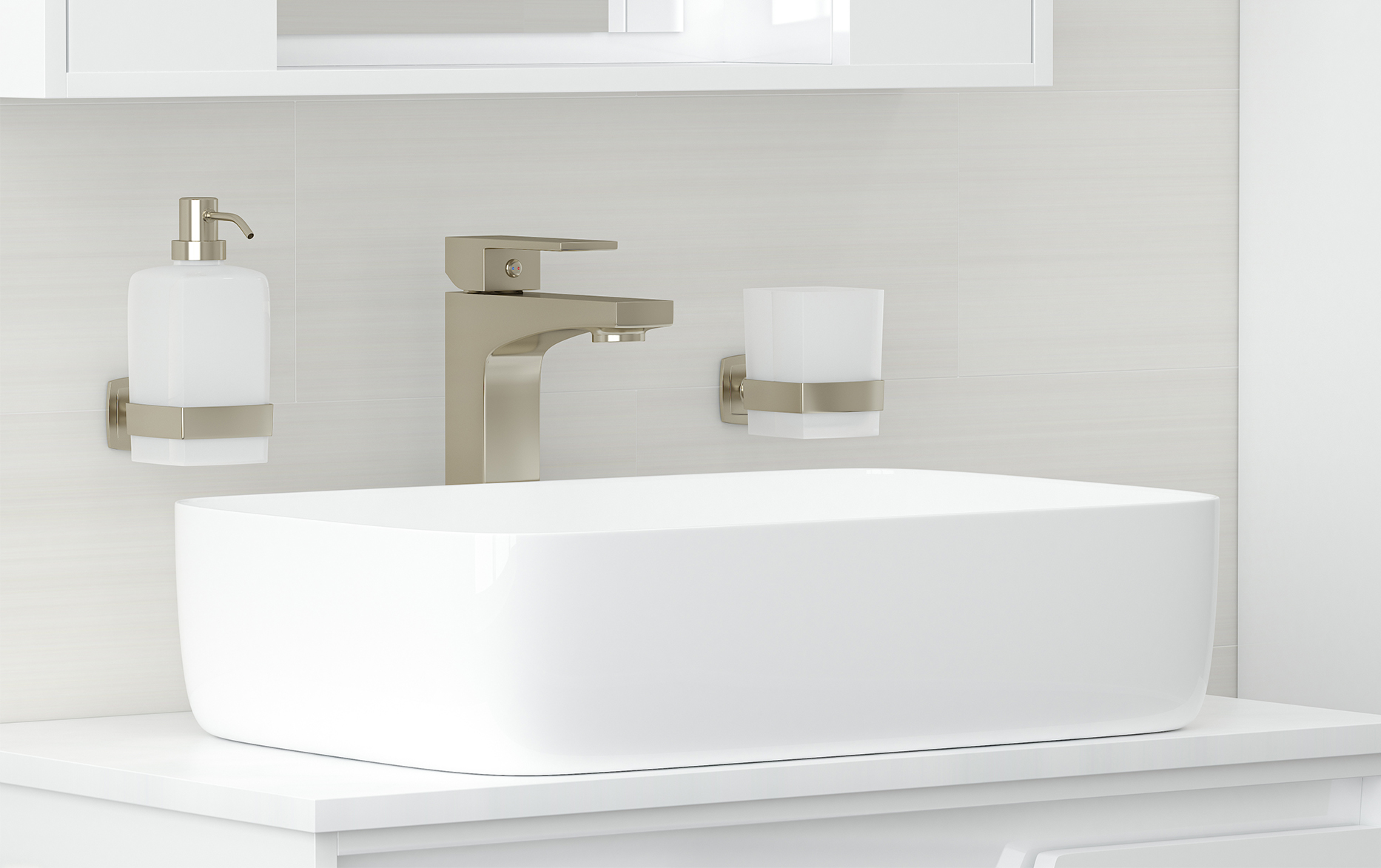
Brushed nickel should not look glossy. It should look soft and even. You can keep that look with a light, oil-based buff.
- Put one drop of mineral oil or baby oil on a clean microfiber.
- Wipe a thin film across the faucet, with the grain of the brush lines.
- Buff dry with another cloth until the surface feels smooth, not greasy.
This creates a water-repelling layer. It helps stop spots and fingerprints. I do this once a month on rentals and it saves time. It is a smart step in how to clean brushed nickel faucets and keep them looking new.

What to avoid and common mistakes
Skip anything that can scratch, strip, or stain.
- No abrasive pads, scouring powders, or “magic” erasers
- No bleach, oven cleaner, ammonia, or strong limescale gels
- No toothpaste or cream cleansers with grit
- No long vinegar soaks on the faucet body
- No leaving water to air-dry on hard water
These rules are a big part of how to clean brushed nickel faucets the right way. When in doubt, mild soap and water win.

Troubleshooting and light restoration
If you see haze, streaks, or tiny scratches, try this:
- Haze from cleaners. Wipe with warm, soapy water. Rinse. Dry. Then do a light oil buff.
- Light scratches. You can sometimes blend the look by buffing with a clean microfiber along the brush lines. Do not use metal polishes unless the maker says it is safe for brushed nickel.
- Persistent spots. Use the diluted vinegar cloth method for 2 to 3 minutes. Rinse and dry. Repeat if needed.
- Leaks that leave stains. Fix the drip and clean the area. Mineral drips can etch over time.
If the brush lines look damaged or shiny in patches, call the faucet maker. Many offer finish care advice or parts. This is the careful path for how to clean brushed nickel faucets when things go wrong.

Maintenance schedule and habit checklist
A simple schedule keeps the finish fresh with little work.
Daily
- Wipe and dry after last use
Weekly
- Soap-and-water clean
- Detail around base and handle gaps
Monthly
- Vinegar spot treatment if needed
- Light oil buff to repel water
- Clean aerator if flow slows
Seasonal
- Check for leaks
- If you have hard water, consider a softener or a sink-side filter
Build these habits into how to clean brushed nickel faucets and you will cut deep cleans by half.
Eco-friendly and kid-safe cleaning options
You can keep your faucet clean and safe for little hands.
- Use mild soap, warm water, and microfiber for most jobs.
- Use diluted vinegar on a cloth for short, targeted spot removal.
- Choose plant-based soaps with simple ingredients.
- Avoid aerosols and strong fumes.
These green steps fit well with how to clean brushed nickel faucets in homes that care about air quality and skin safety.
Frequently Asked Questions of how to clean brushed nickel faucets
How often should I clean a brushed nickel faucet?
Do a quick wipe and dry each day. Do a soap-and-water clean once a week to prevent buildup.
Can I use vinegar on brushed nickel?
Yes, but dilute it and keep contact short. Apply with a cloth, then rinse and dry.
What removes hard water spots best?
Warm water and a microfiber cloth first. For stubborn spots, use a 1:1 water-vinegar cloth for 2 to 3 minutes, then rinse.
Will alcohol damage brushed nickel?
70% isopropyl alcohol is safe for quick disinfection. Wipe, allow a short dwell, then rinse and dry.
Are magic erasers safe on brushed nickel?
No. They are micro-abrasive and can dull or scratch the finish. Use soft cloths instead.
Can I use glass cleaner on my faucet?
Most glass cleaners have ammonia. Avoid them. Use mild soap and water for safe daily cleaning.
How do I keep fingerprints off the faucet?
Buff a tiny drop of mineral oil with a microfiber. It helps repel prints and water.
Conclusion
Brushed nickel loves gentle care. Clean with mild soap, warm water, and soft cloths. Spot-treat minerals with short, diluted vinegar contact. Disinfect fast, rinse, and dry. Buff a whisper of oil to protect the glow. Follow these steps for how to clean brushed nickel faucets, and your fixtures will look new for years.
Ready to level up your routine? Try the daily wipe-and-dry for one week and see the shine. Have a question or a tricky stain? Drop a comment, and subscribe for more quick home care guides.

Table of Contents