Wall sconces are wall-mounted lights that direct illumination using wired, plug-in, or battery power.
If you have ever wondered how do wall sconces work, you are in the right place. I have installed and specified dozens of sconces for homes, rentals, and boutique spaces. In this guide, I’ll break down how do wall sconces work from the inside out. You will learn wiring, bulbs, switches, placement, safety, and smart control. Keep reading for clear answers and real tips you can use today.

What is a wall sconce and how do wall sconces work?
A wall sconce is a light that mounts to a wall and shines light up, down, or both. The base secures to a junction box or anchors. Wires feed the socket or LED module. A shade or diffuser directs the beam and hides glare.
At its core, here is how do wall sconces work:
- Power flows from a circuit or a plug to the fixture.
- A switch or sensor turns the current on and off.
- A bulb or LED converts power into light.
- The shape and shade aim the light to set mood or aid a task.
I like to think of a sconce as a tiny stage. Power is the backstage crew. The bulb is the actor. The shade is the set. Together they tell a story on your wall.
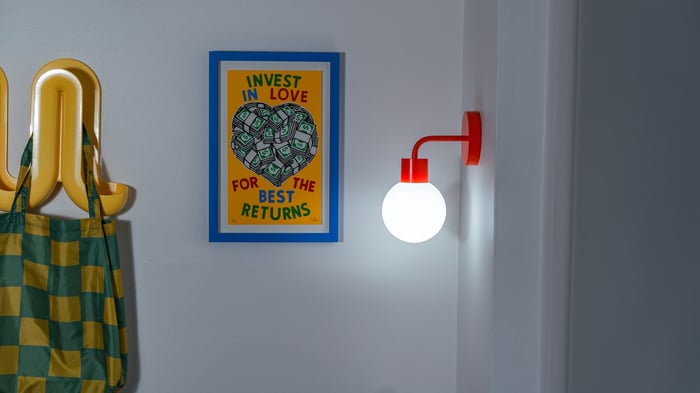
The core mechanics: power, control, and light distribution
How do wall sconces work at the power level? They use one of four sources.
Power sources
- Hardwired. Ties into a wall junction box. Clean look. Needs a switch and proper code work.
- Plug-in. Hangs on the wall and plugs into a receptacle. Easy DIY. A cord switch is common.
- Battery. Uses replaceable or rechargeable cells. Good for rentals. Lower output and more upkeep.
- Solar. For outdoors with sun. Charges by day. Lights at night with a sensor.
Switch and control types
- On-fixture toggle or rotary. Simple and built in.
- Wall switch. Best for hardwired. Can be single pole, three-way, or part of a scene.
- Dimmer. Lets you tune mood and save energy. Use a dimmer that matches the bulb type.
- Smart control. Wi‑Fi, Zigbee, Z‑Wave, or Thread. Use voice, apps, and schedules.
Light source basics
- Incandescent. Warm and smooth dim. High heat and high energy use.
- Halogen. Brighter than incandescent. Still hot and less efficient.
- CFL. Older tech. Slow start and not great dimming.
- LED. Top pick today. Low energy, long life, many color choices, great dimming when paired right.
Optics and beam patterns
- Up light. Bounces off the ceiling. Soft and calm.
- Downlight. Aims to the floor. Good for tasks or art wash.
- Bi-directional. Up and down for a signature glow line.
- Shade types. Opal glass diffuses. Clear glass sparkles. Fabric warms. Metal shields and cuts glare.
How do wall sconces work with color? Two key terms matter. Color temperature (CCT) is how warm or cool the light looks. 2700K is cozy. 3000K is fresh. 4000K is crisp. Color rendering index (CRI) is how true colors look. Aim for 90+ CRI when you can.
Do wall sconces need a switch?
Yes. It can be on the fixture, on the wall, or in a smart app. For hardwired sconces, a wall switch or smart control is the norm.
Can a wall sconce light a whole room?
Sometimes. In small rooms with bright LEDs, yes. Most times, sconces are part of a layered plan with ceiling or floor lights.
Are wall sconces safe in bathrooms?
Yes, if rated and placed right. Use damp or wet-rated fixtures and follow local code for zones near water.

Types of wall sconces and where they shine
How do wall sconces work in different roles? Think in layers.
- Ambient sconces. Soft glow for mood. Great in halls, bedrooms, and living rooms.
- Task sconces. Focused beams for reading or grooming. Use shades that direct light where you need it.
- Accent sconces. Add drama. Wash stone, brick, or art. Look for narrow beams and good shielding.
Common styles include picture lights, swing arm lamps, candle-style, lanterns, and modern bars. Pick a style that fits the room story.
Mounting height matters. For most hallway or living room setups, aim for 60 to 66 inches from floor to center of the fixture. In bathrooms, flank the mirror at eye level to cut shadows. My go-to tip: hold a flashlight where the sconce will sit. If the light feels harsh in your eyes, lower or raise the spot.
Mistakes to avoid:
- Placing sconces too high so you see the bulb and glare.
- Using cool white light in a warm room palette.
- Over-spacing in long halls, which creates dark gaps.

Installation basics: how do wall sconces work during setup
Safety first. Turn off the breaker. Test the wires. If you are not sure, hire a licensed electrician. The National Electrical Code and local rules exist for a reason.
Steps I follow for hardwired installs:
- Confirm the junction box is secure and rated to hold the fixture weight.
- Match wires: hot to hot, neutral to neutral, ground to ground with a wirenut.
- Mount the bracket. Level it before you tighten.
- Attach the fixture and shade. Add the bulb or connect the LED module.
- Restore power. Test the switch and dimmer range.
How do wall sconces work with walls that lack boxes? For plug-in versions, use a template, mount anchors into studs where you can, and hide cords with paintable channels. For battery sconces, use strong anchors and charge on a set schedule.
Pro tip from many jobs: test the dimmer and bulb combo on a table before you mount. Buzz or flicker often comes from a mismatch.

Controls and smart features
How do wall sconces work with smart homes? They can join your scenes and routines.
- Smart bulbs. Easy entry. Control color and dimming by app. Keep the wall switch on.
- Smart switches or dimmers. Great for hardwired LEDs. Maintain normal feel with smart power under the hood.
- Sensors. Use motion or occupancy in halls or baths. Add a photo sensor outdoors so lights come on at dusk.
- Schedules and scenes. Wake mode at 20% warm light. Movie mode with low uplight. Vacation mode for random on/off.
Check that drivers and bulbs list dimmer types they support. Leading edge and trailing edge dimmers act in different ways. When in doubt, pick a dimmer the maker lists as compatible.
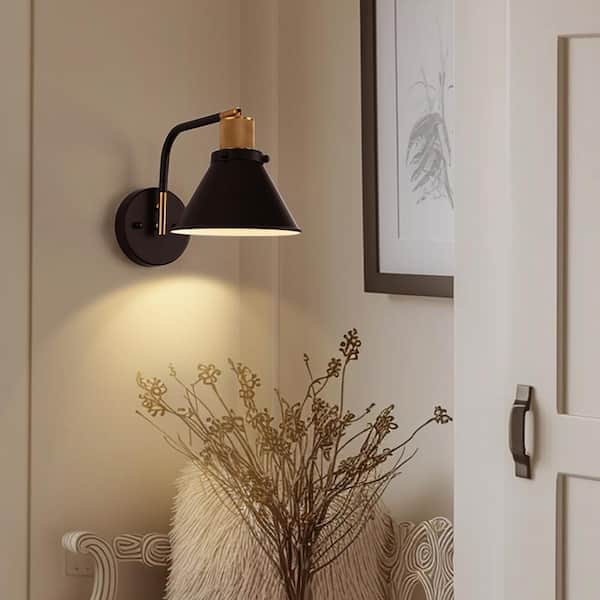
Light planning: lumens, spacing, and layered design
How do wall sconces work in a full lighting plan? You blend them with ceiling and task lights.
- Lumens. A living room sconce might need 400 to 800 lumens each. A hall may use 250 to 500 lumens each.
- Spacing. In halls, start with 6 to 8 feet apart. Tweak for ceiling height and wall color.
- Layering. Pair sconces with a center light or lamps. Sconces build mood. Overheads handle chores.
Simple math helps. Two 600-lumen sconces give 1200 lumens. If the room also has a 1500-lumen ceiling light, you have 2700 lumens total. That suits a small den with mid-tone walls.

Maintenance, troubleshooting, and safety
How do wall sconces work over time? With care and checks.
- Clean shades and diffusers each season. Dust cuts output fast.
- Tighten set screws once a year. Vibration can loosen parts.
- Use bulbs within the listed wattage. Overheating is a fire risk.
- If a dimmer buzzes or lights flicker, try a compatible dimmer or a better LED.
- Outdoor sconces need a sealed box, a gasket, and wet-rated gear.
If a breaker trips when a sconce turns on, stop. A short or loose wire may be present. Call a pro to inspect.
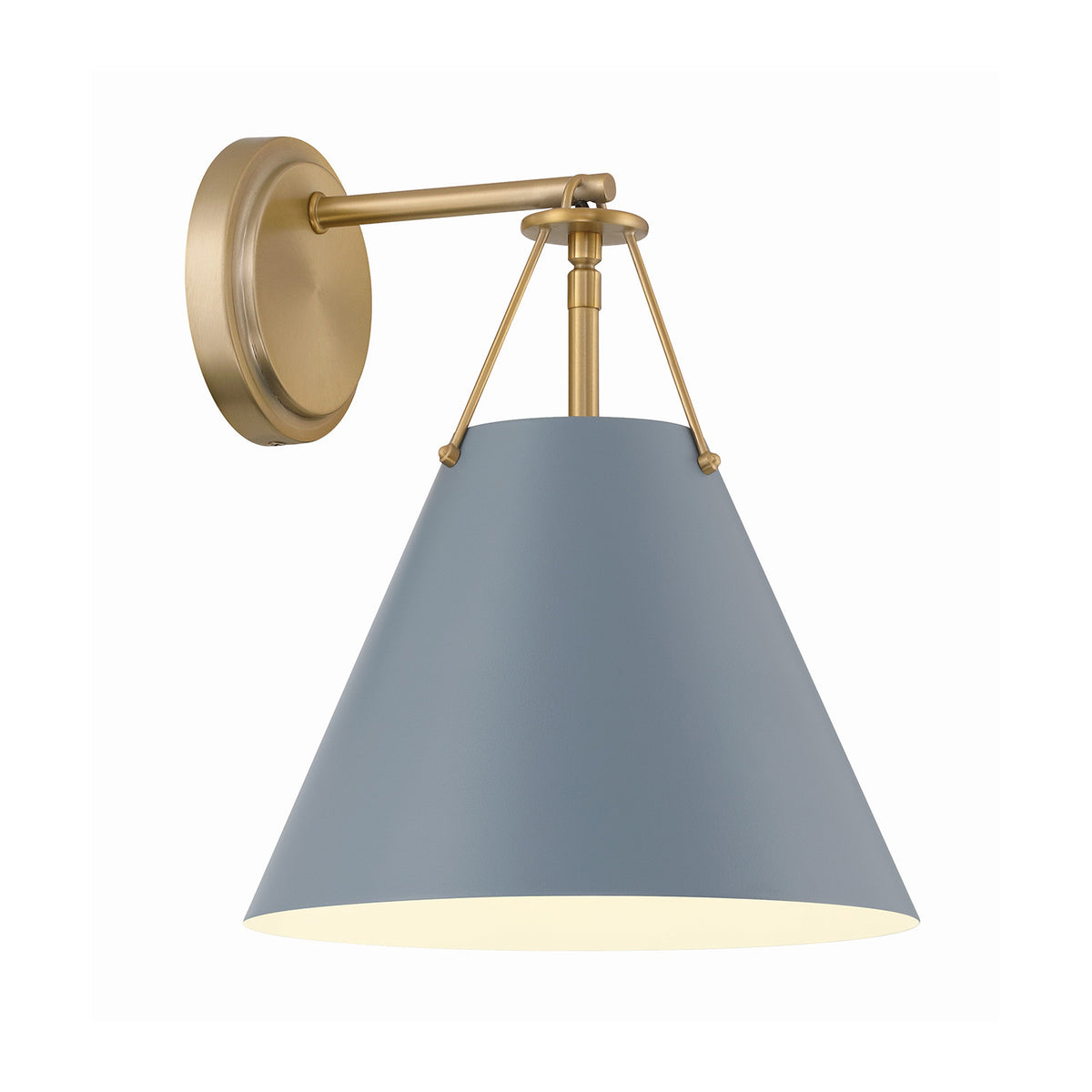
Cost, energy, and sustainability
How do wall sconces work for your bill? LEDs win. A 7‑watt LED can replace a 60‑watt bulb while keeping output close. Run that light 3 hours a day and you use about 7.7 kWh per year. That is only a few dollars at common rates.
Choose Energy Star or DLC when you can. Look for 50,000-hour ratings and 90+ CRI. Recycle old bulbs, and avoid leaving battery lights on max for long hours. Smart schedules trim waste without effort.

Frequently Asked Questions of how do wall sconces work
How do wall sconces work if there is no wall switch?
They can use an on-fixture toggle, a cord switch, or a smart bulb. Plug-in and battery sconces are easy in this case.
How do wall sconces work with dimmers?
Use a dimmer that matches the bulb or driver type. Many LED issues vanish when you pair a listed dimmer and set the low-end trim.
How do wall sconces work outdoors in rain?
Pick wet-rated fixtures and seal the junction box with the right gasket. Aim the shade to drain water and check for corrosion once a year.
How do wall sconces work in small bedrooms?
Place them at reading height and choose 2700K warm light. Add a dimmer so you can shift from reading to rest.
How do wall sconces work with art and photos?
Use narrow beams or picture lights. Keep UV and heat low with LEDs and aim to avoid glare.
How do wall sconces work with three-way switching?
Wire the circuit with two switches that control one load. Smart switches can also mimic three-way setups without new traveler wires.
How do wall sconces work in rentals?
Use plug-in or battery sconces and cord covers. Command strips and paintable channels keep walls neat.
Conclusion
Now you know how do wall sconces work from power to placement. You learned wiring options, bulb types, beam control, smart features, and safety. Small choices like shade type and dimmer match can make or break the feel of a room.
Try one upgrade this week. Swap a harsh bulb for a 2700K high-CRI LED, or add a dimmer to your favorite sconce. If you found this helpful, subscribe for more lighting guides, or drop a comment with your room and I will share a custom tip.

Table of Contents