Your favourite lingerie, delicate blouses, fine knitwear, these are wardrobe staples that deserve a little extra care. Washing them by hand can be time-consuming, and tossing them into the washing machine loose can lead to snags, stretching, and premature wear. That’s where the humble mesh laundry bag comes in.
It’s a simple yet incredibly effective tool for protecting your most cherished garments during the wash cycle. But how do you use these bags correctly to get the best results? Let’s dive in.
Using a mesh laundry bag isn’t just about throwing clothes in and pressing start. It’s about understanding how they work and applying a few straightforward techniques. Get it right, and you’ll extend the life of your delicates significantly, keeping them looking and feeling their best.
This guide will walk you through everything you need to know. From choosing the right bag to loading it correctly and what cycles to use, we’ll cover it all.
Why Use a Mesh Laundry Bag for Your Delicates?
Think of a mesh laundry bag as a personal safe for your delicate garments inside the washing machine. The tumbling action of a washing machine can be surprisingly rough. Items can get tangled with larger, heavier clothes like jeans or towels.
This friction can cause fibres to fray, pilling to form, and delicate embellishments like beads or sequins to snag and break.
By encasing your delicates in a mesh bag, you create a buffer. The bag allows water and detergent to flow through freely, ensuring a thorough clean. However, it prevents direct contact with other laundry items and the washing machine drum itself.
This physical barrier is key to preventing damage.
Protecting Fabrics from Snags and Tears
Delicate fabrics like silk, lace, fine knits, and sheer materials are prone to damage from sharp edges, zippers, or hooks on other garments. Even the seams of sturdy items can rub against them, causing wear. A mesh bag stops this aggressive rubbing.
It keeps the delicate fabric contained and smooth, preventing accidental tears and holes.
Preventing Stretching and Loss of Shape
Garments made from stretchy materials, such as certain types of activewear or elasticated waistbands, can lose their form if washed incorrectly. The centrifugal force during the spin cycle can pull and distort them. Concentrating these items within a bag helps them maintain their original shape, ensuring they fit as well after washing as they did before.
Keeping Small Items Together
Ever lost a sock, a bra strap, or other small accessories in the wash? Mesh bags are a lifesaver for these smaller items. They prevent them from disappearing into the machine’s nooks and crannies or getting tangled around other items.
This saves you time searching and ensures you don’t end up with stray single items.
Preserving Embellishments and Details
Intricate details like embroidery, beading, sequins, or delicate appliques are particularly vulnerable. These can easily get caught on other clothes or the washing machine drum, leading to lost beads or damaged embroidery. A mesh bag shields these fragile elements, preserving their appearance for longer.
Choosing the Right Mesh Laundry Bag
Not all mesh laundry bags are created equal. The type you choose can impact how well your delicates are protected.
Material Matters: Polyester vs. Nylon
Most mesh laundry bags are made from either polyester or nylon. Both are durable synthetic materials that hold up well to washing.
- Polyester: Often a bit stiffer and more rigid, polyester bags can offer slightly better protection against snagging due to their less flexible mesh. They tend to be quite durable.
- Nylon: Generally softer and more flexible, nylon bags offer a good balance of protection and ease of use. They can be more pliable, making them easier to stuff clothes into.
For most everyday delicates, either material will work well. If you have extremely fine or fragile items, a softer nylon bag might be preferable.
Mesh Size: Fine vs. Coarse
The size of the mesh is another important consideration.
- Fine Mesh: Bags with very small holes are excellent for the most delicate items. They provide a tighter barrier, preventing even small embellishments or loose threads from escaping or catching. This is ideal for lace, hosiery, and intricately detailed garments.
- Coarse Mesh: Bags with larger holes still offer protection but allow for better water circulation. These are suitable for slightly sturdier delicates like some knitwear or workout gear where maximum water penetration is desired.
A good approach is to have a variety of bag types. Keep a few fine-mesh bags handy for your most precious items and some coarser ones for everyday delicates.
Bag Size and Shape
Mesh laundry bags come in various sizes. Select a size that comfortably fits your garments without being overly stuffed.
- Small Bags: Perfect for individual items like a single bra or a pair of tights.
- Medium Bags: Suitable for a few smaller items or a delicate top.
- Large Bags: Can accommodate a few pairs of underwear, a delicate sweater, or a combination of smaller items.
Avoid bags that are too small, as this will force you to overstuff, reducing water circulation and potentially stretching the garments. Conversely, a bag that is too large might allow items to move around too much inside.
Closure Type: Zipper vs. Drawstring
The closure mechanism is crucial for ensuring the bag stays shut during the wash.
- Zipper: A good quality zipper with a protective cover over the pull tab is often the most secure option. The cover prevents the zipper from snagging on other items or the washing machine drum. Ensure the zipper is robust and doesn’t feel flimsy.
- Drawstring: Simple and effective, a drawstring closure works well, too. Make sure the drawstring is strong and the knot you tie is secure. Some drawstrings can come undone under the stress of a wash, so a well-tied knot is important.
A zipper is generally preferred for its security and the added protection it offers.
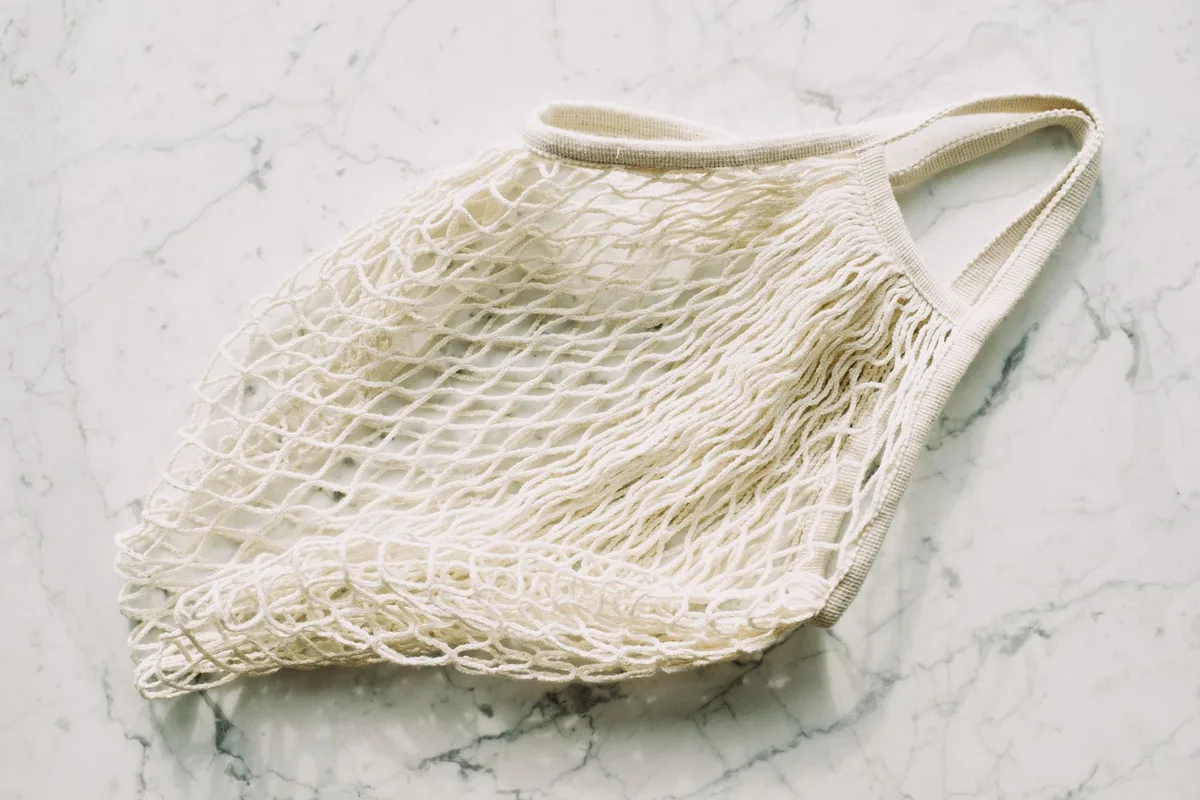
Image source: Pexels / ready made (Pexels License)
How to Properly Use a Mesh Laundry Bag
Now that you’ve chosen the right bag, it’s time to learn the best way to use it. Following these steps ensures your delicates get the protection they need.
Step 1: Select Your Delicates
Before you even reach for a bag, decide what needs this special treatment. Generally, anything labelled “hand wash” or “delicate cycle” is a prime candidate. This includes:
- Lingerie (bras, panties, camisoles)
- Silks and satins
- Lace garments
- Fine knits (cashmere, merino wool)
- Sheer or delicate blouses
- Tights and hosiery
- Items with embellishments
If you’re unsure, it’s always better to err on the side of caution and use a mesh bag.
Step 2: Sort Your Laundry (Again)
Even though the bag protects your delicates from other items, it’s still good practice to sort your laundry. Don’t mix heavily soiled items with lightly soiled delicates, even if they’re in separate bags. Wash colours separately and keep heavily soiled items like gym clothes away from your precious silks.
Step 3: Load the Bag Correctly
This is where many people make a mistake. Don’t stuff the bag to the brim.
- Don’t Overfill: A loosely packed bag allows water and detergent to circulate effectively. Overfilling restricts movement and cleaning. Aim to fill the bag no more than two-thirds full.
- Group Similar Items: It’s often best to wash bras together, underwear together, or delicate tops together in their respective bags. This further minimizes friction and keeps items from snagging on each other within the bag. For bras, remember to close the hooks to prevent them from catching on the mesh or other fabrics.
- Smooth Out Garments: Before placing items in the bag, give them a quick shake and smooth out any major wrinkles. This helps them wash more evenly.
Step 4: Secure the Closure
Once your items are inside, close the bag securely.
- Zippers: Ensure the zipper is fully closed. If your bag has a zipper pull tab cover, tuck it securely in place.
- Drawstrings: Tie a firm knot. If you’re worried about it coming undone, you can even double-knot it.
Step 5: Choose the Right Washing Machine Cycle
The mesh bag protects your clothes, but the machine’s cycle is still critical.
- Delicate Cycle: This is the go-to setting. It uses a slower spin speed and gentler agitation.
- Hand Wash Cycle: If your machine has this option, it’s even gentler than the delicate cycle and is perfect for true delicates.
- Cold Water: Always opt for cold water when washing delicates. Hot water can shrink, fade, or damage delicate fibres.
Avoid heavy-duty cycles, even with the bag, as they are too aggressive for most delicate fabrics.
Step 6: Use a Mild Detergent
Harsh detergents can strip natural fibres of their oils and degrade synthetic ones over time. Use a detergent specifically formulated for delicates or a mild, pH-neutral option. For wool or cashmere, use a wool-specific wash.
Step 7: Do Not Use Bleach or Fabric Softener (Generally)
Bleach can weaken and discolour delicate fibres, especially silk and lace. Fabric softeners can coat synthetic fibres, reducing their breathability and potentially damaging stretch in materials like spandex. If you must use a fabric softener for a particular item, use it very sparingly and consider if it’s truly necessary for that garment.
Step 8: How to Dry Your Delicates
Drying is just as important as washing. Mesh bags are for the washing machine only.
- Never Tumble Dry Delicates: The heat and tumbling motion of a dryer are the arch-nemesis of delicate fabrics. They can cause shrinkage, stretching, and damage to fibres and embellishments.
- Air Dry: The best method is to air dry.
- Reshape Garments: After removing items from the mesh bag, gently reshape them to their original dimensions.
- Lay Flat: For knits like wool or cashmere, lay them flat on a drying rack or a clean towel. This prevents stretching.
- Hang Dry: For other items like silk blouses or lingerie, hang them on padded or plastic hangers to avoid rust marks or stretching. Avoid wire hangers.
- Avoid Direct Sunlight: For coloured items, prolonged exposure to direct sunlight can cause fading. Dry them in a shaded area or indoors.
Specific Considerations for Different Delicates
While the general rules apply, certain items might benefit from slightly different approaches within the mesh bag system.
Bras
Bras are a prime candidate for mesh bags due to their hooks, clasps, and underwires.
- Hooks and Eyes: Always fasten the hooks on bras before placing them in the bag. This prevents them from snagging on the mesh or other laundry.
- Bra Bags: You can find specialized bra laundry bags which are often spherical or cage-like. These offer even more structural protection for the cups.
- Separate Washes: Wash bras separately from other items, or group them with other similar delicate underwear.
Lingerie and Panties
Most delicate underwear can go into a standard fine-mesh bag.
- Lace: If your lace is very delicate, use a fine-mesh bag with a secure zipper.
- Silk Underwear: Treat silk as you would a silk blouse, use a fine-mesh bag and a delicate cycle.
Knitwear (Wool, Cashmere, Fine Cotton)
Fine knitwear is prone to stretching and pilling.
- Reshape Carefully: Gently reshape the garment after washing and lay it flat to dry.
- Avoid Overcrowding: Don’t pack too many knit items into one bag, as this can lead to stretching.
- Wool Wash: Use a dedicated wool detergent for best results. This can help maintain the natural lanolin in wool, keeping it soft.
Items with Embellishments
Beads, sequins, embroidery, and appliques need maximum protection.
- Fine Mesh is Key: Always use a very fine-mesh bag for these items.
- Turn Inside Out (Optional but Recommended): For heavily embellished items, turning them inside out before placing them in the mesh bag can offer an extra layer of protection for the decorative elements.
Maintaining Your Mesh Laundry Bags
Your mesh laundry bags are tools that need care themselves to keep working effectively.
Rinse After Use
It’s a good idea to rinse out your mesh laundry bags after each use. This removes residual detergent and lint, preventing it from transferring to your next load of delicates.
Air Dry Your Bags
After rinsing, hang your mesh bags to air dry. Don’t put them in the dryer, as the heat can degrade the material and weaken the seams and zippers over time. Ensure they’re completely dry before storing to prevent mildew.
Check for Damage
Before each wash, give your mesh bags a quick inspection. Look for tears in the mesh, broken zippers, or frayed seams. Damaged bags won’t protect your clothes effectively and could even cause snagging themselves.
If a bag is damaged, it’s time to replace it.
Storage
Store your mesh bags in a cool, dry place. You can fold them or simply keep them in a dedicated drawer or laundry basket.
Common Mistakes to Avoid
- Overstuffing the Bag: I can’t stress this enough. It hinders cleaning and can stretch items.
- Washing Delicates with Heavy Items: Even in a bag, rough items can cause undue stress. Sort your laundry.
- Using Hot Water: This is a fast track to shrinkage and damage for most delicates.
- Tumble Drying: The heat and tumbling are usually too harsh. Air dry!
- Forgetting to Close the Bag: A gaping bag defeats the purpose.
- Using Damaged Bags: A torn bag can do more harm than good.
By avoiding these common pitfalls and following the guidelines above, you’ll ensure your mesh laundry bags do their job beautifully.
Beyond the Basics: When to Consider Hand Washing
While mesh bags are excellent for machine washing delicates, there are times when traditional hand washing is still the best or only option.
For extremely fragile antique lace, very fine silk or cashmere that you absolutely want to preserve perfectly, or items with very loose or delicate embellishments, hand washing is the safest bet. Understanding how to hand wash delicates is a valuable skill. It involves using cool water, a mild detergent, gently swishing the item, and avoiding wringing or harsh scrubbing.
If you’re unsure about a particular garment, research its care instructions or opt for hand washing.
For general care of delicate fabrics, using a mesh laundry bag is a fantastic way to bridge the gap between hand washing and tossing everything into a heavy-duty wash. It’s a simple investment that pays dividends in the longevity and appearance of your favourite clothes.
We’ve all had those moments where a beloved garment starts to look worn after just a few washes. Often, that premature aging is down to the stresses of the washing machine. But with the simple, accessible tool of a mesh laundry bag and a little know-how, you can significantly extend the life of your delicate wardrobe.
Keep your silks silky, your lace lovely, and your knits wonderfully soft. It’s a small effort for a big return on maintaining your cherished clothing.

Table of Contents