Deciding how to store a blender can feel like a trivial kitchen decision, but it makes a surprising difference in how you use your appliances and how your kitchen feels. Should that trusty blending machine live out in the open, ready for action, or be tucked away neatly in a cabinet? I’ve found that the best approach often depends on your kitchen’s layout, your blending habits, and your personal preference for countertop real estate.
Let’s explore the pros and cons of both countertop blender storage and cabinet blender storage to help you make the smartest choice for your space.
[[blender-for-kitchen-counter-storage-comparison.webp]]
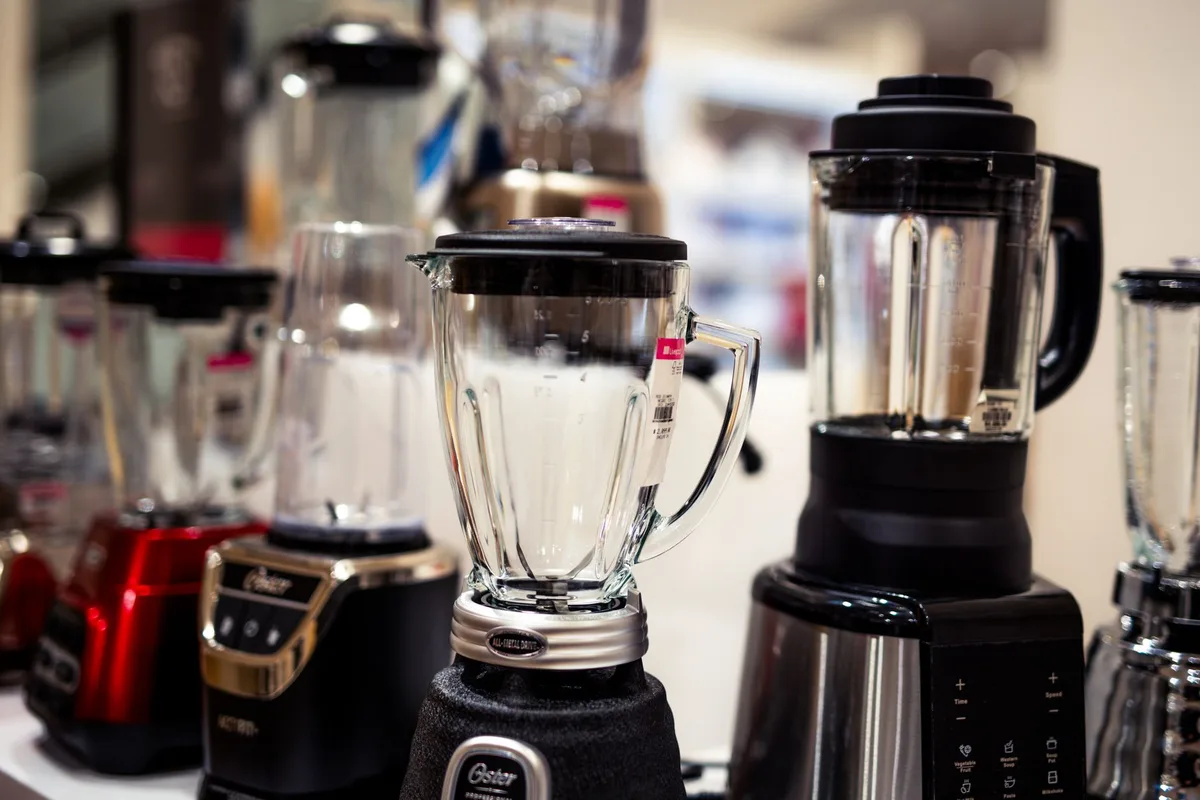
Image source: Pexels / Ludovic Delot (Pexels License)
When you're weighing how to store a blender, think about what you use it for most. Is it a daily driver for smoothies and protein shakes, or an occasional workhorse for holiday baking or making pesto? This usage pattern is your biggest clue.
If it’s a frequently used item, keeping it accessible is key to encouraging those healthy habits or quick meal preps. Conversely, if it’s pulled out only a few times a year, a more out-of-the-way storage solution might be perfect. We'll dive into the advantages and disadvantages of each so you can achieve your ideal kitchen flow.
There's no single right answer, but there's definitely a right answer for you.
Blender on the Counter: Convenience at Your Fingertips
For many folks, the primary draw for storing a blender on the counter is sheer convenience. When your blender is always visible and accessible, that impulse to whip up a quick smoothie after a workout or a batch of salsa for impromptu taco night becomes much easier to act on. You don't have to dig through cabinets, unpack an appliance, and then put it all away again.
That friction is eliminated.
Ease of Access and Frequent Use
If your blender is part of your daily or weekly routine, keeping it on the counter is a no-brainer. Think about the time saved. Instead of rummaging through cupboard doors, you can simply grab it, blend, and rinse.
This accessibility is a huge factor in whether an appliance actually gets used to its full potential. You might find yourself reaching for your blender more often when it's always ready to go, which is fantastic if you're trying to incorporate more healthy eating or homemade goodies into your life. It's like having a dedicated workstation for all things blended.
Aesthetic Considerations for Countertop Storage
Of course, leaving a blender out on the counter means it becomes a prominent feature of your kitchen decor. Modern blenders come in a sleek array of colors and finishes, from brushed stainless steel to bold reds and minimalist whites. These can act as a stylish accent piece, adding a pop of personality or a touch of professional flair to your kitchen design.
However, if your kitchen is already cluttered with other appliances, say, a stand mixer, a toaster, and an air fryer, adding a blender to the mix can contribute to a feeling of chaos. It’s a visual trade-off, and for some, that convenience simply outweighs the tidiness factor. Having a designated spot for it, perhaps alongside other frequently used gadgets, can help manage the visual impact.
Potential Downsides of Countertop Storage
The most significant drawback to countertop blender storage is that it takes up valuable counter space. In smaller kitchens, this can be a serious issue, leaving you with cramped prep areas. Another consideration is dust and grease accumulation.
Blenders sitting out can attract airborne particles, meaning you might need to give them a quick wipe-down more often than if they were stored away. You might have noticed that kitchen grease tends to settle on everything over time, and an appliance left exposed will definitely collect its share. Some people also find the visual clutter of a blender on display to be distracting, even if it’s a good-looking appliance.
Storing Your Blender in a Cabinet: Maximizing Space and Minimizing Clutter
On the flip side, tucking your blender away in a cabinet offers a clear advantage for those who prioritize a minimalist aesthetic or have limited counter space. It's the go-to solution for a tidy kitchen, where appliances are seen but not always necessarily displayed. This approach can make your kitchen feel larger and more organized.
Preserving Counter Space and Reducing Visual Clutter
The most compelling reason for cabinet blender storage is undeniably the reclaimed counter space. If your kitchen is on the smaller side, or if you simply prefer an uncluttered look, this method is ideal. It hides the appliance from view, contributing to a cleaner, more streamlined appearance.
This can make the entire kitchen feel more spacious and serene. Furthermore, keeping appliances behind cabinet doors can protect them from dust and grease, meaning a less frequent need for a thorough cleaning. You won't have to wipe down the motor base or jar every single day.
Protecting Your Blender from Dust and Grime
When your blender is stored in a cabinet, it’s shielded from the everyday dust, grease, and cooking splatters that inevitably accumulate on open surfaces. This can keep your blender looking newer for longer and reduce the frequency of cleaning the exterior. Imagine opening your cabinet to find your blender as clean as the day you bought it, that’s the benefit of enclosed storage.
This protection is especially valuable if you don't use your blender daily, as it prevents the buildup of particles that can be a hassle to remove later.
Accessibility Challenges and Cabinet Space
The trade-off for that pristine counter and protected appliance is, of course, accessibility. Retrieving your blender from a cabinet, especially if it's stored on a high shelf or in a deep cupboard, can be a bit of a chore. If you only use your blender occasionally, this might not bother you at all.
But if you’re a smoothie devotee or a frequent soup maker, the extra steps of opening doors, lifting the appliance, and then putting it back can become tiresome. You also need to ensure you have adequate cabinet space. A blender, especially a powerful model with a large jar, can be quite bulky.
Make sure you have a suitable spot that accommodates its dimensions without making the cabinet a jumbled mess. For those with less accessible cabinets, consider using a shelf riser or a lazy Susan for easier access.
Deciding on the Best Storage Method for You
Ultimately, the choice between countertop vs. cabinet blender storage boils down to your personal kitchen workflow and aesthetic preferences. There's no universal rule, and what works for one person might not work for another.
Evaluating Your Blending Habits
The first step in making this decision is to honestly assess how often you use your blender. If you’re whipping up smoothies every morning, making purees for baby food weekly, or crafting artisanal sauces on a regular basis, countertop storage offers unparalleled convenience. The ease of access means you’re more likely to use it regularly.
On the other hand, if your blender is more of an occasional appliance, brought out for holiday baking, making the occasional batch of soup, or for a very specific recipe maybe a few times a year, then cabinet storage makes more sense. You can sacrifice a little bit of immediate access for a tidier kitchen.
Kitchen Size and Layout
Your kitchen's physical characteristics play a huge role. In a sprawling gourmet kitchen, you likely have ample countertop space and plenty of cabinet room to spare, giving you the luxury of choice. You can afford to have your blender out on display if you like its look, or tuck it away neatly if you prefer a minimalist vibe.
However, in a compact apartment kitchen or a galley-style setup, every inch of counter space is precious. In these situations, cabinet storage often becomes a necessity rather than a preference. Consider how much usable prep space you have and what other appliances are vying for that prime real estate.
If you have an appliance garage or a dedicated appliance cabinet, they are perfect solutions.
Aesthetics and Kitchen Design
How do you want your kitchen to feel? For some, a well-chosen blender can be a statement piece, adding a splash of color or a professional touch to the countertop. It can even become a conversation starter.
For others, that same appliance would represent visual clutter, detracting from a clean, minimalist aesthetic. If you’re aiming for a sleek, modern look, hiding appliances might be the way to go. If you have an open-plan kitchen where the counters are always visible, you might want a more curated countertop arrangement.
Think about your overall kitchen style, is it farmhouse chic, Scandi modern, or something else entirely? The blender should complement, not clash.
Creative Storage Solutions and Tips
Beyond the simple counter or cabinet dichotomy, there are some clever ways to store your blender that might suit your needs even better.
Appliance Garages and Dedicated Cabinets
If you’re lucky enough to have an appliance garage built into your kitchen cabinetry, that’s an absolute dream spot for a blender. These are designed specifically to house appliances like toasters, coffee makers, and yes, blenders, keeping them off the counter but still readily accessible with a simple pull-down or sliding door. Similarly, dedicating a specific cabinet, perhaps one closer to your prep area, can make storing and retrieving your blender much more manageable.
You can even install a pull-out shelf within the cabinet to make accessing the blender as easy as sliding it forward. This offers the best of both worlds: tucked away storage with enhanced usability.
Under-Cabinet Storage Solutions
For some blenders, especially smaller personal models, under-cabinet storage can be a viable option. You won't be able to tuck away a full-sized, powerful blender this way, but compact blenders or smoothie makers can often fit on a shelf attached beneath upper cabinets. This keeps them completely out of the way of your primary countertop workspace while still being relatively easy to grab.
Just ensure the shelf is sturdy and that the blender fits comfortably without being too much of a squeeze. This is particularly useful in kitchens where wall space is limited, and every available inch counts.
Vertical Storage and Wall-Mounted Options
While not common for larger blenders, some specialized vertical storage solutions can be adapted. For example, a deep, narrow cabinet can house a blender standing upright, taking up less horizontal space. Some kitchen organizers also offer vertical cubbies or slots that might accommodate the blender jar and base, though this requires careful measurement.
Wall-mounted options are generally not suitable for the motor base due to weight and safety concerns, but you might find creative ways to store detachable parts, like blades or extra jars, on wall-mounted racks if space is extremely tight in your cabinets.
Maintaining Your Blender, Regardless of Storage
Whichever storage method you choose, proper maintenance ensures your blender lasts and performs at its best. This is crucial whether it’s sitting on your counter or hidden away in a cupboard.
Cleaning After Each Use
This is non-negotiable, whether you’re storing on the counter or in the cabinet. After each blending session, rinse the blender jar, lid, and blade assembly immediately. For most models, a bit of dish soap and warm water, along with a quick blend cycle, will do the trick.
For tougher residue, you might need something more. A quick wash prevents food particles from drying and becoming difficult to remove, which could eventually lead to odors or staining. A clean blender is always a happy blender.
Did you know that some food processors, like those great for making hummus, also benefit from immediate cleaning to prevent sticking? That principle applies across the board.
Deep Cleaning and Maintenance
Beyond daily rinsing, blenders require periodic deep cleaning. This might involve disassembling the blade assembly (if your model allows) for a thorough scrub, cleaning the motor base with a damp cloth (never immerse it in water!), and ensuring all parts are completely dry before reassembling or storing. For stubborn grime on the motor base or lid, you might need specific cleaning agents.
For instance, if you’ve ever had to tackle burnt residues, you know how tough they can be to remove. While not as harsh as how to clean burnt oven, it's still important to use the right approach. Always refer to your blender's user manual for specific cleaning instructions.
Storing Components Correctly
If you're storing your blender in a cabinet, make sure all components are dry before putting them away to prevent mold or mildew. If your blender has multiple parts like different blades or a tamper, consider storing them together in a single location to avoid losing them. Some people like to store the jar on the base for simplicity, while others prefer to store them separately to save space or protect the blade.
Whichever you choose, consistency is key.
Frequently Asked Questions About Blender Storage
Storing a blender is a common kitchen concern, and people often have specific questions about the best practices.
Q: Can I store my blender with the lid on?
A: Yes, absolutely. Storing your blender with the lid on helps keep the jar clean and free from dust and debris. For countertop storage, this is highly recommended.
For cabinet storage, it’s also a good practice. Just ensure the jar and lid are completely dry before sealing them.
Q: What if my blender is too big for my cabinets?
A: If your blender is too large for your existing cabinets, you have a few options. The most obvious is countertop storage. If that’s not ideal, consider if you can rearrange your kitchen to make space, perhaps by relocating less frequently used items.
Another alternative is to invest in a kitchen cart or a small standalone cabinet that can house the blender. Sometimes a tall, narrow pantry shelf is surprisingly effective.
Q: Is it bad to leave my blender plugged in on the counter?
A: It’s generally not recommended to leave most appliances plugged in continuously on the counter. While it might not be a severe safety hazard for blenders, it’s a good practice to unplug them when not in use. This saves a tiny bit of electricity and, more importantly, can prevent potential electrical issues or surges from affecting the appliance.
It also reduces the risk of accidental activation if a button is bumped.
Q: How do I store the blender accessories?
A: Blender accessories, such as tamper tools, extra blades, or personal blending cups, can be stored in various ways. If they fit inside the blender jar, that's a tidy option. Otherwise, keep them together in a small container or drawer organizer within a cabinet.
Some users find it helpful to use small zip-top bags to keep accessories organized and clean.
Q: Can I store my blender horizontally?
A: Most blenders are designed to be stored upright. Storing them horizontally, especially for extended periods, can sometimes lead to oil from the motor seeping into the blade assembly or jar over time, which isn't ideal. It's best to stick to upright storage to maintain the blender's integrity.
The Verdict: Your Kitchen, Your Choice
Ultimately, the decision on how to store a blender, whether on the counter or in the cabinet, is a personal one. It’s about finding that sweet spot where functionality meets your kitchen’s practical needs and your aesthetic desires.
If convenience is king for you, and you love having your tools ready at a moment’s notice, making space on your countertop might be the perfect solution. It encourages more frequent use and simplifies your daily routine. You might even find that an attractive blender can add a touch of personality to your kitchen design.
However, if you cherish a minimalist look, have a compact kitchen that demands maximizing every square inch, or simply prefer your appliances out of sight, then cabinet storage is likely your best bet. It keeps your counters clear, your kitchen feeling spacious, and your blender protected from dust. Just be prepared for the extra step of retrieval if you’re a frequent blender user.
Think about your routines, your space, and your style. Consider the pros and cons of countertop blender storage versus cabinet blender storage in the context of your kitchen. Perhaps you’ll find a hybrid approach works best, with a sleek personal blender on the counter for daily shakes and a larger, more powerful model tucked away in a cabinet for bigger tasks.
The goal is a kitchen that feels both efficient and welcoming, and where your blender is stored in a way that best serves your culinary adventures.
It’s important to consider how often you reach for appliances like blenders or even larger items such as food processors used for food processor for dough or [food processor for nuts](https://homesgys.com/best-food-processor-

Table of Contents