Blending hot liquids in a Bullet blender can be a fantastic shortcut for making silky smooth soups, sauces, and purees. You might have found yourself wanting to quickly whirl up a marinara sauce straight from the stove or a hearty lentil soup after a long day. But here’s the thing, hot liquids and blenders, especially those powerful personal blenders like the Bullet, need a healthy dose of respect and proper technique.
Ignoring these can lead to messy kitchens, and worse, potential burns. This guide is all about equipping you with the knowledge to safely blend hot liquids in a Bullet blender, ensuring your culinary creations turn out perfectly without any dramatic mishaps. We'll cover everything from preparation to the actual blending process and what to do afterward.
Understanding the Risks: Why Hot Liquids Are Tricky
So, why all the fuss about blending hot liquids? It boils down to thermodynamics and pressure. When you heat liquids, the molecules gain energy and expand, increasing their volume.
If you seal this expanded, energetic liquid into a closed container and then agitate it violently by blending, you create a significant amount of pressure. This pressure can quickly build up inside your Bullet blender’s cup.
When the blender is running, the blades are creating a vortex, and the heat is making the contents expand. This combination can force the lid off, sending scalding liquid spewing everywhere. It’s a recipe for a nasty burn and a significant cleanup job.
You've probably seen it happen with regular blenders if you’ve overfilled them with hot soup. The danger is amplified in a personal blender like a Bullet because the cups are smaller, and a sudden release of pressure can be even more intense. It's not about discouraging you from blending hot items; it's about doing it smartly and safely.
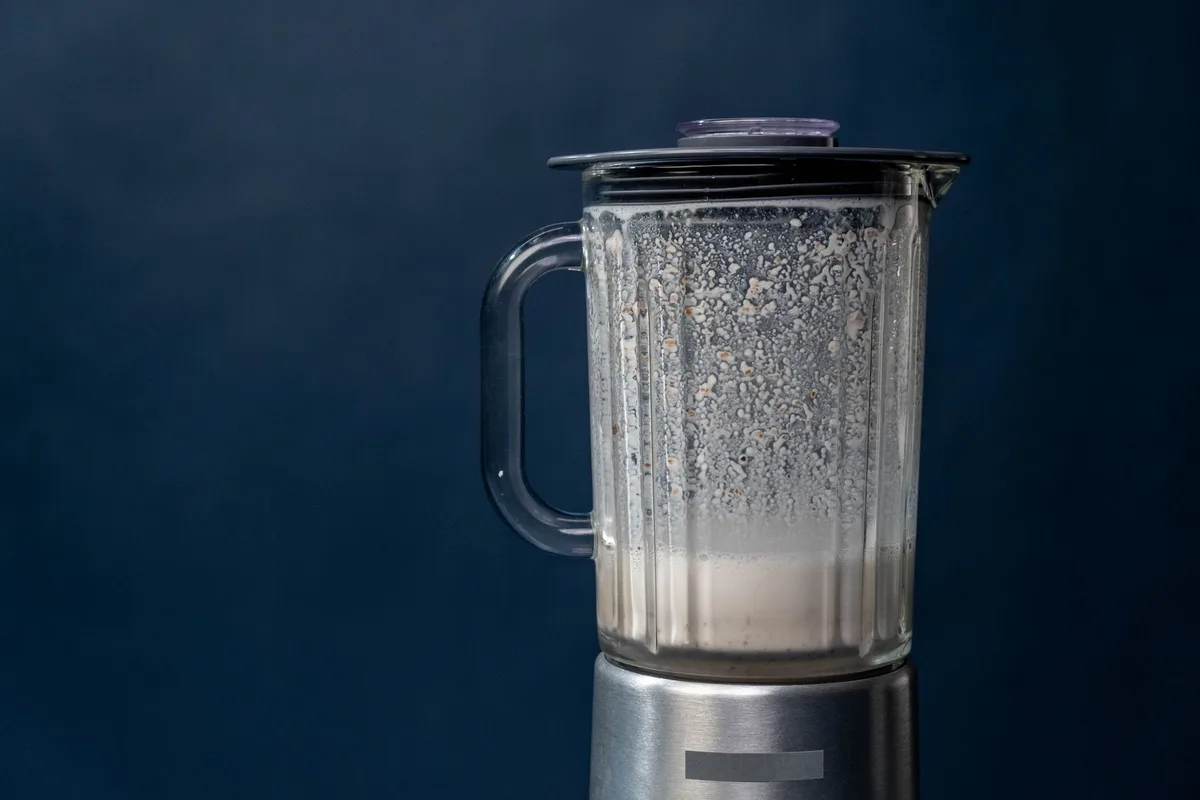
Step 1: Preparation is Paramount – Cool It Down
The single most critical step to safely blend hot liquids in a Bullet blender is to let them cool down sufficiently before you even think about putting them in the blender cup. I can’t stress this enough. Never, ever pour boiling or near-boiling liquids directly into your Bullet blender cup.
The goal is to reduce the temperature significantly. What's "sufficiently cool"? Ideally, you want the liquid to be warm to the touch, not piping hot.
Think about the temperature you’d comfortably drink a hot cup of tea or coffee. If you’re unsure, err on the side of caution and let it cool for longer. I’ve found that letting a hot soup or sauce sit off the heat for at least 15-20 minutes usually does the trick, especially if you're working with a smaller batch.
For larger quantities, it might take even longer. Patience here is your best friend.
Step 2: Don't Overfill – The Half-Full Rule
This is another golden rule for safe blending, especially with hot liquids. Your Bullet blender’s cup has a maximum fill line, but for hot liquids, you need to go well below that. A good rule of thumb is to fill the cup no more than halfway.
This gives the liquid plenty of room to expand as it heats up during blending and creates a buffer zone that helps to dissipate some of the pressure build-up.
Overfilling is a common mistake, and it's one of the quickest ways to create a dangerous situation. Imagine trying to carry a full glass of water while jogging, some is bound to spill. Now imagine that water is boiling, and you’re shaking the glass vigorously.
That’s essentially what can happen if you overfill your Bullet blender with hot liquid. Always respect that halfway mark.
Step 3: Venting is Key – The Trick to Pressure Release
This is where most of the "magic" happens for safely blending hot liquids. Since you can't just pop the lid on securely, you need a way for the steam and expanding air to escape. The standard BLADE assembly for a Bullet blender isn't designed for this.
Instead, for hot liquids, you’ll typically use the BLADE assembly but with a critical modification.
Crucially, you will NOT seal the blade assembly tightly onto the cup.
Here’s how to do it correctly:
- Assemble the blade: Screw the blade assembly onto the Bullet blender cup as you normally would.
- Invert and place: Now, here's the vital part. Do NOT flip the cup over to attach it to the motor base yet. Instead, carefully invert the cup so the blade assembly is at the top.
- Remove the gasket: If your blade assembly has a rubber gasket inside (some do, some don't), you might consider removing it for extra venting. However, for most standard Bullet models, the gasket is integral to sealing, so instead of removing it, you'll simply be not sealing the entire unit tightly.
- Place the lid loosely: This is the most important step. Place the cup in the motor base upside down, with the blade assembly facing upwards. You will then carefully place the lid (the one you'd normally drink from) on top of the blade assembly. Do not screw it down. Just let it rest there. Alternatively, and sometimes even safer, is to use the large cup lid that doesn't have the spout, and balance that loosely on top of the blade/cup assembly. The goal is for steam to escape freely around the edges.
This "loosely placed lid" or "lid balanced on top" method allows the steam and expanding gases to escape upwards harmlessly, preventing dangerous pressure from building inside the cup. You’re essentially creating a controlled vent. Think of it like the relief valve on a pressure cooker working in reverse, you're letting the pressure out before it becomes a problem.
Step 4: Blend in Short Bursts – Pulse Power
Once your cup is filled (halfway!), cooled down, and the lid is loosely balanced, it’s time to blend. But not like you would with cold ingredients. For hot liquids, you need to use short, controlled bursts, the pulsing method.
Never let the Bullet blender run continuously when blending hot liquids. Start by pressing the cup down briefly, then release. Wait a second or two, and then press it down again.
Repeat this pulsing motion. This allows any steam that forms to escape and prevents the liquid from overheating and building excessive pressure.
Each pulse should be just a few seconds long. You'll likely need to do this several times to achieve your desired consistency. Listen to the sound of the blender; if it sounds like it’s struggling or you see a lot of steam escaping vigorously, stop immediately and let it sit for a moment.
This controlled pulsing is key to safely blending hot liquids in a Bullet blender.
Step 5: Agitation and Emulsification – Getting Lumpy Soups Smooth
Sometimes, particularly with thicker ingredients that might have settled or clumped, you might need to gently agitate the mixture between pulses. You can achieve this by carefully removing the cup from the base (while keeping the lid loosely on top, of course) and giving it a gentle swirl or shake. Then, place it back on the base for another pulse.
This gentle agitation helps to move the thicker bits towards the blades and ensures a more even blend. It also aids in emulsification, which is particularly useful for sauces or creamy soups, creating that desirable smooth texture. Remember, this is a gentle swirl or shake, not a violent one.
We're just nudging things along.
Step 6: Check and Blend Again – The Iterative Process
After a few pulsing cycles, you can carefully remove the cup from the base. Keep your hand firmly on the loosely balanced lid to ensure it stays in place. You can then briefly check the consistency.
If it’s not smooth enough, put it back on the base and continue pulsing.
You’ll probably need to repeat this process several times. It might seem like it takes longer than blending cold ingredients, and that’s perfectly normal. The extra time is a small price to pay for safety and preventing a kitchen disaster.
The iterative process of pulsing, checking, and blending again is fundamental to safely blend hot liquids in a Bullet blender.
What to Blend and What to Avoid
Not all hot liquids are created equal when it comes to blending. Some are perfectly suited, while others require extra caution or might be best left to immersion blenders or larger, professional blenders.
Good candidates for blending in your Bullet blender (after proper cooling and venting):
- Soups: Creamy vegetable soups, tomato soup, pureed lentil or bean soups.
- Sauces: Marinara, alfredo, cheese sauces, pureed fruit sauces.
- Baby Food Purees: Once cooled, they blend beautifully.
- Smoothies with warm elements: If you’ve steeped ingredients or need a slightly warmed component.
Liquids to exercise extreme caution with or avoid:
- Boiling Liquids: As mentioned, never, ever blend anything at a rolling boil.
- Highly Carbonated Hot Drinks: Imagine the pressure build-up! Think hot sparkling cider, blend with extreme caution or avoid.
- Oils or Fats at Very High Temperatures: While a simple sauce might include a bit of oil, an entire batch of pure melted butter or oil at a high temp could be very volatile. Let it cool significantly.
- Anything Experiencing Rapid Expansion: Stay away from recipes that involve ingredients known to expand dramatically when heated.
Cleaning Your Bullet Blender After Blending Hot Liquids
Cleaning up after blending hot liquids is much like cleaning after a cold blend, but with an added layer of caution.
- Allow to Cool: Again, let the blender cup and blade assembly cool down completely before cleaning. Don't try to rinse a hot cup with cold water, as the sudden temperature change could potentially crack the plastic.
- Disassemble Carefully: Unscrew the blade assembly from the cup. Be mindful that residual liquid might still be present.
- Rinse Immediately: The easiest way to clean is to rinse the cup and blade assembly immediately after use. Hot water and a drop of dish soap usually do the trick.
- Stubborn Residue: If you have stubborn bits stuck to the blade or inside the cup, you can fill the cup about halfway with warm water, add a drop of dish soap, and then screw on the blade assembly. Place it on the motor base and pulse a few times. This often dislodges any remaining particles. You can also use a soft brush or sponge.
- Drying: Ensure all parts are thoroughly dried before reassembling or storing. Moisture can lead to rust on the blade assembly over time, even though the blades are usually stainless steel.
Proper cleaning ensures your Bullet blender remains in good working order and ready for its next use, whether it's hot or cold. If you find yourself dealing with significant burnt-on residue, you might need to consult specific cleaning guides, much like knowing how to clean burnt oven surfaces requires a particular approach.
Common Mistakes to Avoid When Blending Hot Liquids
I've seen people make mistakes, and I've learned from my own stumbles. Here are the most common pitfalls when you attempt to safely blend hot liquids in a Bullet blender:
- Ignoring the Cooling Step: This is the number one error. Pouring hot liquid straight into the blender is an accident waiting to happen.
- Overfilling the Cup: Even with cooling, overfilling invites disaster. Always stick to the half-full rule.
- Sealing the Lid Tightly: This is the direct cause of most explosions. The lid must be loose or balanced to allow venting.
- Blending Continuously: Short bursts, not long runs, are key. Give the steam a chance to escape.
- Using Damaged Components: Ensure your Bullet blender cup and blade assembly are in good condition. Cracks or worn seals can exacerbate problems.
- Underestimating the Heat: Even liquids that feel merely warm can generate significant steam and pressure when agitated.
- Not Venting: If you don't intentionally create a vent, the pressure will find its own (usually messy) exit.
When to Consider Alternatives: Immersion Blenders and Other Tools
While this guide focuses on the Bullet blender, it’s important to acknowledge when other tools might be a better fit for hot liquids.
Immersion Blenders (Stick Blenders): These are often the preferred tool for blending hot liquids, especially soups directly in their cooking pot. Because they are used in an open container, pressure doesn't build up. The risk here is splashing yourself with hot liquid, but that’s generally easier to manage than a blender explosion.
They’re brilliant for achieving a smooth texture when you don't want to transfer hot contents. You can find some excellent options, and understanding their capabilities is as important as knowing how to use your Bullet.
Larger, High-Powered Blenders: Some high-end blenders are designed with features to handle hot liquids better, often with specialized venting mechanisms built into the lids or offering much larger capacities that naturally dissipate heat and pressure. However, they still require caution and often recommend a similar cooling and venting process.
Food Processors: While generally not designed for liquefying hot liquids in the same way a blender is, a food processor can be used for reducing some hot ingredients into a puree. For instance, if you’re making a chunky tomato sauce and want to break down the tomatoes, a food processor might be an option, but it’s not ideal for silky smooth soups or emulsions. If you're interested in food processors for other tasks, exploring topics like the best food processor for cutting vegetables or the best food processor for hummus can give you a broader picture of their versatility.
For specific tasks, like grinding meat or processing dough, different appliances excel. Knowing the best food processor for grinding meat or the best food processor for dough means you're using the right tool for the job, and understanding tool limitations is crucial.
Safety First: A Summary of Best Practices
To reiterate, achieving the goal of safely blend hot liquids in a Bullet blender relies on a few non-negotiable principles:
- Cooling is Crucial: Always let hot liquids cool down significantly.
- Limited Fill Volume: Never fill more than halfway.
- Intentional Venting: Loosely place the lid or ensure steam can escape freely.
- Pulse Power: Blend in short, controlled bursts.
- Gentle Agitation: If needed, swirl or shake gently between pulses.
- Inspect Equipment: Ensure cups and blades are in good condition.
- Know When to Quit: If in doubt, stop and let it cool more or use an alternative appliance.
By adhering to these practices, you can confidently use your Bullet blender for a wider range of culinary tasks, enjoying the convenience it offers without compromising your safety or your kitchen's cleanliness. This careful approach ensures you get the smooth, delicious results you’re after every time.
Frequently Asked Questions About Blending Hot Liquids in Bullet Blenders
Q1: Can I blend boiling soup in my Bullet blender?
A1: Absolutely not. Boiling liquids create extreme pressure and steam. You must let the soup cool down considerably, to a warm, not hot, temperature, before attempting to blend it.
Q2: How much do I fill the Bullet blender cup when blending hot liquids?
A2: You should never fill the cup more than halfway. This provides ample space for the liquid to expand and helps manage heat and steam build-up.
Q3: What’s the biggest danger when blending hot liquids?
A3: The primary danger is pressure build-up. If the steam and expanding liquid have no escape route, the lid can blow off, spraying scalding contents and causing serious burns.
Q4: How do I prevent pressure from building up?
A4: The key is to vent. Do not seal the blade assembly tightly to the cup. Instead, place the lid loosely on top or balance it, allowing steam to escape freely.
Q5: Is it okay to blend hot sauces?
A5: Yes, but only after significant cooling and with proper venting and pulsing techniques as outlined in this guide.
Q6: My Bullet blender cup is cracked. Can I still blend hot liquids?
A6: No. Never use a cracked or damaged cup, especially with hot liquids. The risk of it breaking further under pressure or heat is too high.
Always inspect your equipment.
Q7: How long does it take for hot liquids to cool enough to blend?
A7: This varies greatly depending on the volume and initial temperature. Typically, allowing liquids to sit for 15-30 minutes off the heat is a good starting point. If it's still too hot to comfortably hold the cup, it's too hot to blend.
Q8: What if my hot liquid is very thick, like a reduction?
A8: Thicker liquids can sometimes pose a greater challenge. Ensure they are cooled thoroughly, don't overfill, and use very short pulses, perhaps with gentle agitation between. If it’s extremely thick and still very hot, an immersion blender might be a safer option.
By understanding these principles and adhering to the safety measures, you can confidently safely blend hot liquids in a Bullet blender. It’s all about respecting the physics of heat and pressure, and applying a few simple, yet critical, techniques.

Table of Contents