Ah, the mango. That tropical, sun-kissed fruit that’s pure sunshine in edible form. But let’s be honest, getting to that sweet, juicy flesh can feel like cracking a code sometimes.
Forget struggling with a knife or making a mess. There’s a simpler, cleaner way, and it involves a tool you probably already have in your kitchen drawer: a peeler.
That’s right. A peeler isn’t just for potatoes and carrots. It’s your secret weapon for tackling mangoes, turning a potentially sticky situation into a breeze.
We’ll walk you through exactly how to peel a mango with a peeler, ensuring you get maximum fruit with minimum fuss. So, grab your favourite ripe mango and let’s dive in.
Why Use a Peeler for Mangoes?
Before we get into the nitty-gritty, let’s talk about why a peeler is the go-to tool for mango peeling.
Knives can be tricky. Mangoes are naturally slippery. Their skins can be tough, and the flesh is soft.
Trying to shave off the skin with a knife often leads to uneven results. You might cut too deep, losing precious fruit, or you might leave patches of skin on, which aren’t pleasant to eat. Plus, knives just feel… aggressive for such a delicate fruit.
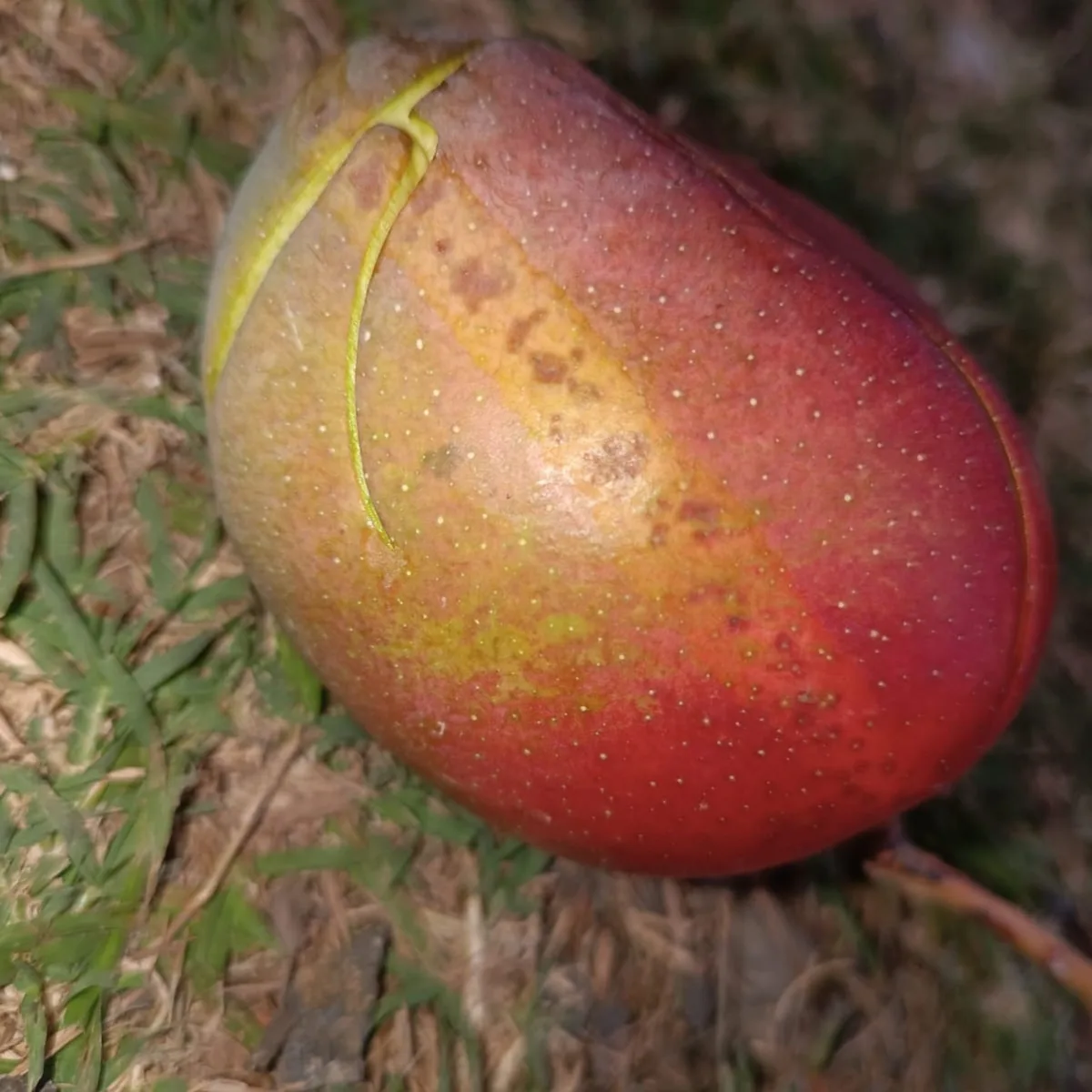
Image source: Openverse / jalvarado2715
A peeler, on the other hand, is designed to glide. It removes just the outermost layer without taking much of the flesh with it. This means less waste and a cleaner outcome.
It’s precise, predictable, and frankly, much safer than trying to master a knife-wielding technique on a round, wobbly fruit. You get a neat, peeled mango ready for slicing, dicing, or just devouring straight from the skin.
What You’ll Need
The beauty of this method is its simplicity. You don’t need a whole arsenal of gadgets.
- A Ripe Mango: This is non-negotiable. A ripe mango will yield to gentle pressure and have a sweet aroma. Overripe mangoes can be mushy, making peeling harder. Underripe ones will be tough and not as sweet.
- A Good Peeler: The star of the show! A Y-peeler or a swivel peeler works best. Look for one with a sharp blade that moves with the contours of the fruit. A dull peeler will frustrate you to no end.
- A Cutting Board: For stability and to catch any stray drips.
- A Bowl: To hold your perfectly peeled mango.
That’s it. Simple, right?
Step-by-Step: Peeling Your Mango Like a Pro
Ready to unlock that sweet mango goodness? Follow these steps closely.
Step 1: Wash Your Mango
Just like any fruit you’re about to eat, give your mango a good wash under cool running water. Gently scrub the skin to remove any dirt or potential pesticides. Pat it dry with a clean towel.
Step 2: Identify the Pit
Mangoes have a large, flat seed, or pit, in the center. To peel effectively, you need to know roughly where it is. The pit runs lengthwise down the mango.
Most mangoes have two fleshy “cheeks” on either side of the pit.
Step 3: The First Slice (Optional, but helpful)
Some people find it easier to start by slicing off one of the “cheeks.” If you do this, hold the mango firmly and use a sharp knife to slice about a quarter-inch from the center, aiming to go around the pit. You’ll be left with two large halves and the central part with the pit.
- Why is this helpful? It gives you a flat surface to work with, making the peeling process more stable. It also immediately removes a good portion of the fruit.
Step 4: Peel the Cheeks
Now, let’s talk about the peeler. Hold one of the large cheeks (or the whole mango if you skipped Step 3) firmly in your non-dominant hand.
Start at the stem end of the mango. Place the peeler’s blade against the skin. Apply gentle pressure and, in long, smooth strokes, peel downwards, following the curve of the fruit.
Imagine you’re working your way around the shape of the cheek.
- Key Tip: Don’t try to get every last speck of skin in one pass. It’s better to make several light passes than to dig too deep and remove flesh. The goal is to remove the thin outer skin.
Rotate the mango as you go, peeling away strips of skin. Continue this until you’ve removed all the skin from the cheeks.
Step 5: Address the Middle Section (with the pit)
This part can be a little trickier, especially if you didn’t slice off the cheeks first.
If you have the middle section with the pit still attached, you can try peeling it directly. Hold it firmly. Use your peeler to carefully remove the skin from around the pit.
This might involve shorter strokes and more careful maneuvering.
- Alternative for the Pit Area: Some people find it easier to simply cut away the flesh surrounding the pit once the cheeks are peeled and use a spoon to scoop out the remaining fruit. Or, after peeling the main body, you can carefully slice away the flesh from the sides of the pit.
Step 6: Clean Up Any Stray Bits
Once the main peeling is done, take a moment to inspect your mango. If there are any stubborn patches of skin or if you feel you missed a spot, go back with your peeler for a quick touch-up.
Step 7: Enjoy!
You’ve done it! You have a perfectly peeled mango, ready to be sliced, diced, or savored.
Common Mango Peeling Problems and How to Fix Them
Even with the best techniques, sometimes things don’t go perfectly. Here are a few common hiccups and how to overcome them.
Problem: The Mango is Too Hard to Peel
Why it happens: Your mango isn’t ripe enough. A firm mango will fight your peeler, making the skin difficult to remove and likely leading to you digging into the flesh.
The fix: Patience! Let the mango sit on your counter at room temperature for a day or two. You can test ripeness by gently squeezing it, it should yield slightly to pressure.
You can also check for a sweet, fragrant aroma near the stem.
Problem: The Mango is Too Soft and Mushy
Why it happens: Your mango is overripe. The flesh is too tender, and the skin might be separating from the fruit in an unmanageable way.
The fix: Act fast! If it’s just slightly too soft, work quickly with your peeler. Gentle, short strokes are key.
If it’s very mushy, you might consider scooping out the flesh with a spoon and using it for smoothies or purées rather than trying to peel and slice it neatly.
Problem: Losing Too Much Flesh
Why it happens: You’re applying too much pressure with the peeler, or your peeler blade is too aggressive or dull.
The fix: Back off the pressure. Let the sharp blade do the work. If your peeler isn’t sharp enough, you’ll find yourself pressing harder, which inevitably leads to flesh loss.
Consider investing in a high-quality peeler. For example, a good Y-peeler with a sharp, rotating blade can make a world of difference, similar to how a well-maintained blade on a quality cutting board for fish ensures clean slicing.
Problem: Slipping and Sliding
Why it happens: Mangoes are naturally juicy and slippery, especially ripe ones.
The fix: A good grip is essential. Ensure your hands are dry. Place the mango on a stable surface, like a cutting board, and hold it with firm, but not crushing, pressure.
If you’re struggling for grip, a paper towel can sometimes help you hold onto the fruit more securely without making it slippery.
Beyond Peeling: Mango Prep and Storage
Once your mango is peeled, what’s next? You’ve got options!
Slicing and Dicing
After peeling, you can slice the cheeks away from the pit entirely. Then, you can either:
- Dice: Score the flesh of each cheek in a grid pattern, cutting down to (but not through) the skin. Then, push the skin inwards to invert the cheek, making the cubes pop out, ready to be sliced off.
- Slice: Simply slice the flesh into strips.
Storage
- Peeled Mango: Store in an airtight container in the refrigerator for up to 2-3 days. It’s best eaten fresh.
- Whole Mango: Unripe mangoes can ripen at room temperature. Once ripe, you can refrigerate them for a few days to slow down the ripening process.
The Versatility of Mango
A perfectly peeled mango is the gateway to endless culinary delights. Think about it:
- Smoothies: Ripe mango, blended with yogurt, a splash of milk or juice, and maybe some other fruits. It’s a classic for a reason. Perfect for using up those slightly overripe ones that are a bit too soft to peel neatly. You might even consider a blender for vegetable smoothies to handle tougher greens alongside your mango.
- Salsas: Diced mango adds a sweet, tropical kick to pico de gallo or a more complex corn and black bean salsa. It pairs wonderfully with chili or grilled fish.
- Desserts: From mango sticky rice to fruit salads, custards, and sorbets, mango is a star. You could even use it as a topping for a decadent dessert made with a high-quality non-stick pan for gas stove.
- Salads: A few mango slices or cubes can elevate a simple green salad into something special. It adds a touch of sweetness and acidity.
- Curries: In some cuisines, mango is added to savory curries for a hint of sweetness and thickness.
The beauty of mastering the peeler method is that it makes incorporating mango into these dishes so much easier and cleaner.
Choosing the Right Peeler for Your Mangoes
We’ve sung the praises of the peeler, but not all peelers are created equal. For mangoes, consider these types:
- Y-Peeler: This is often the preferred choice. The blade is oriented parallel to the handle, like a “Y.” It offers a good firm grip and allows for efficient, long strokes. Many home cooks find the control excellent.
- Swivel Peeler: The blade on this type pivots. This can be useful for following the curves of irregular shapes. Look for one with a sharp, flexible blade.
- Standard Peeler: The classic straight peeler might work, but it can be more awkward to use on a rounded fruit like a mango. It often requires more wrist action and can be harder to get consistent results.
Regardless of the type, ensure the blade is sharp. A sharp blade is the key to a smooth peeling experience. If your peelers are dull, it might be time to consider some whetstones for kitchen knives or a dedicated sharpener.
A dull peeler is a frustrating peeler.
Final Thoughts on Peeling Mangoes
Peeling a mango with a peeler is a skill that’s surprisingly easy to master, and once you do, you’ll wonder why you ever struggled with a knife. It’s all about having the right tool, a ripe mango, and a gentle, consistent technique. This method minimizes mess, maximizes fruit yield, and turns a potentially daunting task into a satisfying culinary moment.
So next time you pick up that fragrant, vibrant mango, don’t hesitate to reach for your peeler. You’ll be enjoying its sweet, tropical goodness in no time, from simple snacks to elaborate dishes. It just goes to show that sometimes, the simplest tools are the most effective.

Table of Contents