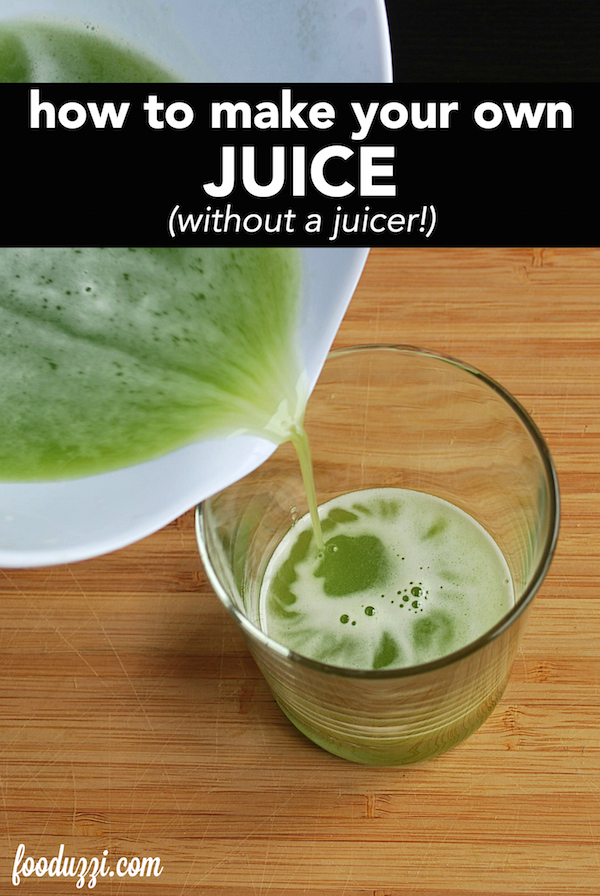
Mash, blend, or squeeze by hand, then strain through a fine cloth.
If you’ve ever wondered how to juice fruit without a juicer, you’re in the right place. I’ve tested simple kitchen methods that pull bright, clean juice from almost any fruit with tools you already own. This guide shows you how to juice fruit without a juicer step by step, with pro tips, fixes, and real-life tricks that boost yield, flavor, and clarity. Read on and you’ll pour fresh juice today.

Source: bitesinthewild.com
What you need to juice fruit without a juicer
You can learn how to juice fruit without a juicer using basic tools. Most homes already have what’s needed to crush, press, and strain fruit into smooth, drinkable juice.
- Fine-mesh sieve. Catches seeds and most pulp. Line it for extra clarity.
- Cheesecloth, nut-milk bag, or a clean thin dish towel. Best for smooth, clear juice.
- Blender or food processor. Not a juicer, but it breaks cells for easy straining.
- Potato masher, muddler, or rolling pin. Great for soft fruits and berries.
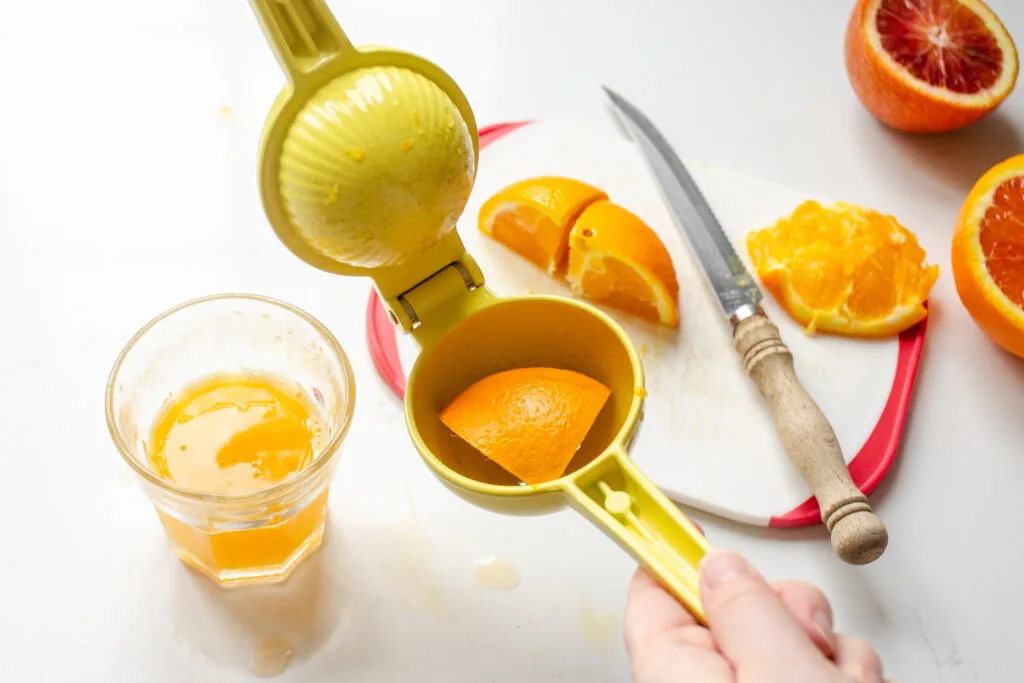
- Citrus reamer, fork, or your hands. Squeeze citrus fast.
- Large bowl, measuring cup with spout, and ladle. For clean pouring.
- Optional: potato ricer, box grater, microplane, colander, funnel, ice cube trays.
Pro tip from my kitchen: if you lack cheesecloth, use a clean T‑shirt or a coffee filter. It’s slower, but the juice comes out very clear.

Source: cleanfooddirtygirl.com
Step-by-step methods: how to juice fruit without a juicer
If your goal is how to juice fruit without a juicer, pick a method based on the fruit and the texture you want. These are the most reliable paths from whole fruit to fresh juice.
1) Blender-and-strain method (fast and high-yield)
Best for: apples, pears, pineapple, mango, melons, grapes, berries.
- Prep fruit. Wash, peel if needed, core, and cut small. Chill for less foam.
- Blend with 1–4 tablespoons water per cup of fruit. Pulse until smooth, not airy.
- Strain through a sieve lined with cheesecloth or a nut-milk bag. Squeeze hard.
- Rest 2–3 minutes to let foam settle. Skim, then pour.
Why it works: blades rupture plant cells. Straining removes pulp. This is the easiest way to master how to juice fruit without a juicer for large batches.
2) Mash-and-strain method (no blender needed)
Best for: strawberries, raspberries, blackberries, peaches, kiwis, grapes.
- Chop fruit small. Add a tiny pinch of sugar and salt to draw out juice.
- Mash with a potato masher or muddler for 1–2 minutes.
- Strain through a lined sieve. Press with a spoon or squeeze the cloth.
Try this when you want a softer texture and a quiet kitchen. It’s my go-to when I’m traveling or in a dorm.
3) Citrus squeeze method (quickest)
Best for: lemons, limes, oranges, grapefruit.
- Roll the fruit on the counter with your palm to loosen the pulp.
- Microwave 10–15 seconds for more yield, then cut across the equator.
- Use a reamer or a fork to twist and press over a sieve. Squeeze the peel.
This is the purest answer to how to juice fruit without a juicer for citrus. It’s fast and mess-free.
4) Grate-and-press method (for firm fruit and aromatics)
Best for: apples, pears, ginger, turmeric.
- Grate on the fine side of a box grater into a bowl.
- Wrap the grated pulp in cheesecloth and squeeze over a bowl.
- For ginger or turmeric, let the juice rest, then pour off, leaving starch behind.
Grating exposes more surface area and unlocks juice from firm cells.
5) Potato ricer method (my pomegranate hack)
Best for: pomegranates, grapes, cooked stone fruits.
- Seed the pomegranate. Load arils into a potato ricer.
- Press over a sieve to catch bits. Repeat with the rest.
- For grapes, remove stems and press in batches.
This method gives bright juice without bitter peel flavor. It changed how I juice pomegranate at home.
6) Warm-infuse and press method (delicate berries or stone fruit)
Best for: raspberries, blackberries, cherries, peaches.
- Heat fruit gently in a saucepan with 1–2 tablespoons water per cup of fruit.
- Warm until the fruit weeps, not boils. Cool.
- Strain through cloth, then press. Great for jelly-clear juice.
Use low heat to burst cells without cooking the flavor. When readers ask how to juice fruit without a juicer for jams and syrups, this is the route I suggest.

Source: bitesinthewild.com
Fruit-by-fruit guide: how to juice fruit without a juicer
Dial in your method by fruit. This is how to juice fruit without a juicer for the most common picks.
Citrus (lemons, limes, oranges, grapefruit)
- Best method: roll, microwave 10 seconds, ream, strain.
- Tip: zest first for extra flavor in syrups and salts.
Berries (strawberries, raspberries, blueberries, blackberries)
- Best method: macerate with 1 teaspoon sugar and a pinch of salt per cup, mash, strain.
- For clear juice: warm 3–5 minutes first, then press through cloth.
Grapes
- Best method: mash-and-strain or potato ricer.
- Tip: freeze grapes 1 hour, thaw, then press. Freezing breaks cells for more yield.
Pomegranate
- Best method: potato ricer or mash-and-strain through two layers of cloth.
- Tip: avoid blending the white pith; it turns juice bitter.
Apples and pears
- Best method: grate-and-press or blender-and-strain.
- Tip: add a few drops of lemon to slow browning and brighten flavor.
Stone fruits (peaches, nectarines, cherries, plums)
- Best method: pit, chop, mash-and-strain. Warm gently for clearer juice.
- Tip: very ripe fruit gives sweeter juice and better yield.
Melons (watermelon, cantaloupe, honeydew)
- Best method: blender-and-strain, or mash very ripe cubes and strain.
- Tip: add a pinch of salt and lime to wake up flavor.
Pineapple and mango
- Best method: blender-and-strain. Remove tough core if you want smoother juice.
- Tip: let sit 1 minute and skim foam.
Ginger and turmeric
- Best method: microplane, then squeeze through cloth. Or blend with a splash of water and strain.
- Tip: wear gloves with turmeric. It stains.
Source: fooduzzi.com
Boost yield, flavor, and clarity when you juice fruit without a juicer
Small tweaks make a big difference when you learn how to juice fruit without a juicer. These pro habits add up to cleaner, tastier juice.
- Macerate with sugar and a pinch of salt. Use 1–2 teaspoons sugar per cup of fruit. It draws liquid by osmosis and boosts aroma.
- Add acid for balance. A few drops of lemon or lime sharpen flat, sweet fruits.
- Use gentle heat for clarity. Warm fruit just until it weeps. Hot juice thins and strains faster.
- Freeze-thaw trick. Freeze fruit 1–2 hours, thaw, then press. Ice crystals rupture cells and improve yield.
- Squeeze smarter. Twist the cloth into a tight rope and use both hands. Rest 30 seconds and squeeze again.
- Reduce foam. Blend on low, pulse, and let juice settle 2 minutes. Skim the top with a spoon.
- Clarify extra. Strain twice: first through a sieve, then through cloth or a coffee filter.
Common mistake I made early on: adding too much water to the blender. It dilutes flavor and slows straining. Start with 1 tablespoon per cup and only add more if needed.
Source: zulaykitchen.com
Safety, storage, and nutrition for homemade juice without a juicer
Food safety matters when you practice how to juice fruit without a juicer. Fresh juice is unpasteurized and should be handled with care.
- Wash fruit under running water and dry with a clean towel. Remove bruised or moldy parts.
- Keep tools clean. Use hot, soapy water and rinse well. Line sieves with fresh cloth.
- Chill fast. Refrigerate juice within 2 hours. Store in clean, sealed bottles.
- Shelf life. Fresh juice keeps 2–3 days in the fridge. If it smells off or fizzes, discard.
- Optional heat step. If you want longer storage, heat juice to about 160°F briefly, cool fast, then refrigerate. Heating can change flavor and color.
- Oxidation control. Add lemon or lime, fill bottles to the brim, and keep cold.
- Nutrition note. Juice removes most fiber but keeps vitamins and plant compounds. Pair juice with a fiber-rich snack for balance.
For kids, older adults, or anyone pregnant, serve juice fresh and cold the same day. That’s the safest plan for at-home batches.

Source: youtube.com
Serving ideas and zero-waste tips
You know how to juice fruit without a juicer. Now make it shine and waste less.
- Fast spritzers. Mix 1 part fresh juice with 2 parts sparkling water and ice.
- Morning lift. Stir apple-ginger juice with lemon and a pinch of salt.
- Smooth cocktails and mocktails. Fresh citrus transforms margaritas, palomas, and sours.
- Pops and cubes. Freeze juice in molds or ice trays for quick chillers and slushies.
- Dressings and glazes. Reduce orange or pineapple juice with a little honey for a shiny finish.
- Use the pulp. Stir into muffins, pancakes, oatmeal, chia pudding, or smoothies.
- Save the zest. Lemon and orange zest scent sugar, salt, and syrups.
My favorite weeknight move: watermelon-lime spritz with a mint leaf. It tastes like vacation in a glass.
Source: butteredsideupblog.com
Frequently Asked Questions of how to juice fruit without a juicer
Can I use a blender to juice without a juicer?
Yes. Blend the fruit with a little water, then strain through a fine cloth or sieve. This is the fastest way to get clear juice at home.
What if I don’t have cheesecloth for straining?
Use a clean, thin dish towel, a nut-milk bag, or a coffee filter. A coffee filter is slow but gives very clear juice.
How do I juice pomegranate without a juicer?
Place the arils in a potato ricer and press over a sieve. You can also mash the arils and strain through two layers of cloth to remove bits.
How long does homemade juice last in the fridge?
Most fresh juices last 2–3 days when sealed and kept cold. For best flavor and safety, drink within 24 hours.
How do I prevent apple or pear juice from browning?
Add a few drops of lemon or lime and keep the juice cold. Fill bottles to the top to reduce air contact.
Is juicing without a juicer as healthy as store-bought juice?
It can be fresher and often has no added sugar. It lacks fiber like any juice, so pair it with whole foods for balance.
Can I juice frozen fruit?
Yes. Thaw first or blend while semi-frozen and then strain. The freeze-thaw effect often boosts yield.
What fruits can I not juice easily without a juicer?
Very starchy or unripe fruits are tough to press. Let them ripen or cook gently before straining.
Conclusion
Now you know how to juice fruit without a juicer using tools you already have, from a simple sieve to a potato ricer. Pick a method, match it to your fruit, and use small tweaks like maceration, a squeeze of lemon, and a firm press for bright, clean juice.
Try one method today with what’s in your kitchen, then share your results and tips. Want more guides like this? Subscribe, bookmark this page, or leave a comment with your favorite fruit to juice next.

Table of Contents