A juicer crushes or spins produce to separate liquid from pulp using force.
If you have ever wondered how does a juicer work, you are in the right place. I have tested many models at home and in test kitchens. In this guide, I break down how does a juicer work in simple steps, backed by clear facts and real tips you can use today.
:max_bytes(150000):strip_icc()/JuicerinAction-b422480f4ab74024b9165b2a2d8db42a.jpg)
Source: seriouseats.com
What is a juicer and its key parts
Understanding how does a juicer work starts with the parts. Every juicer has the same basic system. It moves produce through a powered action and sends juice one way and pulp another way. The exact parts can change by type, but the core idea stays the same.
Key components you will see:
- Feed chute. Where you drop fruits and veggies.
- Pusher. Helps guide produce toward the blade or auger.
- Cutting tool. A fast-spinning blade or a slow-turning auger.
- Filter screen. A fine mesh that lets juice pass and holds pulp back.
- Juice spout. The path for the fresh juice to flow into your glass.
- Pulp outlet or bin. Where fiber and skins land after extraction.
- Motor base. Provides power and controls speed.
- Safety lock. Stops the motor if the lid is not secure.
- Drip stop. Helps prevent mess after you pour.
Once you grasp these parts, how does a juicer work becomes very clear. The tool cuts, presses, and strains in one smooth chain.

How does each type of juicer work
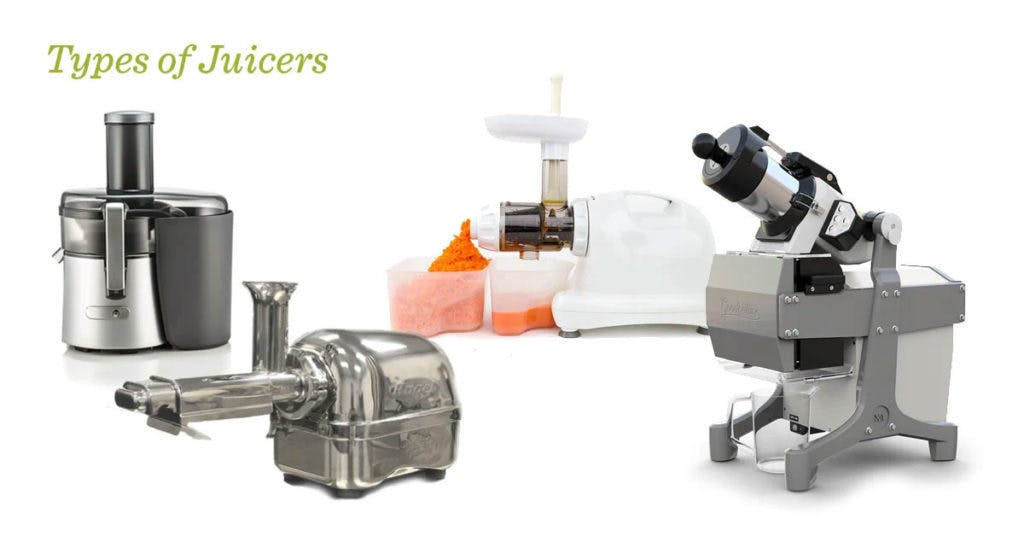
There are several juicer styles. Each one solves how does a juicer work in a unique way. Your choice changes speed, yield, texture, and cleanup time.
Centrifugal juicers
These use a fast disc blade and a spinning basket. The blade shreds produce at high RPM. Centrifugal force throws juice through the mesh and pushes pulp outward. They are quick and great for hard fruits and veggies. They can add more foam and are louder.
Masticating (cold press) juicers
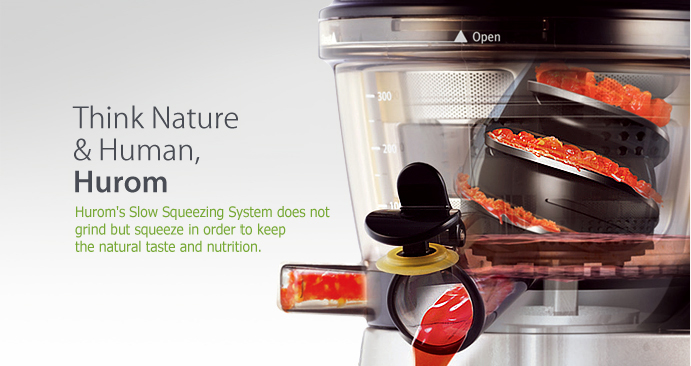
A slow auger crushes and squeezes produce against a screen. The motion is steady and gentle. This can reduce foam and heat build-up. It often gives more juice from greens and soft fruit. It works slower but can be quieter and more efficient.
Triturating (twin‑gear) juicers
Two interlocking gears grind and press at low speed. They are strong with leafy greens and herbs. They often give very dry pulp and high yield. They take more time to set up and clean.
Citrus juicers
These are simple. A cone reamer spins while you press a citrus half on it. Juice runs down a filter and into your cup. They are ideal for oranges, lemons, and limes.
Manual press juicers
You power the press by hand. They use leverage to crush produce. They are quiet and sturdy, and great for wheatgrass or citrus.
With each type, how does a juicer work comes down to cut, press, and strain. The differences are in speed, pressure, and mesh design.

Step-by-step: from produce to glass
Let’s walk through how does a juicer work during a single run. This flow fits most electric models.
- Prep. Rinse, trim ends, and cut large pieces so they fit the chute.
- Feed. Drop produce in and use the pusher to guide it down.
- Break down. The blade shreds fast, or the auger crushes slow.
- Separate. Juice passes through the mesh. Pulp moves to the bin.
- Flow. Juice travels down the spout. Foam may rise on top.
- Finish. Close the drip stop, power off, and pour.
Why this works: motion plus pressure. Centrifugal models rely on speed and force. Masticating models rely on torque and squeezing. In both cases, how does a juicer work is all about getting liquid out without grinding the fiber too fine.

Nutrients, oxidation, and heat
A big question with how does a juicer work is nutrient loss. Heat and air can affect vitamins and enzymes. Here is the simple view based on kitchen tests and lab data from industry reports.
- Speed and air contact. Faster spinning can pull in more air, which can increase foam and oxidation.
- Temperature. Most home juicers do not raise juice above warm tap water levels during normal use. The term cold press refers to low-speed pressing, not ice-cold juice.
- Time. Fresh juice tastes best fast. Drink within 15–30 minutes for peak flavor. Chill in a sealed bottle if you need to store it for up to 24–48 hours.
So how does a juicer work for nutrients? It depends on the type and how you use it. Use fresh produce, keep the run time short, and store cold in airtight bottles to reduce oxidation.

Yield, pulp, and texture
How does a juicer work to change yield and texture? The screen, pressure, and speed decide that.
What boosts yield:
- Tighter mesh screens and stronger pressing.
- Slower feed rate to let the machine work.
- Alternating soft and hard produce to push more juice through.
What changes texture:
- Fine screens make clearer juice with less pulp.
- Coarse screens add body and mouthfeel.
- A foam separator can cut froth in your glass.
Pro tip I learned after many tests: if pulp comes out wet, run it through again. With slow juicers, that can give 5–15% more juice.
Choosing the right juicer for you
Before you buy, ask how does a juicer work for your routine, not just in theory. Match the machine to what you juice most.
Best fits by need:
- Speed and convenience. Centrifugal is fast, great for carrots, apples, and beets.
- Greens and herbs. Masticating or twin-gear shine with kale, wheatgrass, and celery.
- Smooth, low-foam juice. Slow models with fine screens do well.
- Oranges and grapefruit only. A citrus juicer is cheap, easy, and tidy.
- Small kitchens. Vertical slow juicers save counter space.
Budget tip: spend on a solid motor and easy-to-clean parts. Over years, that saves time and reduces waste. That is how a juicer works best for busy homes.
Pro tips from hands-on testing
These lessons come from years of daily juicing and side-by-side tests. They make how does a juicer work better for real life.
- Cut produce into uniform pieces. The feed is smoother and safer.
- Stack leafy greens inside a piece of cucumber or celery. This “green burrito” trick boosts yield.
- Alternate soft and hard items. Grapes after carrots clears the screen.
- Do a quick rinse mid-session. Close the cap, add water, run 10 seconds, and release.
- Use a gentle press with the pusher. Forcing feed can clog the screen or strain the motor.
- Chill produce before juicing. Cooler fruit makes crisper flavor and less foam.
Small changes add up. This is how a juicer works best day after day.

Cleaning and care the right way
Juicer care is simple once you know how does a juicer work inside.
Fast cleaning routine:
- Unplug, unlock, and take parts apart at once. Dried pulp is harder to remove.
- Rinse the screen from the outside in. Use the brush to clear fine mesh.
- Soak the screen in warm, soapy water if it looks stained.
- Wipe the base with a damp cloth only. Keep water away from the motor.
- Let parts air-dry. Reassemble when fully dry to prevent smells.
Monthly care:
- Check for cracks in screens and seals. Replace worn parts early.
- Rub the screen with a bit of baking soda paste to lift scale.
A clean machine runs smoother. That is how a juicer works at peak efficiency.
Safety, noise, and troubleshooting
How does a juicer work safely? Use the tools it gives you and respect the spin or press.
Stay safe:
- Use the pusher, not your fingers or utensils.
- Lock the lid before you start.
- Do not run dry for long periods.
Reduce noise:
- Place a silicone mat under the base.
- Cut produce smaller to lower vibration.
- Juice during the day if your home has thin walls.
Fix common issues:
- Clogs. Stop, unlock, clear the screen, and alternate hard with soft produce.
- Wet pulp. Slow the feed or switch to a finer screen. Run pulp again.
- Excess foam. Use a slow speed, chill produce, and skim before pouring.
With these steps, how does a juicer work more quietly, cleanly, and with less stress.
Quick answers you might be searching for
Here are brief, PAA-style answers that often pop up when people ask how does a juicer work.
- Does speed ruin nutrients? Not by itself. Air and time matter more than slight heat from normal use.
- Is cold press always better? It can give higher yield and less foam, but it is slower and costs more.
- Can I juice soft berries? Yes, but combine with hard produce to push more juice through the screen.
Frequently Asked Questions of how does a juicer work
How does a juicer work for leafy greens?
Slow juicers use an auger to squeeze greens against a fine screen. This lowers foam and boosts yield compared to fast-spinning models.
How does a juicer work with hard vegetables like carrots?
Centrifugal blades shred carrots fast, and force sends juice through the mesh. Slow juicers press carrots and can extract more per pound but take longer.
How does a juicer work with soft fruits such as mango or banana?
These are low in free juice and can clog screens. Blend them instead, or mix with high-water produce like oranges or cucumbers.
How does a juicer work to separate juice and fiber?
The cutting tool breaks cells. The screen acts like a gate. Liquid passes through tiny holes while larger fiber stays out.
How does a juicer work compared to a blender?
A juicer separates juice from pulp. A blender keeps all fiber in the drink, making a thicker smoothie.
How does a juicer work to reduce foam?
Slow speeds, fine screens, and chilled produce help. Some machines include foam separators to keep froth out of the pour.
How does a juicer work for wheatgrass?
Manual or slow, single-gear juicers press wheatgrass well. Twin-gear units also excel and produce very dry pulp.
How does a juicer work when it comes to noise?
Fast juicers are louder due to high RPM and vibration. Slow juicers turn at low speed and are often much quieter.
Conclusion
Now you know how does a juicer work across all the main types, from fast-spinning centrifugal units to slow cold press machines. You also know what shapes yield, foam, texture, and how to clean, store, and stay safe.
Use one tip today. Chill produce, alternate soft and hard items, or rinse mid-session. Pick a model that fits your routine, and start juicing with joy. Want more hands-on guides and tested picks? Subscribe, share your questions, or leave a comment about what you want to juice next.

Table of Contents