Store loose tea in ceramic containers that are opaque, airtight, cool, dry, and odor-free.
If you love tea, you know freshness is everything. In this guide, I’ll show you how to store loose tea in ceramic containers the right way. You’ll learn what to buy, how to fill and seal, where to place jars, and how to avoid flavor loss. I’ve tested many setups at home and with clients, and I’ll share simple steps that work in real life.
Source: linearcollider.org
Why ceramic containers are great for tea storage
Ceramic is a strong choice for tea. It blocks light, stays cool, and does not hold smells if glazed well. Most ceramic jars also handle small shifts in heat better than thin glass. That means fewer flavor shocks for your leaves.
Here is what harms tea most:
- Light speeds up oxidation and breaks aroma.
- Air brings oxygen that dulls taste.
- Heat wakes up oils and fades top notes.
- Moisture kicks off staling or mold.
- Odors from spice or coffee get trapped in leaves.
Glazed ceramic solves many of these. It is opaque, neutral, and easy to clean. A tight lid helps cut oxygen. In tests I ran at home, tea in ceramic with a gasket kept its snap longer than tea in clear glass. If you want to know how to store loose tea in ceramic containers with less stress, start with a good jar and tight seal.

Source: amazon.com
Choosing the right ceramic container
The best jar is food-safe, glazed inside, and has an airtight lid. Size also matters. Aim for a jar that fits your tea with little empty space.
Look for:
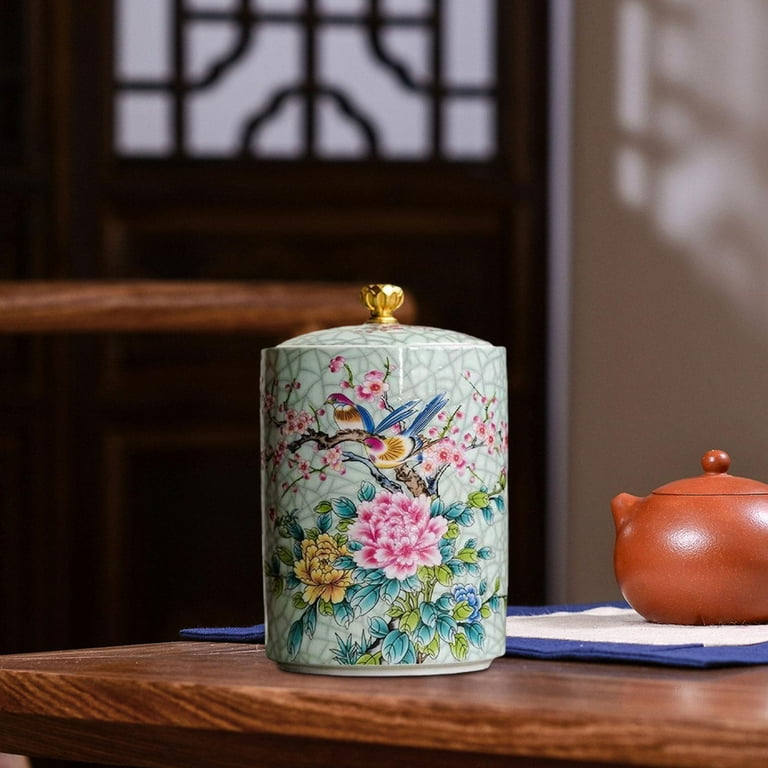
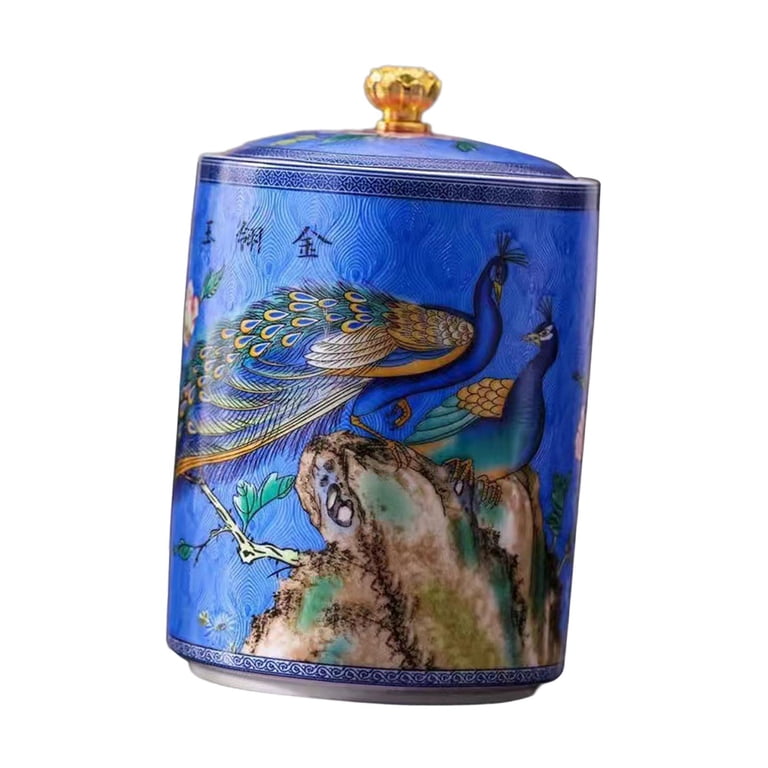
- Material: Porcelain or glazed stoneware with a lead-free, food-safe glaze.
- Opaque body: No light leaks.
- Lid and seal: A snug lid or gasket. Some jars use a double-lid system.
- Size: Keep headspace low. A 250–500 ml jar fits most daily teas well.
- Shape: Wide mouth for easy scooping but not too wide to leak air.
- Odor check: Open the jar and sniff. It should have no scent.
- Provenance: Reputable brands with clear food-safety info.
Skip unglazed clay unless you know the effect you want. Unglazed clay can hold odors and change humidity. If you ask me how to store loose tea in ceramic containers with the least risk, go with a glazed interior and a soft gasket lid.
Source: co.uk
How to store loose tea in ceramic containers step by step
Follow this simple method to lock in flavor.
- Clean and dry the jar. Wash with warm water. Air-dry for 24 hours. Any moisture harms tea.
- Check the seal. Make sure the lid closes tight. Replace a worn gasket.
- Portion your tea. Keep a main jar and a small “daily” jar. This limits air exposure.
- Fill smart. Fill the jar 70–90% full to cut headspace. Do not crush the leaves.
- Add a label. Write tea type, source, and date. Add brew notes if you like.
- Place the jar. Store in a cool, dark, dry cupboard. Keep away from the stove and sink.
- Avoid odor zones. Do not place near spices, coffee, trash, or candles.
- Open fast, close firm. Scoop with a clean, dry spoon. Seal right away.
Optional helpers:
- Food-safe desiccant in the cupboard, not in direct contact with leaves.
- Oxygen absorbers only if you will not open often. Once you open, the effect drops.
When people ask how to store loose tea in ceramic containers with the best shelf life, I say: airtight jar, low light, low heat, and low headspace. It works every time for daily drinkers.
Personal tip: Years ago, I left a ceramic jar by a sunny window. The tea lost its snap in a week. Move it one cabinet down, and the same tea sang for months.

Source: amazon.com
Avoid these common mistakes
Even great jars can fail if habits slip. Watch out for these traps.
- Clear or translucent jars. Light wins. Your tea loses.
- Fridge or freezer use. Condensation forms when you take it out. That ruins leaves fast.
- Storing above the stove or dishwasher. Heat and steam are flavor thieves.
- Scooping with a wet spoon. Moisture is the fast lane to staling or mold.
- Mixing scented and unscented teas. Odors jump jars if seals are weak.
- Oversized jars for tiny amounts. Extra air speeds oxidation.
- Constant casual opening. Every open adds oxygen.
If you stick to the basics of how to store loose tea in ceramic containers, you will avoid most of these.

Source: reddit.com
Special cases: scented teas, pu-erh, and matcha
Different teas act in different ways. A few need special care even in ceramic.
Scented teas
- Keep jasmine, Earl Grey, and chai far from plain teas.
- Use separate jars. Clean and air jars before reuse.
Pu-erh and aged teas
- Raw and ripe pu-erh can age. They like steady, mild humidity and some airflow.
- A ceramic jar can work for short-term holding. Do not seal too tight if you want aging.
- For true aging, many fans use breathable wrappers or clay. Ask a pu-erh specialist.
Matcha and powdered teas
- Matcha is very sensitive to air, light, and heat.
- If you must use ceramic, choose a small jar with a tight gasket. Keep headspace tiny.
- Many pros keep matcha in its tin in the fridge or freezer, sealed. Warm to room temp before opening to avoid condensation.
Herbal teas
- Many herbs fade fast. Ceramic jars with tight lids help a lot.
- Store away from strong scents. Herbs soak up odors fast.
When you learn how to store loose tea in ceramic containers for special teas, you keep their magic intact.

Source: amazon.com
Cleaning and maintenance for ceramic tea canisters
Clean jars help tea shine. Do this between teas or every few months.
- Rinse with warm water and a soft cloth. Avoid strong soap scents.
- To clear odors, fill with baking soda overnight. Rinse and dry.
- Air-dry upside down for a day. Make sure the gasket is dry too.
- Replace cracked gaskets. A weak seal undoes all your work.
- Skip the dishwasher if the maker warns against it.
A clean, dry jar with a strong seal is the backbone of how to store loose tea in ceramic containers well.
Source: walmart.com
Labeling, rotation, and shelf life
Good notes save taste and money. Use simple labels and rotate stock.
- Label each jar with tea name, style, source, and date opened.
- First in, first out. Finish old stock before opening fresh bags.
- Typical windows:
- Green tea: 6–12 months if sealed well.
- White tea: 9–18 months. Some age longer.
- Oolong: 9–18 months. Roasted types hold longer.
- Black tea: 12–24 months if sealed.
- Herbals and rooibos: 6–12 months. Citrus peels fade fast.
Set a reminder to review jars each quarter. If you wonder how to store loose tea in ceramic containers and keep track, a simple label and a phone note do the trick.

Source: amazon.com
Storage environment checklist
Place matters as much as the jar. Use this quick check.
- Light: Dark cabinet or pantry.
- Heat: Aim for 60–75°F. Avoid hot spots.
- Humidity: Keep it dry. No sink steam.
- Odors: Far from spice racks and coffee jars.
- Motion: A stable shelf prevents spills and breaks.
- Access: Easy to reach so you can open and close fast.
Mastering how to store loose tea in ceramic containers is mostly about location. A cool, calm cupboard beats a fancy jar on a sunny counter.
Source: walmart.com
Frequently Asked Questions of How to store loose tea in ceramic containers
Is ceramic better than glass for tea storage?
Yes, if the ceramic is opaque and airtight. It blocks light and keeps a steadier temperature than clear glass.
Do I need a silicone gasket on the lid?
A gasket helps a lot. It reduces airflow and keeps out humidity and odors.
Can I store green tea and black tea in the same cabinet?
Yes, but keep them in separate airtight ceramic jars. Place scented teas on a different shelf if possible.
Should I freeze tea in a ceramic container?
Not advised. Freezing can cause condensation when you open it, which harms tea.
How full should I fill a ceramic tea jar?
About 70–90% full. This cuts air space while avoiding crushed leaves.
How long does tea stay fresh in ceramic?
Most teas stay fresh for months when sealed and kept cool and dark. Greens fade sooner than blacks and oolongs.
Can I put a desiccant pack in the jar?
I do not place it with the leaves. Use desiccants in the cupboard nearby, not in direct contact with tea.
Conclusion
Great tea starts with fresh leaves and smart storage. Pick a food-safe, opaque ceramic jar with a tight seal. Keep it cool, dark, dry, and away from odors. Label, rotate, and open fast, then close firm. If you follow these simple steps on how to store loose tea in ceramic containers, your next cup will taste brighter and cleaner.
Ready to upgrade your setup? Try one jar this week, label it, and taste the difference in a month. Want more guides like this? Subscribe, share your own tips, or drop a question in the comments.

Table of Contents