Disassemble parts right away, rinse with warm soapy water, scrub the mesh, and air-dry.
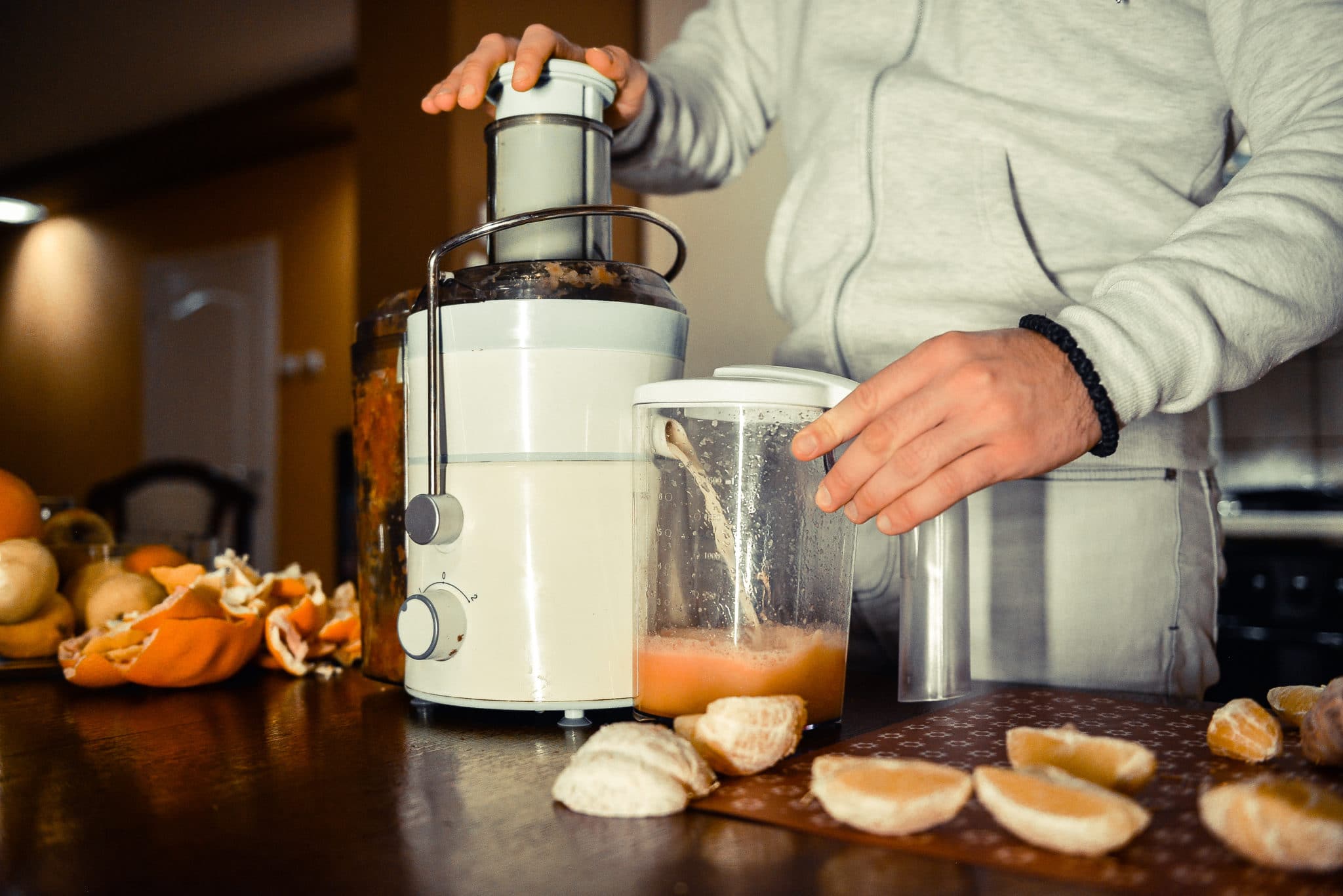
You want fast, simple, and safe results. I’ve maintained home and commercial juicers for years, and I know the tricks that keep them fresh and fast to clean. In this guide, I show exactly how to clean a juicer, step by step, with pro tips to stop stains, smells, and buildup. Follow along, and your juicer will run smoother, last longer, and taste better.
Source: squaretrade.com
Why a clean juicer matters
A clean juicer keeps flavor pure. Old pulp makes juice taste bitter and can grow bacteria. Clean gear also runs better and lasts longer. A dirty mesh clogs fast and makes the motor strain.
I learned this the hard way when a mesh screen clogged on a busy morning. The juice was slow and foamy. A two-minute rinse and brush fixed it, and the next glass tasted bright again. When you know how to clean a juicer well, you save time and protect your health.

Source: youtube.com
Know your juicer type and parts
Different juicers need a slightly different approach.
- Centrifugal juicers use a spinning blade basket and mesh filter. Pulp dries fast on the mesh.
- Masticating or cold-press juicers use an auger and fine screen. Pulp packs into crevices and gaskets.
- Citrus juicers have a reamer and simple strainer. They are easy to rinse but can get sticky.
- Blender-style juice setups use a fine nut milk bag or mesh. The bag needs a thorough rinse.
Common parts to remove and clean:
- Pusher or plunger, feed chute, lid
- Mesh screen or filter basket
- Auger or blade basket
- Juice spout, pulp container, juice jug, lid, and foam separator
- Seals and gaskets that trap fine pulp
Knowing your parts makes how to clean a juicer simple and fast.
Source: kuvingsusa.com
Tools and supplies you will need
- Soft bottle brush and small detail brush for screens and corners
- Mild dish soap and warm water for daily washing
- White vinegar or food-grade citric acid for descaling
- Baking soda for stains and odors
- Microfiber cloth or soft sponge for plastic parts
- Toothpicks or interdental brushes for mesh holes
- Paper towels or a drying rack for air-drying
These basics cover how to clean a juicer every day and for deep cleans.

Source: youtube.com
Step-by-step: how to clean a juicer after every use
- Unplug the juicer. Safety first.
- Disassemble all removable parts. Do not submerge the motor base.
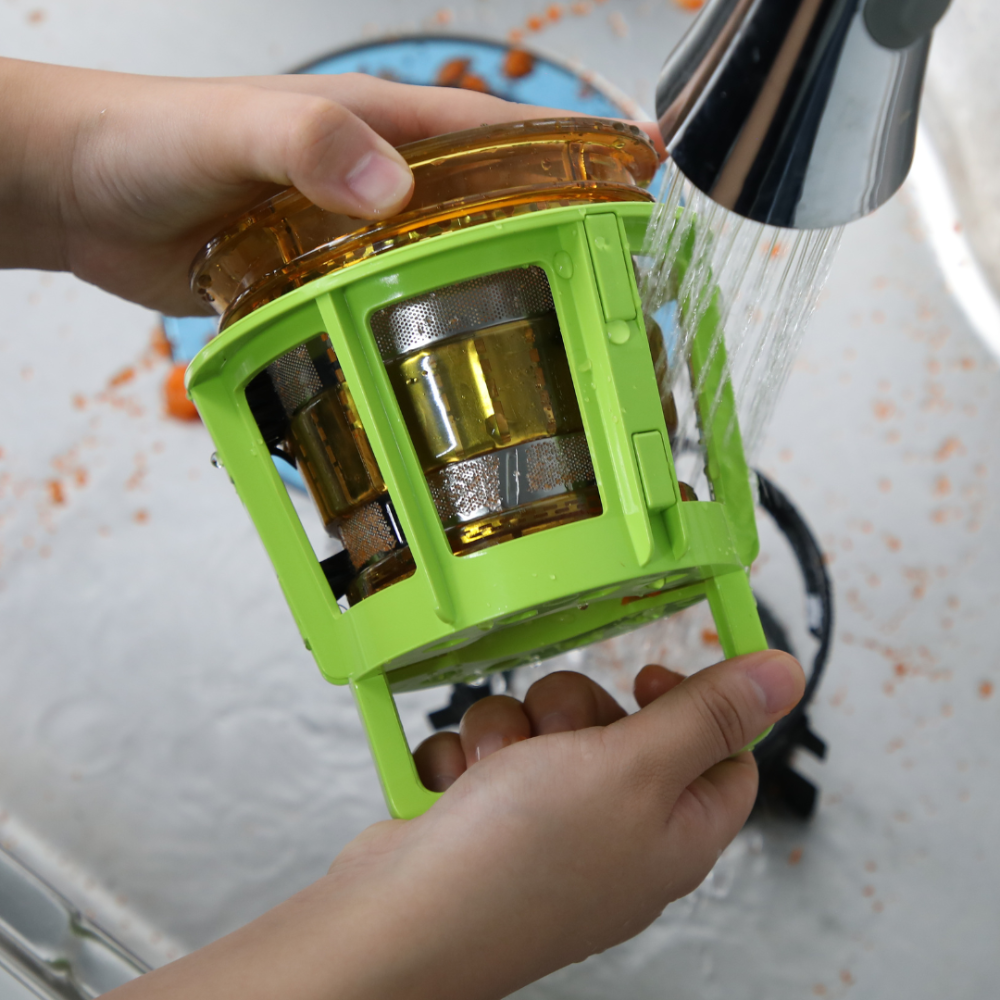
- Rinse parts under warm running water within two hours of juicing. This stops pulp from drying.
- Add a few drops of dish soap. Use the brush to scrub the mesh screen inside and out.
- Brush the spout, chute, and corners. Check gaskets and seams.
- Rinse well until water runs clear. Soap film will dull flavor.
- Wipe the motor base with a damp cloth. Clean the buttons and under the base rim.
- Air-dry parts on a rack. Or hand-dry with a lint-free towel to avoid spots.
- Reassemble only when fully dry. This prevents mold and odors.
I keep a small brush next to the sink. That one habit made how to clean a juicer feel almost effortless.
src=”https://i.ytimg.com/vi/98IFRpwZTM8/hq720.jpg?sqp=-oaymwEhCK4FEIIDSFryq4qpAxMIARUAAAAAGAElAADIQj0AgKJD&rs=AOn4CLA0ALDgkeFKlOS30blLuqgpiTzILQ”
alt=”Deep cleaning and descaling routine”
style=”max-width: 100%; height: auto; border: 2px solid black; border-radius: 10px; display: block; margin: 0 auto;”
loading=”lazy”
/>
Source: youtube.com
Deep cleaning and descaling routine
Do this weekly if you juice daily. Do it monthly if you juice less.
- Fill a basin with warm water and a splash of vinegar. Use one part vinegar to three parts water. Citric acid works too.
- Soak the mesh screen and plastic parts for 10 to 20 minutes.
- Scrub the mesh holes with a soft detail brush. Push out pulp from the outside in.
- For limescale, mix a teaspoon of citric acid in a cup of hot water. Dab, soak, then rinse well.
- Deodorize with a paste of baking soda and water. Rub gently. Rinse clear.
- Sanitize if needed with a mild food-safe solution. Use one tablespoon of bleach per gallon of water. Soak two minutes, then rinse very well.
This routine removes mineral film, kills odors, and keeps juice tasting clean.

Source: kuvingsusa.com
Troubleshooting stains, odors, and stuck pulp
- Orange or green stains on plastic: Make a baking soda paste. Let it sit for 10 minutes, then brush.
- Cloudy mesh or slow flow: Soak the screen in warm vinegar water. Brush both sides until light shines through.
- Onion or beet smell: Rinse, then soak in a mix of water and lemon juice. Air-dry in sunlight if safe for your plastic.
- Pulp jam in corners: Use a toothpick or interdental brush. Work gently to avoid damage.
If you still see residue, repeat a short soak. Patience beats force.

Source: youtube.com
Quick routines for busy mornings
- Line the pulp bin with a compostable bag. Lift and toss right after juicing.
- Rinse parts at once. A 30-second rinse now saves 10 minutes later.
- Keep a small spray bottle with diluted dish soap. Spray, brush for 20 seconds, rinse, and dry.
- Set a weekly reminder for a five-minute deep clean. Consistency is key.
This is how to clean a juicer without losing time before work or school.
Care for key parts: screens, blades, augers, and seals
- Mesh screen: Never use steel wool. Use soft brushes only. Check that light passes through.
- Blade basket: Brush with the flow of the teeth. Avoid dulling the edge.
- Auger: Wipe and brush the threads. Check for hairline cracks.
- Gaskets and seals: Remove and clean both sides. A dirty seal leaks and smells.
- Plastic jugs and lids: Hand-wash to avoid haze. If dishwasher-safe, use the top rack only.
If a part looks worn or cracked, replace it. That is smart, safe, and cheaper than a new juicer.
Eco-friendly and safe cleaning tips
- Use warm water first. Soap and brushes often do the job without harsh products.
- Choose vinegar or citric acid for mineral film. Both are effective and gentle.
- Skip strong scents. Fragrance can cling to plastic and alter taste.
- Compost pulp right away. It reduces odors in the kitchen.
- Air-dry on a clean rack. This saves energy and avoids towel lint.
These small steps make how to clean a juicer better for you and the planet.
Mistakes to avoid when learning how to clean a juicer
- Waiting hours to wash. Dried pulp is sticky and hard to lift.
- Scrubbing with abrasive pads. They scratch plastic and ruin screens.
- Submerging the motor base. This can short the unit and void a warranty.
- Skipping mesh care. A clogged screen makes juice slow and foamy.
- Using very hot water on thin plastic. This can warp parts.
Avoid these, and how to clean a juicer will stay fast and simple.
Quick answers: how to clean a juicer, fast
- Can I put parts in the dishwasher? Many parts can go on the top rack. Check your manual, and avoid high heat on thin plastics.
- How do I get rid of limescale? Soak parts in vinegar or citric acid. Brush light, rinse well, and dry.
- What if the mesh still looks cloudy? Repeat a 10-minute soak and brush both sides. Hold to the light to confirm it is clear.
Safety and hygiene best practices
- Wash within two hours of use. This limits bacteria growth and sticky residue.
- Keep a dedicated brush for your juicer. Cross-use spreads grease and odors.
- Rinse very well after sanitizer. Any leftover taste will ruin fresh juice.
- Store a dry juicer. Water trapped under gaskets can grow mold.
- Follow the manual for part care. Some plastics need low heat only.
These habits make how to clean a juicer safe, repeatable, and quick.
Frequently Asked Questions of how to clean a juicer
How often should I deep clean my juicer?
If you juice daily, deep clean once a week. If you juice a few times a week, deep clean every two to four weeks.
Can I use baking soda and vinegar together?
Use them in separate steps for best results. First use vinegar or citric acid to descale, then a baking soda paste for stains.
Is it safe to sanitize with bleach?
Yes, if you use a very mild solution and rinse well. Use one tablespoon bleach per gallon of water, soak two minutes, then rinse.
What is the fastest way to clean after juicing leafy greens?
Rinse at once, then brush the mesh from the outside in. Greens clog fast, so do not let them dry on the screen.
How do I clean the spout and hard-to-reach corners?
Use a small bottle brush or an interdental brush. Work gently so you do not damage seals or plastic.
My juice tastes off after cleaning. Why?
Soap or sanitizer residue may be left on parts. Rinse longer with warm water, then air-dry fully.
Can I prevent plastic from staining?
Rinse right away and use a baking soda paste weekly. Sunlight can help fade stains, but avoid heat that warps plastic.
Conclusion
A clean juicer gives pure taste, better flow, and longer life. Make it a habit to rinse right away, brush the mesh, and dry well. Add a short weekly soak, and buildup will not stand a chance.
Start today. Pick one tip and use it on your next glass. If this guide helped, subscribe for more kitchen care tips, or leave a comment with your best trick for how to clean a juicer.

Table of Contents