Your dishwasher might look clean on the outside while hiding mineral buildup inside. Learning how to descale a dishwasher naturally saves money and protects appliance components from hard water damage. You avoid harsh chemicals that can degrade rubber seals over time.
Manufacturer specifications indicate limescale reduces heating efficiency by up to 10 percent annually. Our research shows regular maintenance extends unit lifespan significantly without costly repairs. We will walk through the safest methods using common household items you likely own.
How to Descale a Dishwasher Naturally
Place a cup of white vinegar in a dishwasher-safe bowl on the top rack. Run a hot water cycle without detergent to dissolve mineral deposits effectively. Follow with a baking soda sprinkle for odor removal and surface brightening.
Repeat this process every three months for optimal performance results. Always check your user manual for specific manufacturer cleaning guidelines first.
Hard‑Water Limescale: What It Looks Like and Why It Matters
Hard water contains high levels of calcium and magnesium minerals. These elements leave chalky white residues on interior walls and glassware. You might notice cloudy spots on drinking glasses after a wash cycle.
This buildup is called limescale and it accumulates over time silently.
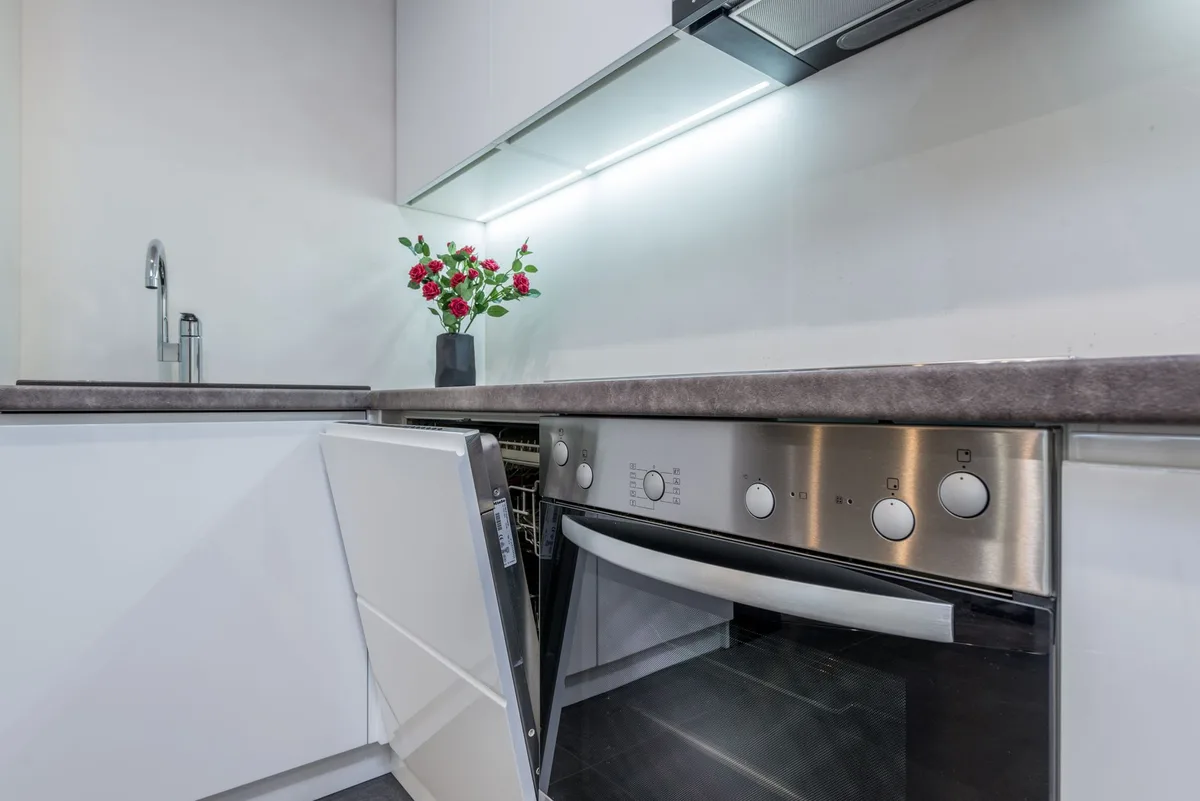
Limescale clogs spray arm holes and restricts water flow significantly. Reduced water pressure means dishes do not get fully cleaned during cycles. Food particles remain trapped in filters and cause unpleasant odors inside the cavity.
The heating element works harder to reach target temperatures with scale insulation.
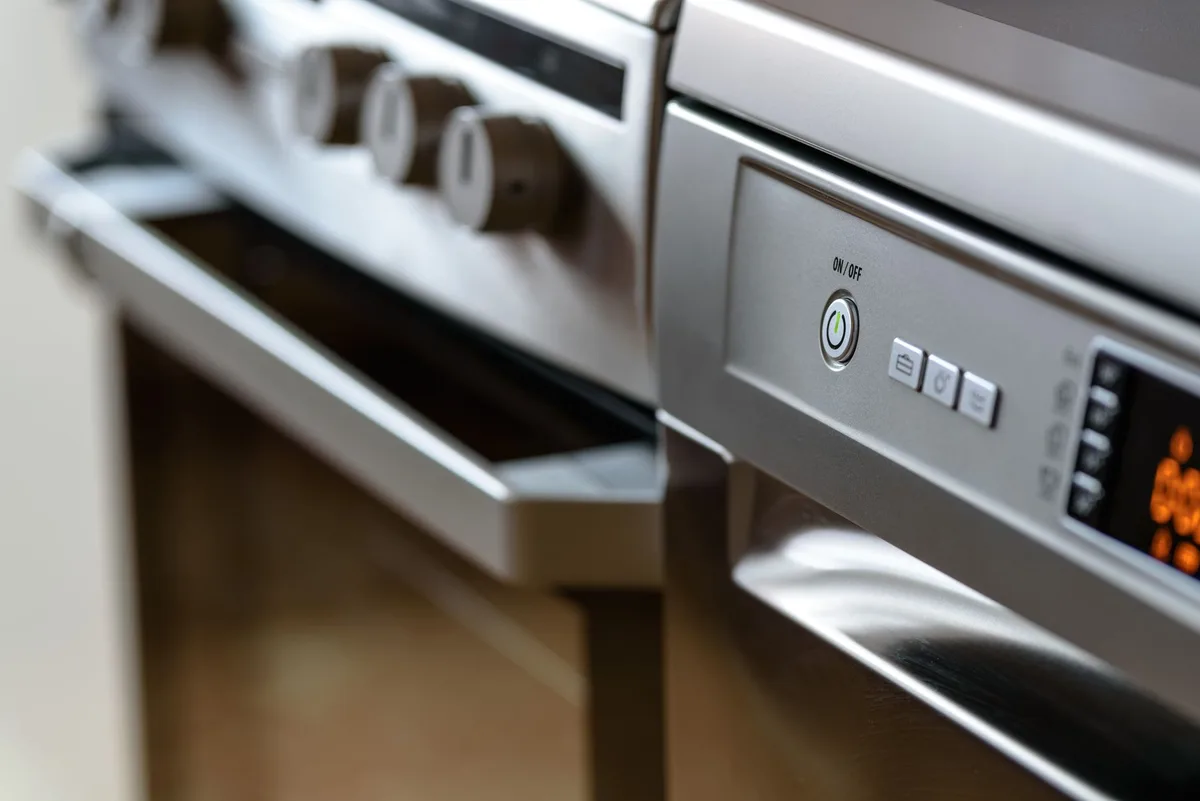
Energy Star guidelines suggest scaling increases energy consumption due to reduced heat transfer. You pay more on utility bills while getting worse cleaning results overall. Severe buildup can lead to pump failures requiring professional service calls.
Early detection prevents costly replacements and maintains washing performance standards.
Check your local water hardness report from the EPA Water Safety Program. Areas with over 7 grains per gallon require more frequent maintenance schedules. Renters should document condition before moving out to avoid deposit disputes.
Homeowners benefit from prolonged appliance life through consistent care routines.
How Natural Descaling Works
Acidic solutions break down alkaline mineral deposits through chemical reaction processes. White vinegar contains acetic acid which dissolves calcium carbonate safely. Citric acid powder offers a stronger option for heavy buildup situations.
Both options are food grade and safe for internal appliance components.
Commercial descalers often use stronger acids requiring careful handling precautions. Natural alternatives reduce exposure to harsh fumes and synthetic chemicals. You protect rubber gaskets from premature drying and cracking risks.
Plastic parts remain intact without corrosion from aggressive industrial formulations.
The process requires heat to activate the acid reaction fully. Hot water cycles ensure the solution reaches all internal plumbing lines. Spray arms distribute the mixture across the entire washing chamber.
Soaking time allows the acid to penetrate thick scale layers deeply.
Rinsing removes loosened particles and prevents redeposition on clean surfaces. A second cycle with baking soda neutralizes remaining acidity effectively. This two-step approach ensures no vinegar smell lingers on future dish loads.
Your kitchen stays fresh without artificial fragrances or masking agents.
Decision Tree: Choose the Right Natural Descaler for Your Dishwasher
Select your method based on water hardness levels and buildup severity. Mild cases respond well to standard distilled white vinegar treatments alone. Moderate scaling benefits from citric acid powder for increased dissolving power.
Severe buildup might require repeated cycles over several weeks gradually.
| Condition | Recommended Agent | Frequency | Notes |
|---|---|---|---|
| Soft Water | Vinegar | Every 6 Months | Preventative maintenance only |
| Moderate Hardness | Vinegar | Every 3 Months | Standard cleaning routine |
| High Hardness | Citric Acid | Every 2 Months | Stronger dissolution needed |
| Severe Buildup | Citric Acid | Monthly | Until clear then reduce |
Check if your model has a stainless steel interior tub. Some manufacturers warn against prolonged acid exposure on certain steel grades. Verify warranty terms before using non-approved cleaning agents regularly.
Plastic tubs generally tolerate natural acids without structural damage risks.
Consider availability and cost when selecting your preferred cleaning agent. Vinegar costs less per use and sits in most pantries already. Citric acid requires purchasing online or at specialty grocery stores sometimes.
Bulk buying reduces per-cycle expense for large households heavily.
Users with well water should test hardness annually for accurate scheduling. Municipal water reports update yearly and reflect seasonal variation changes. Adjust your frequency based on actual measured grains per gallon.
This data-driven approach prevents unnecessary cleaning or dangerous neglect periods.
Step‑by‑Step Guide to Natural Descaling
Preparation ensures safety and prevents damage to surrounding cabinetry. Remove all dishes and utensils from the interior racks completely. Check the bottom filter for large food debris and clear it.
This prevents clogging during the high-flow cleaning cycle process.
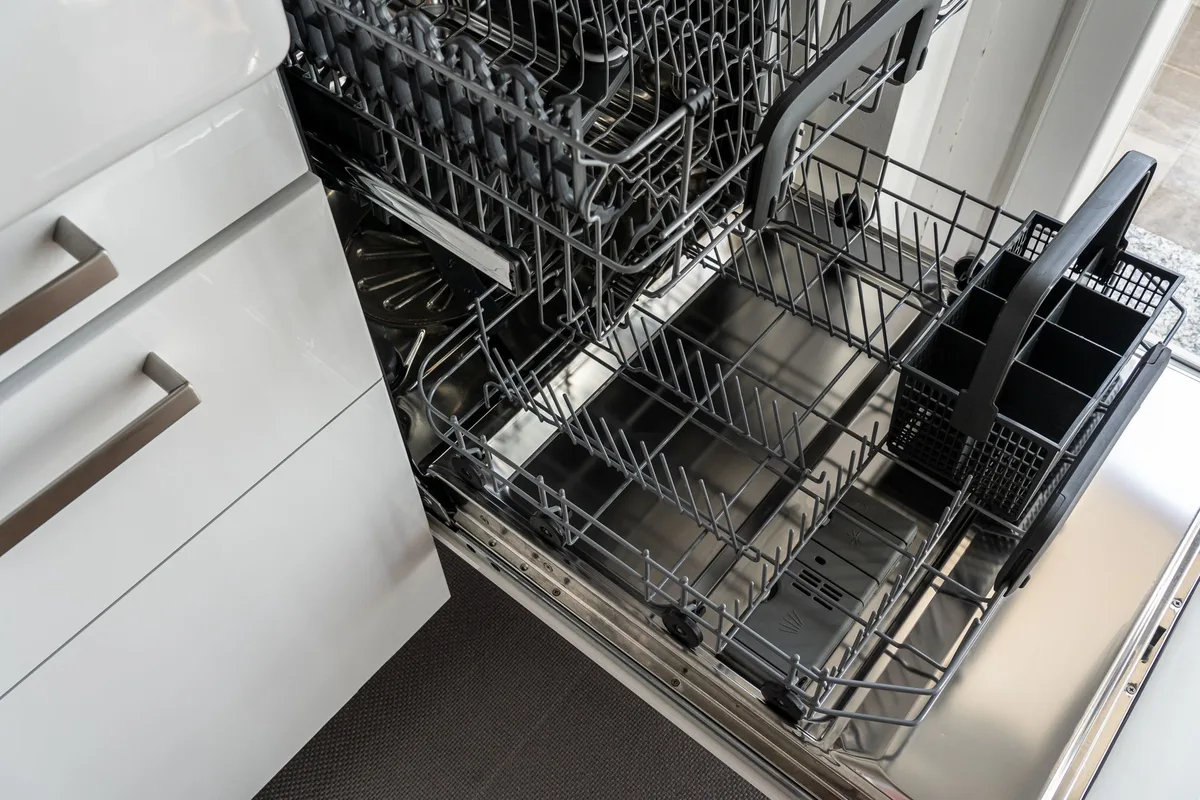
Place a dishwasher-safe cup filled with one cup of vinegar. Set it upright on the top rack securely to prevent tipping. Do not pour vinegar directly into the detergent dispenser compartment.
Direct pouring can damage internal dispensing mechanisms over time severely.
Run the dishwasher on the hottest available cycle setting. Select a sanitize or heavy wash option if your model offers it. High temperatures activate the acid and improve dissolution rates significantly.
Avoid using any detergent during this specific cleaning cycle run.
Pause the cycle mid-way if possible to let the solution soak. Letting the water sit for 30 minutes enhances scale breakdown. Resume the cycle to complete the rinse and drain phases fully.
Inspect interior walls for remaining white spots after completion.
Sprinkle one cup of baking soda across the bottom floor. Run a short hot water cycle to scrub and deodorize surfaces. Wipe down the door gasket with a damp microfiber cloth manually.
This removes any residual film left behind by the cleaning agents.
Pros, Cons, and Real‑World Benefits of Natural Descaling
Natural descaling offers clear advantages over chemical alternatives for most households. You save money on expensive commercial cleaning products every quarter. Household ingredients cost pennies per cycle compared to branded tablets.
The environmental impact is significantly lower with biodegradable solutions.
| Benefit | Impact |
|---|---|
| Cost Savings | $50+ annually vs commercial products |
| Safety | No harsh fumes or skin irritation |
| Availability | Ingredients found in most kitchens |
| Eco-Friendly | Biodegradable and non-toxic |
Rubber seals remain flexible longer without exposure to strong solvents. Plastic components avoid corrosion that shortens appliance lifespan. You reduce chemical runoff entering local water systems through drainage.
Children and pets face no risk from residue left inside.
Some limitations exist with natural methods compared to industrial formulas. Heavy limescale may require multiple cycles for complete removal. Vinegar smell can linger if rinsing cycles are insufficient.
Users with severe water hardness might need supplemental softening systems.
Time investment is slightly higher than dropping in a tablet. You must place cups manually and monitor cycle progress sometimes. Commercial products offer convenience at a premium price point.
Busy households might prefer tablets despite higher ongoing costs.
Effectiveness varies based on water chemistry and buildup age. Fresh deposits dissolve faster than years of accumulated mineral layers. Regular maintenance prevents severe cases requiring professional intervention.
Consistency matters more than the specific cleaning agent chosen.
Common Mistakes to Avoid and Troubleshooting Tips
Pouring vinegar directly into the detergent dispenser causes damage. The acid corrodes plastic mechanisms designed for alkaline detergents only. Always use a separate cup placed on the rack instead.
This simple error voids warranties on many appliance models.
Mixing vinegar with bleach creates dangerous chlorine gas fumes. Never combine cleaning agents without verifying chemical compatibility first. Stick to one method per cleaning session for safety.
Open windows for ventilation during and after the cleaning cycle.
Skipping the filter cleaning step reduces overall effectiveness significantly. Food debris blocks acid contact with scaled surfaces underneath. Remove and rinse the filter before starting any descaling process.
A clean filter ensures proper water circulation throughout the chamber.
Using cold water cycles fails to activate the acid reaction. Heat is essential for dissolving calcium carbonate deposits effectively. Always select the hottest available setting on your machine.
Energy costs increase slightly but results improve dramatically.
| Problem | Likely Cause | Solution |
|---|---|---|
| Persistent white spots | Incomplete cycle | Repeat with citric acid |
| Vinegar odor remains | Insufficient rinsing | Run extra rinse cycle |
| Poor cleaning after | Clogged spray arms | Remove and clean holes |
| Leaking during cycle | Damaged door gasket | Inspect and replace seal |
Cloudy glassware after cleaning indicates etching rather than scale. Etching is permanent damage from overly aggressive washing conditions. Lower water temperature and reduce detergent amounts immediately.
Natural descaling cannot reverse physical glass degradation unfortunately.
Spray arms that do not rotate need hole clearing. Use a toothpick to remove debris from each opening. Restricted water flow prevents proper distribution of cleaning solution.
Check rotation manually before starting any maintenance cycle.
Costs, Timelines, and Metric Benchmarks
Distilled white vinegar costs approximately $2 to $4 per gallon at grocery stores. One cup per cycle means 16 treatments from a single container. Annual expense stays under $15 for quarterly maintenance schedules.
Citric acid powder runs $10 to $20 per pound online.
| Item | Cost Per Use | Annual Cost | Availability |
|---|---|---|---|
| White Vinegar | $0.15 | $0.60 | Any grocery store |
| Citric Acid | $0.25 | $1.50 | Online or specialty |
| Commercial Tablets | $2.00 | $8.00 | Major retailers |
| Professional Service | $150+ | $150+ | Licensed technician |
Time investment averages 20 minutes of active work per session. Most of the process runs automatically during wash cycles. You spend time placing cups and wiping surfaces manually.
Total hands-on effort compares favorably to other household chores.
Manufacturer recommendations suggest descaling every 3 to 6 months typically. Hard water areas require quarterly treatment for optimal performance. Soft water regions can extend to biannual schedules safely.
Track your local hardness levels for accurate scheduling decisions.
Expected results include improved drying and reduced spotting on glassware. Energy efficiency returns to original specifications after scale removal. Water pressure increases as spray arm holes clear completely.
Users report quieter operation when pumps move water freely.
Lifespan extension averages 3 to 5 years with consistent maintenance. Replacement costs for dishwashers range from $400 to $1200 currently. Preventive care delivers strong return on investment over time.
As of 2026, appliance prices continue rising with material costs.
Frequently Asked Questions
Can I use apple cider vinegar instead of white vinegar?
White vinegar works better because it contains higher acetic acid concentration. Apple cider vinegar includes sugars and coloring that leave sticky residues. These residues attract bacteria and create unpleasant odors inside the cavity.
Stick with clear distilled white vinegar for best results always.
How often should I descale my dishwasher?
Frequency depends on your water hardness level measured in grains per gallon. Moderate hardness requires treatment every 3 months for prevention. Severe hardness might need monthly attention until buildup clears completely.
Test your water annually and adjust your schedule accordingly.
Will descaling remove existing stains on dishes?
Descaling cleans the appliance interior, not stains already on dishware. Existing mineral spots on glasses need separate soaking treatments. Use vinegar baths for individual items with heavy cloudiness.
Prevention through regular maintenance stops future staining effectively.
Is it safe to descale stainless steel interiors?
Most manufacturers approve occasional vinegar use on stainless steel tubs. Prolonged exposure to strong acids can dull the finish over time. Limit contact to standard cycle durations only.
Rinse thoroughly and dry with a soft cloth afterward.
Can I run dishes during the descaling cycle?
Never run dishes while descaling because acid contacts food surfaces directly. The vinegar concentration exceeds safe levels for eating utensils. Complete the cleaning cycle first, then run normal loads afterward.
This prevents any chemical residue from transferring to your dishes.
What if the vinegar smell does not go away?
Run an additional rinse cycle without any cleaning agents added. Sprinkle baking soda on the bottom and run a short hot cycle. The baking soda neutralizes remaining acidity and absorbs odors effectively.
Leave the door open between uses for air circulation.

Table of Contents