Image source: Pexels / Sandi Yudha (Pexels License)
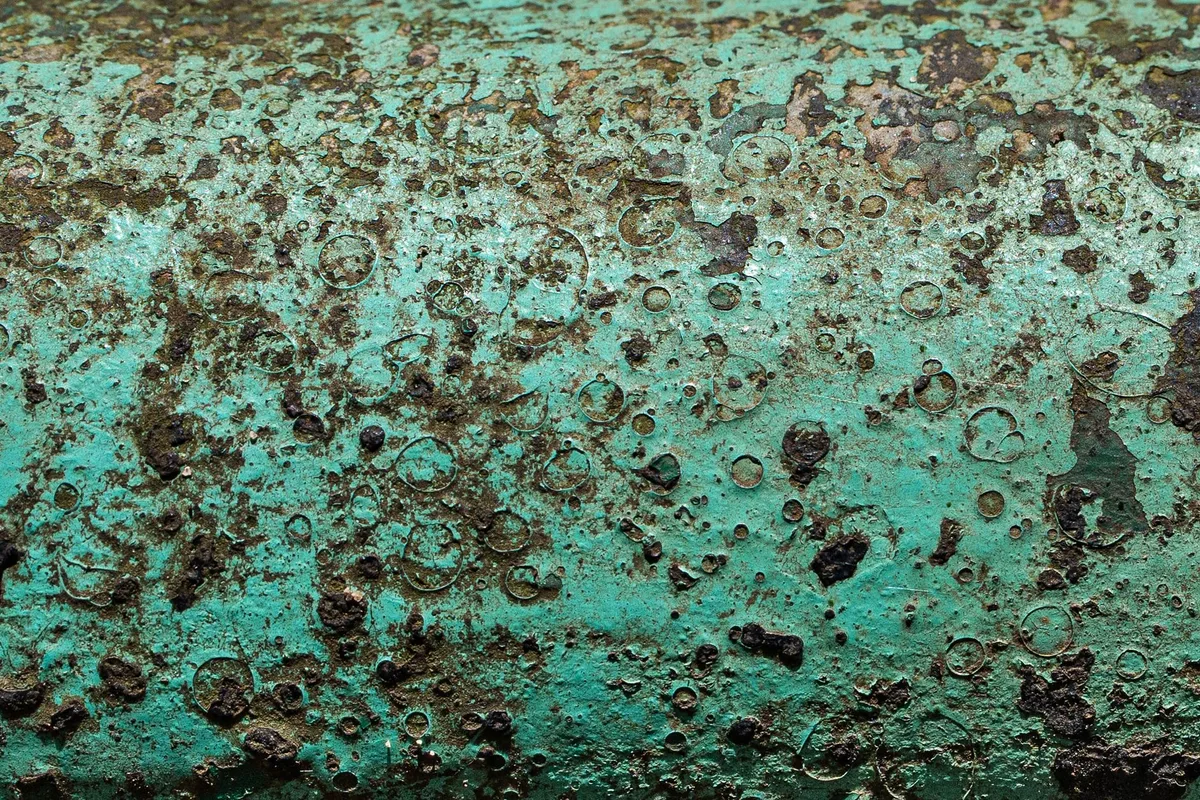
You pull your dutch oven off the shelf, excited for a slow-cooked stew. Instead, you find orange flakes and a rough, crusty surface. That’s rust.
And if you’re here, you probably feel a mix of panic and frustration.
Here’s the good news: rust on a dutch oven isn’t a death sentence. In fact, it’s one of the most fixable problems in kitchen care. Whether you have a bare cast iron model or an enameled one, you can restore it.
Most of the time, you only need a few household supplies and about twenty minutes of actual work.
In this guide, I’ll walk you through exactly how to clean a dutch oven with rust, step by step. We’ll cover the tools you need, the methods that actually work, and how to reseason your pot so the rust doesn’t come back. I’ve done this more times than I care to admit, so trust me, this works.
First Things First: Check Your Dutch Oven Type
Before you scrub anything, you need to know what you’re dealing with. The cleaning method depends entirely on which type of dutch oven you own.
Bare Cast Iron, This is the classic, heavy black pot. It has no coating on the cooking surface. The rust sits directly on the iron.
You can use aggressive scrubbing methods without damaging the pot itself. In fact, you need to be aggressive to get the rust off.
Enameled Cast Iron, This pot has a glass-like coating, usually white or cream inside. Brands like Le Creuset and Staub make them. The enamel is smooth and non-porous.
You cannot use abrasive tools on this surface. Steel wool will scratch the enamel permanently. If the rust is beneath a chip in the enamel, you can clean the rust, but the pot’s protective layer is compromised.
Carbon Steel, Though rarer in dutch oven form, some people own these. They act like bare cast iron. Treat them the same way.
How to tell the difference? Look inside. If the inside is shiny and smooth like glass, it’s enameled. If it’s rough, matte, and black or dark gray, it’s bare cast iron.
If you have enameled cast iron with rust on the exterior only, you can clean it with baking soda paste. If rust is on the interior, you need to be careful. The rust could be coming from exposed iron under chipped enamel.
That’s a bigger issue. We’ll cover both scenarios below.
Why Does a Dutch Oven Rust in the First Place?
Iron reacts with oxygen and moisture. That’s basic chemistry. But in real life, rust forms on dutch ovens for a few specific reasons:
Stored without seasoning, Bare cast iron needs a protective oil layer. Without it, the metal is naked and vulnerable.
Left wet after washing, Maybe you dried it with a towel, but a drop of water hid in a crevice. That’s all it takes.
Washed with soap and left unseasoned, Soap strips the oil. If you don’t reapply oil before storage, rust develops within days.
High-humidity environment, If you live in a humid climate or store your pot in a damp basement, rust is more likely.
Acidic foods cooked for long periods, Tomato sauce simmered for hours can eat through seasoning and expose the iron.
Understanding the why matters because cleaning the rust is only half the battle. If you don’t change how you care for the pot, rust will return. We’ll get to prevention at the end.
What You’ll Need to Clean Rust Off a Dutch Oven
Don’t run out and buy expensive chemicals. You probably have most of these items already.
For bare cast iron:
- Steel wool (fine to medium grade, #0000 or #00)
- Or a stiff wire brush
- Dish soap (a small amount, just for the rust removal phase)
- Hot water
- Paper towels or a clean cloth
- White vinegar (for stubborn rust)
- Cooking oil (flaxseed, vegetable, or canola) for reseasoning
For enameled cast iron:
- Baking soda
- White vinegar
- A soft sponge or a plastic scrub brush
- Bar Keepers Friend (or another mild, non-abrasive cleaner) for tough spots
- Paper towels
Safety gear (optional but smart):
- Rubber gloves, bare cast iron shavings are sharp
- A mask, rust dust is not great to inhale
That’s it. No magic elixirs. No specialty rust removers.
I’ve restored dozens of rusty pots with exactly these supplies.
Method 1: Using Abrasive Cleaners (For Bare Cast Iron)
Image source: Pexels / RDNE Stock project (Pexels License)
This is your go-to method. It’s simple, effective, and requires almost no setup. Here’s exactly how to clean a dutch oven with rust using abrasives.
Step 1: Rinse the pot with hot water. Don’t soak it. Just run hot water over the surface. This loosens any food residue and wets the rust.
Step 2: Add a few drops of dish soap. Yes, soap is generally discouraged for cast iron. But for rust removal, it helps carry away loose particles. You’ll fully reseason afterward anyway.
Step 3: Scrub with steel wool. This is the main event. Work in circular motions. Press firmly.
You’ll see the rust lift off and turn the water brownish-orange. Keep scrubbing until the metal underneath looks gray or silver, not black. The black you usually see is polymerized seasoning.
Rust sits on top of that. But if the rust has eaten deep, you might reveal bare gray iron. That’s fine.
Step 4: Rinse thoroughly. Wash away all the soap and loosened rust. Run your fingers over the surface. It should feel smooth, not gritty.
Step 5: Dry immediately. Use a clean towel. Then heat the pot on the stove for a few minutes to evaporate any hidden moisture. Do not let it air dry, that’s how rust starts again.
Step 6: Assess. If you still see orange spots, repeat steps 1, 4. Or move to the vinegar method below.
What if the rust is severe? If the pot is heavily rusted all over, switch to a wire brush drill attachment. You can pick one up cheaply at any hardware store. It cuts through thick rust in minutes.
Just wear eye protection because it flings rust particles everywhere.
Method 2: Vinegar Soak (For Stubborn or Heavy Rust)
Sometimes steel wool isn’t enough. When rust has worked its way deep into the iron’s pores, you need chemical help. A vinegar soak is the best way to clean a dutch oven with rust that’s really set in.
Step 1: Mix a 1:1 solution of white vinegar and water. Use enough to fully submerge the rusty parts. If you only have rust on the interior, you can pour the mixture into the pot directly.
Step 2: Soak for 30 minutes to 1 hour. This is important: do not leave it longer. Vinegar is acetic acid. It dissolves rust, but it also eats the good iron. Anything beyond an hour starts to damage the pot’s surface.
Step 3: Remove and scrub. Pull the pot out and notice how the rust has loosened. It should look like a greyish-brown sludge. Scrub with steel wool or a stiff nylon brush.
Most of the rust comes off effortlessly.
Step 4: Rinse with hot water and dry. Same as method 1. Get it bone-dry immediately.
Step 5: Neutralize the acid. Mix a small bowl of water with a tablespoon of baking soda. Wipe this over the pot. This ensures no vinegar residue remains.
A word of warning: If your pot was previously seasoned, the vinegar will strip all of that seasoning, not just the rust. That’s fine, because you’re about to reseason anyway. But don’t be shocked if the pot looks completely bare afterward.
That’s normal.
Method 3: Oiling and Seasoning (The Final Step)
Image source: Pexels / Marcelo Verfe (Pexels License)
Okay, the rust is gone. The iron looks clean, maybe too clean. Now you need to reseason.
Seasoning is a layer of polymerized oil that protects the iron from moisture. Without it, your dutch oven will rust again within days.
Here’s how to do it properly.
Step 1: Preheat your oven to 400°F (200°C).
Step 2: Dry the pot completely. We already did this, but double-check. Any moisture under the oil will cause problems.
Step 3: Apply a thin layer of oil. Use flaxseed oil for the hardest, most durable finish. Vegetable or canola oil works too. Put a little oil on a paper towel and wipe the entire pot, inside, outside, lid, handle.
The goal is a thin coat. If you can see streaks, you’ve used too much. Wipe it off with a clean paper towel until the pot looks dry.
Seriously. The thinner the layer, the better the seasoning.
Step 4: Place the pot upside down in the oven. Put a baking sheet or aluminum foil on the rack below to catch dripping oil.
Step 5: Bake for one hour. Then turn off the oven and let the pot cool completely inside the oven. Do not remove it early. The slow cooling helps the polymer bond.
Step 6: Repeat. You want 2, 3 layers of seasoning. The first layer looks dull and matte. Each additional layer makes the surface darker and slicker.
After the first layer, let the pot cool, then apply another thin oil coat and repeat the baking process.
Step 7: Store correctly. Once the pot is cool and seasoned, store it in a dry place. A cabinet works. If you must store it with the lid on, place a paper towel inside to absorb any moisture.
How to Clean a Dutch Oven with Rust When It’s Enameled
Enameled dutch ovens need a gentler approach. The information above works for bare cast iron, but you’ll destroy the enamel if you use steel wool.
Here’s the enameled version:
Step 1: Make a baking soda paste. Mix 3 parts baking soda with 1 part water. Use a bowl to combine them into a thick paste.
Step 2: Apply the paste to the rust spots. Use a soft cloth or sponge.
Step 3: Let it sit for 15, 20 minutes.
Step 4: Gently scrub. Use a soft sponge or a plastic brush. Move in small circles. The rust should lift off.
Baking soda is mildly abrasive, enough to break the rust bond, but not enough to scratch glass-smooth enamel.
Step 5: Rinse and dry. Wipe clean with a damp cloth, then dry thoroughly.
If rust persists: Try Bar Keepers Friend. It’s a mild oxalic acid cleaner designed for enamel and stainless steel. Apply it with a damp sponge, let it sit for a minute, then rinse.
Critical warning: If the rust is coming from a chip in the enamel, you have a bigger problem. The enamel is broken, so moisture and acid can reach the raw iron beneath. Cleaning the rust is temporary.
The right fix is to stop using that pot for acidic dishes, or contact the manufacturer. Many brands like Le Creuset have limited lifetime warranties and will replace a chipped pot.
Natural Alternatives: Are They Any Good?
I get asked if lemon juice or salt can remove rust. The short answer: they work, but only for very light surface rust.
Salt + Water: Mix salt with water to make a paste. Scrub gently. This works because salt is abrasive and flakes off rust.
It’s best for tiny spots, not full-scale rust.
Lemon Juice: The citric acid dissolves rust. But it’s weaker than vinegar. You’ll need to soak much longer, which risks affecting the iron.
Potato + Dish Soap: This is an old folk remedy. Cut a potato in half, dip it in dish soap, and scrub the rust. The oxalic acid in the potato reacts with rust.
It works surprisingly well for light rust, but it’s messy.
Honestly, steel wool and vinegar are faster. The natural methods take longer and give less consistent results. Use them if you’re out of supplies, but don’t waste time if you can just get steel wool.
The Prevention Checklist: Keep Rust Away Permanently
You’ve put in the work. You cleaned the rust, reseasoned the pot, and made it look new. Now, let’s talk about how to keep it that way.
Never put it in the dishwasher. The heat, detergent, and prolonged moisture strip seasoning fast.
Dry it on the stove. After washing, put the dutch oven on a burner over low heat for about three minutes. This evaporates every drop of moisture.
Oil after every wash. Once it’s dry, wipe a few drops of oil into the interior and exterior. This maintains the seasoning layer.
Store with care. Keep it somewhere dry. Avoid leaving the lid sealed for long storage periods, a sealed lid traps humidity.
Address seasoning damage immediately. If you scrape the bottom while cooking, reseason that spot before the next use.
Protect it during off-season. If you’re storing it for months, apply a generous oil coat before putting it away. This acts as a sacrificial layer.
For extra protection, refer to cleaning guides from extension programs like the University of Minnesota’s food preservation resources. University of Minnesota Extension has excellent resources on maintaining cast iron cookware, though it’s geared toward camping gear, the principles are identical.
Follow these rules, and rust won’t dare come back.
Common Questions About Rusty Dutch Ovens
Is rust unsafe to cook in?
No. Small amounts of rust are iron oxide, chemically harmless before you cook and digested easily. But if the rust is flaking heavily, you’re eating metal debris.
Not toxic, but not pleasant. Clean it.
Will vinegar ruin my dutch oven?
Only if you soak too long. Stick to a 30, 60 minute soak and rinse well. Any longer and the acid starts etching the iron.
Can I use a glass cleaner containing ammonia?
Avoid it. Ammonia is harsh and hard to rinse fully. It leaves a residue that mixes with your food.
Stick with vinegar or soap.
Do I need special rust remover products?
No. Commercial rust removers often contain phosphoric or citric acid. They work, but they’re overpriced.
White vinegar gets the same result for pennies.
My dutch oven is outside with rust spots — can I clean it?
Yes. The same methods apply. If it’s been outdoors for a long season, you may need two rounds of vinegar soaking.
But it’s absolutely salvageable.
Final Word
Dutch ovens rust. It happens to everyone, home cooks, professional chefs, camping fanatics. The good news is that fixing it takes about an hour.
You don’t need expensive tools or specialized chemicals. Just hot water, soap, steel wool, vinegar, and oil.
Cleaning rust off a dutch oven is something every owner should know. When you flip that pot over after a successful restoration, you’ll feel a quiet satisfaction. You saved it.
And now you know exactly how to do it again if the rust ever sneaks back.
Go take a look at your pot. Assess it. Then grab your supplies and bring it back to life.

Table of Contents