How often to replace matcha whisk
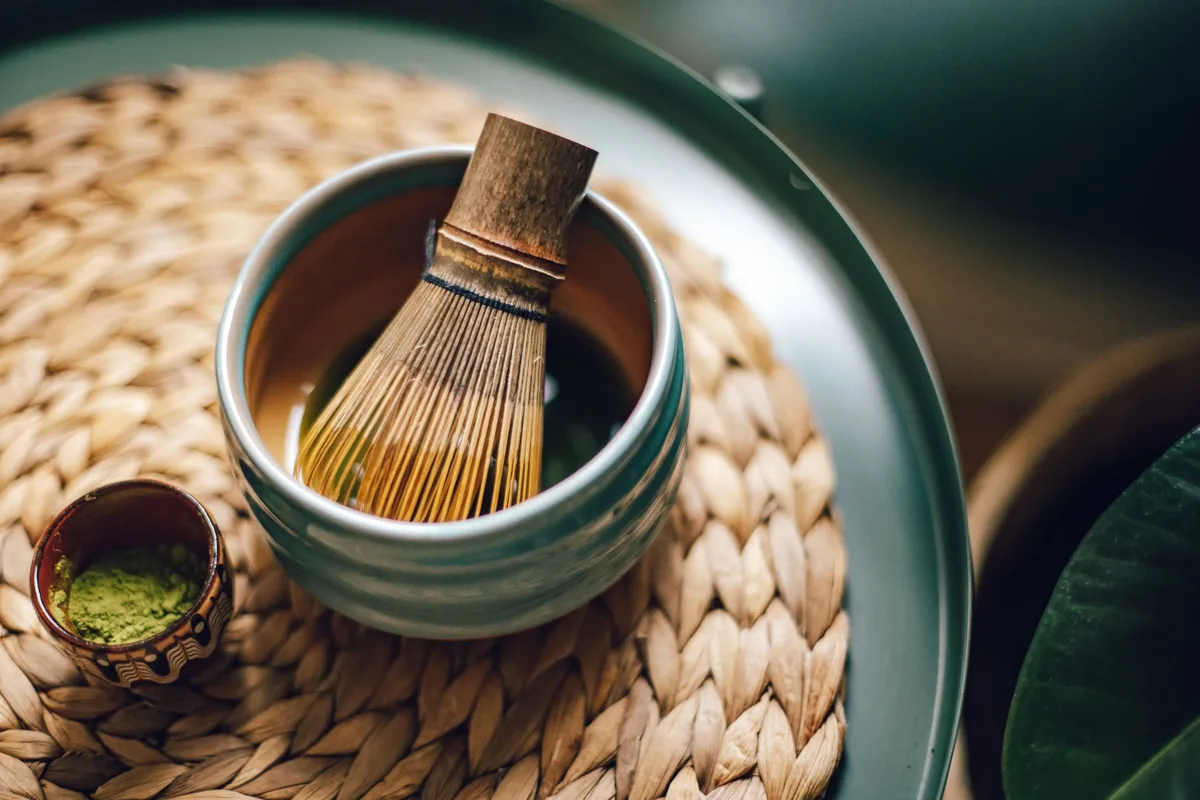
A good chasen does a lot of heavy lifting. It turns powdered tea into a silky foam, and it does it day after day. But bamboo is a natural material.
It wears, it splits, and it eventually stops performing. Knowing when to swap it out keeps your tea tasting clean and your ritual smooth.
How often to replace matcha whisk
Most daily drinkers replace a whisk every three to six months. If you whisk once a day, expect the lower end of that range. If you whisk a few times a week, you can push toward the upper end.
Professional tea houses often change whisks monthly because they run dozens of bowls per shift. The rule of thumb: watch the tines, not the calendar.
A whisk that still springs back after a rinse is still good. A whisk that stays bent, frays, or loses its snap is done. The foam will turn thin, the texture gritty, and the flavor can pick up a stale bamboo note.
That’s the signal to retire it.
Factors that affect whisk lifespan
Frequency of use drives wear fastest. More bowls equal more stress on the tines.
Water temperature matters. Boiling water softens bamboo faster than 80 °C water.
Cleaning method changes longevity. A gentle rinse and air‑dry preserves fibers; soaking or scrubbing accelerates breakdown.
Storage plays a role. Leaving a wet whisk in a closed container invites mold and warping. A proper holder lets air circulate.
Quality of the bamboo sets the baseline. Higher‑grade, older bamboo lasts longer than cheap, young stalks.
Signs your matcha whisk needs replacing
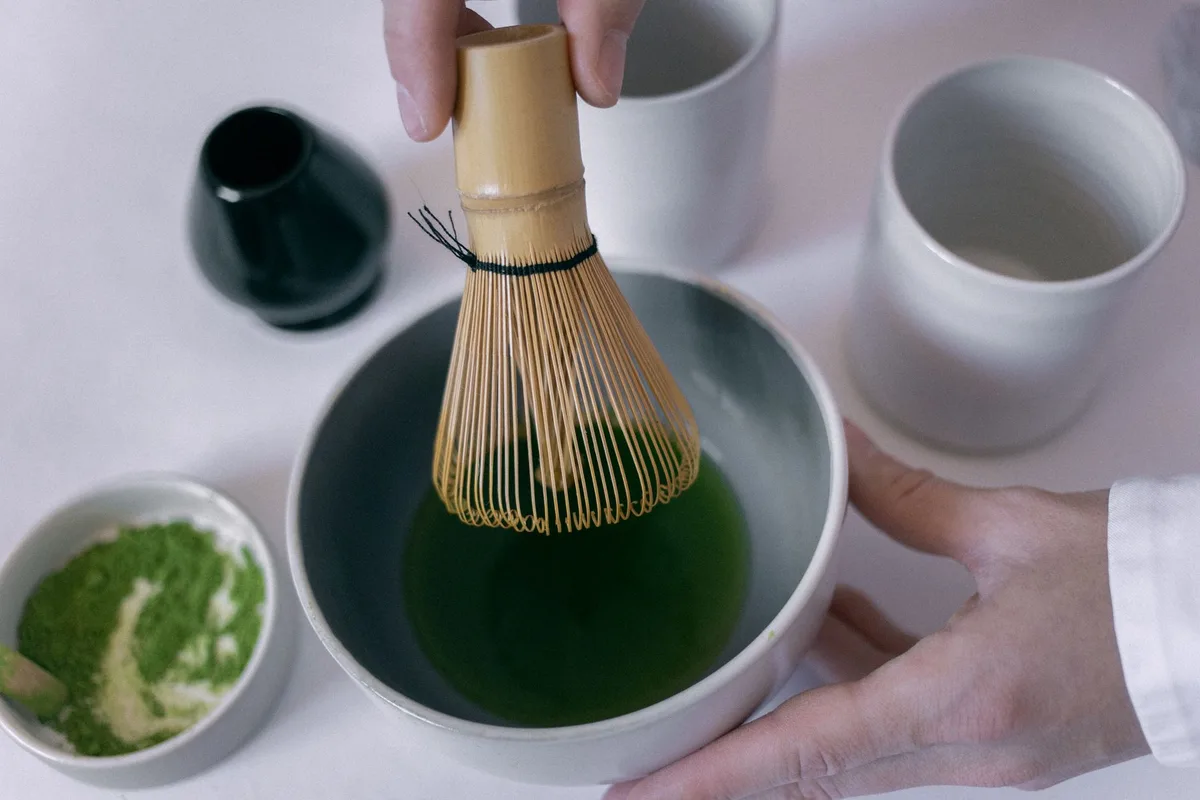
Look at the tines first. They should be uniform, slightly curved, and springy. If you see any of the following, it’s time for a new whisk:
- Frayed tips, the ends look like split hairs.
- Bent or broken tines, they no longer return to shape after whisking.
- Discoloration, dark stains that won’t rinse out indicate deep moisture penetration.
- Loss of foam, you whisk the same way but the crema stays thin.
- Off odor, a musty smell means mold has taken hold inside the bamboo.
Run a finger along the tines. Roughness or splinters mean the surface has degraded. A smooth, resilient feel means the whisk still has life.
Proper care to extend whisk life
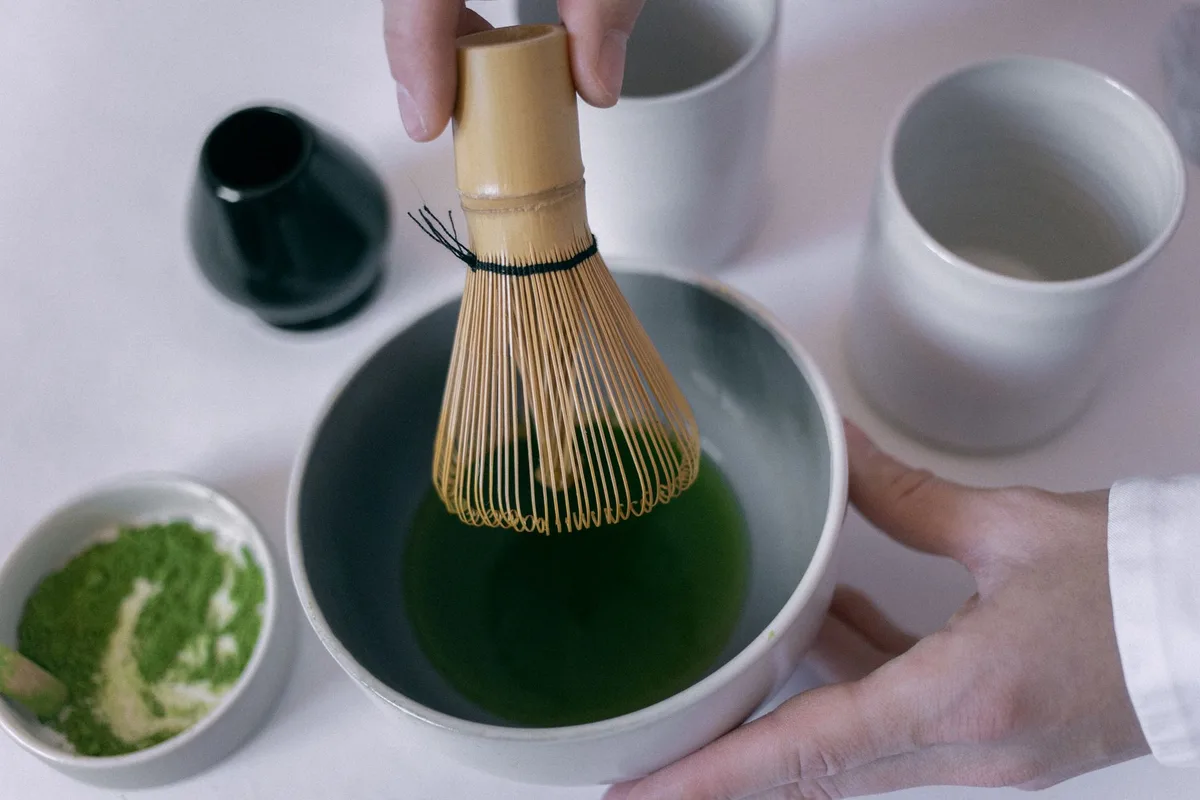
A few habits add months to a chasen.
- Rinse immediately after each use. Use cool water, no soap.
- Shake off excess water, then place the whisk on a kusenaoshi (whisk holder). The holder keeps the tines spread and lets air dry them evenly.
- Avoid soaking. Even a short soak softens the bamboo and invites cracks.
- Store upright in a dry, ventilated spot. Never seal a damp whisk in a tin or bag.
- Rotate whisks if you have more than one. Giving each a rest day reduces cumulative stress.
The Japan Tea Association notes that proper drying alone can double a whisk’s usable life Japan Tea Association. That’s a simple win for any home brewer.
Choosing a replacement whisk
When the old whisk retires, pick a replacement that matches your routine.
- 80‑tine (kazuho), standard for everyday usucha. Good balance of foam and control.
- 100‑tine (kazuho), creates finer foam, ideal for ceremonial grade matcha.
- 120‑tine (kazuho), maximum foam, best for thick koicha but harder to clean.
- Material, look for “white bamboo” (shiratake) or “black bamboo” (kurochiku). White bamboo is lighter and more flexible; black bamboo is denser and lasts longer.
- Handle length, longer handles give leverage, shorter handles fit small bowls.
Buy from a reputable tea shop or a Japanese craftsman. Avoid mass‑produced plastic‑handle versions; they don’t transmit the same tactile feedback.
Frequently asked questions
Can I repair a broken tine?
No. Bamboo fibers don’t glue back reliably. A repaired whisk will shed splinters into your tea.
Is it okay to wash a whisk with soap?
Soap leaves residue that affects flavor. Rinse only with water.
How do I know if my whisk is authentic bamboo?
Authentic chasen have a natural grain, slight color variation, and a faint bamboo scent. Uniform, glossy, perfectly straight tines often signal a machine‑made copy.
Can I use a metal whisk?
Metal destroys the delicate foam structure and can scratch your bowl. Stick with bamboo.
What’s the best way to dry a whisk quickly?
Pat the tines with a clean cloth, then set it on the holder. A fan on low speeds helps, but never apply heat.
Bottom line
Replace your matcha whisk when the tines fray, bend, or stop springing back. For daily use that’s roughly every three to six months. Clean it right, store it on a holder, and you’ll get the most out of each chasen.
A fresh whisk means better foam, cleaner flavor, and a smoother tea ceremony every time.

Table of Contents