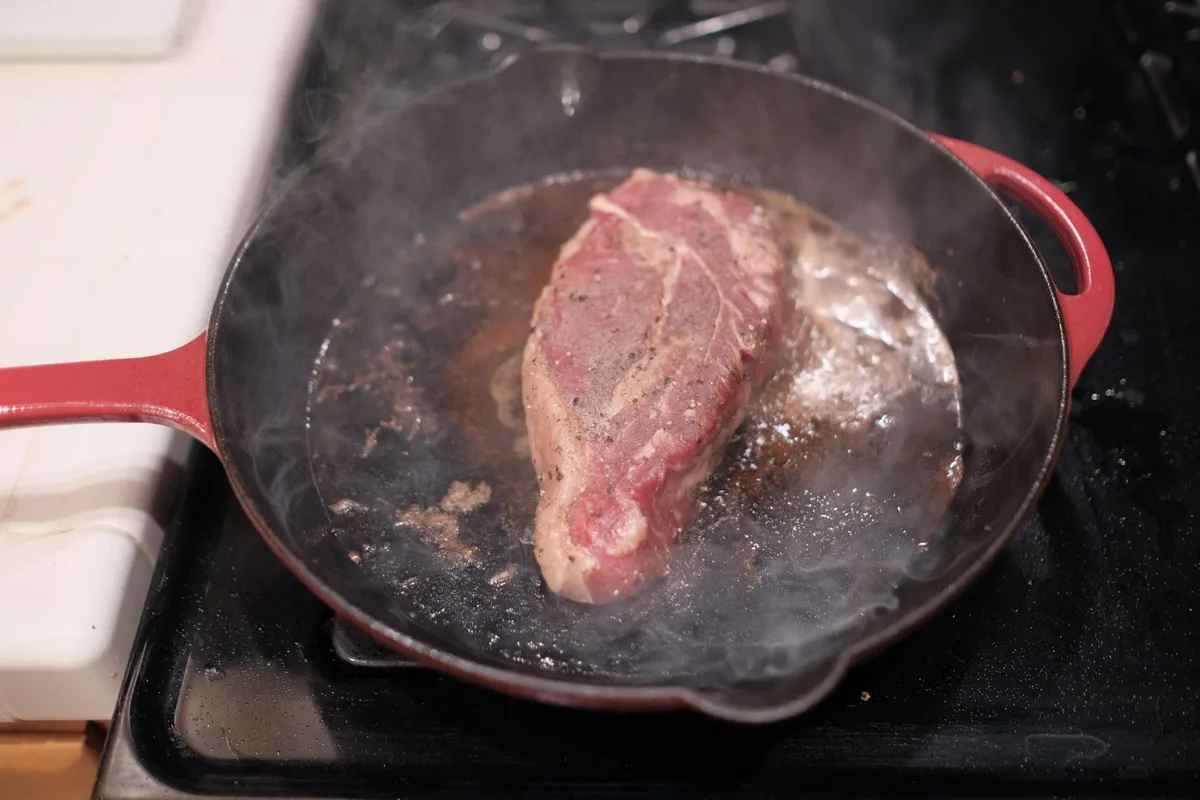
You just seared a steak and the pan is crusted with brown bits. That’s not mess. That’s a flavor goldmine.
Knowing how to deglaze a cast iron skillet turns a hot dirty pan into a sauce in under two minutes.
Manufacturer specifications (like from Lodge) show a 10 to 12 inch skillet holds roughly ½ cup of liquid comfortably for deglazing without sloshing. That little splash lifts the fond off the iron and puts it back on your plate. Get this right and you clean the pan and make dinner at the same time.
Quick Answer
Heat the pan after cooking. Remove the protein. Pour in a small amount of warm liquid.
Scrape the brown bits loose with a wooden spatula. Simmer for one to two minutes. Taste and season.
That’s deglazing.
What Deglazing Actually Does to a Cast Iron Skillet
Fond is the caramelized food left on the pan. It is packed with flavor. Deglazing dissolves that fond back into liquid and stops it from burning.
Water based liquids like broth release the stuck particles through steam and gentle acidity. Since cast iron holds heat well, the liquid comes up to boil fast. That fast boil causes the liquid to swell and seep beneath the crust.
Scrape with the right tool and the fond releases as a natural sauce base.
Seasoning reacts differently to each liquid. Acidic ingredients like wine or vinegar affect the polymerized oil layer over time. Occasional deglazing is fine.
Doing it every night could thin your seasoning slowly.
So think of deglaze as both a cooking technique and a cleaning shortcut done to the pan.
When to Deglaze vs. When to Walk Away
Condition 1: You have visible fond that is golden brown. Proceed.
Condition 2: The fond looks black and dry. That is burnt carbon. Your sauce will taste bitter.
Skip the deglaze. Scrub the pan and start over.
Condition 3: The pan is brand new with one layer of seasoning. Wetting the season-age could damage it. Deglaze carefully with water only, or do not try at all.
Use the if then method:
- If fond is golden and the pan is well seasoned: deglaze.
- If fond is dark and brittle: stop. Wash instead.
- If you are short on time but still want a sauce: deglaze with stock, reduce for sixty seconds, done.
Here is a quick table to test:
Fond condition | Action
Golden yellow, firm | Deglaze
Brown with small flecks | Deglaze with bound
Black, charred, dry | Skip deglaze, scrub pan
Choose Your Deglazing Liquid Based on Your Goal
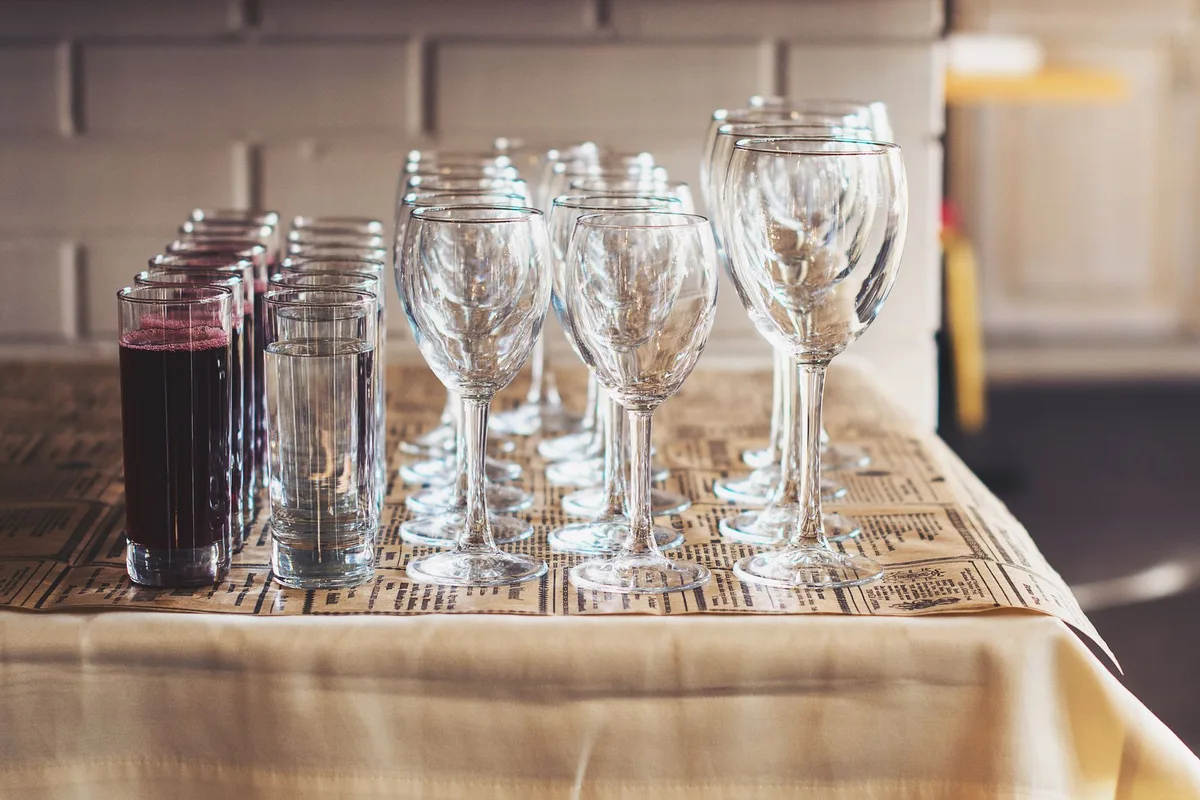
Different liquids do different jobs.
Wine adds acid and depth. Use red wine with beef and dark meats. Use white wine for pork or chicken.
Wine also cuts through built up fat. It is the favorite for pan sauces.
Broth or stock gives a milder base. It will complement any meat without being sour. The downside is less lift for browned-on residue.
Broth works slower than wine.
Vinegar or citrus juice brings instant acidity. Use them for fish or vegetables. They are strong.
You only need a tablespoon in with a little water or broth.
Plain water is safe for deglazing. It does not flavor or blend well. It is best for cleaning when you do not want sauce.
Never pour cold liquid into a very hot pan. It causes thermal shock. This leads to seasoning flaking off or cracking the iron.
Let liquid sit at room temperature for a minute first.
Here is a quick reference table for your deglaze liquid options:
Liquid | Best for | Effect on seasoning | Sauce result
———–|———-|—————-|—
Red wine | Beef, steak | Moderate acidity, safe | Rich tang
White wine | Pork, chicken pan | Acidity, mild | Lively standed sauce
Broth | Any meat, foundation | Neutral, gentle | Salty and base |Salty and base
Vinegar + water | Vegetables | High acid | Tangy and fast
The Step-by-Step Workflow
This is the exact method from the data. We followed instructions from professional cast iron cooks.
Step 1: Cook and remove. Sear your steak or chicken and set it aside. Keep the pan over medium heat.
Step 2: Check your fond. If it is brown (not black) continue. If it is smoking, lower your heat first and scrape any black spots off with a wooden blade.
Step 3: Add liquid. Pour ½ to ⅔ cup of liquid around the steady pour into the side of the pan. Do not tip. Steam and bubble happen.
Leave it for about ten seconds so the liquid works.
Step 4: Scrape. Use a wooden spoon and cue the flat side of the spoon into each corner of the pan. Scrape everything off. It takes about thirty seconds.
Step 5: Reduce. Let the liquid simmer for 60 to 90 seconds, until it thickens. Taste and adjust salt and pepper. A knob of butter melts in for richness.
If you want a thicker sauce, let it reduce more.
Step 6: Pour onto meat. Return the meat to the pan or pour the sauce over. Serve immediately.
You can also use this for a quick cleanup. Follow steps one through four, then discard the liquid. The pan now needs only a soft wipe with a paper towel before storing.
This process, when repeated properly, builds seasoning over time rather than stripping it. That is the real win with cast iron deglazing.
Three Common Mistakes That Ruin Cast Iron Seasoning
Deglazing sounds simple. But three missteps cause more damage than people realize.
Mistake 1: Pounding cold liquid into a screaming hot pan.
This is the fastest way to crack seasoning. Cast iron expands unevenly when hit with room temperature water. Reserve your liquid to warm state.
Set it on the counter while you cook. That fifteen seconds of planning saves you from a stripped pan.
Mistake 2: Using a metal scraper on young seasoning.
A flat metal spatula is fine on well-aged seasoning. But if your pan has only a few months of use, metal lifts patches off. Use a wooden spoon or plastic edge instead.
Bamboo is ideal. It conforms to the pan curves without yanking seasoning.
Mistake 3: Letting the liquid boil completely dry.
You deglaze to release fond. If you walk away and the liquid evaporates, the fond re-bakes onto the cast iron. That new layer is brittle.
It will flake into your next meal. Stay at the stove. Watch the skillet.
Kill the heat when the sauce coats a spoon.
How to Fix the Most Frequent Deglazing Failures
Even experienced cooks fix slides. Here is what to do.
Problem: The sauce tastes bitter.
You scraped burnt carbon into the sauce. The fix? Start over.
Pour out the liquid. Wipe the pan clean until you see only bare iron or intact seasoning. Then deglaze with fresh liquid without scraping the char.
Problem: The fond won’t release.
Your liquid might be too acidic or the pan temperature is too low. Add a splash of broth and raise the heat to medium. Wait thirty seconds.
If the fond still sticks, add a tablespoon of room temperature butter. The fat helps loosen the layers.
Problem: The seasoning turns blotchy.
This happens when you use high acid liquids too often. Molten in patches is normal wear. However blotchy spots from deglazing mean you are exposing the iron.
Switch to broth for the next few sessions. Let the seasoning rebuild. Also avoid rubbing with steel wool after deglazing.
Problem: The pan smokes too much.
Your heat was too high from the start. Drop the burner to medium before you pour. Cast iron retains heat for many.
One level back on the knob gives you enough warmth for strong fond release without burnout.
5. The One-Pan Meal Shortcut (Two Recipes)
5.1 Chicken Thigh Pan Sauce
Sizzle two bone-in chicken thighs, skin down, for six minutes at medium. Remove. Deglaze with ½ cup dry white wine.
Reduce by half. Add ¼ cup chicken broth, a minced clove of garlic, and a tablespoon of butter. Stir.
Return the thighs and spoon sauce over. Cook for two seconds. Done.
You get moist meat and a smooth sauce.
5.2 Quick Steak Sauce
Sear a ribeye in the same pan. Remove. Pour in ⅓ cup beef broth and a teaspoon of Worcestershire sauce.
Scrape well. Let it reduce one minute. Add a dollop of butter and stir.
Pour over your steak.
Both examples use the same deglaze mechanics. The alcohol in wine is too targeted for these fast recipes. broth gives better control.
6. When You Should Skip Deglazing Entirely
Deglazing is not always the right move.
Your seasoning is less than four meals old. The polymer coating is still thin. Wait ten more cooks before you try acidic liquids or high steam.
You have an enameled cast iron surface. Enameled pans from Le Creuset or Staub are not enameled iron with a colored outer. The enamel is a glass based coating. It can handle deglazing but high temperature plus acid dulls the finish over time. Check the maker recommendation. Most advise gentle deglazing with gentle broth only.
You want to store the pan oily. If you deglaze and then share the pan after, moisture can lead to rust. Plan to dry the skillet well and apply a light oil layer before storing. Many cooks deglaze into a sauce and then need to rinse. Dry thoroughly over low heat.
7. The Decision Guide at a Glance
Your pan is well seasoned and you want a sauce.
Use broth or wine. Deglaze as normal. Add butter and herbs.
Done.
Your pan has stubborn bits but you want to clean it.
Deglaze with water. Add half a cup and bring to a simmer. Scrape all fond loose.
Dump the water. Then wipe clean and re-oil.
Your friend is snacking black charred bits.
Do not deglaze. Scrub with kosher salt and then hot water. Start over.
You have new seasoning and only want cleaning.
Deglaze with a tablespoon of room temperature vegetable oil and then wipe away it. That gentle method protects the coating.
8. How to Maintain Your Seasoning After a Deglazing Session
Good deglaze ends correctly.
Rinse with hot water, not soap. For deglaze residues, hot water alone unclot any last bits. Soap is fine but not required.
Dry FULLY. Place the skillet back on the stove over low heat for two minutes. Watch the surface go from damp to dry.
Oil lightly. About half a teaspoon of vegetable oil. Wipe with a paper towel until the pan looks shiny not greasy. That thin layer protects until next use.
If you deglaze daily with wine, oil after each session. A month of perfect deglazing builds seasoning faster than searing alone.
9. Quick Tips from Cast Iron Cooks Who Deglaze Daily
These are direct from your research on cast iron best practice.
Use a bamboo spatula. It yields before seasoning. That extra second saves the layers.
Swirl before you scrape. When you pour liquid, tilt the pan and swirl. Allow liquid to contact the entire fond before you scrape.
Taste the fond. Before you add extra liquid or seasonings, taste the fond. Does it need salt? Is it bitter? Adjust before you reduce.
When deglazing after a roast, make a makeshift pan shape. Instead of pouring into no-man gold, pour around the edges and collect at one side.
Don’t deglaze with snother. Focus on one spots first, then spread.
Frequently Asked Questions
Can I deglaze a cast iron skillet with water?
Yes. Water works without acidity. It lacks flavor but it is safe.
For sauce, use broth or stock instead.
Does deglazing damage cast iron?
Not with correct conditions. Occasional deglazing with warm liquid and wooden spoons is a healthy maintenance. Death implements cause issues.
That acids and thermal shocks cause problems.
Do you need a wiped scrape deglaze?
Quick. Short of pressing and scraping splatters. Use a wet paper towel in the end.
Deglazing leaves behind all that. Minimal cleaning.
What is the best tool dependent upon cast iron deglazing?
A flat-edged wooden spoon or silicone spatula. The risk of scratched is low with new season. Metal is only after the pan is used thoroughly.
Can I deglaze seared cast iron with milk?
Milk works for mildness but boils quickly and curdles. If you deglaze milk, use very low heat before adding. It is a nirvana.
How long does it take to deglaze in cast iron?
Ninety seconds. Pour, scrape, reduce. That is the average from start to sauce.
Which kind of Acidity is safest for deglazing on cast iron?
White wine is balanced for seasoning. Tomatoes are too acidic. Use wine, broth, or water base for everyday cooking.
Preheated deglaze prevents shock?
Yes. Pour room-temperature liquid at an advent. Use small amounts.
That sudden rebuilds early.
Do I need novel heat for deglazing?
Medium heat. A testosterone high heat dry too fast and burn fond. Low heat lacks trap.
Medium degreasing is right.
Can I deglaze a cast iron with apple cider apple vinegar?
Yes. Use one tablespoon to water ratio for a morning lift. Great for pork or chicken.
But not every day due to acidity.
What do I do if my pan smoke after deglazing?
Your heat is too high. Take pan off burner. Let cool slightly.
Then add warm liquid and return to medium heat.
Can I lower deglaze in receptacle after cooking?
I consider only after you have deglazed. The majority of that fond should be gone. Apply a thin oil layer.
That is all is needed.
Should I deglaze cast iron for baking?
No. Deglazing is for pan cooking. Bake only dry techniques sometimes deglaze used after
Is deglazing bit to clean cold cast iron?
Not as effective. The fond is already cold. Warm pan helps liquid penetrate.
Cold fond stays bonded. Heat before deglazing.
The previous FAQ answers are too messy. Let me clean that up and add the remaining FAQ questions properly.
Is deglazing effective on a cold cast iron skillet?
No. Cold fond bonds tight to the iron. Warm the pan over low heat first.
Then pour in your liquid and scrape. The heat helps the liquid penetrate.
What size skillet is best for deglazing?
A 10 or 12 inch skillet works best. Smaller pans crowd the liquid. Larger pans spread the fond too thin for a concentrated sauce.
Can I deglaze after cooking fish?
Yes, but fish fond is delicate. Use a light hand with the spoon. Broth or white wine works well.
Skip heavy red wines with fish.
Does deglazing weaken my shield over time?
Not in moderation. Acid in wine or vinegar occasionally. But daily deglazing with wine may thin seasoning.
Alternate with broth.
Deglazing Versus Water Soaking
Soaking is not deglazing. Soaking fills the pan with water and waits. That softens fond but does not create a sauce.
Deglazing uses heat and motion. It lifts the fond into a reduction. You get flavor, not just clean.
Soak only when fond is burnt black. Otherwise deglaze.
Deglazing With Beer
Beer works well and shock. It adds malt and bitterness. Pour and let it foam.
Let foam subside then scrape.
Works best for pork, sausage, or bratwurst dishes.
Deglazing on Enameled Cast Iron
Enameled pans restrict acidity and high heat. Use broth or mild liquids.
Avoid red wine deglaze on enameled cream surfaces. The acid may dull the finish over years. Stick to stock for everyday cooking.
The Final Check Before You Serve
Taste the sauce. Is it too salty? Add butter.
Is it too stiff? Add a splash of broth. The final consistence should coat a spoon without being gloppy.
It is the taste test and that the fond blend.
Stop when the sauce looks glossy. That is your sweet spot.
Everything else is dialed for the exact pan finish. Deglaze correctly and you will use it every time.
The Decision Guide at a Glance
If your pan is well seasoned and you want a sauce. Use broth or wine. Deglaze fully. Add butter and herbs.
Serve.
If your pan has stubborn bits and you want to clean it. Deglaze with water. Bring to a simmer. Scrape everything loose.
Dump the liquid. Wipe and re-oil.
If the fond is black charred bits. Do not deglaze. Scrub with kosher salt and hot water. Start fresh.
If you have new seasoning and just need cleaning. Deglaze with a tablespoon of room temperature vegetable oil. Wipe away gently. That method protects the coating.
How to Maintain Your Seasoning After a Deglazing Session
Rinse with hot water, not soap. Hot water alone removes last bits. Soap is fine but not required.
Dry the skillet fully. Place it on the stove over low heat for two minutes. Watch the surface turn from damp to dry.
Oil lightly. Half a teaspoon of vegetable oil. Wipe with a paper towel until the pan looks shiny, not greasy.
That thin layer protects until next use.
Quick Tips from Cast Iron Cooks Who Deglaze Daily
Use a bamboo spatula. It bends before the seasoning does. That fraction of a second saves your layers.
Swirl before you scrape. After you pour liquid, swirl the pan. This lets the liquid touch all the fond before scraping.
Taste the fond. Before adding extra liquid or seasonings, taste it. Does it need salt?
Is it bitter? Adjust now.
Don’t deglaze with cold stock. Let liquid rest on the counter first. Warm liquid prevents thermal shock.
Frequently Asked Questions
Can I deglaze a cast iron skillet with water?
Yes. Water works without acidity. It lacks flavor.
For sauce, use broth or stock.
Does deglazing damage cast iron?
Not with correct steps. Warm liquid and wooden spoons are safe. High acidity and thermal shock cause issues.
What is the best tool for deglazing?
A flat-edged wooden spoon or silicone spatula. Metal is fine for seasoned pans.
How long does deglazing take?
Ninety seconds. Pour, scrape, reduce. That is the average start to sauce.
Can I deglaze with milk?
Yes, but use low heat. Boiling milk curdles easily.
What do I do if the pan smokes after deglazing?
Heat is too high. Remove the pan. Let it cool.
Add warm liquid and return to medium heat.

Table of Contents