Hickory is the best wood for broom handles for strength, shock absorption, and grip comfort.
If you want a handle that will not snap, slip, or fatigue your hands, you need the right wood. In this guide, I explain what is the best wood for broom handles, how to judge quality, and which species fit each job. I have tested, repaired, and made handles in shops and homes for years. You will get clear answers, simple steps, and pro tips you can use today.
Why the wood you choose matters
A broom is only as good as its handle. Weak wood bends, cracks, and splinters. Heavy wood feels tough but tires your arm. Smooth wood feels good but can slip when wet.
When people ask what is the best wood for broom handles, they want power and comfort in one stick. The right species balances strength, flex, weight, and feel. That balance is why some handles last years while others fail in months.
What makes a wood ideal
Before picking a species, match the wood to real work. These traits matter most.
Strength and flex
You want high bending strength with a bit of spring. Woods used for tool handles lead here. Hickory and ash are strong and elastic. They handle hard pushes and sudden hits.
Weight and balance
A lighter handle helps with long use. Too light can feel flimsy. Ash, beech, and birch hit a sweet spot. Hickory is heavier but still fine for most people.
Grain and splinters
Straight, tight grain is key. It resists shear and reduces splinters. Look for quarter or rift sawn grain on the surface. Avoid big knots and grain runout.
Shock and vibration
Good shock absorption saves your hands and wrists. Hickory shines in impact tests in tool industries. Ash is close.
Moisture and rot
If you work outside or with water, wood must hold up. White oak resists rot well. Maple and beech need a good finish if they get wet.
Workability and cost
Birch and beech turn well and are common in stores. Hickory is harder to machine but worth it. Poplar is cheap and easy but dents fast.
Sustainability
Choose wood from managed forests. FSC or similar labels are a good sign. Local species reduce transport impact.
These points answer what is the best wood for broom handles for your use, not just on paper numbers.

Top contenders compared
Here is how the most common handle woods stack up. I include how they feel in hand and where they shine.
Hickory
- Pros: Top strength and shock resistance. Flexible without breaking. Long life with heavy use.
- Cons: A bit heavier. Costs more. Needs good drying to prevent warp.
- Best for: Shops, garages, outdoor push brooms, and hard daily work.
- My take: If you want one handle that does it all, pick hickory. It is the best wood for broom handles when duty is high.
Ash
- Pros: Light, strong, and springy. Good grip texture when sanded to 180–220 grit.
- Cons: Less rot resistant. Grain can raise with water.
- Best for: Indoor and dry use, sweeping large floors fast.
- My take: Ash is the smart pick when you want light and quick.
Beech
- Pros: Stable, smooth, easy to finish. Common in Europe for handles.
- Cons: Not great with water. Can bruise with hard knocks.
- Best for: Household brooms and daily sweeping on smooth floors.
- My take: Beech feels friendly in hand. Finish it well.
Birch
- Pros: Even grain, easy to turn, budget friendly. Smooth feel.
- Cons: Moderate dent resistance. Not for heavy hits.
- Best for: Light indoor brooms and dusters.
- My take: Great for price. Check grain for straightness.
Hard maple
- Pros: Very hard and wear resistant. Smooth and clean look.
- Cons: Can feel slick without texture. Heavier than ash or birch.
- Best for: Clean rooms, schools, and places that need a sealed finish.
- My take: Add a wax or light texture to avoid slip.
White oak
- Pros: High rot resistance. Strong and durable outdoors.
- Cons: Heavier. Can feel stiff and hard on joints.
- Best for: Wet areas, garden push brooms, and outdoor decks.
- My take: When water is a given, white oak earns its keep.
Poplar
- Pros: Light and cheap. Easy to shape.
- Cons: Dents and bends under load. Short life with hard use.
- Best for: Temporary or very light duty.
- My take: Fine for a spare broom. Not for a main handle.
Pine and other softwoods
- Pros: Very light and low cost. Common in big box stores.
- Cons: Soft, dings fast, can splinter.
- Best for: Very light indoor use.
- My take: Spend a bit more for birch or beech if you can.
Bamboo
- Pros: Strong for weight, stable, good in humidity.
- Cons: Technically a grass. Surface can be slick.
- Best for: Modern or outdoor use if well finished.
- My take: Works well with a grippy coating.
Based on both lab data used for tool handles and shop use, hickory leads. Ash is a close second for speed and comfort. That is why both often answer what is the best wood for broom handles in pro shops.

Recommendations by use case
Let your work decide your wood.
- Indoor household broom: Beech, birch, or ash. Add a light oil and wax for grip.
- Shop or garage: Hickory first, ash second. Seal the end grain to block moisture.
- Outdoor push broom: Hickory or white oak. Use a tougher finish.
- Wet or garden use: White oak or sealed ash. Keep a towel handy to dry after use.
- Lightweight feel needed: Ash or birch. Choose a smaller diameter if grip is small.
- Cold weather work: Hickory or ash with a wax finish for warm feel.
If you still ask what is the best wood for broom handles, match the job to the wood above and you will be set.

Sizing, ergonomics, and design details
A great handle fits your hand and your height. Small changes add up.
- Diameter: Most adults like 1 to 1.125 inches. Smaller hands may prefer 7/8 inch.
- Length: 54 to 60 inches for most users. Taller users can go to 62 inches.
- Shape: Round is common. A very slight oval improves control.
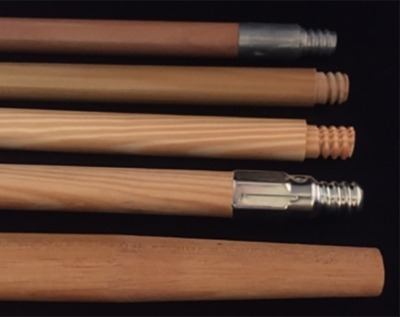
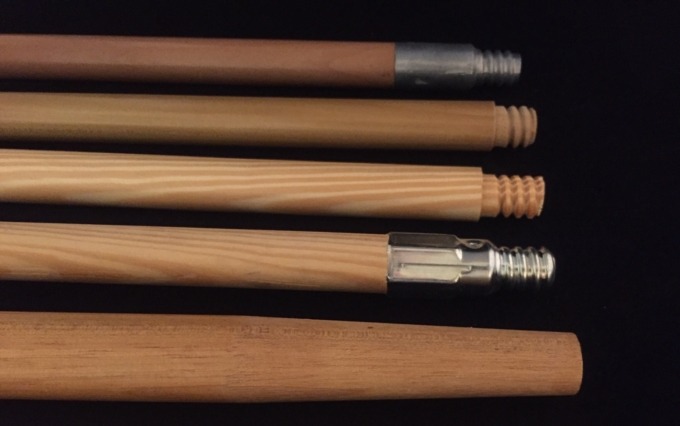
- Threads and tips: Check your broom head. Some use a tapered wood tip. Others use a threaded metal or plastic ferrule.
- End grain: Seal it to stop swelling and cracks.
When people ask what is the best wood for broom handles, size and shape often matter as much as species. Comfort keeps you sweeping longer with less strain.

Finishes and coatings
Raw wood feels warm but can absorb sweat and dirt. A simple finish improves feel and life.
- Sand to 180–220 grit. Round sharp edges.
- Wipe with a light coat of pure tung oil or boiled linseed oil. Let it soak and wipe off extra.
- After dry, apply a thin paste wax. Buff to a satin sheen.
- For wet work, use a wiping varnish or a thin polyurethane on the lower third. Leave the upper grip oiled and waxed for traction.
This setup gives grip where you hold and protection where water hits. It is a proven way to get the most from what is the best wood for broom handles in your setting.
Care, maintenance, and safety
Small habits prevent cracks and splinters.
- Do not leave handles soaking. Rinse and dry if they get wet.
- Store upright or hang to keep them straight.
- Inspect for checks near the ferrule. Sand and oil small spots at once.
- Refresh wax every few months. It takes minutes and pays off.
Treat your handle well and it will stay safe and strong. Care matters as much as what is the best wood for broom handles on day one.

Buying guide and standards
When shopping, let your eyes and hands lead.
- Sight down the handle. It should be straight with tight, even grain.
- Feel for flat spots, tear out, or raised grain. Avoid big knots.
- Pick a weight that feels solid but not tiring.
- Look for sustainably sourced wood.
- Check that the ferrule or threads match your broom head.
If you buy online, read reviews that mention straight grain and finish quality. This helps answer what is the best wood for broom handles from that seller.

DIY: Make your own broom handle
You can make a strong handle with simple tools. It is a fun weekend project.
- Select a straight hickory or ash blank, 1.25 inches square and 60 inches long.
- Plane or shave to round with a spokeshave or use a dowel jig. Aim for 1 to 1.125 inches.
- Taper the tool end a bit and fit a ferrule. Drill a pilot if you add a screw tip.
- Sand, oil, and wax the grip. Varnish the lower third if for wet work.
A DIY handle lets you set your perfect size and feel. It also teaches you what is the best wood for broom handles for your hands.
Frequently Asked Questions of What is the best wood for broom handles?
Is hickory always better than ash?
Hickory is stronger and absorbs more shock. Ash is lighter and feels quicker, which many people prefer for long sessions.
Which wood is best for outdoor brooms?
White oak and hickory do well outside. Seal end grain and refresh the finish to withstand rain and sun.
Are beech and birch good for heavy work?
They are fine for light to medium duty. For heavy, daily work, choose hickory or ash instead.
What diameter should I choose for small hands?
Try 7/8 to 1 inch. A smaller diameter reduces grip strain and improves control.
Do I need a finish on the handle?
Yes, even a simple oil and wax helps. It improves grip, blocks moisture, and makes cleaning easy.
Can bamboo replace hardwood?
Yes for light to medium use if finished for grip. It is stable and handles humidity well.
How long should a broom handle last?
With normal use and basic care, a quality handle can last many years. Heavy shop use may wear it faster, but good woods hold up.
Conclusion
Hickory stands out for raw strength, flex, and shock control. Ash wins on speed and low weight. Beech and birch serve well indoors, and white oak rules where water is common. Choose the species that matches your job, size the handle to your hand, and use a simple oil and wax finish.
Pick one recommendation from this guide and try it this week. Your sweeping will feel easier and faster. Want more practical shop tips like this? Subscribe, share your handle choice, or ask a question in the comments.

Table of Contents