A steam mop cleans sealed floors using hot steam instead of chemicals.
If you want fast, safe floor cleaning, you need to know what is a steam mop and how it works in real life. I’ve tested many models in homes with kids, pets, and messy kitchens. In this guide, I break down what is a steam mop, who it helps most, and how to get top results without guesswork.

How a steam mop works
If you wonder what is a steam mop in simple terms, think hot water plus a microfiber pad. The tool heats water in a small tank until it turns to steam. That steam flows through the mop head, wetting the pad. The hot pad loosens grime and traps it.
Most steam mops reach about 212°F at the pad. That heat helps cut through sticky spots. With enough contact time, it can also reduce germs on sealed floors. For best results, move slowly and keep the pad in contact for a few seconds.

Key benefits and real limits
Before you buy, it helps to ask what is a steam mop good at and where it falls short. In my cleaning work, these gains show up fast.
Benefits:
- Uses only water, so no harsh chemicals on floors
- Dries fast, often in a few minutes
- Helps reduce bacteria with heat and time
- Cuts sticky spills and tracked-in dirt
- Great for busy homes and quick resets
Limits:
- Not safe for unsealed wood or waxed floors
- Heavy grease and oil may need a degreaser first
- Grout lines may need a brush for deep stains
- You often must vacuum or sweep before steaming

Types and features to compare
When people ask what is a steam mop to buy for their space, I tell them to match the tool to the job. There are a few common styles.
Types:
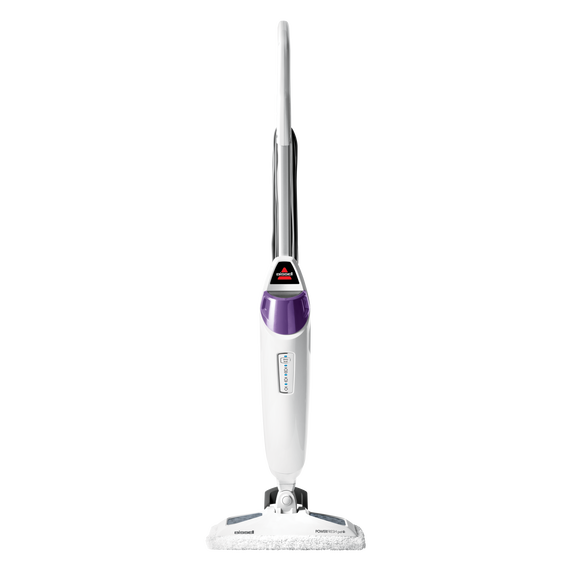
- Basic stick steam mop for daily floors
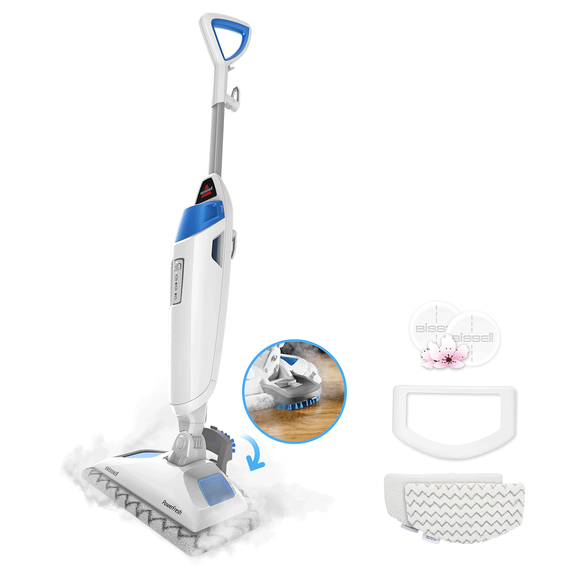
- Two-in-one with a lift-off handheld steamer
- Canister steam system for floors and above-floor areas
Features to weigh:
- Heat-up time in seconds
- Water tank size and run time
- Steam control for light or heavy mess
- Pad shape and swivel for edge reach
- Cord length and weight for easy moves
- Limescale filter and removable tank for care
- Safety features like auto shutoff and parking lock
How to use a steam mop step by step
This is where what is a steam mop becomes a time saver. A few simple steps make a big difference.
- Vacuum or sweep first to remove grit.
- Fill the tank with distilled water if you have hard water.
- Attach a clean pad and power on.
- Let it heat fully. Check the ready light.
- Start in a far corner. Work toward the exit.
- Use slow passes. Give the pad a few seconds on sticky spots.
- Flip or change pads when they get dirty.
- Wash pads after use. Air dry to keep them fluffy.
Pro tips I rely on:
- Use two pads for large rooms to avoid streaks.
- Crosshatch your passes for even results.
- Turn on a fan for faster dry time.

Safety, floor types, and when not to use it
A common part of what is a steam mop safety talk is floor health. Heat and moisture can harm some surfaces. When in doubt, test a small spot.
Usually safe when sealed:
- Ceramic or porcelain tile
- Sealed hardwood and quality laminate
- Sealed stone and grout
- Vinyl plank and sheet vinyl
- Linoleum
Avoid or test with care:
- Unsealed or oiled wood
- Waxed floors
- Poorly sealed laminate with raised seams
- Unsealed stone like soft marble or limestone
- Painted floors not rated for moisture
Keep kids and pets away from the hot head. Do not leave the mop in one spot with steam on. Check your floor maker’s advice before you start.

Cleaning performance: what to expect
People ask what is a steam mop able to handle day to day. Here is what I see in the field. It lifts dried juice, paw prints, and kitchen film well. It freshens grout and lowers odors from pet accidents.
Heavy grease may need a pre-spray. Old wax, deep grout stains, or paint spots need other tools. Steam helps reduce many germs with enough heat and time. Claims of 99.9 percent depend on contact time, pad cleanliness, and floor type. Treat steam as a hygiene boost, not a medical-grade sanitizer.
Maintenance and troubleshooting
Good care keeps what is a steam mop working like new. Most issues come from scale or dirty pads.
Do this often:
- Use distilled water if your tap water is hard
- Descale on a set schedule per the manual
- Wash pads hot with no fabric softener
- Keep spare pads on hand
Fix common problems:
- No steam: prime the pump, clear the nozzle, descale
- Leaks: seat the tank, inspect seals, replace gaskets
- Streaks: switch to a clean pad, move slower, rinse the pad mid-job
- Odor: wash pads extra hot, run a clean cycle, air dry fully
Steam mop vs other floor tools
Another way to frame what is a steam mop is by comparing it to your options. Each tool has a place.
- Sponge or string mop: cheap but leaves more water behind
- Spin mop: faster drying but still needs a bucket and cleaner
- Spray mop: quick with light cleaner, not as strong on stuck mess
- Robot mop: hands-free on light dust, not for heavy grime
- Canister steam cleaner: powerful and versatile, slower to set up
Steam mops land in the sweet spot for daily care on sealed floors. They are fast, light, and chemical-free.
Buying guide and budget ranges
When friends ask what is a steam mop worth buying, I look at value and support. Pads should be easy to buy, and the warranty should be clear.
Typical price tiers:
- Entry level under 60 dollars for small spaces
- Midrange 70 to 120 dollars for most homes
- Premium 130 to 250 dollars with better steam control and accessories
Check return policy, pad cost, and parts. If you have lots of tile or pets, consider a two-in-one with a handheld unit for corners and grout.
Cost and eco impact
Part of what is a steam mop appeal is low waste. You use water, not bottles of cleaner. Washable pads cut trash. Energy use is small for each session.
Over a year, most families cut cleaner costs. Pads last dozens of washes if you skip fabric softener. It is a simple way to clean well and tread lighter.
Frequently Asked Questions of what is a steam mop
Is a steam mop safe for hardwood floors?
Yes, if the hardwood is sealed and in good shape. Keep the mop moving and use low steam to avoid damage.
Does a steam mop disinfect floors?
Steam can reduce many germs with enough contact time. It is a hygiene boost, but do not treat it as a medical-grade disinfectant.
Can I use tap water in a steam mop?
You can, but hard water can cause scale. Distilled water helps prevent clogs and extends the life of the heater.
Can I add vinegar, soap, or essential oils to the tank?
Do not add anything unless the maker says it is safe. Add-ons can harm seals, clog the heater, and void the warranty.
Will a steam mop clean grout lines?
It helps lift surface soil and brighten grout. Deep stains may still need a grout brush and a targeted cleaner.
How often should I use a steam mop?
For busy homes, two to three times a week works well. For light traffic, once a week and spot touch-ups are fine.
What floors should never be steam mopped?
Avoid unsealed wood, waxed floors, and unsealed stone. If you are unsure, test a small area or ask the floor maker.
Conclusion
You now know what is a steam mop, how it works, and when to use it. It is fast, simple, and gentle on sealed floors when used right. With clean pads and good technique, you can cut grime and skip harsh chemicals.
Try the steps in one room this week and note the dry time and shine. If it fits your floor type and routine, build it into your weekly clean. Have questions or a tricky floor? Drop a comment, subscribe for new tips, or explore our other guides to choose the best steam mop for your home.

Table of Contents