A microfiber mop is a reusable floor mop with ultra-fine fibers that grab dirt fast.
If you have ever wondered what is a microfiber mop and why people swear by it, you are in the right place. I test cleaning tools for a living, and I’ve used microfiber mops in homes, offices, and clinics. In this guide, I’ll explain how they work, which type to buy, and how to use them for spotless floors with less effort.
How Microfiber Works
To understand what is a microfiber mop, start with the fibers. Microfiber is a blend of polyester and polyamide (nylon). The fibers are split very fine. Each strand is thinner than a human hair. These tiny strands create more surface area. They grab dust, hair, and grime like a magnet.
Two forces make it work. Static charge pulls dry dust. Capillary action lifts oily soil when damp. Lab tests show microfiber can remove most microbes with only water. This is why hospitals use it. It reduces water and chemical use. It also leaves less residue, which means fewer streaks and faster dry times.
Types of Microfiber Mops
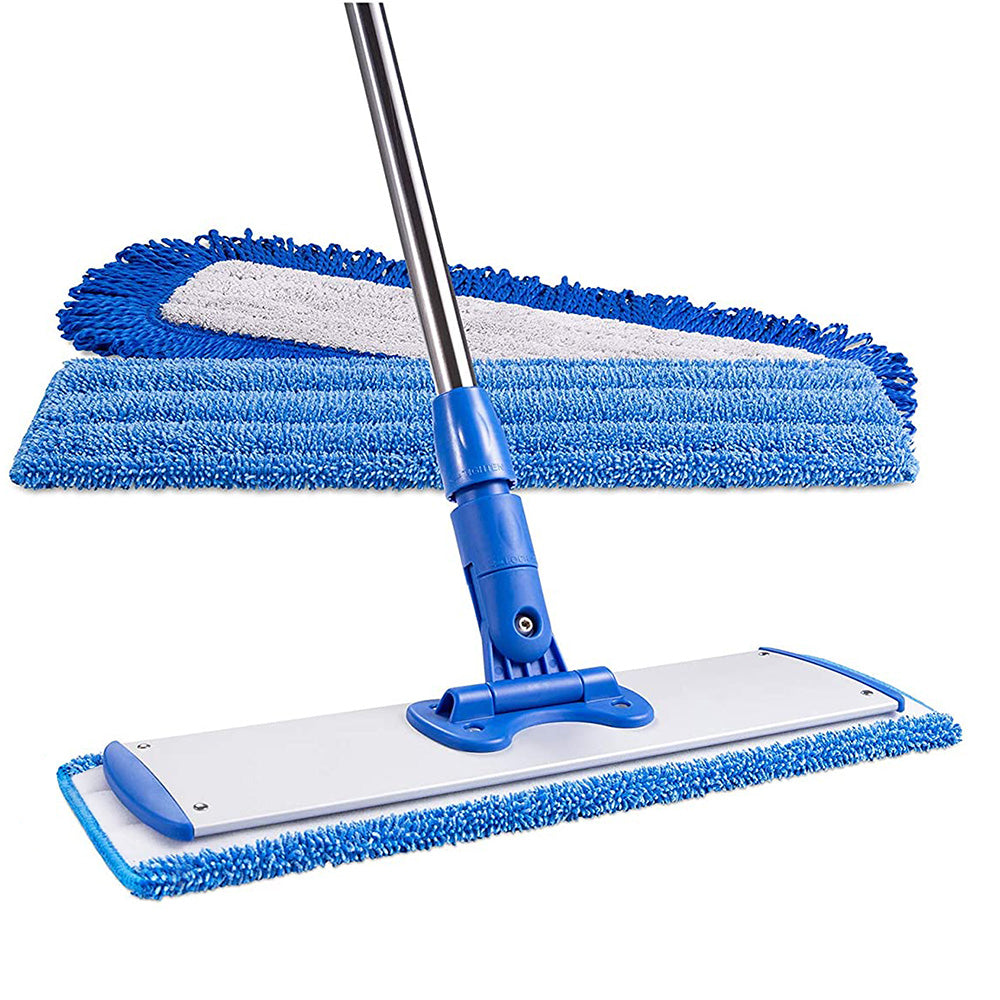
Shoppers often ask what is a microfiber mop in terms of types. The short answer: it comes in several heads and pads. Each type fits a job.
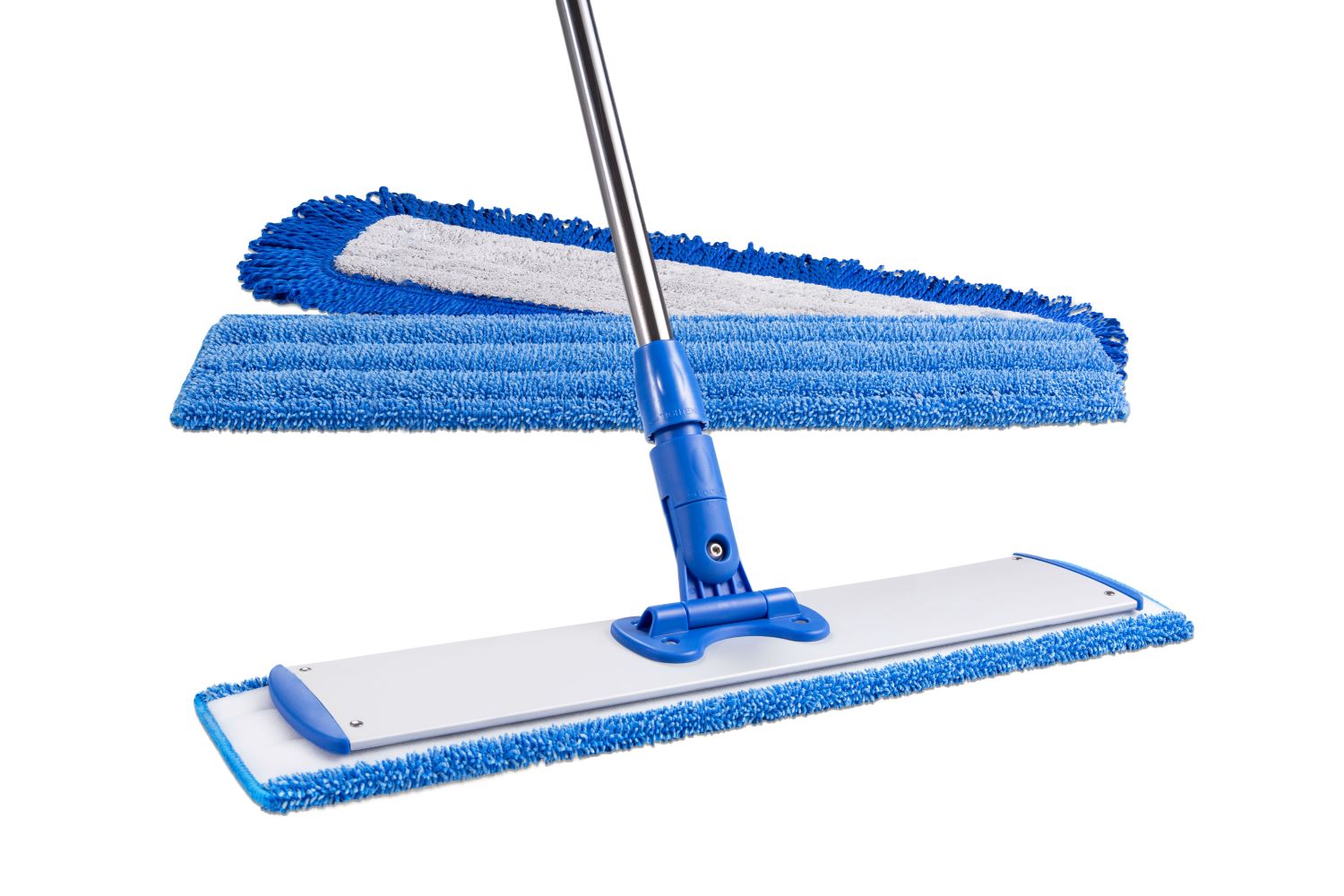
- Flat pad mop: A slim pad that sticks with hook-and-loop or pockets. Great for daily cleaning and tight spaces.
- Dust mop (dry): Long or chenille fibers that act like a duster for floors. Best for pet hair and fine dust.
- Wet mop: Short pile pad for scrubbing stuck spots. Ideal for kitchens and bathrooms.
- Spray mop: Built-in bottle and trigger. Handy for quick clean-ups.
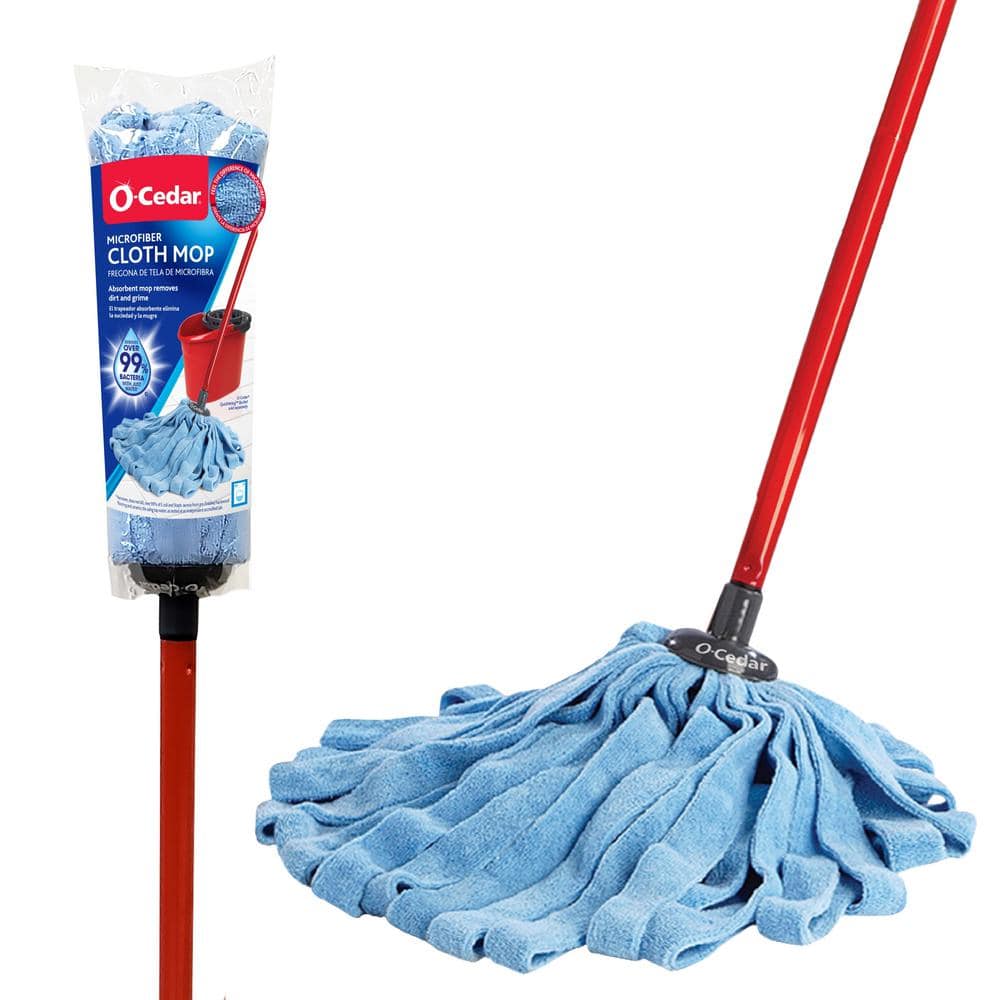
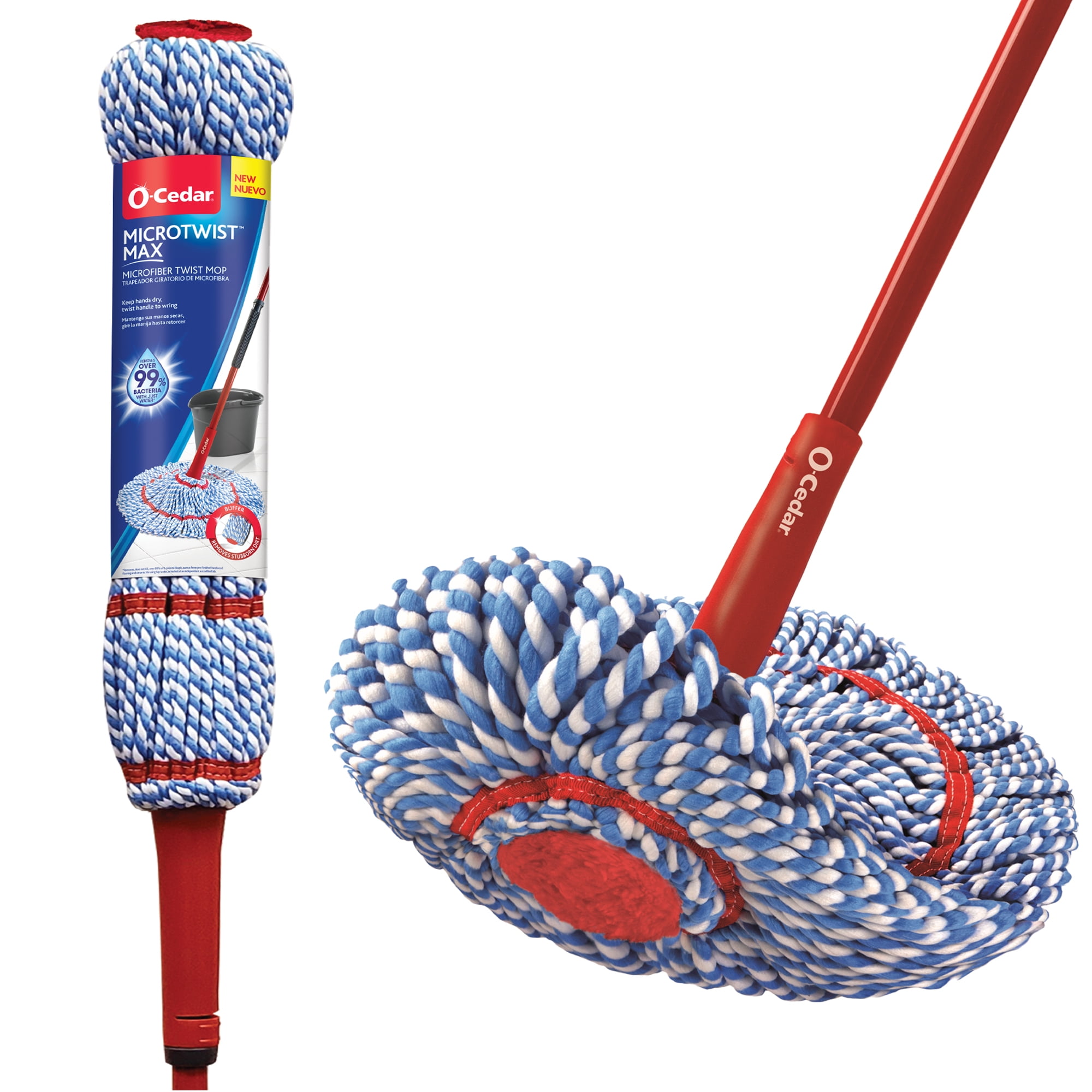
- Spin or bucket system: Uses a wringer. Good when you need more water control.
- Steam mop pads: Microfiber pads that attach to steam units. Check heat limits before use.
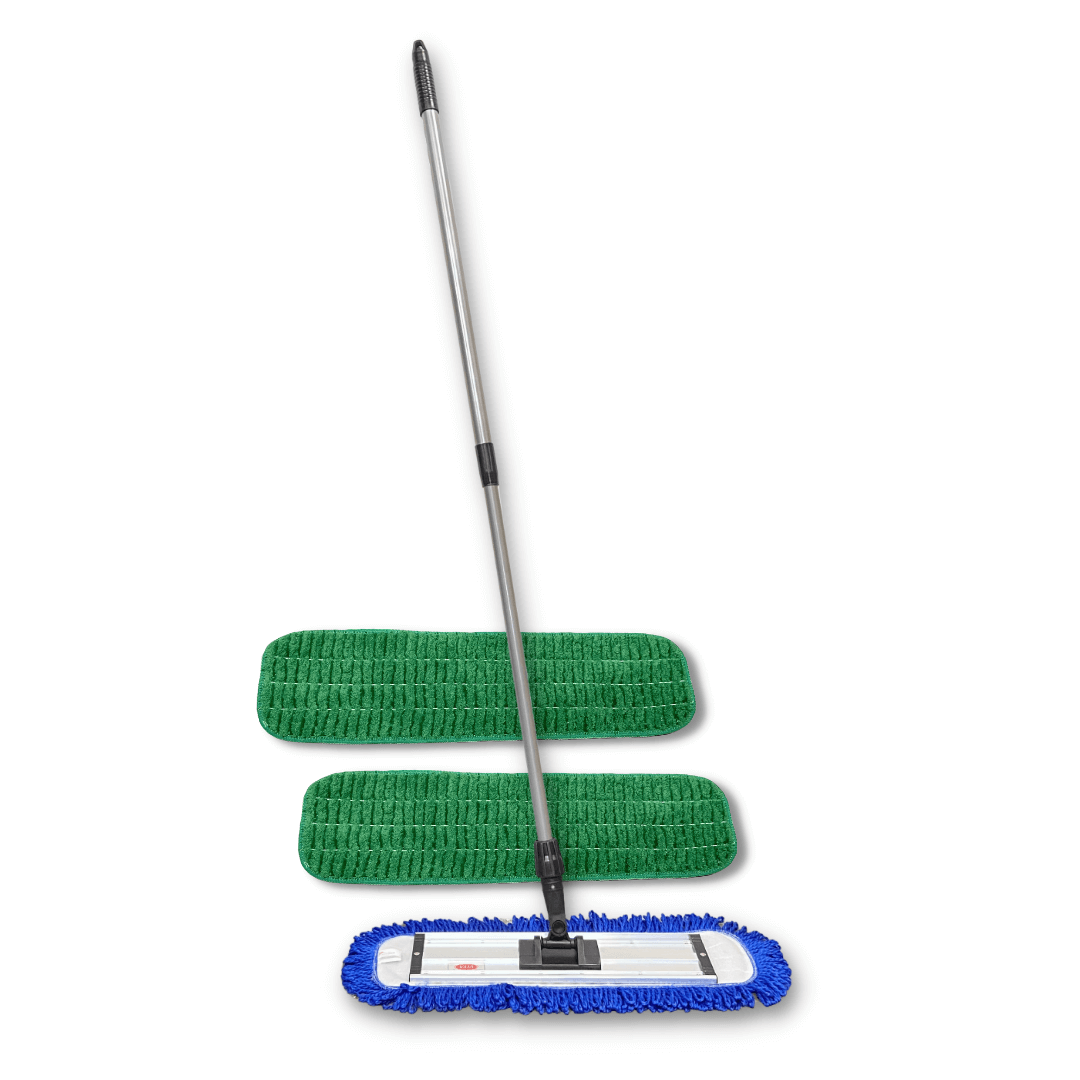
Match pad pile to the task. Long pile traps hair. Short pile scrubs and reduces streaks. Color-coded pads help prevent cross-contamination.
Benefits and Drawbacks
When people ask what is a microfiber mop good for, I point to clear gains. It cleans fast and with less effort.
Benefits:
- Excellent dust and dirt pickup with minimal water.
- Safer for wood and laminate since it dries fast.
- Reusable pads cut waste and long-term cost.
- Less chemical use helps indoor air quality.
- Light weight reduces strain on wrists and back.
Drawbacks:
- Can leave streaks if the pad is too wet or dirty.
- Needs proper washing. Fabric softeners can ruin it.
- Microfibers can shed in laundry. Use filters or wash bags.
- Some pads lose grip on very rough stone.
With the right prep, most issues fade. Swap pads often. Keep them clean. Use a light spray, not a soak.
How to Choose the Right Microfiber Mop
If you are still unsure what is a microfiber mop to buy, use these simple checks.
- Pad size: 16–18 inches is great for rooms. 24+ inches suits large, open areas.
- Blend ratio: 70/30 or 80/20 polyester to polyamide. More polyamide often means better absorbency.
- Pile and GSM: Short pile for tile and streak-free glass. Medium pile is all-purpose. High GSM pads hold more liquid.
- Frame and swivel: Low-profile heads reach under furniture. A 360-degree swivel saves time.
- Handle: Look for a light, sturdy, telescoping handle.
- Attachment: Hook-and-loop is fast. Pocket sleeves are secure.
- Color coding: Use different colors for kitchen, bath, and living spaces.
Buy two to three pads per area. This limits cross-contamination and boosts speed.
How to Use a Microfiber Mop
New users often ask what is a microfiber mop routine that works every time. Here is a simple plan I teach clients.
- Dry dust first. Pick up hair, sand, and crumbs with a dry pad.
- Pre-wet a clean pad with water or a mild floor cleaner. Wring until damp, not dripping.
- Mop in overlapping figure-eight strokes. Keep edges tight and lift debris toward you.
- Swap pads as they load up. Do not push a dirty pad around.
- For sticky spots, spray, let it sit for one minute, then mop.
- Let the floor dry. It should dry in minutes.
On wood and laminate, use very little liquid. On tile, you can use a bit more.

Cleaning and Caring for Pads
To keep seeing the value of what is a microfiber mop, care for the pads. Good care extends life and performance.
- Wash in cold or warm water. Hot water is fine if the maker allows it.
- Use a mild detergent. Avoid fabric softener and bleach.
- Wash microfiber separate from cotton to avoid lint.
- Air-dry or tumble on low. High heat can melt fibers.
- Disinfect with peroxide-based cleaners if needed. Rinse well.
- Store clean, dry pads in a sealed bin.
Quality pads can last 300–500 wash cycles. Replace when they lose grab or start to smear.

Microfiber vs. Cotton, Sponge, and Steam
People compare what is a microfiber mop to old-school cotton. Microfiber wins in many ways.
- Cotton string mops use more water and can leave lint. Microfiber uses less water and leaves fewer streaks.
- Sponge mops push water into grout. Microfiber pads glide and lift soil off the surface.
- Steam with microfiber pads can sanitize. Check pad and floor heat limits. Adhesives on some pads may weaken with high heat.
In tests, microfiber removes more fine dust and bacteria than cotton, often with just water. It also weighs less, which eases daily cleaning.
Floor Safety and Allergens
A key part of what is a microfiber mop is its safety on floors. Microfiber is safe on sealed wood, tile, vinyl, and laminate. It also works on stone, but test first on soft stones like marble or limestone. Avoid soaking wood or unsealed floors.
Microfiber traps pollen, dander, and dust. This helps people with allergies. Use dry dusting before a damp clean for best results. It reduces airborne particles and helps rooms feel fresh.

Cost, Sustainability, and ROI
The big picture of what is a microfiber mop includes cost and impact. Pads cost more than disposable sheets at first. But they pay off fast.
- Lower chemical use means savings and fewer fumes.
- Less water use helps the planet and your bill.
- Long pad life spreads out the cost.
Microfiber can shed in the wash. Use a wash bag or a laundry filter to catch fibers. Wash full loads to reduce friction and shedding.
Common Mistakes and How to Fix Them
Users who ask what is a microfiber mop mistake most often hit the same issues. Here is how to fix them.
- Streaks: Pad is too wet or dirty. Wring well and swap pads often.
- Smell: Pads were left damp. Wash and dry fully after each use.
- Poor pickup: Fabric softener coated the fibers. Strip with hot water and a bit of vinegar, then rinse well.
- Pad not sticking: Clean the hook-and-loop strip. Remove lint and hair.
- Dirt lines at edges: Overlap passes and flip the pad edge to pull soil in.
These small tweaks bring back that like-new glide and shine.
Frequently Asked Questions of what is a microfiber mop
What is a microfiber mop made of?
It uses polyester and polyamide fibers split into ultra-fine strands. This split design traps dust and absorbs liquid better than cotton.
Can I use only water with a microfiber mop?
Yes, for most daily cleaning, water works well. For greasy kitchens or bathrooms, add a mild, pH-neutral cleaner.
Is a microfiber mop safe for hardwood floors?
Yes, if the floor is sealed and you use a damp, not wet, pad. Wring well and dry the floor fast.
How often should I wash microfiber pads?
Wash after each cleaning session. If you clean many rooms, change pads during the job and wash them all at the end.
Why shouldn’t I use fabric softener on microfiber?
Softener coats fibers and blocks their tiny hooks. This reduces pickup and can cause streaks.
Can microfiber remove bacteria without chemicals?
It can remove many microbes through mechanical pickup. For disinfection, use an approved disinfectant and follow label dwell times.
Conclusion
You came here to learn what is a microfiber mop, and now you know why it earns its praise. It cleans fast, wastes less, and works on most floors with simple care. With the right pad, a light touch, and good washing habits, your floors will look great day after day.
Pick one pad for dust, one for damp cleaning, and put them to work this week. If you want more tips, subscribe, ask a question in the comments, or explore my step-by-step floor care guides.

Table of Contents