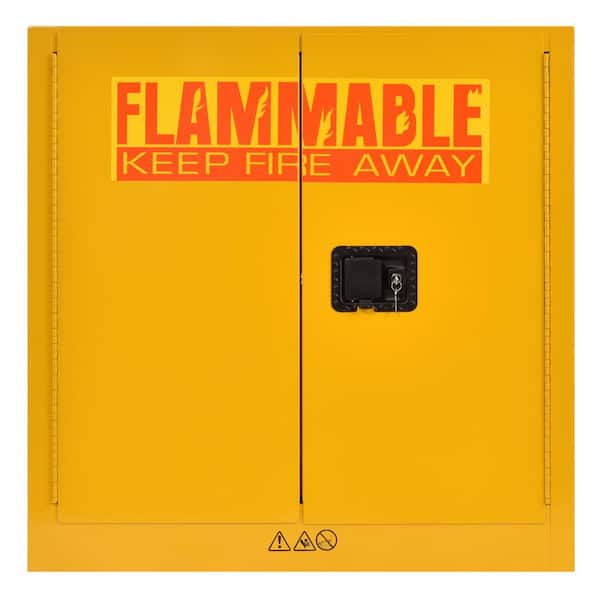
A flammable storage cabinet is a fire-resistant cabinet for storing flammable liquids safely.
If you want a simple, trusted guide on what is a flammable storage cabinet, you are in the right place. I have set up dozens in labs, shops, and warehouses. I’ll explain how they work, which rules apply, and how to pick and use one without guesswork.
What is a flammable storage cabinet?
If you are asking what is a flammable storage cabinet, think of it as a protective box. It slows fire from reaching flammable liquids. It also keeps small spills inside the cabinet. That buys time and reduces risk.
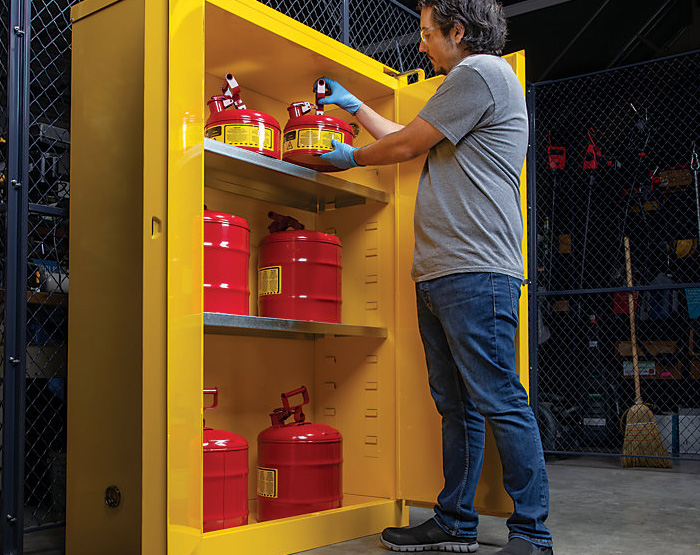
Put simply, what is a flammable storage cabinet? It is a metal cabinet with a fire-tested build. It has a latch that locks in three points. It has a leak-proof sump at the bottom. It is designed to hold approved cans, bottles, and drums.
When people search what is a flammable storage cabinet, they often want clarity on use. You use it to store fuels, solvents, and similar liquids. You do not use it for acids or oxidizers unless the unit is rated for them.
Key facts at a glance:
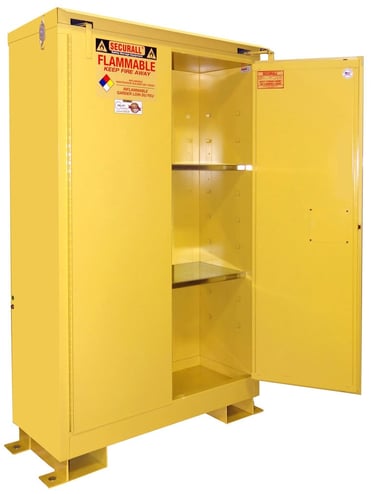
- Made of 18-gauge steel or thicker with a double wall and air gap
- Self-closing or manual doors depending on code
- Three-point latch that holds firm in heat
- Labels that warn of flammable contents
- A 2-inch leak-proof sump for spills
Understanding what is a flammable storage cabinet helps you cut fire risk. It also keeps you aligned with safety rules that inspectors use.
Why they matter and who needs one
Flammable liquids release vapors. Vapors can ignite fast. A cabinet keeps vapors contained and shields them from heat. This reduces the chance of a flash fire.
You need one if you store paints, thinners, fuels, or solvents. That includes labs, makerspaces, auto shops, print shops, schools, and home workshops. If you wonder what is a flammable storage cabinet in your context, it is your first line of defense.
In my work, I have seen a small spill become a near-miss. A cabinet stopped a flame from reaching the solvent cans. It turned a bad day into a safe one.
Standards and regulations you should know
Codes vary by place, but most align with well-known standards:
- OSHA 29 CFR 1910.106 sets storage rules for flammable and combustible liquids.
- NFPA 30 defines cabinet design and use in detail.
- The International Fire Code and local fire marshals may require self-closing doors.
- FM or UL listing shows a cabinet passed performance tests.
Capacity limits matter. A typical cabinet can hold:
- Up to 60 gallons of Category 1, 2, or 3 flammable liquids
- Up to 120 gallons of Category 4 combustible liquids
Always check local rules. If you ask what is a flammable storage cabinet under your code, it is a cabinet meeting OSHA and NFPA, plus any local fire code add-ons.
How a flammable storage cabinet works
A good cabinet slows heat transfer. Double walls with a 1.5-inch air gap help. Doors often self-close with a fusible link that melts in heat. The three-point latch resists warping under fire.
Key design features:
- Double-walled steel with insulating air space
- Self-closing or manual doors based on code
- Continuous piano hinges for strength
- Raised, welded sump to hold spills
- Grounding lug for bonding when needed
So, what is a flammable storage cabinet doing during a fire? It delays heat, controls oxygen exposure, and contains spills so responders have time to act.

What to store and what to keep out
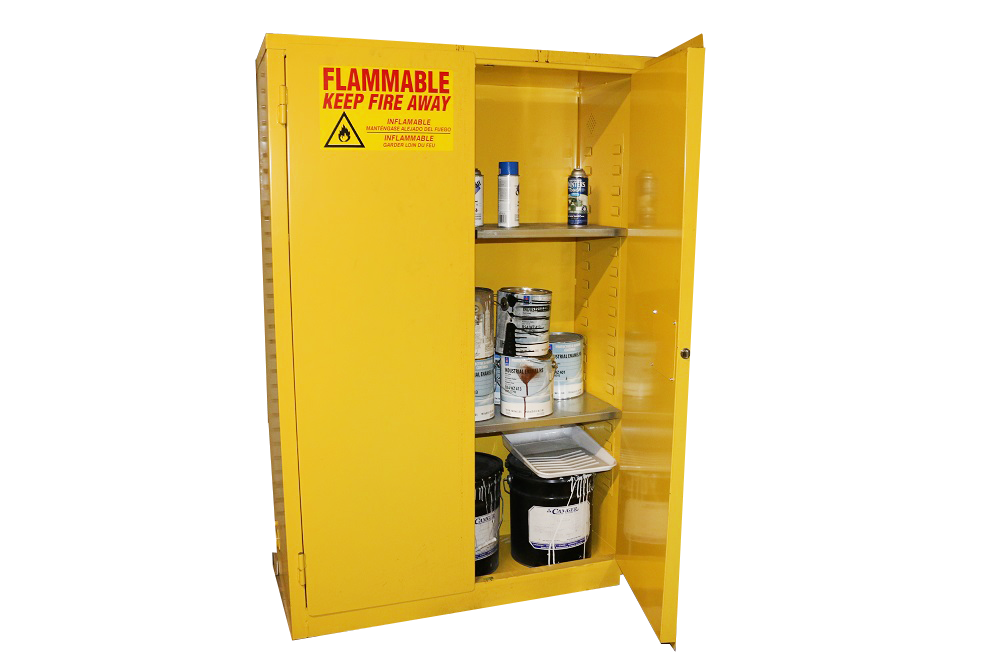
Store only liquids that are flammable or combustible and approved for the cabinet. Keep containers closed and in good shape. Use safety cans when possible.
Do not store:
- Acids, bases, or corrosives unless the cabinet is rated for them
- Oxidizers or peroxide formers with flammables
- Gas cylinders, explosives, or reactive chemicals
- Paper towels, rags, or general clutter
A common question is what is a flammable storage cabinet for mixed chemicals. The answer is simple. Segregate by hazard class and keep incompatibles apart.

Picking the right size and type
Match the cabinet to your real storage needs. Avoid overbuying or cramming.
Consider:
- Capacity: 12, 30, 45, 60, and 90 gallons are common sizes
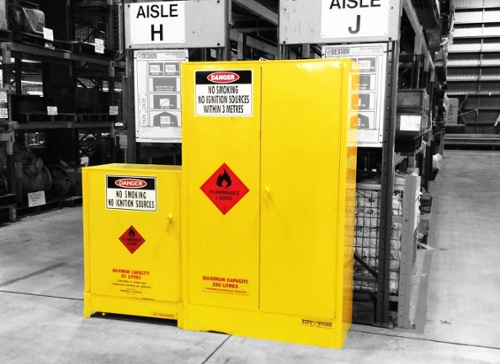
- Format: countertop, under-bench, wall-mount, or tall floor units
- Door style: manual or self-closing, single or double
- Use case: labs, shops, or drum storage
- Approval: FM or UL listed for confidence
If your team wonders what is a flammable storage cabinet size that fits, count containers first. Then pick one size up for growth.

Setup, placement, and ventilation
Place the cabinet on a level floor. Keep the path clear. Avoid direct sunlight and heaters. Do not block exits or electrical panels.
About vents:
- Most codes say do not vent unless your authority requires it.
- If you must vent, use fire-damped ducting and keep the fire rating.
- Keep factory bungs closed if not venting.
Grounding:
- Bond and ground when dispensing from metal drums to prevent static.
- Use bonding wires and a verified ground point.
When folks ask what is a flammable storage cabinet best practice for placement, I say keep it visible, reachable, and away from ignition sources.
Daily use and maintenance best practices
Make the safe choice the easy choice. Keep it simple.
Do this:
- Label every container with name and hazards
- Keep doors closed and latched
- Store heavy cans on lower shelves
- Use trays for small bottles to catch drips
- Inspect weekly for leaks, dents, broken latches, and blocked vents
- Clean the sump if a spill occurs
Train your team on what is a flammable storage cabinet and why it matters. Five minutes of training beats one hour of cleanup.

Common mistakes and how to avoid them
I see the same pitfalls in the field. They are easy to fix.
Avoid:
- Storing acids with solvents
- Venting the cabinet without proper fire-safe ducting
- Overloading shelves or stacking unstable cans
- Using it as a general storage closet
- Ignoring local rules on self-closing doors
If you are unsure what is a flammable storage cabinet requirement in your city, call the fire marshal. They will tell you exactly what they expect.
Real-world story and lessons learned
At a small auto shop, a rag can smoldered near a bench grinder. The flame licked a nearby wall. The shop kept its thinners in a proper cabinet. The fire never reached the liquids. It was out in minutes.
Lessons:
- Distance matters
- Doors must stay closed
- The right cabinet changes outcomes
When your team understands what is a flammable storage cabinet, they respect it. They use it right, every time.
Buying tips and trusted certifications
When you buy, look for:
- FM Approved or UL listed labels
- Weld quality and door fit
- Sturdy shelves with load ratings
- Clear, durable warning labels
- Warranty and parts support
Ask vendors direct questions:
- Is it compliant with OSHA 1910.106 and NFPA 30?
- Are doors self-closing if my code requires it?
- What is the spill sump volume?
- Can I add drum rollers, trays, or extra shelves?
If your boss asks what is a flammable storage cabinet value add, show the reduced risk, code compliance, and insurance benefits.
Frequently Asked Questions of what is a flammable storage cabinet
What liquids must go in a flammable storage cabinet?
Store fuels, solvents, alcohols, and similar liquids with low flash points. Check the SDS for the flash point and category.
Do I need self-closing doors?
Many fire codes require them, even if OSHA allows manual doors. Ask your local fire marshal or building official.
Should I vent my cabinet?
Do not vent unless your authority requires it. Venting wrong can reduce fire protection and break compliance.
How many cabinets can I have in one area?
Limits vary by code and building use. Some codes restrict the number of cabinets per fire area or per control zone.
Can I store corrosives in the same cabinet?
No, unless the cabinet is designed and rated for corrosives. Keep incompatibles apart to prevent dangerous reactions.
How often should I inspect the cabinet?
Check weekly for spills, damage, and proper labels. Do a more detailed inspection each quarter and document it.
What size should I choose?
Count your containers and add room for growth. Pick a size that avoids stacking and keeps heavy cans low.
Conclusion
A flammable storage cabinet is a simple, proven way to cut fire risk fast. It slows heat, contains spills, and keeps your shop or lab compliant. If you still wonder what is a flammable storage cabinet in your setting, it is the safe home for your flammable liquids.
Take action today. List your flammables, choose the right cabinet, and train your team. Have questions or a story to share? Drop a comment and subscribe for more clear, field-tested safety guides.

Table of Contents