Sprinkle baking soda, let it sit, then vacuum to remove odors and light stains.
If you want a safe, budget-friendly way to refresh floors, you’re in the right place. I’ve cleaned countless rugs and rooms, and I’ll show you how to use baking soda on carpet the right way. This guide goes deep: what works, what fails, and how to avoid damage. Stick with me to learn practical steps you can use today.
:max_bytes(150000):strip_icc()/baking-soda-for-carpet-6823344_18-d948cfa8b5834915829d0af3476e66b6.jpg)
Why baking soda works on carpet
Baking soda is a mild alkaline powder. It absorbs odors and helps loosen light grime. It does not fix every stain, but it is great for smells and simple cleanups.
It is safe on most synthetic carpets if you use it right. It is also low-cost and easy to find. If you want to know how to use baking soda on carpet without risk, start with a small test spot.
From my experience, baking soda shines on musty rooms and pet smells. It also helps reduce food and smoke odors. It is not a cure for dye or rust stains.
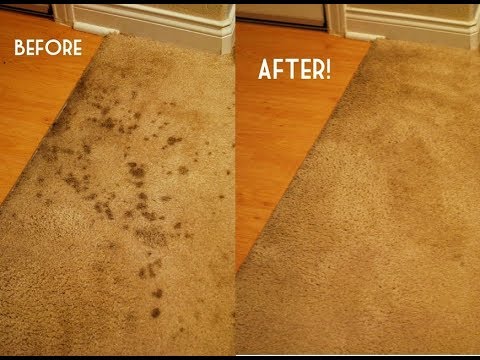
Safety checks and prep
A little care up front prevents damage and mess. Here is what to do before you start.
- Check the label on your carpet. Wool, silk, jute, and sisal need extra care.
- Do a spot test. Sprinkle a pinch in a hidden area. Wait 15 minutes, then vacuum.
- Use a dry carpet only. Moisture plus powder can form clumps.
- Swap in a HEPA bag or clean your vacuum filter. Baking soda is very fine.
- Keep pets and kids away while powder sits.
These steps are key if you want to master how to use baking soda on carpet and protect your vacuum and floors.
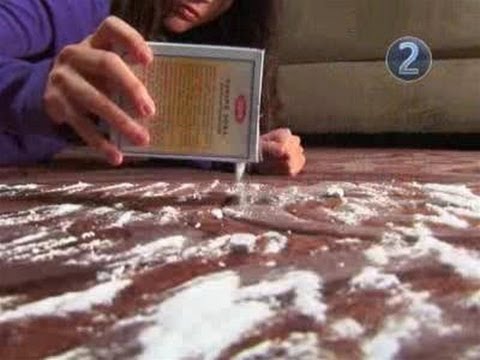
Step-by-step: how to use baking soda on carpet for whole-room deodorizing
This is the simple freshen-up method I use after parties or humid weeks.
- Clear the floor. Pick up toys and small items.
- Vacuum first. Remove loose dust and grit.
- Sprinkle a thin, even layer of baking soda. Use about 1–2 cups for a medium room.
- Work it in gently with your hand or a soft brush. Do not scrub hard.
- Let it sit 30–60 minutes. For strong odors, leave it overnight in a dry room.
- Vacuum slowly in two directions. Go north-south, then east-west.
Tips from the field:
- Open windows if you can. Fresh air speeds odor lift.
- If you wonder how to use baking soda on carpet in humid areas, use fans to keep it dry.
- Repeat once more for stubborn smells.

Fresh spills and light stains
For fresh, wet messes like juice or coffee, speed matters.
- Blot the spill at once with paper towels. Press. Do not rub.
- Sprinkle baking soda over the damp spot. You should see it start to clump as it absorbs.
- Wait 15–30 minutes until the area looks dry on top.
- Vacuum the powder. If a faint mark remains, mist with plain water, blot, and repeat.
Extra tips:
- For dairy or food odors, add a second round of baking soda.
- If you ask how to use baking soda on carpet for quick kitchen spills, this is the method that saves the day.
Pet odors, smoke, and musty rooms
Set-in smells need more contact time and sometimes a two-step routine.
Pet accidents
- If fresh, blot first. If old, mist the area with warm water.
- Sprinkle a generous layer of baking soda.
- Cover with a dry towel and place a book on top. Weight helps contact.
- Leave 8–12 hours. Vacuum well.
- If odor lingers, apply an enzyme cleaner per label, then use baking soda again after it dries.
Smoke and mildew smells
- Air out the room. Run fans and open windows.
- Apply a thin coat of baking soda over the carpet.
- Leave overnight. Vacuum in two directions.
- For very strong smoke, repeat. This is how to use baking soda on carpet when you move into a new home with stale air.
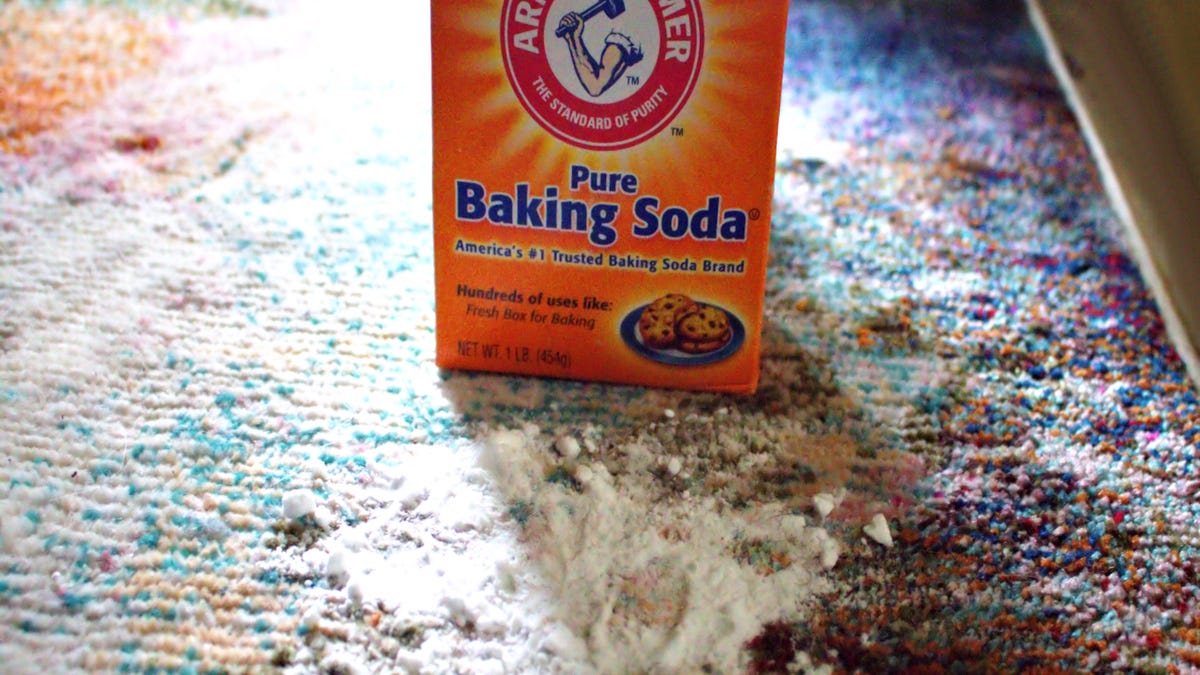
Optional combos and what to avoid
People love mixing things, but go slow. Here is what works and what to skip.
Light vinegar mist
- Use only on synthetic carpets. Avoid wool and natural fibers.
- Mix 1 part white vinegar with 4 parts water in a spray bottle.
- Lightly mist the area after you vacuum up baking soda. Let it dry.
- Do not pour vinegar on baking soda to make foam on the carpet. That reaction creates salts that can be hard to remove.
Hydrogen peroxide for light stains
- Use 3% peroxide, diluted 1:1 with water.
- Test in a hidden spot. Peroxide can lighten dyes.
- Blot on, wait 5 minutes, blot off, then apply baking soda after the area dries.
Avoid these
- Do not mix baking soda in your carpet machine. It can clog parts.
- Skip essential oils on carpet. Oils can stain and attract dirt.
- Do not use with bleach or high pH cleaners.
If you want to learn how to use baking soda on carpet and keep fibers safe, use simple steps and test first.
:max_bytes(150000):strip_icc()/baking-soda-for-carpet-6823344_21-c159bb0001f1473c9241d1adf2f9e077.jpg)
Drying and vacuuming like a pro
Good removal is half the job. Fine powders take patience.
- Let the powder sit long enough to absorb odors. Time matters more than piles of product.
- Use slow vacuum passes. Overlap each pass by half.
- Empty the canister or bag mid-job if suction drops.
- Check filters after use. Tap them outdoors or replace as needed.
- If you ever wondered how to use baking soda on carpet without leaving residue, the answer is slow, repeated vacuuming.

Common mistakes and pro tips
Here are errors I see often, and how to avoid them.
- Using too much powder. A thin coat works better and is easier to vacuum.
- Rubbing hard. This pushes soil deeper. Blot and brush lightly.
- Skipping the test spot. This risks color change on delicate fibers.
- Leaving powder on a damp carpet. Moist clumps are hard to remove.
- Not ventilating. Air flow helps lift odor molecules.
Pro tips that help me daily:
- Chill gum or wax with ice, scrape, then deodorize with baking soda.
- For musty basements, run a dehumidifier while the powder sits.
- Keep a shaker jar ready. This makes how to use baking soda on carpet fast and easy.
When to skip baking soda and call a pro
Baking soda is great, but it has limits.
- Dye, ink, paint, rust, and burn marks need pro care.
- Flooded carpets or mold must be handled by specialists.
- Pet urine soaked into padding needs deep extraction and enzyme treatment.
- Antique or silk rugs should go to a rug cleaner.
Knowing when not to use it is part of learning how to use baking soda on carpet the smart way.
Simple routines and DIY mixes
Keep it simple and safe.
Weekly
- Light sprinkle in high-traffic areas. Wait 20 minutes. Vacuum slowly.
Monthly
- Whole-room deodorize before a deep vacuum day.
DIY shaker
- Fill a jar with a holed lid.
- Add baking soda only. Label it.
- If you must scent it, add a cotton ball with a drop of essential oil inside the lid, not in the powder.
These habits make how to use baking soda on carpet part of a clean-home routine. They also keep costs low and results steady.
Frequently Asked Questions of how to use baking soda on carpet
How long should I leave baking soda on carpet?
Thirty to sixty minutes works for mild odors. For strong smells, leave it overnight in a dry, ventilated room.
Will baking soda ruin my vacuum?
It will not if you maintain the vacuum. Use a clean filter, empty the canister often, and vacuum slowly to reduce dust blowback.
Can I use baking soda on wool carpets?
Use caution and test first. Wool is sensitive, so use a very light sprinkle and vacuum well after a short dwell time.
Does baking soda remove all stains?
No. It helps with light, fresh stains and odors. Dye, ink, rust, and old set-in stains need targeted products or a pro.
Can I mix baking soda and vinegar on the carpet?
Do not pour them together on the carpet. The fizz creates residue that can be hard to remove; instead use them in separate steps with full drying.
Is it safe for pets and kids?
Yes, when used and removed properly. Keep them off the carpet while the powder sits, and vacuum thoroughly before they return.
Conclusion
Baking soda is a simple, proven way to refresh carpets, cut odors, and tackle light messes. With spot tests, short dwell times, and slow vacuuming, you can get clean results without risk. You now know how to use baking soda on carpet with confidence, and when to call in a pro.
Put these steps to work on one room today. If you found this helpful, subscribe for more home care guides, or leave a comment with your toughest carpet challenge.

Table of Contents