Tighten the toilet by shimming and evenly snugging the closet bolts.
If your toilet rocks, squeaks, or loosens after each flush, you’re in the right place. I’ll show you how to tighten toilet to floor the way pros do it. We’ll fix wobble without cracking porcelain, stop future leaks, and keep the base solid. I’ve tightened dozens of toilets in real homes. You’ll get simple steps, smart checks, and clear tips that work.

Tools and materials
You do not need fancy tools. A few basics go a long way.
- Adjustable wrench For the base nuts.
- Flathead screwdriver For caps and shims.
- Level For checking wobble.
- Plastic toilet shims To stop rocking without damage.
- Utility knife To trim shims and old caulk.
- Caulk and caulk gun 100% silicone or bath-grade.
- Towels and sponge For drips and cleanup.
- Bucket For water from the tank or bowl.
- Penetrating oil Helpful on stuck nuts.
- Replacement closet bolts and nuts Optional, if old ones spin or rust.
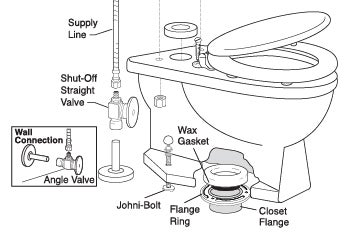
- Wax ring or wax-free seal Optional, if you find leaks or need to reset.
These are the exact items I carry when someone asks how to tighten toilet to floor. They cover both simple and tricky cases.

Safety and prep
A few steps make the job clean and stress free.
- Turn off water at the valve. Then flush and hold the handle to empty the tank.
- Sponge out leftover water in the tank and bowl. Dry the base area.
- Protect the floor with a towel. Porcelain can chip on tile.
- Work slow. Porcelain cracks if you over-tighten even a little.
This prep is part of how to tighten toilet to floor with confidence. It cuts risk and mess.
:max_bytes(150000):strip_icc()/how-to-fix-leaky-toilet-base-4118501-06-6513764afeea4fbc8ca776d8540ff3db.jpg)
How to tighten toilet to floor: step-by-step
Follow these steps in order. Keep each turn small. Check your progress often.
- Check the wobble
- Grip the bowl at the sides. Gently rock it. Note where it moves.
- Peek at the base caps. If they wobble, bolts may be loose.
- Remove the caps
- Pry caps up with a flathead screwdriver.
- Spritz a little penetrating oil on the nuts if they look rusty.
- Snug the nuts by hand
- Spin each nut clockwise by hand first.
- If a bolt spins, hold the top of the bolt with pliers while you turn the nut.
- Tighten in small, even steps
- Use an adjustable wrench. Turn each nut a quarter turn.
- Switch sides often. Keep pressure balanced.
- Aim for snug, not tight. Many pros stop at hand-tight plus a quarter turn.
- Add shims to stop rocking
- If it still rocks, place plastic shims under the base where needed.
- Push shims in until the bowl feels firm. Do not force them deep.
- Check with a level from front to back and side to side.
- Final snug
- With shims in, give each nut a tiny turn. Use only light force.
- Do not chase a perfect “no movement” feel. Solid and stable is enough.
- Trim and caulk
- Trim shim ends with a utility knife so they are flush with the base.
- Caulk around the front and sides of the base. Leave a small gap at the back to spot leaks later.
- Restore water and test
- Turn water on. Let the tank fill. Flush and check the base.
- Look for seepage near the shims and around the bolts.
If you follow this, you understand how to tighten toilet to floor without cracks or leaks. It’s the same approach I use on service calls.

Diagnose the root cause
A loose toilet is a clue. Find the reason so it stays tight.
- Loose nuts The most common cause. Easy fix with even tightening.
- Uneven floor Use plastic shims to bridge gaps.
- Damaged or high flange A repair ring can bring it back to level.
- Stripped or spinning bolts Replace closet bolts. They are cheap and fast.
- Failed wax ring If you see water or smell sewer gas, plan a reset with a new seal.
If you need to reset, you can still follow how to tighten toilet to floor after reseating. The steps are the same after the new seal goes in.
Common mistakes to avoid
I see these errors all the time. They lead to cracks and leaks.
- Over-tightening Porcelain can crack with very little extra force. Stop at snug.
- Metal shims Metal can chip the base. Use plastic shims only.
- Skipping shims Tightening without shims twists the base. It won’t hold.
- Caulking all the way around Leave a small gap at the back to spot leaks.
- Ignoring a spinning bolt Replace bolts instead of forcing the nut.
Avoid these and you master how to tighten toilet to floor the safe way.

When to call a pro
Some jobs look simple but are not.
- The toilet still rocks after shimming and snugging.
- You see water at the base after flushes.
- Bolts spin inside a broken flange slot.
- The floor feels soft around the toilet.
- You’re not comfortable lifting or resetting the toilet.
A pro can reset the toilet, repair the flange, and finish the caulk. This is still part of how to tighten toilet to floor when the root issue is bigger.
Maintenance tips and prevention
Keep it tight and dry with quick checks.
- Peek at the base monthly. Look for gaps or caulk cracks.
- Give each nut a tiny check every six months. Only if needed.
- Keep the floor dry. Mop with mild cleaner. Water under the base invites trouble.
- If you remodel, check flange height. Aim for the flange on top of finished floor.
A few minutes twice a year can save a full reset. It’s the low-effort side of how to tighten toilet to floor.

Cost, time, and difficulty
Here is what most people can expect.
- Time 20 to 45 minutes for a simple snug and shim.
- Cost 10 to 30 dollars for shims, caulk, and a wrench if needed.
- If resetting 10 to 25 dollars for a wax ring or seal. More if you need a repair ring.
- Difficulty Easy to moderate. Go slow and keep turns small.
This is why many DIYers search how to tighten toilet to floor. It’s a fast win with a little care.

Frequently Asked Questions of how to tighten toilet to floor
How tight should toilet bolts be?
Snug, not tight. Stop at hand-tight plus a small quarter turn. If you feel resistance, stop and test for wobble.
Can I use wood shims under a toilet?
Use plastic shims only. Wood can swell and rot. Plastic stays stable and safe for porcelain.
Do I need to caulk around the toilet base?
Yes, in most homes it’s recommended and often required. Leave a small gap at the back to spot leaks.
What if the bolt keeps spinning when I tighten it?
Hold the bolt head with pliers while turning the nut. If it still spins, replace the closet bolts.
Is a rocking toilet always a bad wax ring?
Not always. Many times shims and even tightening fix it. If you see water or smell sewer gas, replace the seal.
Conclusion
You can fix a wobbly toilet with calm, steady steps. Shim where needed, tighten in small turns, and never force the nuts. If something looks off, pause and check the flange and bolts. That’s the heart of how to tighten toilet to floor the right way.
Take 30 minutes today and make the base solid. Your floors and nose will thank you. If you found this useful, share it, save it, or leave a question so I can help with your next project.

Table of Contents