Lift caps, unscrew bolts, remove old seat, align new seat, tighten evenly, test.
If you’ve wondered how to replace toilet seat without calling a pro, you’re in the right place. I’ve swapped hundreds of seats in tight bathrooms, in rentals, and in busy family homes. This guide walks you through how to replace toilet seat step by step with clear photos in mind, pro tricks for stuck bolts, and smart upgrades that make daily life easier.
What You’ll Need Before You Start
Getting ready saves time and mess. Here’s a simple kit I keep in my toolbox for how to replace toilet seat in under 20 minutes.
- Tape measure
- Flathead screwdriver
- Adjustable wrench or 10 mm socket
- Pliers
- Paper towels and disinfectant
- Rubber gloves and safety glasses
- Penetrating oil or white vinegar (for stuck bolts)
- Plastic putty knife
- Painter’s tape
- Optional: hacksaw blade or oscillating tool for severe rust
Before you begin, clean around the hinges. It keeps gunk out of your hands. Also check that your new seat fits your bowl style and bolt spread.

Identify Your Toilet Seat Type and Size
Most US toilets use one of two shapes. Knowing the shape helps you buy the right seat the first time when learning how to replace toilet seat.
- Round bowl: About 16.5 inches from bolt holes to the front rim.
- Elongated bowl: About 18.5 inches from bolt holes to the front rim.
Also check:
- Bolt spread: Most are about 5.5 inches center-to-center.
- Mount style: Bottom-mount (nuts under the bowl) or top-mount (bolts anchor from above).
- Special features: Quick-release buttons, soft-close hinges, hidden caps.
Measure length, width, and bolt spacing. If you are not sure, bring old bolts or a photo of the hinge area to the store. This simple step avoids returns and speeds up how to replace toilet seat without stress.

Step-by-Step: How to Replace Toilet Seat
Here’s the exact process I use in homes and rentals. It’s fast, simple, and safe.
1) Remove the old seat
- Pop open hinge caps with a flathead screwdriver or a coin.
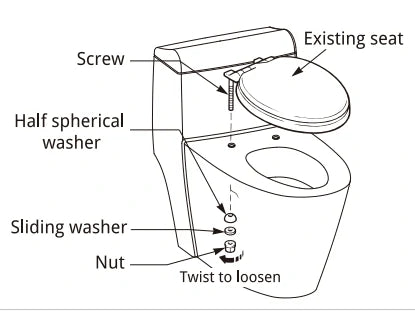
- Hold the nut under the bowl with pliers. Turn the bolt from above with a screwdriver.
- If the nut spins, use an adjustable wrench under the bowl and turn the top screw.
- Stuck bolts? Add penetrating oil and wait 10 minutes. Try again.
- Lift the old seat off. If it resists, wiggle side to side. Do not force against the porcelain.
Pro tip: Place painter’s tape on the bowl around the hinges to avoid scratches during how to replace toilet seat.
2) Clean and prep the bowl
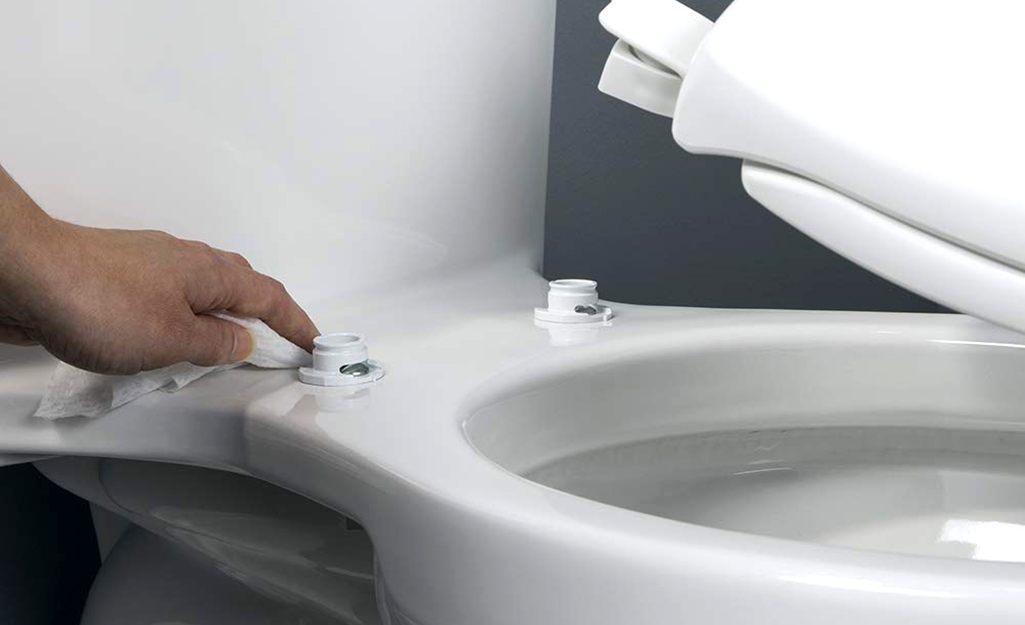
- Disinfect the hinge area.
- Scrape mineral buildup with a plastic putty knife.
- Wipe dry so new bolts grip well.
3) Install the new seat
- Set the new seat in place. Align hinge holes with the bowl holes.
- Drop in the bolts. Add washers as the instructions show.
- Hand-tighten nuts until snug. Make sure the seat is centered.
- Tighten evenly with light pressure. Stop when resistance increases.
Avoid over-tightening. Porcelain can crack from point pressure. This is one of the most common mistakes in how to replace toilet seat.
4) Adjust and test
- Close the lid. Check the gap on both sides.
- Sit and shift gently. The seat should not wobble.
- If it moves, adjust the hinges and retighten.
- Snap on hinge caps. Test soft-close if included.
Troubleshooting Stuck or Hidden Hardware
Old hardware can fight you. Here is how to replace toilet seat when bolts won’t budge.
- Rusted metal nuts: Soak with penetrating oil or white vinegar. Hold nut with locking pliers. Turn the bolt from above.
- Spinning plastic anchors: Press down on the bolt head while turning. If it still spins, wedge a flat screwdriver under the head to add grip.
- Hidden fasteners: Some seats have side buttons. Press to release the seat, then access the base plate screws.
- Top-mount bolts with expanding plugs: Tighten until snug. If the plug spins, remove and replace the anchor.
- Last resort for rust: Carefully cut the bolt with a hacksaw blade or oscillating tool. Wear eye protection. Protect the bowl with a folded towel.
If your toilet is a one-piece or skirted design, bolts may be harder to reach. Look up your model’s diagram. This saves time and avoids damage while learning how to replace toilet seat on less common setups.

Upgrades and Features to Consider
Replacing is a chance to improve comfort and hygiene. When choosing how to replace toilet seat, consider these features.
- Soft-close: Prevents slamming. Great for kids and night use.
- Quick-release hinges: Seat pops off for deep cleaning.
- Antimicrobial surfaces: Reduces bacteria on contact areas.
- Bidet compatibility: Many modern seats fit bidet attachments.
- Material: Plastic is light and easy to clean; wood feels warm and sturdy; duroplast resists scratches.
- Color match: White comes in shades. Bring a photo or the old seat to get a close match.
These features make how to replace toilet seat feel like a real upgrade, not just a repair.
Cleaning, Care, and Safety Tips
A few habits keep your new seat solid and clean.
- Clean weekly with mild soap and water. Avoid harsh bleach on seats, which can fade finishes.
- Retighten hinge screws every few months if you notice movement.
- Do not stand on the lid. Seat and lid are not steps.
- Keep hinge caps closed to stop moisture from getting to the bolts.
Following these habits extends hardware life and reduces issues the next time you think about how to replace toilet seat.

Cost, Time, and Common Mistakes
Knowing the range helps plan your project.
- Cost: Basic seats start around $10–$25. Soft-close sets are often $30–$60. Premium or specialty seats can be $80–$150+.
- Time: Most standard jobs take 10–20 minutes. Stuck bolts can add 15–30 minutes.
Common mistakes I see when people try how to replace toilet seat:
- Buying the wrong shape or bolt style. Measure first.
- Over-tightening bolts and cracking porcelain.
- Forgetting washers or using them in the wrong order.
- Not aligning the seat before final tightening.
- Ignoring wobble after install. A quick tweak right now avoids future stress.
If you get stuck, pause and reassess. A small tool change or a few drops of oil often solves the hardest part of how to replace toilet seat.

Frequently Asked Questions of how to replace toilet seat
How do I know if my toilet needs a round or elongated seat?
Measure from the bolt holes to the front rim. Round is about 16.5 inches, elongated is about 18.5 inches. This quick check is key in how to replace toilet seat correctly.
What if my toilet seat bolts are rusted and won’t come off?
Soak the bolts with penetrating oil and wait 10 minutes. Hold the nut with pliers and turn the bolt from above. If that fails, carefully cut the bolt with a hacksaw blade.
Can I install a soft-close seat on any toilet?
Yes, most bowls accept soft-close seats if the bolt spacing matches. Check your bolt spread and mount style before you buy.
Are top-mount seats as secure as bottom-mount ones?
Yes, if installed with the right anchors and tightened evenly. Top-mount designs are common on one-piece or skirted toilets and work well when matched to the bowl.
How often should I replace a toilet seat?
Many seats last 5–7 years with normal use. Replace sooner if hinges crack, the seat warps, or you cannot keep it stable.
Is it safe to use bleach to clean my toilet seat?
Use mild cleaners on the seat surface. Strong bleach can damage some finishes and discolor plastic over time.
Can I reuse old bolts and nuts?
It is better to use the new hardware included with the seat. Fresh washers and bolts reduce wobble and make how to replace toilet seat more reliable.
Conclusion
You can do this job with simple tools and a calm approach. Measure, remove, align, and tighten—those four steps define how to replace toilet seat the right way. Add small upgrades like soft-close or quick-release, and you’ll notice the difference every day.
Take 20 minutes this week and swap yours with confidence. If this helped, share it with a friend, subscribe for more easy home fixes, or leave a comment with your own tips and questions.

Table of Contents