Use mirror-safe adhesive and clips, level support, and anchor into studs.
If you came here to learn how to put up a frameless mirror the right way, you’re in good hands. I’ve installed dozens in bathrooms, entryways, and gyms, and I’ll walk you through clear, safe steps that match what pros do on real jobs. You’ll learn how to put up a frameless mirror using adhesive, clips, or a cleat, how to avoid damage to the mirror backing, and how to get a crisp look that stays secure for years.

Tools and materials you’ll need
Gather everything before you lift the mirror. It makes the job smoother and safer.
- Tape measure, pencil, and level
- Stud finder with live-wire detection
- Painter’s tape and protective blankets
- Safety glasses and cut-resistant gloves
- Plastic shims and soft suction cups
- Mirror-safe adhesive (mirror mastic or neutral-cure silicone labeled safe for mirrors)
- Heavy-duty double-sided mirror tape (optional, for tack)
- Mirror clips, J-channel, or Z-clips/French cleat set
- Appropriate screws and anchors rated for the wall type
- Temporary ledger board (a straight 1×3) and a drill/driver
- Caulk gun, rubbing alcohol, clean rags
Professional note: Not all adhesives are mirror-safe. Acid-cure silicones and some construction adhesives attack the silver backing. Always choose a mirror-rated product.
/SPR-how-to-hang-frameless-mirror-6749620-method-01-step-07-3ee0c64bd3154789965b32bceaff1069.jpg)
Plan the install: measure, check walls, and choose a mounting method
Start with a plan. Good prep is half the install.
- Measure width, height, and thickness. A 1/4-inch mirror weighs about 3 pounds per square foot.
- Find studs and mark them. Scan for wires and pipes before you drill.
- Check the wall for flatness. High spots can crack glass. Use shims to correct small waves.
- Dry-fit the mirror with help. Confirm clearances, light fixture height, and outlets.
Pick a method based on weight, size, and wall type.
- Adhesive-only with temporary supports: great for flat walls and moderate sizes.
- Clips or J-channel: adds mechanical support and easy alignment.
- Z-clips or a French cleat: best for large or gym mirrors; strong and removable.
If you’re wondering how to put up a frameless mirror over tile, all three methods work. Many DIYers choose adhesive plus bottom support to avoid drilling tile.
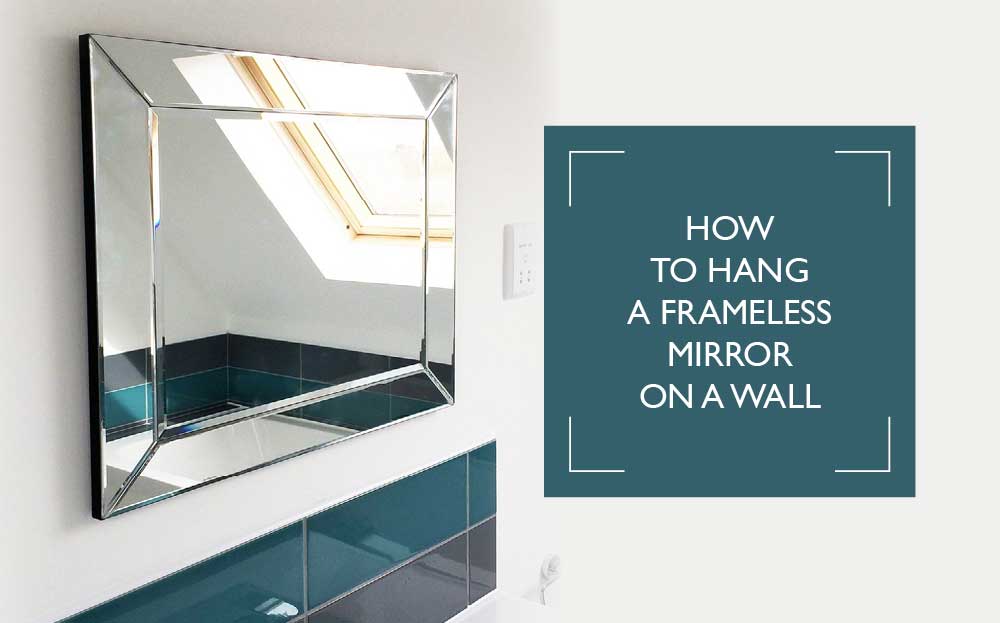
Method 1: Adhesive-only with temporary supports
This is a clean, modern look. It needs careful prep and the right adhesive.
- Protect and mark. Cover the vanity. Mark your outline with painter’s tape and a level line.
- Install a ledger. Screw a straight board at the bottom line to hold the mirror’s weight while the adhesive cures.
- Prep the wall. Clean the area with alcohol. Let it dry. Scuff glossy paint lightly if needed for better grip.
- Prep the mirror back. Wipe dust. Do not peel or damage the safety backing (if present).
- Apply mirror tape (optional). Add small strips at the top edges to act as instant tack.
- Apply mirror-safe adhesive. Run 3-inch-long vertical beads every 6 to 8 inches, 2 inches from edges. Leave gaps for air to cure. Do not smear it flat.
- Set the mirror. With two people and suction cups, lift and set it on the ledger. Press gently, then apply even pressure across the surface.
- Shim and align. Use thin plastic shims for a tiny, even gap around edges. Check level again.
- Secure while curing. Tape the mirror face to the wall in an X pattern every 8 to 12 inches.
- Cure time. Most mirror mastics need 24 to 48 hours. Follow the label. Keep the room ventilated.
- Remove ledger and tape. Caulk the top edge only if needed. Avoid sealing all sides airtight; mirrors need minimal airflow to prevent moisture traps.
Pro tip: If you want to master how to put up a frameless mirror with adhesive, patience during cure is key. Do not use the vanity hard during this time.
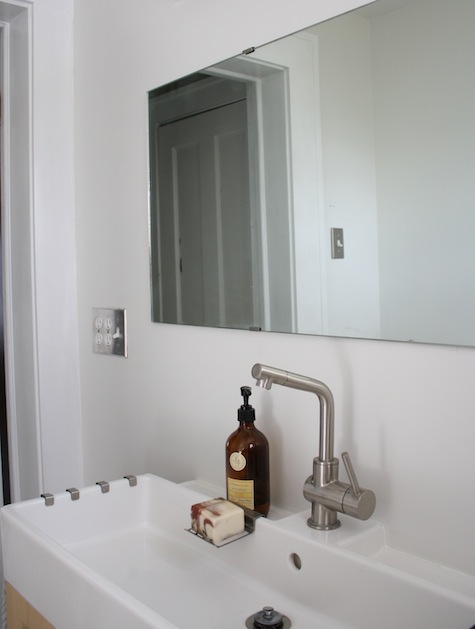
Method 2: Mirror clips or channels
Clips add mechanical support and still look minimal.
- Lay out clip positions. Bottom pair 2 to 4 inches from edges, top pair 2 to 4 inches from edges. Mark holes level.
- Anchor into studs when possible. If not, use anchors rated for the load and wall type.
- Drill and mount bottom clips or J-channel. Leave a thin shim in the channel for a small expansion gap.
- Dry-fit the mirror. Check level and mark the final top-clip holes.
- Add adhesive beads for extra hold (optional but recommended).
- Set the mirror into the bottom clips. Hold it and install top spring clips or secure channel cover.
- Check gaps. Aim for about a 1/16-inch perimeter gap for movement and caulk if needed.
If your main goal is learning how to put up a frameless mirror that stays put in a busy bathroom, clips plus mirror-safe adhesive offer a strong, tidy approach.
:max_bytes(150000):strip_icc()/SPR-how-to-hang-frameless-mirror-6749620-method-01-step-07-3ee0c64bd3154789965b32bceaff1069.jpg)
Method 3: French cleat or Z-clips for heavy mirrors
This is my go-to for large mirrors and gym walls. It is strong and lets you remove the mirror later.
- Mount the wall cleat. Level it and fasten into studs. Use at least two studs for wide mirrors.
- Attach the mate cleat to the mirror’s backer. Many frameless mirrors come with a bonded backer panel. If yours doesn’t, consult a glass shop to add one safely.
- Add adhesive for damping (optional). A few small beads reduce rattle without blocking removal.
- Hang the mirror. Lift and engage the cleats. Check level and add bottom bumpers to keep it plumb.
- Finish edges. Use a micro-bead of neutral-cure silicone if needed to prevent moisture wicking.
If you care about how to put up a frameless mirror you can move later, this method is best-in-class.

Safety, code, and moisture best practices
Glass is unforgiving. Respect the basics.
- Wear gloves and eye protection. A chipped edge can cut fast.
- Never use acidic silicone. Only mirror-safe, neutral-cure products protect the silver backing.
- Avoid full perimeter caulk on humid walls. Leave small vents or only seal top and verticals to prevent trapped moisture.
- Mind bathrooms. Run the fan and keep gaps clean to prevent black-edge desilvering.
- Check the load path. Anchors must match wall type. Follow manufacturer limits.
These best practices matter when you figure out how to put up a frameless mirror near sinks and showers. Water, steam, and cleaners can shorten mirror life if you skip these steps.
:max_bytes(150000):strip_icc()/SPR-how-to-hang-frameless-mirror-6749620-method-01-step-07-3ee0c64bd3154789965b32bceaff1069.jpg)
Troubleshooting and pro tips from the field
A few lessons learned from real jobs.
- Wall not flat? Use plastic shims behind the mirror or pick clips that allow tiny adjustments.
- Small chips on edges? Stop and call a glass shop. Chips can spread.
- Adhesive squeeze-out? Let it gel, then trim with a plastic blade. Do not smear into the edge.
- Cleaning after install? Use a soft cloth and alcohol-water mix on edges. Avoid ammonia-based sprays on the silver edge.
- On tile? Pre-drill with a diamond bit at low speed, water-cool, and use proper anchors. Or skip drilling and use adhesive plus bottom support.
If you are still unsure how to put up a frameless mirror on an uneven wall, mock it up with cardboard first. It helps you see clearances and shim points before lifting glass.
:max_bytes(150000):strip_icc()/SPR-how-to-hang-frameless-mirror-6749620-method-02-step-09-8932-c110ea927c984e3983735f0534cdec09.jpg)
Maintenance and care after you hang it
Your work is done, but a little care keeps it perfect.
- Clean edges gently. Keep harsh cleaners away from the mirror’s back and edge.
- Check clips and anchors yearly. Tighten if needed and look for corrosion.
- Watch for black edge creep. Improve ventilation and reseal top edges if moisture shows.
- Keep splash zones dry. Wipe after showers and use the exhaust fan.
When people ask how to put up a frameless mirror that lasts, I remind them: the install matters, and so does daily care.
Frequently asked questions of how to put up a frameless mirror
What is the best adhesive for a frameless mirror?
Use a mirror-safe mastic or neutral-cure silicone labeled for mirrors. Avoid acid-cure silicones and generic construction adhesive that can damage the silver backing.
Can I hang a frameless mirror on drywall without studs?
Yes, but use anchors rated for the mirror’s weight and size. For large mirrors, combine anchors with mirror clips or a cleat, and consider adhesive for extra hold.
How do I hang a mirror on tile without cracking it?
Use adhesive with a temporary ledger and avoid drilling if possible. If you must drill, use a diamond bit, go slow, and water-cool the hole.
How long should I let mirror adhesive cure?
Most mirror mastics cure in 24 to 48 hours. Follow the product label and keep the mirror braced and the room ventilated during this time.
Will sealing all edges stop moisture damage?
Do not seal all edges airtight. Leave small ventilation paths to prevent trapped moisture that can cause desilvering.
How do I make sure it’s level and centered?
Mark a centerline and a level baseline with a long level before lifting the mirror. Use shims for fine adjustments and confirm level after setting.
What’s the safest way to lift a large mirror?
Use two people and soft suction cups. Wear gloves, support the bottom edge, and never twist the glass.
Conclusion
You now know how to put up a frameless mirror with three reliable methods, the right materials, and pro-level safety and moisture tips. Choose the method that fits your wall and mirror size, take your time with layout, and use mirror-safe products to protect the backing.
Ready to start? Pick your method, gather your gear, and set that mirror with care today. If this guide helped, share it, subscribe for more DIY walkthroughs, or drop your questions in the comments so I can help with your specific setup.

Table of Contents