Use a barely damp microfiber mop, mild cleaner, and dry immediately.
Laminate looks like hardwood but behaves very differently. I’ve spent years training cleaners and homeowners on how to mop laminate floors without swelling edges, streaks, or haze. If you want a simple, safe routine that protects your floors and keeps them bright, this step-by-step guide on how to mop laminate floors will show you exactly what to use, what to avoid, and how to fix common mistakes.
:max_bytes(150000):strip_icc()/Clean-and-shine-laminate-floors-1901095_color_rev-abc64efd91b04527a0f077f8af9634cb.jpg)
Why laminate needs a different mopping method
Laminate has a tough wear layer over a wood-based core. Water that seeps into seams can cause swelling, buckling, and stains. That’s why the best way for how to mop laminate floors is to use low moisture, smart cleaner ratios, and fast drying.
In my experience, most problems start with two things: too much water and the wrong products. When you keep moisture low and pads clean, you get a safe, streak-free finish.
Tools and supplies you’ll need
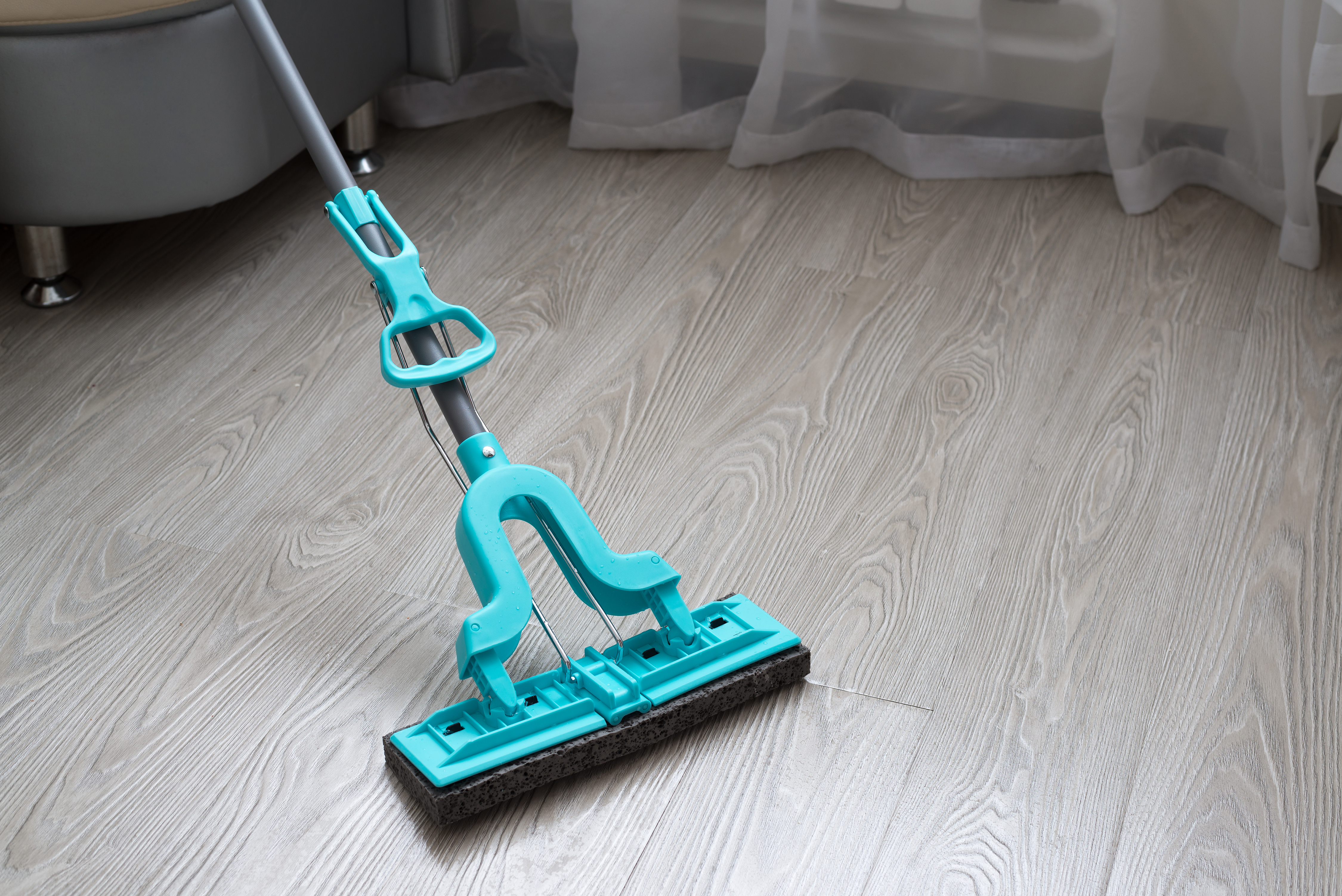
- Microfiber flat mop with removable pads These grab dust and clean without scratching.
- Vacuum or dry dust mop Removing grit first prevents micro-scratches.
- Spray bottle or small bucket Control moisture for how to mop laminate floors the right way.
- Distilled or filtered water Avoids mineral spots and streaks.
- Laminate-safe cleaner or gentle DIY mix Stick to pH-neutral or lightly acidic dilutions.
- Extra dry microfiber towels Speeds up drying and buffing.
- Soft nylon brush or cloth For sticky spots and edges.
Pro tip from the field: Two or three mop pads per room. Swap as soon as a pad looks dirty to prevent streaks.
Step-by-step: how to mop laminate floors the right way
Clear and dry-dust
Pick up small rugs and move chairs. Vacuum or dust mop first to remove grit. This protects the wear layer and reduces streaks.Pre-treat sticky spots
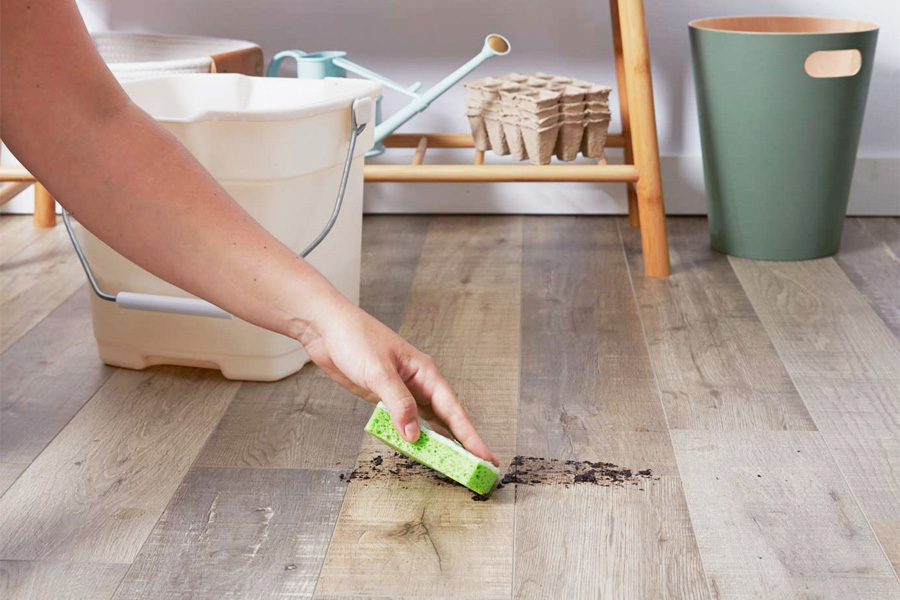
Mist a small amount of cleaner on a cloth. Wipe gum, food drips, or mud. Avoid soaking seams.Lightly mist and mop
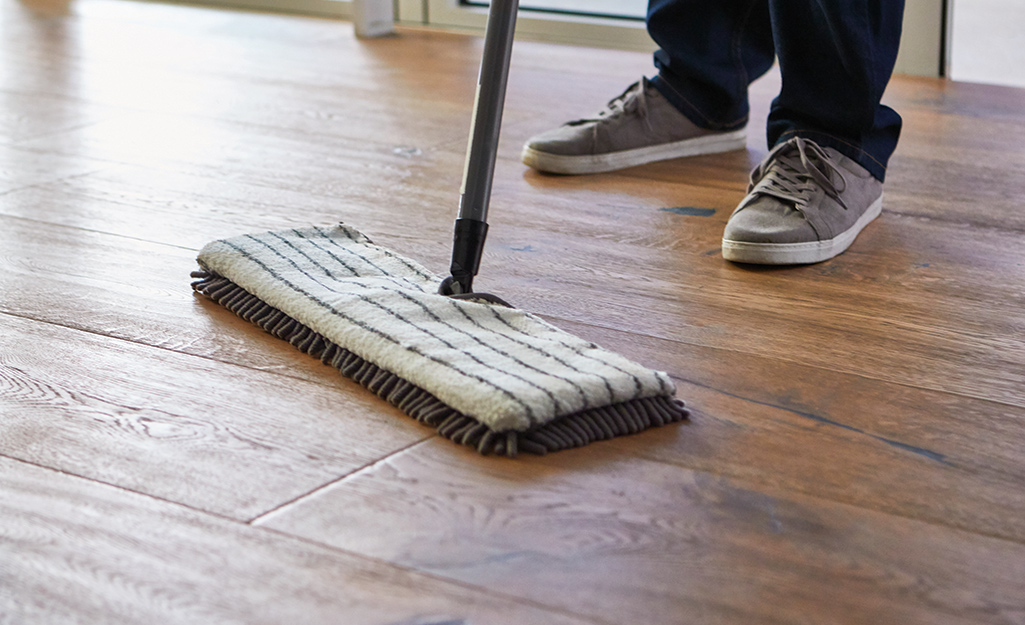
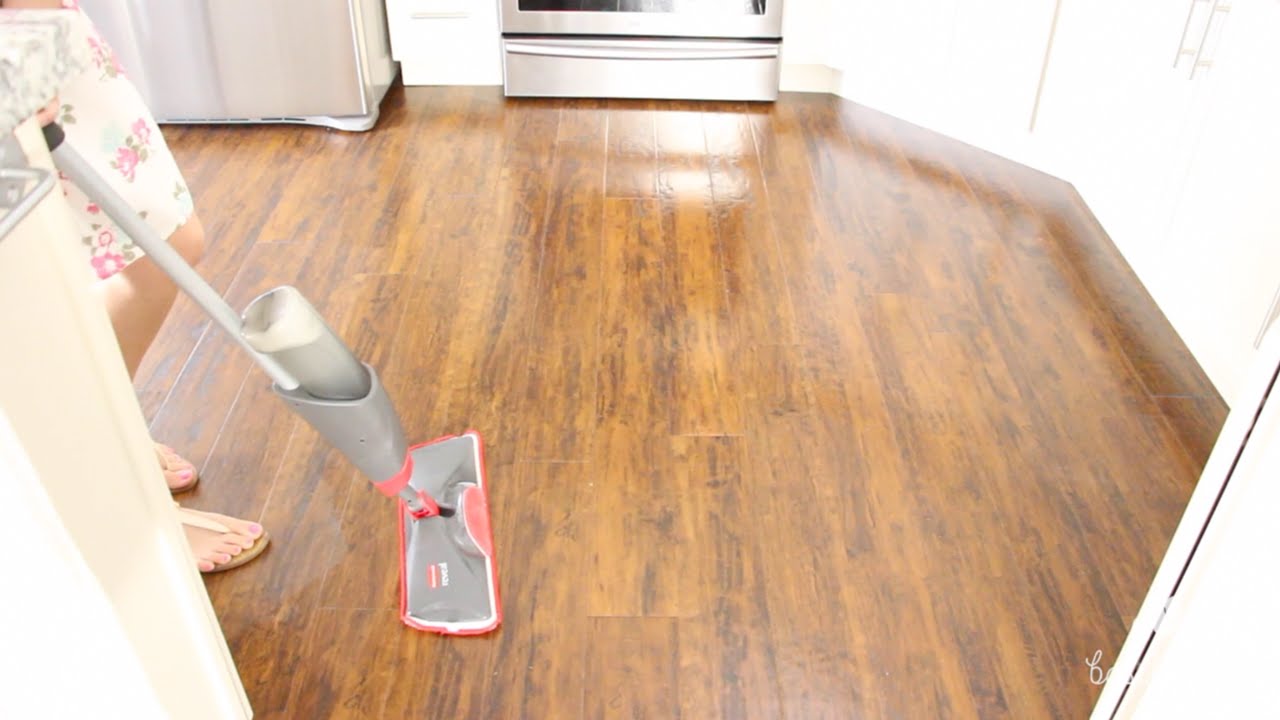
If you use a spray bottle, mist the floor ahead of your mop in a thin sheet. If you use a bucket, wring the pad until it’s barely damp. Glide the microfiber with the plank direction for the cleanest look.Rinse or change pads often
A dirty pad leaves haze. Swap pads or rinse when the glide feels sticky or you see dull lines.Dry and buff
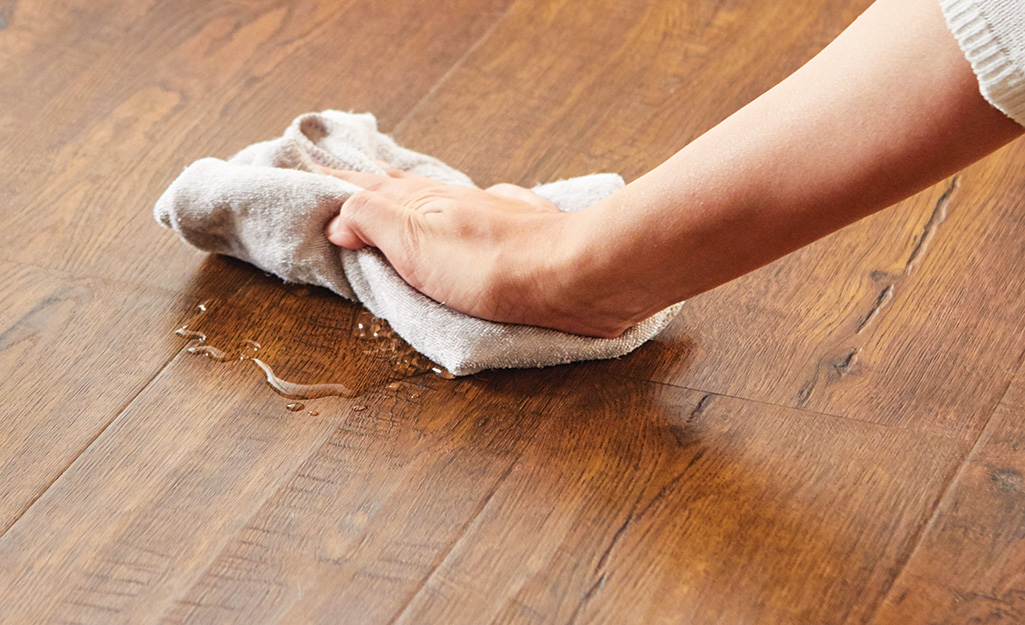
Use a dry microfiber towel to pick up any leftover moisture. Buff for a streak-free finish. This is the key move in how to mop laminate floors without haze.Inspect edges and seams
If you see moisture sitting at seams, dry it fast. A towel edge or a hair dryer on cool works well.
:strip_icc()/bhg-how-to-clean-laminate-floors-hero-3x2-9326_Awm8NQ8S4kNBrYaTpdjQ8r-05c276cc9dd54d549fdd04cfd9f065bc.jpg)
Laminate-safe cleaning solutions and exact ratios
Use light, tested formulas. Always test in a hidden spot first.
Vinegar solution
Add 1/4 cup white vinegar to 1 gallon warm water. This gentle dilution helps with film and hard water spots. Too much vinegar can dull the finish, so measure.Alcohol-based quick-dry mix
Combine 1 cup distilled water, 1 cup 70% isopropyl alcohol, and 1 teaspoon unscented dish soap in a spray bottle. Great for quick drying and fewer streaks.Dish soap dilution
Add 1 teaspoon unscented dish soap to 1 quart warm water. Good for greasy footprints. Rinse the pad in plain water after to avoid residue.
What to skip
Avoid bleach, ammonia, waxes, oil soaps, and furniture polish. Many create residue or damage the wear layer.
Drying and a streak-free shine
Streaks on laminate usually come from dirty pads, hard water, or too much soap. Keep it simple.
- Use distilled water to reduce mineral spots.
- Change mop pads as soon as they look grey.
- Keep product light. More cleaner does not mean more clean.
- Always do a final dry buff with a fresh microfiber towel.
I once trained a team that fought cloudy floors for weeks. The fix was easy: distilled water in the bottle, a clean pad every 150 square feet, and a dry buff. The floors looked brand new.
Spot and stain solutions
When figuring out how to mop laminate floors, spot care matters.
- Scuffs or heel marks Dab a cloth with a tiny bit of acetone (nail polish remover). Wipe and then clean with water. Do not pour acetone on the floor.
- Chewing gum or candle wax Press with an ice pack to harden. Lift gently with a plastic scraper, then wipe.
- Grease or crayon Use the dish soap mix on a cloth. Rinse with a damp cloth and dry.
- Ink or dye Try the alcohol mix on a cloth, dab, and wipe dry.
- Pet accidents Blot first. Lightly clean with an enzyme product safe for hard floors, then dry fast.
Preventive care and a simple schedule
Prevention is half the work in how to mop laminate floors.
- Use door mats at every entrance Stop grit and moisture at the door.
- Felt pads under furniture Prevent scratches and chair drag marks.
- Trim pet nails and avoid stiletto heels Protect the wear layer.
- Keep humidity stable Aim for 35% to 65% to reduce gapping or swelling.
- Use breathable rugs Avoid rubber-backed rugs that can trap moisture or imprint.
Easy schedule
- Daily or as needed Dry dust or vacuum.
- Weekly Light damp mop with a laminate-safe cleaner.
- Monthly Detail baseboards, edges, and under rugs.
- Seasonally Check felt pads, mats, and humidity.
Common mistakes to avoid
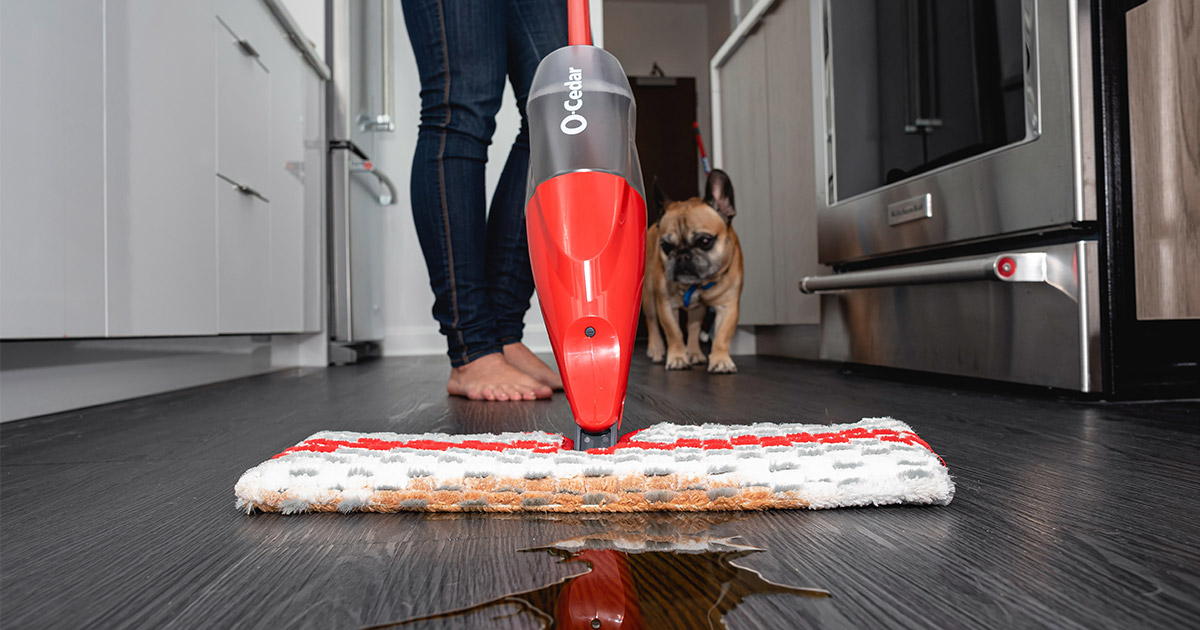
- Soaking wet mops Standing water is the fastest way to ruin seams.
- Steam mops Steam can force moisture into the core and void warranties.
- Strong chemicals Bleach, ammonia, and high-alkaline cleaners can etch or dull.
- Too much soap Soap film causes haze and attracts dirt.
- Dirty tools A dirty pad just moves soil around.
If you ever feel the mop drag and leave lines, stop and change the pad. That small reset keeps your shine consistent.
Troubleshooting haze, streaks, and dull spots
Haze from residue
Mop with distilled water and a clean pad. Dry buff. If buildup is heavy, use a laminate-approved cleaner and follow label amounts.Cloudy after drying
Reduce cleaner in your mix and swap pads more often. Hard water? Switch to distilled.Dull patches
They may be micro-scratches. Clean, dry, and use area rugs in high-traffic zones. Deep scratches on laminate cannot be refinished like wood, so focus on prevention.Edge swelling
Stop wet mopping. Keep moisture low and dry spills fast. If planks are swollen, a pro may need to replace boards.
These fixes align with most manufacturer guidelines and professional cleaning standards for how to mop laminate floors without damage.
Frequently Asked Questions of how to mop laminate floors
Can I use a steam mop on laminate?
No. Steam forces moisture into seams and can cause swelling or warping. It may also void your warranty.
How often should I mop laminate floors?
Aim for a light damp mop once a week. Dust or vacuum more often to reduce grit and scratches.
What’s the best mop for laminate?
A microfiber flat mop is ideal. It uses low moisture, lifts dirt well, and is easy to wring.
Can I use vinegar on laminate floors?
Yes, in small amounts. Keep it to 1/4 cup per gallon of water to avoid dulling.
Why do my laminate floors look cloudy after mopping?
Usually it’s soap residue, dirty pads, or hard water minerals. Use distilled water, reduce cleaner, and dry buff.
Is rubbing alcohol safe on laminate?
In small amounts, yes. It evaporates fast and helps with streaks, but always test first.
What should I do about sticky spots that won’t lift?
Pre-treat with a cloth and a bit of dish soap mix. Rinse the area with a damp cloth and dry.
Can I use oil soap or polish on laminate?
Avoid them. They create residue, make floors slippery, and can attract more dirt.
Conclusion
You now know exactly how to mop laminate floors the safe, smart way: keep moisture low, use the right cleaner ratios, change pads often, and dry fast. This simple routine protects seams, avoids haze, and keeps your floors bright.
Try the method on one room this week and note the difference. If you found this helpful, subscribe for more practical home care guides or drop a comment with your biggest cleaning challenge.

Table of Contents