Use the right mattress, pillows, and breathable layers for instant comfort.
A good bed feels like a gentle hug that lets you switch off fast. In this guide, I’ll show you how to make bed comfortable to sleep using simple steps that I use with clients and at home. We’ll cover mattress basics, pillows, bedding, airflow, and small tweaks that make a big difference. If you want deep rest without guesswork, you’re in the right place.
Understand Your Sleep Needs
Comfort starts with you. Your body type, sleep position, and pain points guide every choice. Side sleepers need more pressure relief at the shoulders and hips. Back and stomach sleepers need more support to keep the spine aligned. When you know your needs, it becomes clear how to make bed comfortable to sleep without wasting money.
Quick rules:
- Side sleepers: softer to medium mattress with a deep-cushion pillow.
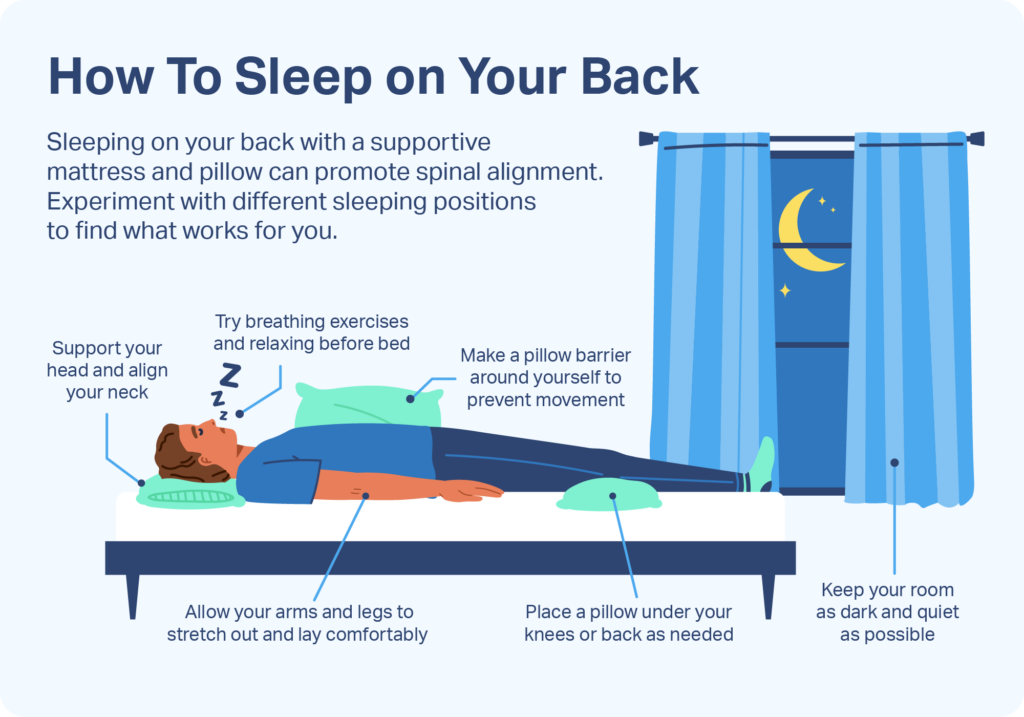
- Back sleepers: medium to medium-firm mattress with a medium-loft pillow.
- Stomach sleepers: medium-firm to firm mattress with a low, flat pillow.
Ask yourself what hurts in the morning. That clue points to the weak spot in your setup.

Choose the Right Mattress
Your mattress is the base. If it sags or feels lumpy, nothing else can fix it. Foam hugs your shape and reduces motion. Hybrid gives you bounce and support with coils and foam. In general, most people do well on medium to medium-firm.
Helpful tips from years of testing:
- Check for alignment. Lie on your side. Your spine should look straight, not bent.
- Test pressure relief at shoulders and hips if you sleep on your side.
- If you run hot, try hybrids or foam with open-cell or gel layers.
- If your mattress is fine but a bit firm, add a high-density foam or latex topper.
A breathable, supportive mattress is a big part of how to make bed comfortable to sleep. If replacement is not possible, a 2 to 3-inch topper can refresh an old bed for less.
Pick Pillows That Support Your Neck and Spine
A great pillow fixes many sleep issues fast. The goal is neutral neck alignment. Your pillow height should fill the space between your ear and shoulder if you sleep on your side. Back sleepers need a medium loft. Stomach sleepers need a low loft.
What works in real life:
- Memory foam or latex holds shape and supports well.
- Down or down-alternative gives a cloud feel. Choose a higher fill for side sleepers.
- If you snore, try a slightly higher pillow or a wedge to open airways.
- Replace pillows every 1 to 2 years. If it folds in half and stays, it is done.
Dialing in your pillow is a simple way to learn how to make bed comfortable to sleep without replacing your mattress.
Layer Bedding for Comfort and Climate Control
Bedding can make or break your night. You want breathable sheets, a cozy top layer, and options to adjust heat. Cotton percale feels crisp and cool. Cotton sateen feels smooth and a bit warmer. Linen breathes well and softens over time. Bamboo viscose can feel cool and silky.
Use this simple formula:
- Sheets: 200 to 400 thread count cotton percale for airflow.
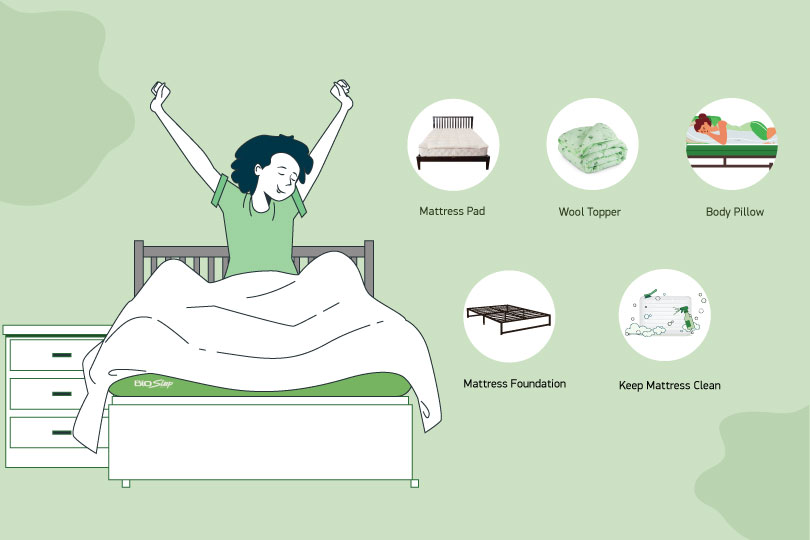
- Topper: wool or latex for breathable cushioning if the bed is too firm.
- Blanket: a light quilt or breathable duvet you can pull on and off.
- Protectors: a waterproof but breathable cover guards against spills and dust.
Here is how to make bed comfortable to sleep with layers: go light and airy, then add warmth as needed. It is easier to add than to cool down at 2 a.m.
Optimize Bed Size, Frame, and Support
If your feet hang off or your partner crowds you, size up. A full bed can feel tight for two adults. Queen or king gives room to move. Your frame should be sturdy, with center support for queen and larger sizes. Slats should be close enough for your mattress type.
Practical checks:
- No squeaks. Tighten bolts.
- Even support. Add a bunkie board or better slats if needed.
- For foam beds, use slats spaced about 3 inches apart.
Good support under the mattress is a quiet way how to make bed comfortable to sleep night after night.

Perfect Your Sleep Environment
Room climate matters. Most people sleep best at 60 to 67°F. Cooler is better for deep sleep. Keep airflow moving with a fan or open window if safe. Reduce light with blackout curtains. Cut noise with a white noise machine or a fan.
Small upgrades:
- Use a breathable mattress protector, not plastic-feeling vinyl.
- Keep humidity around 40 to 50 percent. Too dry or too damp affects comfort.
- If you run hot, try a cooling pillow, light duvet, and a breathable topper.
A calm, cool room is a low-cost way how to make bed comfortable to sleep and wake up fresh.

Make Your Bed Every Morning
This is simple but real. A made bed feels inviting at night. It also helps your sheets lay flat and reduces wrinkles and hot spots. I teach clients to smooth the fitted sheet and fold the top sheet back. That visual order helps your brain relax later.
Quick habit:
- Smooth fitted sheet.
- Pull flat sheet tight.
- Fluff pillows.
- Shake the duvet to spread loft.
This small daily habit supports how to make bed comfortable to sleep with almost no cost.

Maintenance: Wash, Rotate, and Refresh
Clean bedding feels better on the skin. Wash sheets weekly in warm water. Duvets and blankets can go monthly or seasonally. Rotate your mattress every 3 to 6 months if the brand allows it. Vacuum the surface to remove dust.
Simple refresh plan:
- Wash sheets weekly.
- Wash pillow protectors monthly.
- Replace pillows every 1 to 2 years.
- Rotate mattress twice a year.
Regular care keeps comfort steady and is a key part of how to make bed comfortable to sleep for the long term.
Budget-Friendly Upgrades If You Can’t Replace Everything
You do not need a full redo to sleep better. Target the worst link in your setup. If the mattress is firm, add a latex or foam topper. If your neck hurts, replace the pillow first. If you overheat, switch to percale sheets and a light quilt.
Smart, cheap fixes:
- Add a 2-inch latex topper for support plus airflow.
- Use cotton percale sheets for breathability.
- Try a body pillow for side sleepers to align hips and knees.
- Add a bed wedge if reflux keeps you up.
These upgrades show how to make bed comfortable to sleep even on a tight budget.
Common Mistakes to Avoid
Many people pile on thick, heat-trapping blankets. They then toss and turn at night. Others use old pillows that bend the neck. Some ignore the frame and slats. Do not overlook airflow, pillow height, or mattress support.
Avoid these:
- Buying too soft a mattress for back or stomach sleeping.
- Using high thread count sheets that run hot.
- Skipping a breathable protector, which helps hygiene and feel.
- Ignoring sag. If it sags more than an inch, fix it.
Cutting these errors is a fast route for how to make bed comfortable to sleep without the trial and error.
Frequently Asked Questions of How to make bed comfortable to sleep
What is the fastest way to make my bed more comfortable tonight?
Add a good pillow and switch to breathable sheets. Open a window or use a fan to cool the room.
How often should I replace my pillow?
Most pillows last 1 to 2 years. If it stays folded or feels lumpy, replace it.
Do mattress toppers really help?
Yes, toppers can soften a firm bed or add support. Choose latex for bounce and airflow or foam for contouring.
What sheet material keeps me coolest?
Cotton percale and linen breathe well. They feel crisp and help reduce night sweats.
How firm should my mattress be?
Most people do well with medium to medium-firm. Side sleepers may prefer a bit softer for pressure relief.
Can making the bed in the morning improve sleep?
Yes, a neat bed reduces friction at night. It also sets a calming tone when you return.
How do I stop overheating at night?
Use a light duvet, breathable sheets, and a cooling pillow. Keep the room around 60 to 67°F.
Conclusion
Your bed should feel like a calm landing pad. Pick a supportive mattress, match your pillow to your sleep position, and use light, breathable layers. Keep the room cool, keep the bed clean, and fix the weak link first. That is how to make bed comfortable to sleep every single night.
Try one upgrade this week. Swap the pillow, add a topper, or switch your sheets. Want more tips that actually work? Subscribe for weekly sleep tweaks, or drop a question in the comments so I can help you dial in your setup.

Table of Contents